
Reviewed · EVEREST BASE CAMP TREKS FROM KATHMANDU
12 Days Everest Base Camp Trek from Kathmandu
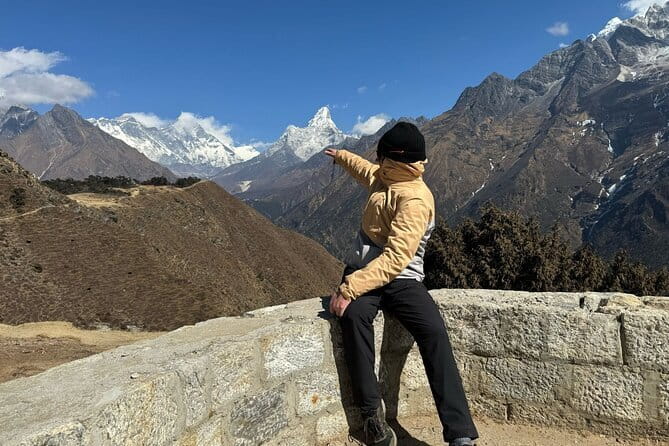
The prize here is not simply reaching Everest Base Camp. It is the steady change from river valleys and rhododendron woods to high, spare country, with Sherpa villages, prayer flags, monasteries, and enormous peaks appearing around every bend. You also get the famous Kala Patthar viewpoint, often the visual high point of the trek.
I like the built-in acclimatization days in Namche Bazaar and Dingboche, which give you a better chance to adjust before going higher. I also like the practical package: domestic flights, permits, a licensed English-speaking guide, guesthouse lodging, and hotel transfers are included.
The main caution is the pace. This is a demanding 12-day schedule with several long walking days, high altitude, and little room for delays. Food is not included, and the Lukla flights can make the timetable less predictable than the printed plan suggests.
Key things to know before booking
- Lukla is the true starting point: You fly from Kathmandu to Lukla, then walk along the Dudh Koshi River toward Phakding and Namche Bazaar.
- Two acclimatization days matter: You spend one day around Namche and another in Dingboche, with hikes to higher viewpoints.
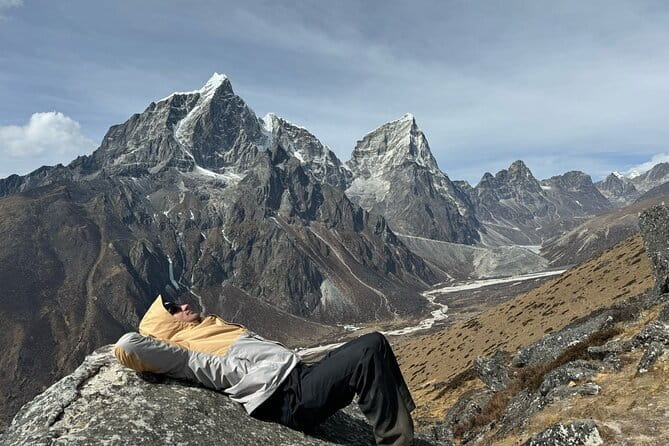
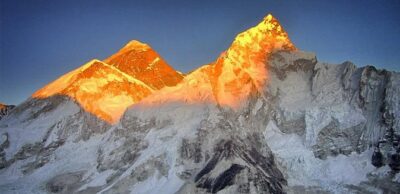
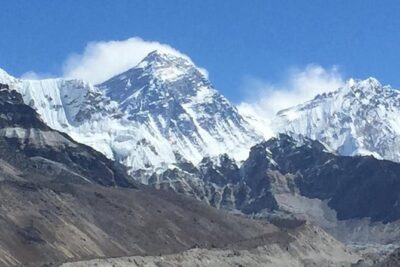
- Kala Patthar is a major highlight: The early climb offers broad views of Everest, Lhotse, Nuptse, Pumori, Ama Dablam, and other peaks.
- Sherpa culture is part of the route: Tengboche Monastery, prayer wheels, chortens, villages, and Buddhist rituals add meaning beyond the mountain views.
- The $1,380 price covers key logistics: Flights, permits, guide service, guesthouses, transfers, and a first-aid kit are included, but meals cost about $25 per day.
- This is a private trek: Only your own group takes part, though group discounts are available.
Why this Everest trek feels special
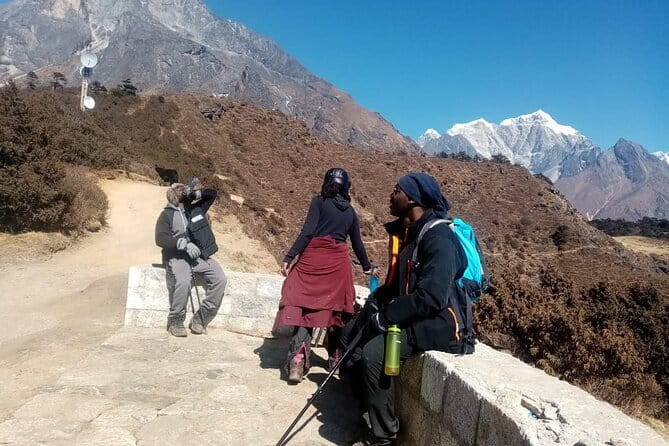
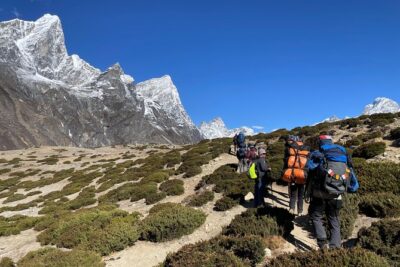
The Everest Base Camp route gives you a clear sense of progress. On the first day, you walk beside a river through green country. By the time you reach Lobuche and Gorak Shep, trees have largely given way to rock, snow, and open mountain air.
You are not just hiking to a sign marked Everest Base Camp. You are following an old route through the Khumbu region, passing settlements that serve as homes, lodges, and rest stops for people moving through the valley. The route brings you close to Sherpa culture without separating it from daily life.
I especially like the combination of famous stops and quieter walking. Namche Bazaar gives you a lively mountain hub, while Tengboche offers a more reflective visit to one of the region’s important monasteries. Dingboche and Lobuche feel more exposed and remote, preparing you for the final push.
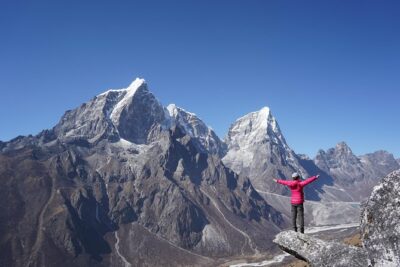
The mountains are the headline, but the route works because the scenery changes so often. Rhododendron forests, suspension bridges, river valleys, prayer flags, chortens, glacier views, and high passes keep the walking from feeling like one long uphill road.
More Everest Base Camp treks:
- Everest Base Camp Trek – 14 Days
★ 5.0 · 1,499 reviews - Everest Base Camp Trekking
★ 5.0 · 485 reviews - Everest Base Camp Trekking – 13 Day
★ 5.0 · 365 reviews
Day 1: Kathmandu to Lukla, then Phakding
Your trek begins with a short flight from Kathmandu to Lukla. The airstrip places you directly in the mountain region, so there is no long road transfer before the walking starts.
At Lukla, you meet the trekking crew and set off toward Phakding. The route follows the Dudh Koshi River, with a mix of descents and gentler trail sections. After about six hours, you reach Phakding for your first night in a guesthouse.
This is a sensible opening day because it gets you walking without sending you straight to a very high sleeping point. Still, you should expect the day to feel busy. You are handling a flight, meeting the crew, organizing your gear, and beginning the trek almost at once.
Day 2: Phakding to Namche Bazaar
The seven-hour walk to Namche is one of the first serious tests. You pass through Monjo and enter Sagarmatha National Park, where the trail crosses streams, small bridges, and several villages.
The route follows the Dudh Koshi before rising toward Namche Bazaar. This section includes a noticeable climb, so a slow pace is useful. Your guide’s job is especially important here, since steady walking and sensible breaks help you arrive with energy left.
Namche is the main gateway to the Everest region. It is a practical place to pause, with mountain lodges and a strong sense of movement through the valley. The town also makes a good base for the next day’s altitude adjustment.
Day 3: Acclimatization around Namche
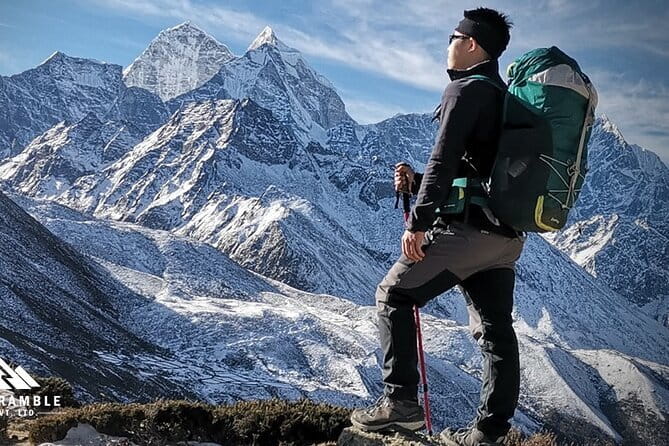
You do not simply sit around on this rest day. The plan includes a short excursion toward Syangboche Airstrip or the Everest View Hotel, giving you a chance to walk higher and return to sleep in Namche.
This is one of the itinerary’s smartest features. Acclimatization works better when you gain some height during the day and return to a lower sleeping point, rather than rushing onward each morning.
The day is listed at about six hours, so do not think of it as a complete day off. You should use it to look around Namche, adjust your boots and pack, drink plenty of water, and tell your guide early if you feel unwell.
More day hikes and treks in Kathmandu:
- Nagarkot Sunrise View and Day Hiking from Kathmandu
★ 5.0 · 471 reviews - Annapurna Circuit Trek with Tilicho Lake
★ 5.0 · 368 reviews - Everest Base Camp Trek -14 Days
★ 5.0 · 321 reviews - Annapurna base camp trek 5 Days
★ 5.0 · 252 reviews
Day 4: Forests and Tengboche Monastery
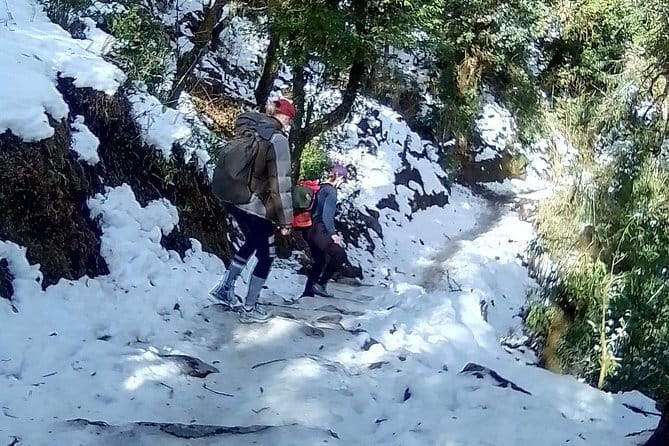
The trail to Tengboche rises through rhododendron forest and crosses the Imja Khola. The trees provide welcome shade in places, while openings in the forest reveal peaks such as Ama Dablam.
Tengboche is one of the most memorable stops on the route. Its monastery is widely regarded as the oldest in the Khumbu region, and the setting is hard to beat, with high mountains filling the background.
You have time to explore the monastery and see Buddhist details such as prayer wheels and ritual spaces. The monastery visit is included, unlike most of the basic trail stops.
This is also a day when the route’s physical demands become clearer. The six-hour estimate sounds manageable, but the uphill sections and altitude can make the walk feel longer than the clock suggests.
Day 5: Tengboche to Dingboche
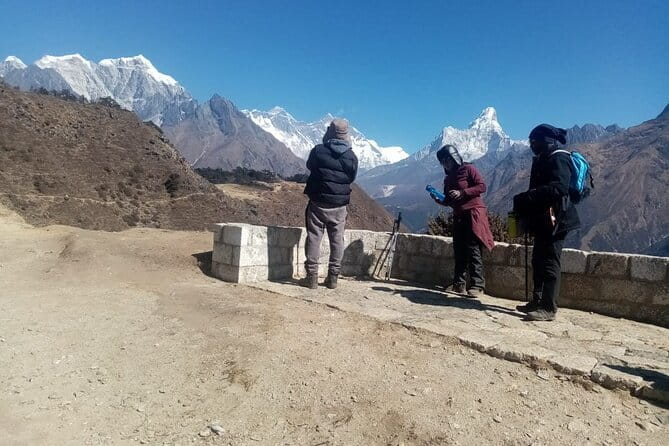
The trail continues through Pangboche and Orsho, crossing more suspension bridges and passing stupas and chortens. The villages become smaller, and the surroundings begin to feel more open and severe.
Dingboche sits at a point where the change in altitude becomes hard to ignore. You are now well above the lower forests, and your body has less oxygen to work with. The six-hour walk is not extreme by distance, but the uphill grade and thin air demand patience.
I like that this day includes cultural details without turning them into a separate performance. Chortens, prayer flags, and village paths are part of the route itself. You see them as you walk, not only during a scheduled stop.
Day 6: Acclimatization and Nagarjun Hill
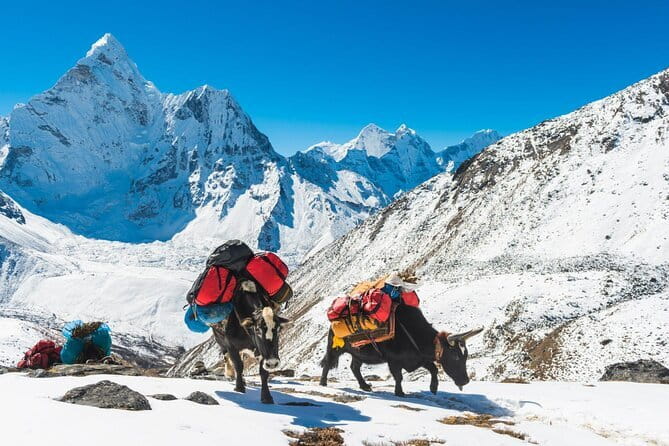
Dingboche provides the second major acclimatization day. The planned hike to Nagarjun Hill gives you views toward Everest, Lhotse, Ama Dablam, Nuptse, Thamserku, and Pumori.
This is a valuable day because the next stages take you much higher. A rest day at Dingboche can help you adjust before Lobuche, Gorak Shep, and Base Camp. It also gives you time to enjoy the mountain views without carrying out a full transfer to another village.
The phrase rest day can mislead you. You still walk for about six hours, and the hill hike is a real effort. I would treat this as a controlled training day, not a chance to sleep late and remain indoors.
Day 7: Dingboche to Lobuche
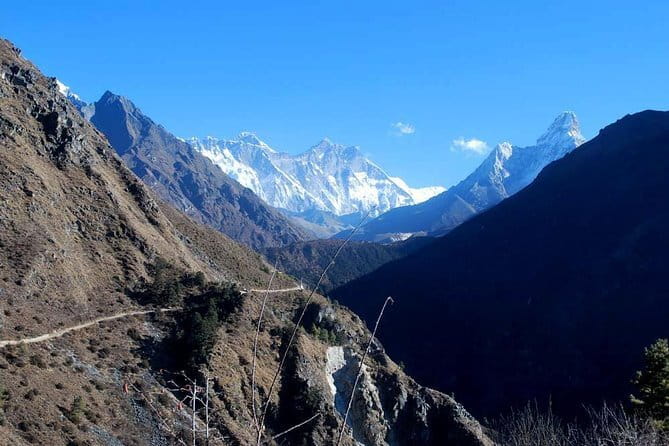
The route from Dingboche to Lobuche takes roughly six hours. Small settlements appear along the way, but the trees and thicker vegetation are now mostly gone. The surroundings become more rocky, open, and stark.
Lobuche sits near the foot of the high mountain route and feels like a staging point for the main goal. The walk is a gradual ascent, but altitude makes every climb more noticeable.
This is a good place to watch your own condition. Headaches, nausea, unusual tiredness, or trouble walking should be reported to your guide. The package includes a normal emergency first-aid kit, but the guide cannot remove the basic risks of high-altitude trekking.
Day 8: Gorak Shep and Everest Base Camp
You start early for the walk toward Everest Base Camp. The trail passes through Gorak Shep, the last human settlement on the route, before continuing toward Base Camp.
The full day takes about eight hours, making it one of the hardest sections. The route can feel slow because of the altitude and rough terrain. You should expect the achievement to come from persistence rather than speed.
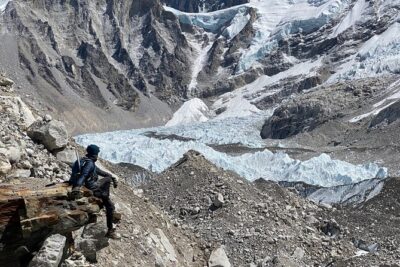
Everest Base Camp is the symbolic goal, but the view of Everest itself is not always the best from the camp area. The setting is still important because you are standing at the point where climbers prepare for expeditions on the world’s highest mountain. The Base Camp admission is included.
A good guide helps here by keeping the group moving at a safe pace and making sure you have enough time for photographs without wasting energy. The operator has used guides named Prakash, Milan, and Dev on different departures, so your guide may vary.
Day 9: Kala Patthar, then Pheriche
This is arguably the visual high point of the trek. You climb Kala Patthar, a well-known viewpoint above the Base Camp area, for broad views of Everest and surrounding peaks.
The itinerary places the Kala Patthar climb before the descent to Pheriche. That means another demanding day, listed at about seven hours, but the reward is a far better mountain panorama than you usually get from Base Camp itself.
You can expect an early start and a hard climb. At this altitude, small steps and frequent pauses are sensible. The descent to Pheriche then gives your body a chance to lose some height, though your legs will still feel the strain.
Days 10 and 11: Returning to Namche and Lukla
Day 10 takes you from Pheriche back toward Namche Bazaar. You pass through Tengboche again, descend to Phungki Thanka, and continue through forest and village sections. The walk takes about six hours.
The return route can feel easier because you know the broad shape of the trail. It is not effortless, though. Descents can be hard on knees, and tired feet often make the final hours less pleasant than expected.
On Day 11, you continue from Namche to Lukla, retracing the path through forest, streams, villages, and Phakding. The listed walking time is about seven hours. Reaching Lukla marks the end of the hard walking, but you still need to keep some energy for the return flight.
Day 12: Lukla flight back to Kathmandu
The final day includes the flight from Lukla to Kathmandu, hotel transfer, a farewell dinner, and time to prepare for departure. The scheduled day is about five hours, though flight timing in the mountains can affect how much free time you actually have.
The return flight is part of the experience, not just a transfer. You leave the trail quickly and return to the city’s noise, traffic, and services. Having hotel pickup and drop-off included makes this final transition simpler.
Because the tour is listed as approximately 12 days, you should avoid booking an important international connection too tightly around the return. The supplied plan includes the flight, but mountain travel can be affected by conditions. That is a practical reason to keep flexibility if your larger Nepal trip allows it.
What the $1,380 price really covers
At $1,380 per person, the package includes several expensive and important pieces:
- Hotel pickup and drop-off
- Kathmandu to Lukla and Lukla to Kathmandu flights
- A government-licensed English-speaking trekking guide
- Trekking permits and official documents
- Guesthouse accommodation during the trek
- A private trip for your own group
- A normal emergency first-aid kit with the guide
That makes the price easier to assess than a simple room-and-walk package. Domestic mountain flights, permits, guide support, and 11 nights of trail logistics can add up quickly when arranged separately.
You still need to budget about $25 per day for food and drinks. Gratuities are optional and not included. The price also does not mention personal trekking gear, insurance, extra medical costs, or any added nights outside the stated plan, so you should ask the operator about those needs before departure.
The private format is a real benefit if your group wants its own pace and does not want to be tied to strangers. It does not mean the trek is easy. The same altitude, weather, and trail challenges remain, but your guide can focus on your group.
Who should book this trek?
This experience suits you if you want the classic Everest route in a fairly compact schedule and value having the core logistics arranged. It is a good match for someone who wants Sherpa villages, Tengboche Monastery, Base Camp, and Kala Patthar rather than a simple scenic day hike.
You should have a strong fitness level. The days run from about five to eight hours, and the highest sections are physically demanding even when the distance looks modest.
The itinerary also suits families or private groups that want direct guide attention. Past departures have included families, and the guide has been credited with helping manage accommodation, vehicles, and flights while keeping the group comfortable.
I would hesitate if you need a relaxed schedule, dislike basic guesthouse accommodation, or have no flexibility around flight delays. Twelve days is efficient, but it is not generous. If you prefer more time for bad-weather buffers or slower walking, ask about a longer version before booking.
Final call: a strong classic route with a tight clock
I would choose this trek if you want a private, well-organized route to Everest Base Camp and understand that the mountain sets the timetable. The strongest features are the two acclimatization days, the inclusion of both Base Camp and Kala Patthar, and the fact that flights, permits, guide service, and guesthouses are handled in one price.
I would not book it casually. Get ready for long walking days, pay for food separately, and leave room around the Lukla flights. If you arrive fit and patient, this itinerary gives you a direct way to experience the Khumbu, from river valleys and Sherpa villages to the foot of Everest.
FAQ
Is the Kathmandu to Lukla flight included?
Yes. The package includes a Kathmandu to Lukla flight at the start and a Lukla to Kathmandu flight at the end.
How long is the Everest Base Camp trek?
The experience lasts approximately 12 days, including the flights from Kathmandu, the trek to Base Camp, the return walk to Lukla, and the flight back.
Are meals included in the price?
No. Food and drinks are available for purchase, with an estimated cost of about $25 per day.
Is this a private trek?
Yes. Only your own group participates in the private tour.
What accommodation is provided?
Guesthouse accommodation is included during the trek. The package also includes hotel pickup and drop-off in Kathmandu.
Is a guide included?
Yes. The package includes a government-licensed English-speaking trekking guide. Guide names can vary by departure, with Prakash, Milan, and Dev associated with different trips run by the operator.
Just added around Kathmandu
- Traditional Momo Making Class★ 5.0 · 10 reviews
- Wildlife Adventure in Chitwan Nepal★ 4.0 · 4 reviews
- Walking tour of real Kathmandu through back streets.★ 5.0 · 3 reviews
- Kathmandu 2 Nights 3 Days Chitwan Jungle Safari Tour★ 5.0 · 9 reviews
- Kathmandu Street Food Walking Tour – Eat Like a Local★ 5.0 · 3 reviews
- Private Manaslu Circuit Trek at Himalayas★ 5.0 · 3 reviews
- Walking tour of Kathmandu with awesome local guides★ 5.0 · 4 reviews
- Visit Swayambhunath and Bauddhanath Stupa with Guide★ 5.0 · 5 reviews
Everest Base Camp Treks from Kathmandu, compared.
Everest Base Camp Trek with Helicopter Return from Gorakshep to Lukla
Read our review →Browse the lists this tour appears in