
Reviewed · EVEREST BASE CAMP TREKS FROM KATHMANDU
Kathmandu: 15-Day Everest Base Camp Trek with Guide
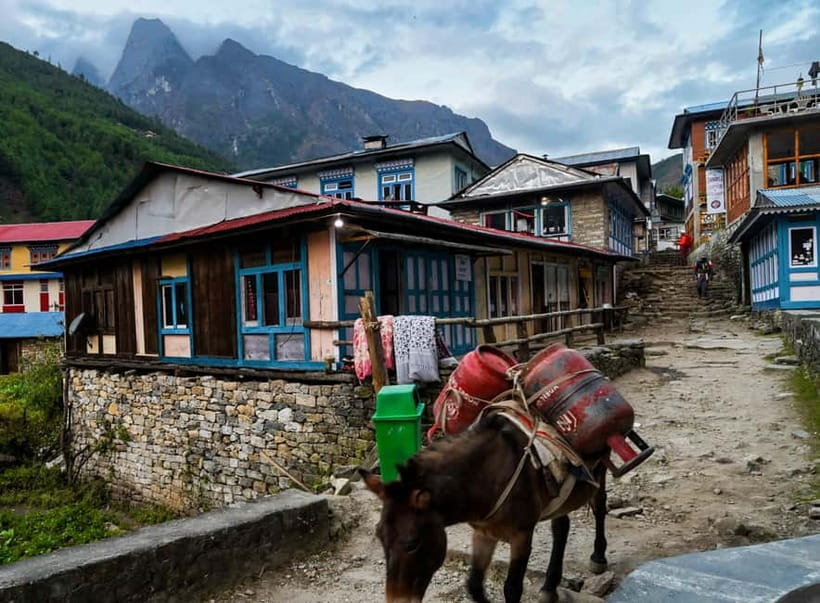
Everest Base Camp is the headline, but the real reward is the slow climb through Sherpa villages, Buddhist monasteries, rhododendron forests, and the high Khumbu. The route takes you from Kathmandu to Lukla, then onward to Namche Bazaar, Tengboche, Dingboche, Lobuche, Gorakshep, and Kala Patthar.
I like the private Kathmandu sightseeing day, which covers Durbar Square, Swayambhunath, Boudhanath, and Pashupatinath before the trek begins. I also like the two planned acclimatization breaks, especially the hike toward the Everest View Hotel above Namche and the Chhukung Valley day from Dingboche.
The main catch is that the advertised $675 price does not include Kathmandu to Lukla flights, meals during the trek, porter service, drinks, travel insurance, or city entrance fees. Lukla weather can also disrupt the plan, as one booking had to be changed to an Annapurna trek after two failed flight attempts.
Key points to know before booking
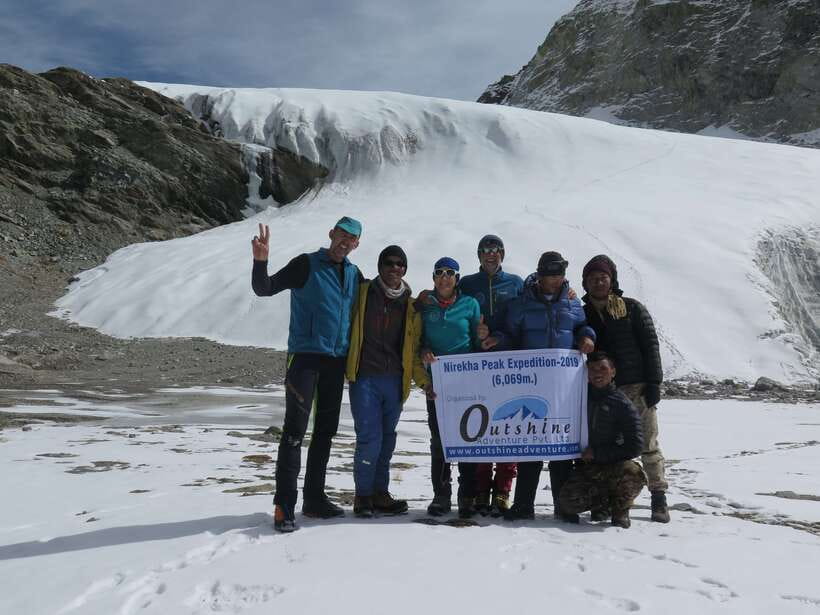
- The route reaches Everest Base Camp and Kala Patthar, with the best mountain views usually planned around the high point of the trip.
- Two acclimatization days help, but this remains a strenuous high-altitude trek, not a casual walking holiday.
- A private Kathmandu tour is included, covering four major cultural sites by car.
- English-speaking Sherpa guides lead the trek, with named guides on past departures including Kale Prakash, Kali, Kumar, Santos, and Dillisher Katuwal.
- The $675 starting price is not all-inclusive, so budget separately for flights, food, insurance, entrance fees, drinks, and possible porters.
- Weather is a real factor, especially on the Lukla flight, and the operator has arranged alternate plans when flights failed.
What this 15-day Everest trek is really like
This is a classic Everest Base Camp route with a useful Kathmandu buffer at both ends. You arrive, see the capital, fly to Lukla, walk steadily into the Khumbu, spend time acclimatizing, reach the high settlements near Everest Base Camp, and then retrace the trail to Lukla.
The schedule is designed to keep the pace sensible. You are not racing from Kathmandu to Base Camp. The rest days at Namche Bazaar and Dingboche give your body time to adjust to thinner air, though no itinerary can remove the risk of altitude sickness.
The trek is offered with small-group planning and tailored itineraries. That matters on a route where walking pace, weather, and health can vary from one person to the next. Guides are also expected to provide cultural context, not just point the way uphill.
More Everest Base Camp treks:
- Everest Base Camp Trek – 14 Days
★ 5.0 · 1,499 reviews - Everest Base Camp Trekking
★ 5.0 · 485 reviews - Everest Base Camp Trekking – 13 Day
★ 5.0 · 365 reviews
Days 1 and 2: Kathmandu, preparation before the mountains
Your first day begins with airport pickup in a private car and transfer to your Kathmandu hotel. You receive trek information from the guide, and this is a good time to check clothing, footwear, sleeping gear, and any missing items.
A past December booking included help finding trekking equipment before departure. That kind of support is useful because Kathmandu has plenty of outdoor shops, but shopping under pressure is less pleasant than sorting your kit with local help.
Day 2 is a full private-car city tour. Kathmandu Durbar Square gives you a first look at the city’s royal and artistic traditions. Swayambhunath, often called the Monkey Temple, sits above the city and offers a broad view across the Kathmandu Valley.
Boudhanath is one of the city’s major Buddhist centers, while Pashupatinath is a sacred Hindu temple complex beside the Bagmati River. The tour description identifies it as a cremation temple, so you should expect a serious religious site rather than a light sightseeing stop.
This day also gives you a chance to meet the guide and ask direct questions about the trek. The city entrance fees are not included, so carry extra Nepalese rupees or confirm the current payment arrangements before setting out.
Days 3 and 4: Lukla, Phakding, and the climb to Namche
Day 3 begins with the flight from Kathmandu to Lukla. The package does not include this airfare. Flights may operate through Ramechhap rather than directly from Kathmandu, and the operator can arrange or reserve them as an optional service.
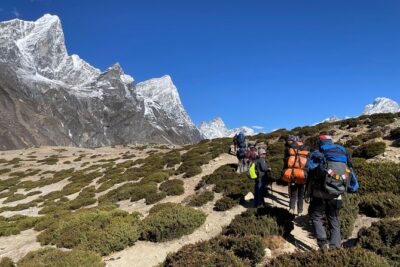
Once in Lukla, you make an easier first walk toward upper Phakding. This is a sensible opening day because the trail starts before the highest elevations and gives you time to settle into the rhythm of walking with a pack.
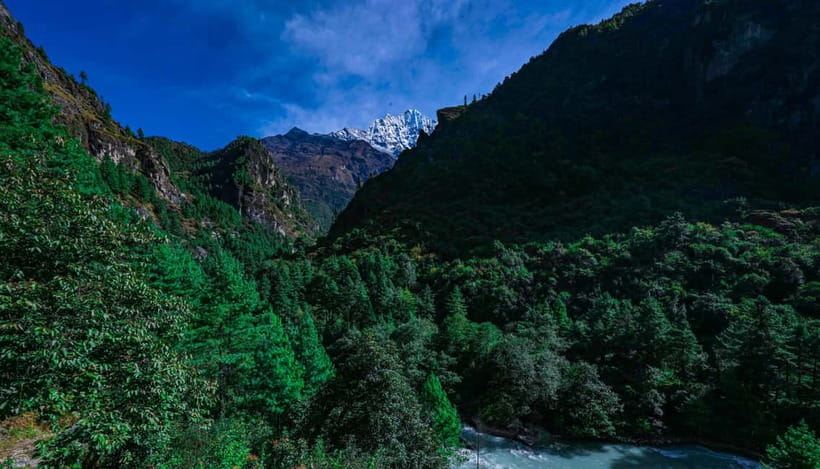
The route then enters the Sagarmatha National Park, a UNESCO World Heritage Site. You follow the Dudh Koshi Valley, cross the trail toward Namche Bazaar, and begin to see the mountain villages and forested slopes that define the lower Khumbu.
Day 4 is a substantial climb to Namche Bazaar. Namche is both a trading center and a rest point for people moving through the Everest region. Its position in a natural mountain bowl makes it a practical place to pause, but reaching it is still hard work.
You pass through rhododendron forest and gain your first broad mountain views. The exact visibility depends on weather, but the route gives you a strong sense that the trek is moving from foothills into serious Himalayan country.
Day 5: Acclimatizing above Namche Bazaar
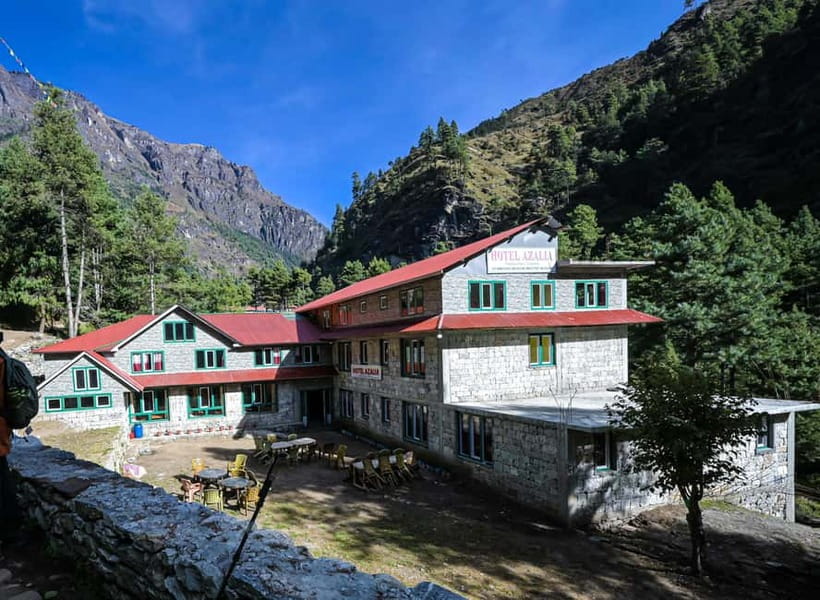
The rest day in Namche is not a day of doing nothing. The itinerary includes a hike toward the Everest View Hotel at Syangboche, around 3,850 meters. Walking higher and sleeping lower is a standard way to help your body adjust.
You get an early look at the Everest region from this viewpoint, though cloud can hide the peaks. The hike also keeps your legs moving without forcing you to gain another sleeping altitude immediately.
Take this day seriously. Drink water, eat properly, and tell your guide if you develop a headache, nausea, unusual tiredness, or trouble breathing. The guide’s role is especially important here. Dillisher Katuwal, who has led a past departure, was specifically praised for mountain experience and attention to safety. Guide assignments can change, so you should confirm your guide’s name before departure.
More day hikes and treks in Kathmandu:
- Nagarkot Sunrise View and Day Hiking from Kathmandu
★ 5.0 · 471 reviews - Annapurna Circuit Trek with Tilicho Lake
★ 5.0 · 368 reviews - Everest Base Camp Trek -14 Days
★ 5.0 · 321 reviews - Annapurna base camp trek 5 Days
★ 5.0 · 252 reviews
Days 6 and 7: Tengboche and the Sherpa villages
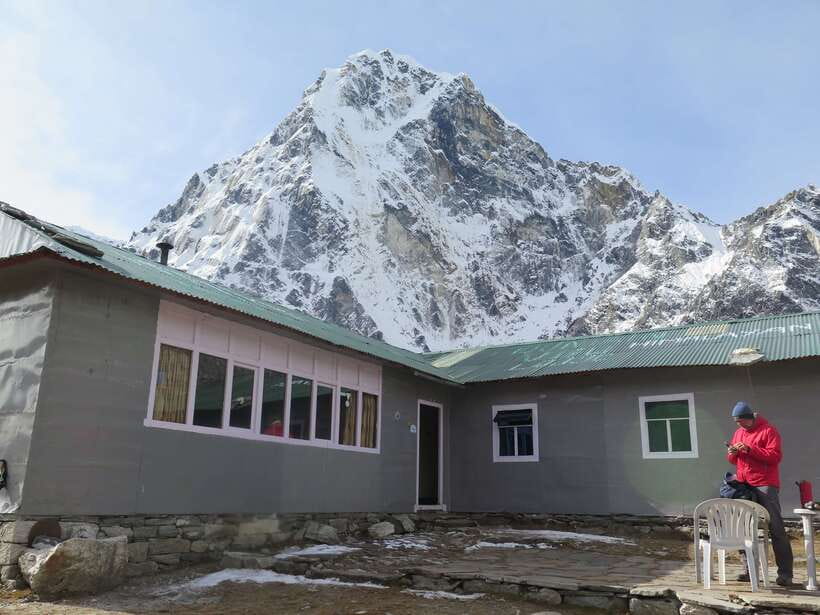
From Namche, the trail heads toward Tengboche. The route includes high, chilly sections, so warm layers become more important than they were in Kathmandu or Phakding.
After roughly two hours of climbing, you reach Thyangboche Monastery at about 3,867 meters. The monastery sits on a ridge with views toward Sagarmatha and the surrounding peaks. It is one of the most meaningful cultural stops on the route, not simply a photo stop.
Be respectful around religious buildings. Keep your voice down, follow local instructions, and ask before taking photographs inside. The value of a guide is clear here because a local guide can explain how the monastery fits into Sherpa life and the wider Buddhist tradition.
Day 7 continues through Imja Khola, Pangboche, and Pheriche before moving toward the Khumbu Glacier area. These villages show you how people live in a high mountain region where transport, weather, and altitude shape everyday routines.
Pangboche and Pheriche are not polished resort towns. Accommodation is in the best available guesthouses, which means comfort can vary. You should expect a practical mountain bed, shared facilities in some places, and a simple setting rather than hotel standards.
Days 8 and 9: Chhukung Valley and Lobuche
Day 8 is a day trip to Chhukung Valley, returning to Dingboche for the night. This is a smart feature of the schedule because it gives you more time at altitude without requiring a move to a new lodge.
The Chhukung Valley walk is described as one of the world’s best hikes. That is a bold claim, but the appeal is easy to understand: you get a side route into the Imja Valley and another chance to see the high peaks from a different angle.
The day still requires effort. A rest day at this altitude does not mean a short stroll in town, so pace yourself and follow your guide’s advice. If you feel unwell, tell the guide rather than trying to prove something.
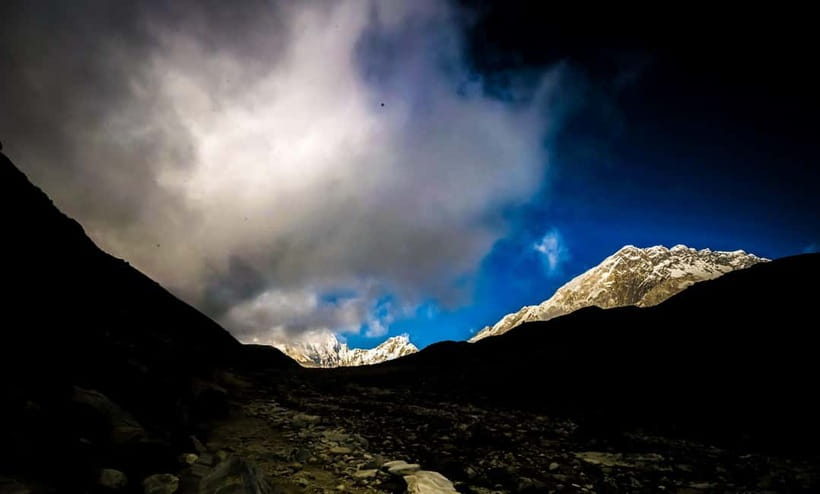
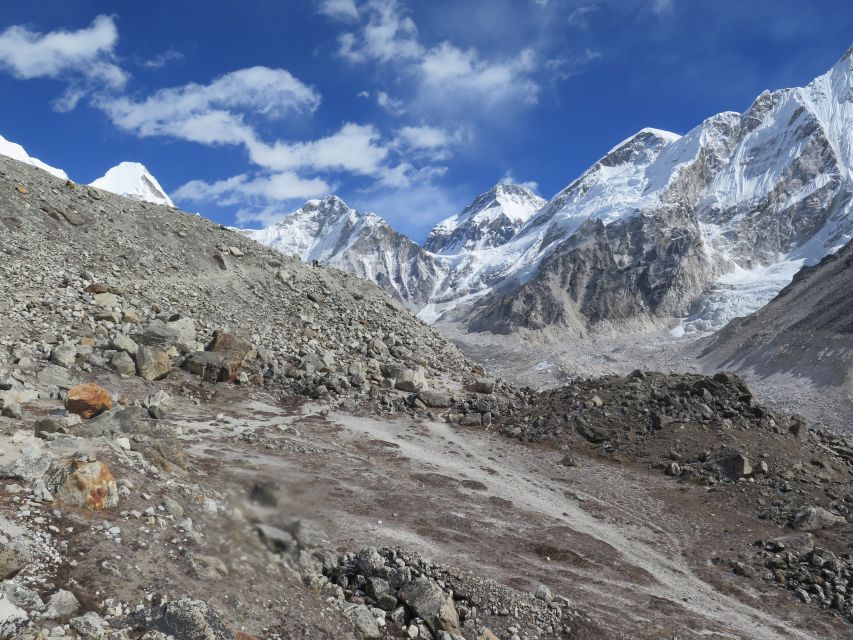
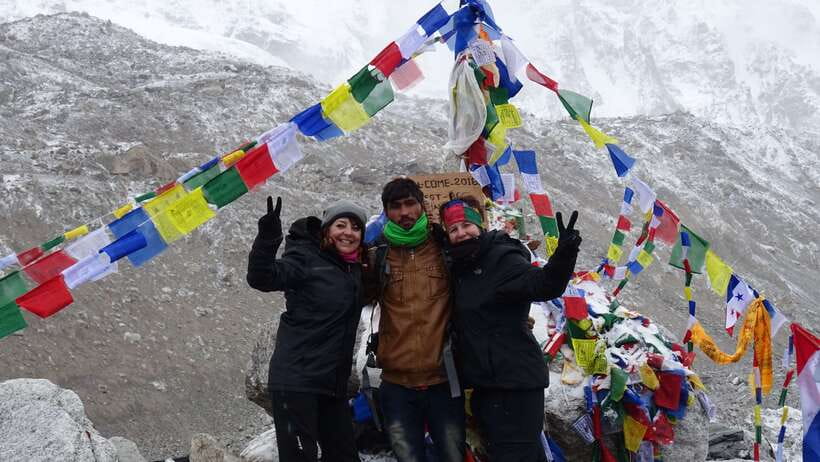
Day 9 takes you toward Lobuche. The scenery becomes more severe as the trail rises above the tree line. You are walking into a zone of rock, ice, and open mountain ground, with fewer signs of permanent settlement.
Lobuche is a place to rest and prepare for the highest part of the trek. Nights at this elevation can feel cold, and the included down jacket and sleeping bag are useful if you need them. Confirm in advance what equipment is supplied and whether you need to collect it in Kathmandu.
Days 10 and 11: Gorakshep, Everest Base Camp, and Kala Patthar
From Lobuche, you head to Gorakshep, a small settlement beside a frozen lake. It is the staging point for the Everest Base Camp walk and the overnight stop before the early climb to Kala Patthar.
The schedule describes Day 10 as the hike from Lobuche to Gorakshep and the Everest hike, then places the Kala Patthar climb early on Day 11 before descending to Pheriche. Ask the operator to confirm the exact order of the Base Camp walk and the Gorakshep overnight, since high-altitude timing can shift with weather and group condition.
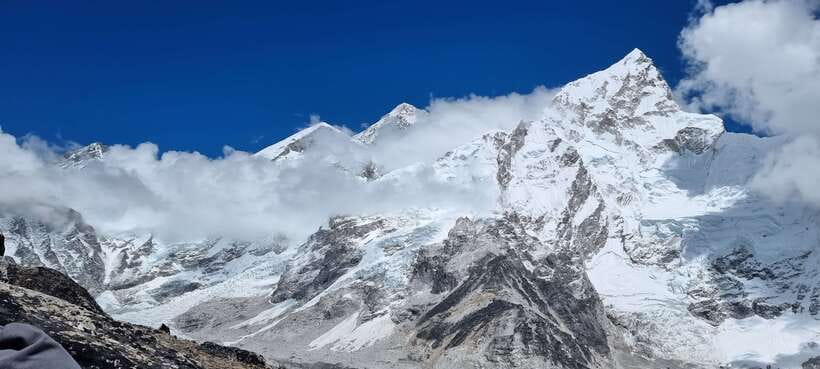
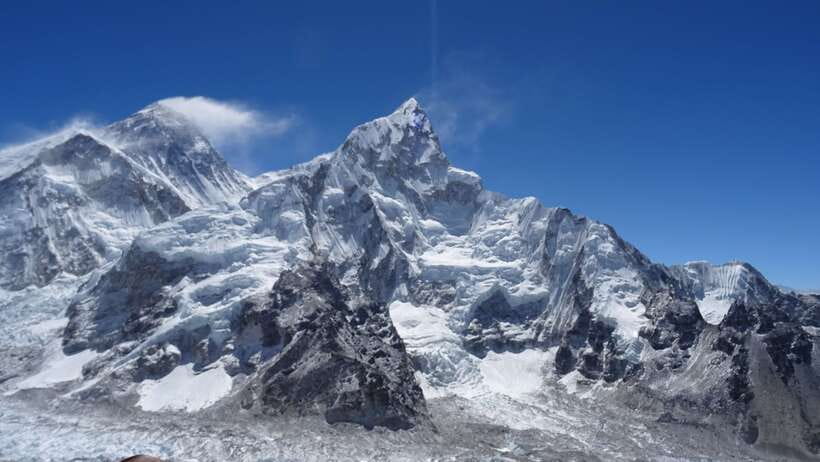
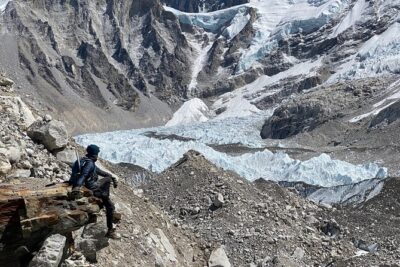
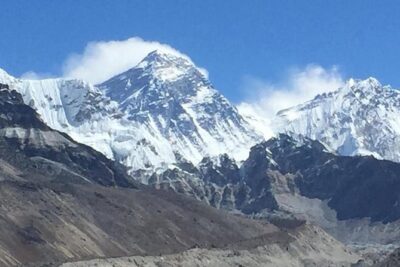
Everest Base Camp is a major goal, but it is not necessarily the best viewpoint of Everest itself. The surrounding ice, rock, glacier, and expedition setting make it memorable, while Kala Patthar is the planned viewpoint for a wider mountain panorama.
The early start for Kala Patthar is tough. You climb in cold conditions, often before sunrise, but the reward is the chance to see Everest and the surrounding peaks in clear morning light. A past departure had cloudy and rainy days, yet a clear morning at Gorakshep made the effort worthwhile.
After Kala Patthar, you descend to Pheriche. That drop in altitude should feel welcome, but the day remains long. Eat, drink, and keep your pace steady rather than rushing downhill.
Days 12 to 14: Retracing the trail to Kathmandu
Day 12 begins the return to Namche Bazaar. Descending is easier on your lungs, but it can be hard on knees and ankles. Trekking poles may help, although they are not listed among the required items.
Day 13 is the long walk back to Lukla. It is satisfying to complete the circuit, but fatigue is likely by this stage. The guide still matters because the final walking days are when small problems with blisters, tired muscles, or poor hydration can become bigger ones.
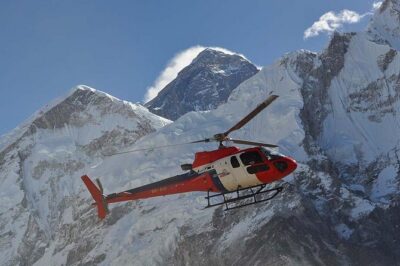
Day 14 is the flight back to Kathmandu, followed by a hotel night. Again, weather can affect the flight. One couple had their Lukla flights attempted twice before the plan changed to the Annapurna Circuit. The operator arranged a new itinerary quickly, but the experience shows why you should keep spare time and avoid scheduling an international flight immediately after a mountain flight.
The package includes three nights of standard Kathmandu hotel accommodation. The city hotel is a useful recovery point after two weeks of walking, even if it is not the main attraction of the trip.
Day 15 is your private transfer to the international airport. Airport pickup and drop-off are included, which removes one small but useful task at the end of a tiring journey.
What the $675 price includes, and what it does not
At $675 per person, the package offers a low entry price for a guided Everest Base Camp program. It includes airport and hotel transfers, three Kathmandu hotel nights, the private city tour, mountain guesthouses, an English-speaking Sherpa guide, park permits, TIMS permits, staff costs, taxes, and down jacket and sleeping bag hire if needed.
That is meaningful value, especially if you want a guide and do not want to arrange permits, hotels, and transfers yourself. Staff food, accommodation, salary, insurance, equipment, and medicine are also included in the package.
But the headline price is not the final cost. You must budget for:
- Kathmandu to Lukla, or Ramechhap to Lukla, flights
- Breakfast, lunch, and dinner during the trek
- City entrance fees
- Travel insurance
- Alcoholic, hot, and cold drinks
- Porter service
- Personal expenses
Porter service is optional and described as shared between two people. If you do not want to carry your own luggage, arrange this before departure and confirm the additional price.
The price is best viewed as a guided trekking framework rather than a fully prepaid holiday. Get the flight, food, porter, and insurance costs in writing before you compare it with other Everest packages.
Guides, group size, and the human side of the trek
The company uses English-speaking Sherpa guides with local mountain experience. Previous guide names connected with this program include Kale Prakash, Kali, Kumar, Santos, and Dillisher Katuwal. Do not assume you will receive a particular guide unless the company confirms it.
The strongest part of the service is the practical support before and during the trek. Airport pickup, help with delayed luggage, gear advice, Kathmandu touring, and careful assistance when a participant became sick all point to an operator that understands the trip involves more than walking.
Small groups can make the experience more personal and allow the guide to notice changes in your health. Still, ask how many people will be in your departure group and whether the guide ratio changes if the group grows.
Who should book this trek?
You should consider this trip if you want the classic Everest route with a guide, a private Kathmandu tour, planned acclimatization, and permits handled for you. It suits people who can manage repeated days of walking at high altitude and who are comfortable with simple guesthouse accommodation.
It is less suitable if you want guaranteed flights, luxury hotels, flexible meal choices, or a short and easy mountain holiday. Wheelchair users cannot be accommodated on this route, and the required fitness level should not be underestimated.
The tour is also a good fit if cultural context matters to you. Tengboche Monastery, Sherpa villages, Buddhist sites in Kathmandu, and local mountain guides give the trip more depth than a simple point-to-point hike.
Should you book it?
I would book this trek if the $675 price is treated as the starting cost and you are comfortable adding flights, food, insurance, and possible porter service. The route is strong, the itinerary allows useful acclimatization, and the included Kathmandu touring gives you a better introduction to Nepal before the trail begins.
Before paying, confirm the Lukla flight plan, group size, exact Base Camp and Kala Patthar schedule, meal costs, porter fee, and weather contingency. If you want a classic Everest experience with practical local support, this is a sensible option. If you need a guaranteed timetable, rethink the plan, because Lukla weather can change everything.
FAQ
How long is the Everest Base Camp trek?
The program lasts 15 days, including arrival and departure transfers, two days of Kathmandu activities, the mountain trek, and the return to Kathmandu.
Is airport pickup included?
Yes. Private airport pickup and drop-off in Kathmandu are included.
Does the tour include flights to Lukla?
No. Flights from Kathmandu or Ramechhap to Lukla and back are not included, though the operator can reserve or book them as an optional service.
Are meals included during the trek?
No. Breakfast, lunch, and dinner during the trek are not included in the stated price.
Is a porter included?
No. Porter service is optional and costs extra. The service may be shared between two people.
What accommodation is provided?
You receive standard hotel accommodation in Kathmandu for three nights and the best available guesthouse accommodation during the trek.
Is a guide included?
Yes. The trek includes an English-speaking, licensed Sherpa guide. Guide assignments can vary.
Does the itinerary include acclimatization days?
Yes. There is an acclimatization day in Namche Bazaar with a hike toward the Everest View Hotel, plus a Chhukung Valley day trip from Dingboche.
Are permits included?
Yes. Everest National Park permits, TIMS trekking permits, and government taxes are included.
What should I bring?
Comfortable shoes and sunglasses are specifically recommended. Down jackets and sleeping bags are available if needed, but confirm the equipment arrangements before departure.
Just added around Kathmandu
- Traditional Momo Making Class★ 5.0 · 10 reviews
- Wildlife Adventure in Chitwan Nepal★ 4.0 · 4 reviews
- Walking tour of real Kathmandu through back streets.★ 5.0 · 3 reviews
- Kathmandu 2 Nights 3 Days Chitwan Jungle Safari Tour★ 5.0 · 9 reviews
- Kathmandu Street Food Walking Tour – Eat Like a Local★ 5.0 · 3 reviews
- Private Manaslu Circuit Trek at Himalayas★ 5.0 · 3 reviews
- Walking tour of Kathmandu with awesome local guides★ 5.0 · 4 reviews
- Visit Swayambhunath and Bauddhanath Stupa with Guide★ 5.0 · 5 reviews
Everest Base Camp Treks from Kathmandu, compared.
Everest Base Camp Trek with Helicopter Return from Gorakshep to Lukla
Read our review →Browse the lists this tour appears in