
Reviewed · EVEREST BASE CAMP TREKS FROM KATHMANDU
Luxury Everest Base Camp Trek – 11 Days
Everest Base Camp is the headline, but the clever part of this 11-day trek is how it trims the rough edges. You fly by helicopter from Kathmandu to Lukla, walk through the Khumbu Valley, sleep in luxury accommodation, then return by helicopter from Gorak Shep. That saves time and limits the slow, tiring return walk.
I especially like the built-in acclimatization days at Namche and Dingboche, and I like that guide and porter wages, insurance, meals on the trail, and helicopter flights are included. The main catch is the altitude. You reach 5,164 meters at Gorak Shep, so this is still a serious trek, no matter how comfortable the rooms may be.
Key points to know before you book
- Helicopter transfers save days: Fly from Kathmandu to Lukla, then return from Gorak Shep to Kathmandu by helicopter.
- Namche and Dingboche allow acclimatization: These planned pauses give your body time to adjust before the highest sections.
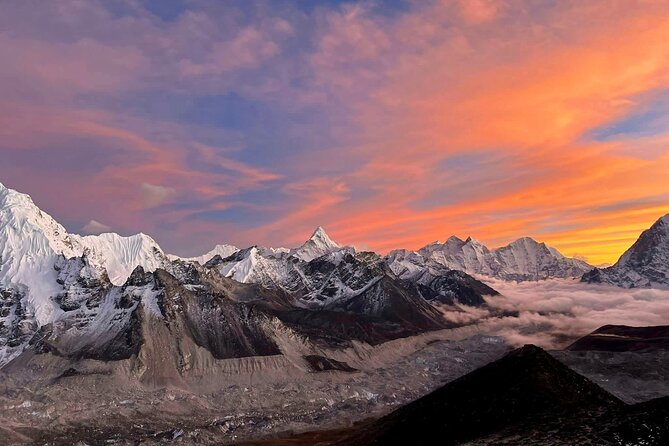
- Kala Patthar adds the classic sunrise view: The early hike reaches a ridge above Gorak Shep with views toward Everest.
- Luxury comes to a remote region: Accommodation is described as luxury throughout the trek, a major comfort advantage at high altitude.
- A small group keeps things manageable: The maximum group size is 15 people, with guides and porters included.
- The price covers major trip costs: At $4,070 per person, the package includes helicopter flights, meals on the trek, accommodation, guides, porters, fees, and taxes.
What $4,070 buys you in the Everest region
At $4,070 per person, this is not a budget Everest Base Camp trip. You are paying for a shorter schedule, helicopter transport, upgraded accommodation, a supported trek, and fewer arrangements to handle yourself.
The strongest value is the helicopter plan. The flight from Kathmandu to Lukla gets you to the trailhead quickly. The return flight from Gorak Shep avoids retracing the entire route on foot, which can save several days and reduce the strain after Base Camp and Kala Patthar.
The price also includes all fees and taxes, luxury accommodation during the trek, guides and porters, their daily wages, insurance, and meals during the walking portion. You receive eight dinners, eight lunches, and nine breakfasts. That takes care of the main costs in a remote part of Nepal where supplies must travel by air, road, or foot.
You still need to budget for international flights, travel insurance, extra Kathmandu hotel nights, Kathmandu meals apart from breakfast and the farewell dinner, drinking water, cold drinks, laundry, internet, phone calls, shopping, and crew tips. These extras matter. At altitude, bottled or treated water and warm drinks can add up, and a proper insurance policy is essential for a high-altitude trek.
I would compare this package with a standard lodge trek before booking. If you have more time and want to reduce the price, walking both ways may suit you better. If you value time, comfort, and organized transport, the higher cost has a clear purpose.
More Everest Base Camp treks:
- Everest Base Camp Trek – 14 Days
★ 5.0 · 1,499 reviews - Everest Base Camp Trekking
★ 5.0 · 485 reviews - Everest Base Camp Trekking – 13 Day
★ 5.0 · 365 reviews
Day 1: A simple arrival in Kathmandu
Your guide meets you at the airport and takes you to your booked hotel in Thamel. The information does not include a detailed sightseeing program for this day, so think of it as an arrival and preparation day rather than a city tour.
Thamel is a practical base for a Nepal trip, with shops, restaurants, and transport nearby. The package includes pickup, but it does not include extra hotel nights in Kathmandu, so check exactly which nights are covered if your international flight schedule requires more time in the city.
This first meeting also gives you a chance to confirm the trek plan, meet the organizing team, and prepare for the early departure. The listed start time is 5:15 am, so keep the first evening low-key.
Day 2: Helicopter to Lukla, then four hours to Phakding
The morning begins with a transfer to Kathmandu Airport and a helicopter flight to Lukla. This is an efficient way to reach the Khumbu region, and it avoids the uncertainty and time involved in a longer surface transfer.
At Lukla, you meet the rest of the trekking crew and begin walking toward Phakding. The trek takes about four hours. This first section is useful because it gets you moving without immediately pushing you to the highest elevations.
Lukla is the gateway to the Everest region, while Phakding is the first overnight stop on the walking route. The information does not give the exact accommodation name or room style, so ask before departure what luxury accommodation means at each stop. In a remote mountain region, comfort can vary from one property to another.
Weather remains an important factor. The trip requires good weather, and poor conditions can lead to a changed date or a full refund if the activity is canceled. Even with a helicopter transfer, mountain weather can affect the schedule.
Day 3: Monjo and the approach to Namche Bazaar
The route toward Namche begins with a gentler section through pine forest before becoming more demanding. Monjo is listed as the day’s stop, and the route continues toward Namche Bazaar.
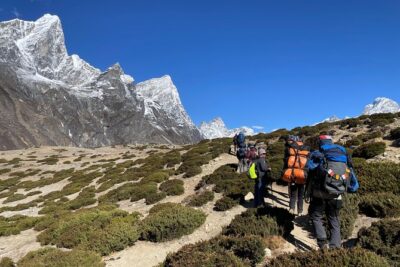
This is where the trek starts to feel like a real mountain journey. You walk through forest, follow the valley, and gain altitude toward the Sherpa trading center of Namche. The path is rewarding, but the climb can feel hard because your body is still adjusting.
Namche is more than a place to sleep. It is the main service center of the Khumbu route, with markets and broad mountain views. The description highlights the town’s local activity and views toward the peaks, making it one of the more memorable stops before the trail becomes more severe.
Your guides and porters matter most on days like this. Past departures have included guides named Prakash, Keshab, Babu, and Ram, while Surya has handled organization and local arrangements. You should confirm your assigned guide before departure, since those names are not guaranteed for every group.
More day hikes and treks in Kathmandu:
- Nagarkot Sunrise View and Day Hiking from Kathmandu
★ 5.0 · 471 reviews - Annapurna Circuit Trek with Tilicho Lake
★ 5.0 · 368 reviews - Everest Base Camp Trek -14 Days
★ 5.0 · 321 reviews - Annapurna base camp trek 5 Days
★ 5.0 · 252 reviews
Day 4: Everest View Point and a needed rest in Namche
The fourth day is set aside for acclimatization in Namche. A short outing to Everest View Point gives you a first major mountain panorama without committing to a full day of hard walking.
The key benefit is not simply the viewpoint. It is the balance between gentle activity and rest. You walk high enough to help your body adjust, then return to Namche rather than sleeping at a higher elevation that same night.
You can also spend time exploring the town. Namche has markets and a busy local center, so this is one of the few points on the route where you can enjoy more than the trail and a lodge dining room.
The itinerary descriptions use slightly different day numbers for this section, so I would confirm the final day-by-day schedule with the company. The important point is that an acclimatization day in Namche is included before the route continues higher.
Day 5: Rhododendron forest and Tengboche monastery
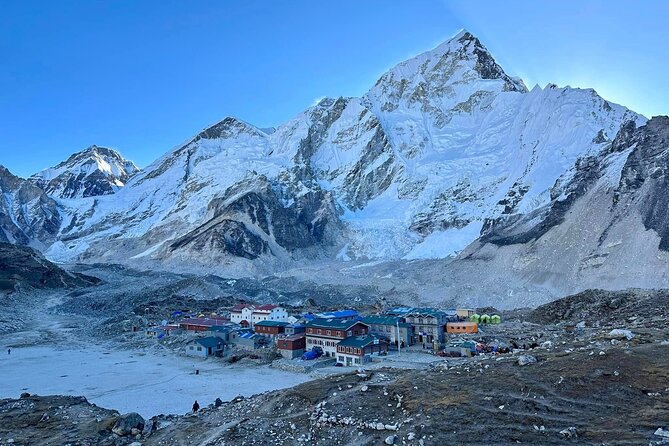
The trail to Tengboche begins with morning light on the surrounding peaks and passes through rhododendron forest. Tengboche is the spiritual center of this part of the trek, known for its ancient monastery and mountain setting.
This section adds cultural meaning to the trip. Everest Base Camp can feel like a physical goal, but Tengboche gives you a clearer sense of the Sherpa Buddhist traditions that shape life in the region. The monastery is not just a photo stop. It is a place where the pace of the trek naturally slows.
The route remains demanding, with uphill and downhill stretches. You should not expect every day to become harder in a straight line. Mountain paths often lose elevation before climbing again, which can make the day feel longer than the distance suggests.
Tengboche is also a good reminder that this is a working community, not a scenic set built for tourists. Show respect around the monastery, follow local guidance, and keep your schedule flexible.
Day 6: Dingboche at 4,410 meters
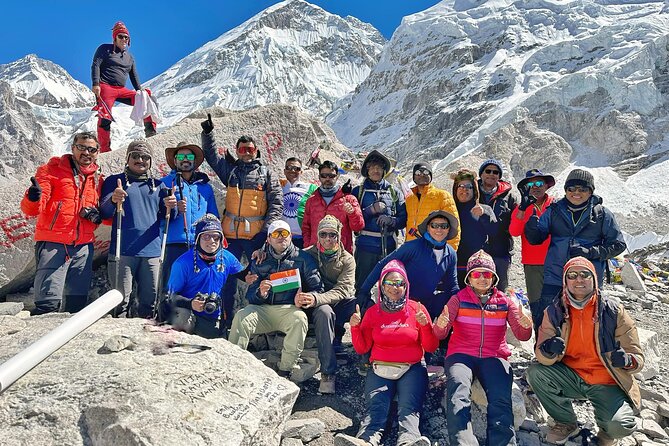
From Tengboche, you continue toward Dingboche in the Imja Valley. The walk usually takes five to six hours, and Dingboche sits at 4,410 meters.
This is a major altitude gain. Even fit people can notice shorter breath, slower walking, or a reduced appetite as the trail climbs. The luxury accommodation makes the night more comfortable, but it cannot remove the effects of altitude.
Dingboche is an important stop because it gives you time before the highest part of the route. The valley setting and open views make it a memorable overnight point, but the practical value is acclimatization.
Go slowly here. Your guide should monitor how you are doing, and you should report symptoms honestly rather than trying to prove your toughness. Asthma is specifically mentioned in the trip information, so anyone with asthma should discuss the trek with a medical professional and make sure the guide knows about the condition before walking.
Day 7: Chukhung and another acclimatization-focused day
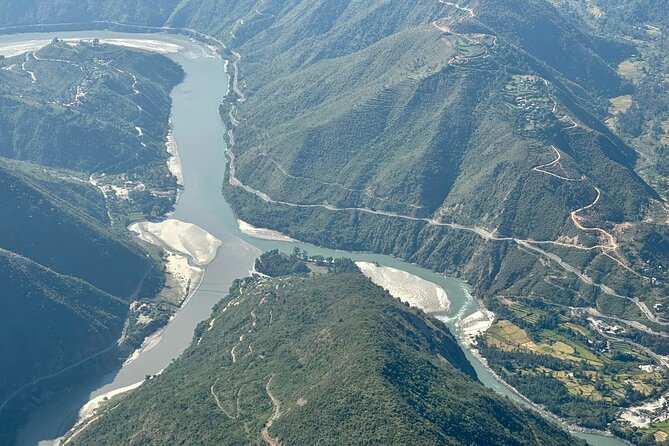
The route includes Chukhung as a stop while keeping acclimatization at the center of the day. This section brings you closer to the high mountain zone and gives you more time at altitude before Lobuche and Gorak Shep.
The information does not provide a detailed walking time for this day, so you should request the exact route and overnight plan. That is worth doing because Chukhung can be part of different route arrangements, and the final schedule may depend on weather, group pace, and local conditions.
The value here is not speed. A rushed schedule can make the highest section much harder. A measured day lets you gain experience with the thin air before the trail reaches the terminal moraine of the Khumbu Glacier.
Day 8: Along the Khumbu Glacier toward Lobuche
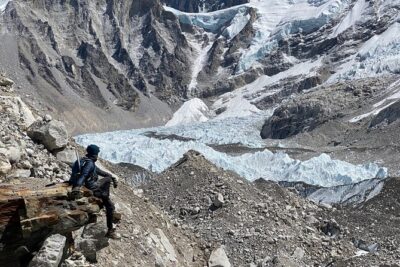
The route to Lobuche follows the terminal moraine of the Khumbu Glacier. The air grows colder and thinner, and the surroundings become more stark as you leave the lower forested sections behind.
Lobuche is a practical high-altitude stop before the push to Everest Base Camp. At this point, the trek becomes less about villages and more about rock, ice, moraine, and enormous peaks.
You should expect the walking to feel slow. The distance may not look dramatic on a map, but altitude changes the effort required. This is one reason the included porter support is valuable. You carry less, conserve energy, and can focus on your footing and breathing.
The trip is limited to a maximum of 15 people, which is a reasonable group size for a route where pace and health need close attention. It is still large enough for a social atmosphere, but smaller than a mass departure.
Day 9: Gorak Shep and Everest Base Camp
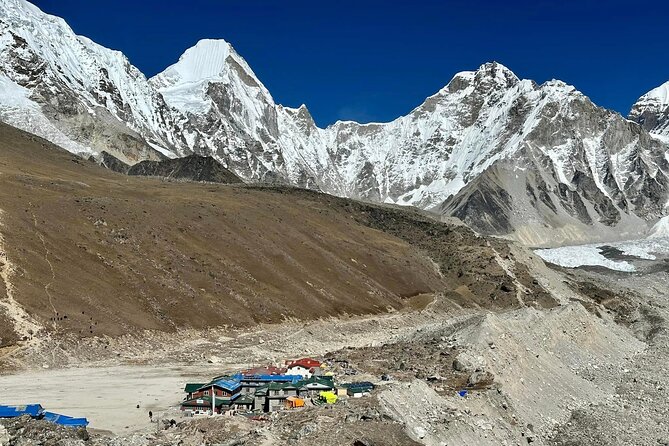
The trek reaches Gorak Shep, a small settlement at 5,164 meters. It is the last stop before Everest Base Camp and one of the highest points on the route.
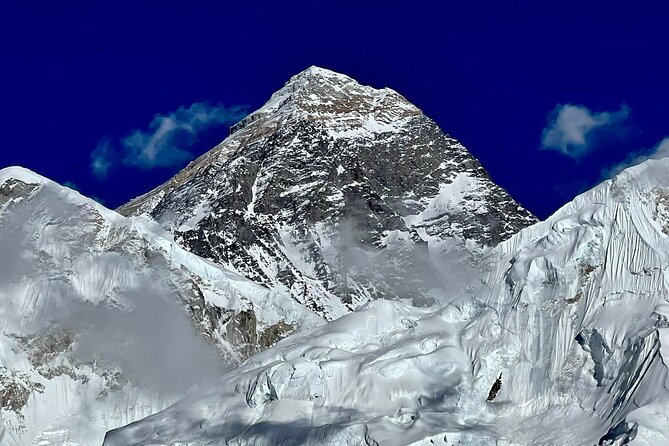
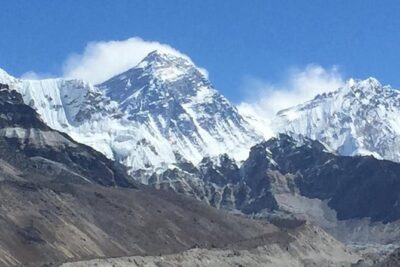
From there, you continue to Everest Base Camp. The walk is a major achievement, but it is important to set realistic expectations. Base Camp itself is not the summit, and the best broad view toward Everest comes from Kala Patthar the next morning.
The Base Camp section takes you through the Khumbu Glacier area and delivers the symbolic high point of the trek. You get close to the staging ground used by climbers, while the surrounding ice and rock make clear how demanding the mountain really is.
Gorak Shep is also where comfort becomes most valuable. At more than 5,000 meters, even a basic night can feel long. The trip promises luxury accommodation, but you should still ask what facilities are available at this altitude. Luxury in the high Himalayas is relative, and the package does not name the properties or list room amenities.
Day 10: Kala Patthar by helicopter, then return from Gorak Shep
You rise early for the Kala Patthar section, beginning with first light. Kala Patthar sits on the south ridge of Pumori above Gorak Shep and is one of the classic viewpoints of the Everest region.
The early start is worth understanding. Morning often offers the clearest light on the peaks, and the viewpoint gives you a stronger perspective toward Everest than Base Camp itself. The climb is short in the itinerary description, but the altitude makes it strenuous.
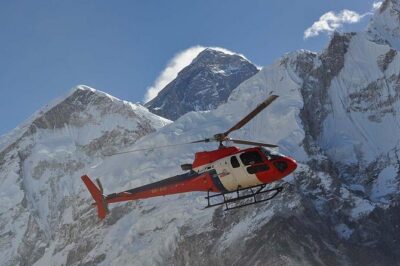
The day also includes a helicopter landing at Kala Patthar. The exact flight sequence should be confirmed, because the information separately describes the early hike and the helicopter return from Gorak Shep to Kathmandu. Either way, the helicopter transfer is the trip’s biggest time saver and a memorable way to leave the high valley.
Weather can disrupt helicopter plans. The operator may offer another date or a full refund if poor weather cancels the experience, but conditions can also cause delays or changes while the trip is underway. Keep your schedule flexible after the trek.
Day 11: Return to Kathmandu and onward travel
The final day is for airport transfer and your flight home. Since the return helicopter is listed as Gorak Shep to Kathmandu, the day should be much shorter than a full descent on foot.
Do not assume you can use the final day for a tight international connection without checking the schedule. Mountain flights depend on weather, and the trip information does not promise a fixed arrival time in Kathmandu.
Guides, porters, and the human side of the trek
The strongest part of a supported trek is often the local team. The package includes guides and porters, along with daily wages, insurance, and meals. That means you are not arranging separate porter payments or trying to solve every problem alone on the trail.
Past departures have highlighted the work of Prakash, Keshab, Babu, and Ram as guides, with Surya handling organization and local logistics. The praise focuses on careful arrangements, a feeling of safety, good food, and help when weather caused canceled flights.
That matters on Everest Base Camp routes. A good plan is useful, but the ability to adjust it matters just as much. One group dealt with weather and canceled flights, and the organizing team worked through the changes. Another group received help when two people developed mountain sickness. You should still take responsibility for your own health, but responsive local support is a real benefit.
Porters are part of the experience too. Treat them well, follow the company’s baggage guidance, and plan to tip the crew. Tips are not included in the price.
Who should book this trek?
This trip suits you if you want Everest Base Camp but have only 11 days, prefer organized logistics, and are willing to pay more for helicopter transfers and improved accommodation.
It also fits people who like having a guide, porter support, planned meals, and a group capped at 15. The included acclimatization days make the schedule more sensible than a rushed high-altitude itinerary.
You should think twice if you want a quiet solo wilderness trip, a low-cost trek, or a completely flexible schedule. You should also be realistic about fitness. The required level is moderate, but the altitude makes this far more demanding than an ordinary walking holiday.
Free cancellation is available up to 24 hours before the start time. Changes or cancellations inside that window are not refundable, and the activity can be changed or refunded if poor weather or an insufficient number of people forces cancellation.
Should you book it?
I would book this trek if your priority is seeing Everest Base Camp in a short window without giving up guide support and better lodging. The Namche and Dingboche acclimatization days, the Kala Patthar viewpoint, and the helicopter transfers create a strong 11-day plan.
I would not book it without confirming the exact hotels, helicopter schedule, baggage rules, and final day numbering. At $4,070, you deserve clear answers. If those details suit you and you understand that altitude still sets the limits, this is a practical luxury route through the Everest region.
FAQ
How long does the Everest Base Camp trek last?
The experience lasts approximately 11 days, beginning with airport pickup in Kathmandu and ending with transfer to the airport for your flight home.
How do I reach Lukla?
You transfer to Kathmandu Airport and fly by helicopter to Lukla on Day 2.
How do I return from the Everest region?
A helicopter transfer from Gorak Shep to Kathmandu is included in the package.
Is accommodation included?
Yes. Luxury accommodation during the trek is included. The specific properties and room details are not provided.
Are meals included?
The package includes eight dinners, eight lunches, and nine breakfasts. Meals in Kathmandu are not included except for breakfast and the farewell dinner.
Is travel insurance included?
No. Travel insurance is not included, so you need to arrange it separately.
How large is the group?
The activity has a maximum of 15 people.
Can I cancel for a full refund?
You can receive a full refund if you cancel at least 24 hours before the experience start time. Poor weather or failure to meet the minimum number of people may also lead to a different date or a full refund.
Just added around Kathmandu
- Traditional Momo Making Class★ 5.0 · 10 reviews
- Wildlife Adventure in Chitwan Nepal★ 4.0 · 4 reviews
- Walking tour of real Kathmandu through back streets.★ 5.0 · 3 reviews
- Kathmandu 2 Nights 3 Days Chitwan Jungle Safari Tour★ 5.0 · 9 reviews
- Kathmandu Street Food Walking Tour – Eat Like a Local★ 5.0 · 3 reviews
- Private Manaslu Circuit Trek at Himalayas★ 5.0 · 3 reviews
- Walking tour of Kathmandu with awesome local guides★ 5.0 · 4 reviews
- Visit Swayambhunath and Bauddhanath Stupa with Guide★ 5.0 · 5 reviews
Everest Base Camp Treks from Kathmandu, compared.
Everest Base Camp Trek with Helicopter Return from Gorakshep to Lukla
Read our review →Browse the lists this tour appears in