
Reviewed · ANNAPURNA TREKS FROM KATHMANDU
Annapurna Base Camp Trek
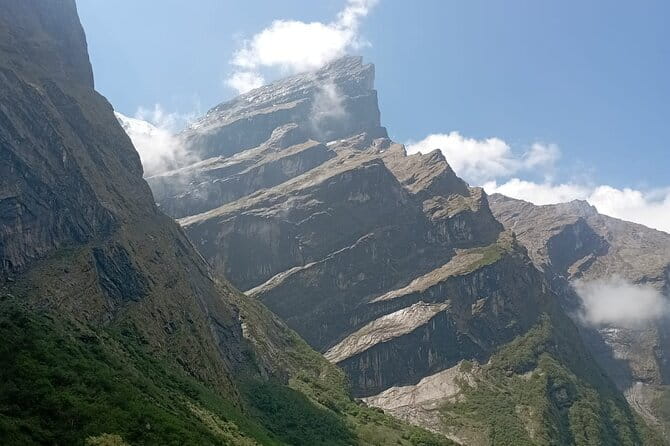
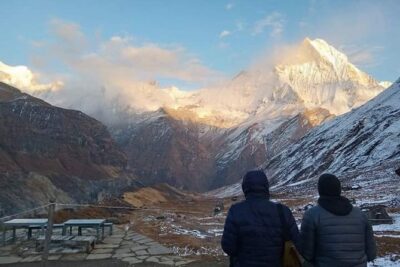
The big prize here is Annapurna Base Camp, reached after a steady walk through villages, forests, and high mountain country. The route adds a Poon Hill sunrise, so you get two strong mountain viewpoints instead of simply marching to the base camp and back.
I like the local guiding and the tidy package: permits, meals, porters, transfers, and basic Kathmandu lodging are included. I also like the private format, which lets your group set its own rhythm, with guides such as Rishi, Roshan Pandey, and Madan handling the practical work.
The main consideration is the pace. Ten days is a short schedule for a demanding high-altitude trek, and several days run five to seven hours. You need moderate fitness, patience for basic tea-house conditions, and a willingness to keep walking when the trail gets steep.
Key points worth knowing before you book
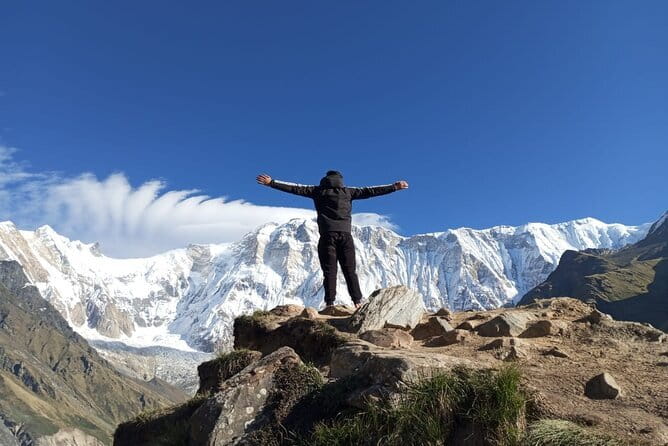
- Poon Hill sunrise adds a second mountain highlight before you reach Annapurna Base Camp.
- The $700 price covers major costs, including food, permits, guide, porter support, transport, and two Kathmandu hotel nights.
- The private group format gives your party a more personal trek than a large shared departure.
- The route includes long walking days, especially the climbs to Ghorepani, Deurali, and Annapurna Base Camp.
- Named guides include Rishi, Roshan Pandey, and Madan, with porters such as Arjun and Ganesh also praised for baggage support.
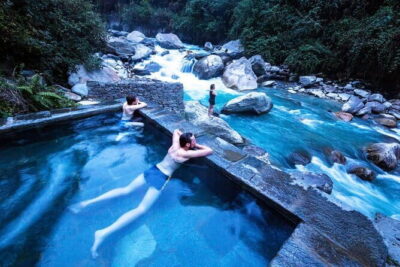
- Jhinu hot springs provide a welcome recovery stop near the end of the trek.
What this Annapurna trek is really like
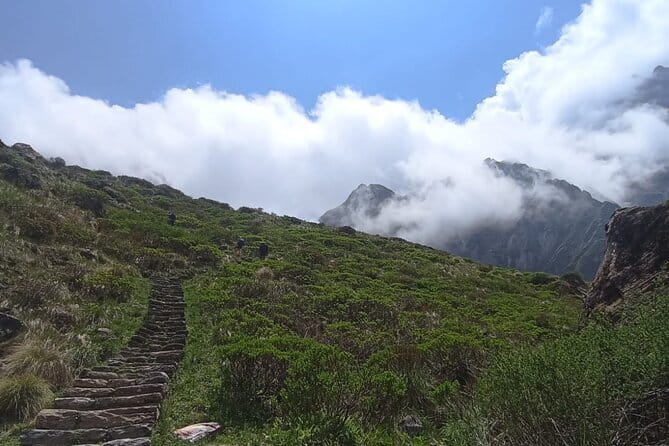
This is a full mountain journey, not a sightseeing tour with a few short walks. You begin in Kathmandu, travel to Pokhara, and then spend most of the trip on foot. The path rises through villages and wooded hills before reaching the dramatic bowl of Annapurna Base Camp.
The route is appealing because it mixes several kinds of Nepal. You see the busy starting point of Pokhara, walk through local settlements, pass forests and mountain ridges, and sleep in tea houses along the trail. The scenery changes often enough to keep the days from feeling like one long uphill push.
Touch The Himalaya Treks and Expedition provides a government-licensed guide trained in first aid. The company says its guides are local to the Annapurna region, which matters here. Trail decisions, weather changes, fatigue, and altitude all benefit from someone who knows the route rather than someone simply carrying a map.
This is also a private activity. Only your own group participates, which is useful if you want a quieter pace or need to discuss how you are feeling during the trek. It does not mean the walk is easy. It means the group arrangement is more personal.
More Annapurna treks:
- Annapurna Circuit Trek with Tilicho Lake
★ 5.0 · 368 reviews - Annapurna base camp trek 5 Days
★ 5.0 · 252 reviews - Annapurna Base Camp Trek
★ 5.0 · 111 reviews
Day 1: Kathmandu to Pokhara by road or flight
The first day is mainly about reaching Pokhara. By tourist bus or car, the trip takes about seven hours and follows the Trishuli River for much of the way. You get views of rural scenery along the road, though the journey can feel long after an international flight or a busy morning in Kathmandu.
A flight is also offered as an option. The information provided does not give a flight duration or say whether its cost differs, so confirm that before booking. If you take the road, treat this as a travel day, not a gentle introduction to trekking.
Pokhara is the practical gateway for the Annapurna region. The overnight stop breaks up the trip before you reach the trailhead, and that is a useful choice for a ten-day program.
Day 2: Nayapul to Ulleri, your first real climb
After breakfast, you drive for about an hour to Nayapul. From there, the trek begins, following the Modi Khola River and passing through villages on the way to Ulleri.
The listed walking time is about five hours, though the route description also emphasizes the climb. This is where your legs begin to understand the trip. You move from road travel into a steady mountain rhythm, with village life and river views replacing vehicles.
Ulleri is an important first night because it puts you higher before the next day’s push to Ghorepani. You should use the evening to organize your day bag, refill water, and keep your expectations realistic. The goal is not speed. It is to arrive ready for the next climb.
Day 3: Ulleri to Ghorepani through the forest

The walk to Ghorepani takes around five to seven hours. The trail passes through wooded areas and opens at times to views of the Annapurna range.
This is one of the more scenic sections, but it is not a free stroll. You are gaining height, and the combination of uphill walking and uneven ground can make the day tiring. The supplied schedule gives both five hours and six to seven hours in different descriptions, so allow extra time rather than planning tightly around the shorter figure.
Ghorepani is best known as the base for the early walk to Poon Hill. That early start is worth accepting because it gives the trip one of its most memorable moments.
More day hikes and treks in Kathmandu:
- Everest Base Camp Trek – 14 Days
★ 5.0 · 1,499 reviews - Everest Base Camp Trekking
★ 5.0 · 485 reviews - Nagarkot Sunrise View and Day Hiking from Kathmandu
★ 5.0 · 471 reviews - Everest Base Camp Trekking – 13 Day
★ 5.0 · 365 reviews
Day 4: Poon Hill sunrise and the walk to Tadapani
You rise early for Poon Hill, where the aim is to watch sunrise over the Annapurna and Dhaulagiri ranges. You then return to Ghorepani for breakfast before continuing toward Tadapani.
The walking time is listed at about four hours, though the day has two distinct parts: the pre-sunrise climb and the later trek. The short number can therefore feel misleading. You are starting before breakfast and continuing after it.
I like this addition because Poon Hill changes the shape of the trip. You get a broad mountain view early in the trek, then later reach Annapurna Base Camp from inside the mountain region. If weather blocks the sunrise, the early effort may feel less rewarding, but the route still carries you toward Tadapani.
Day 5: Tadapani to Sinuwa
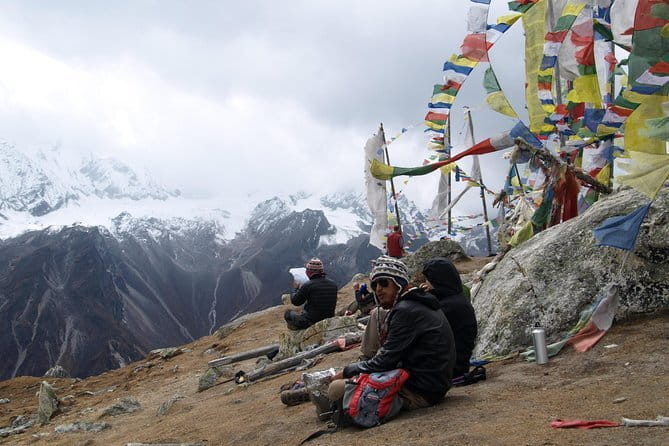
This six to seven-hour section descends through forest and passes several small villages. After the climb to Ghorepani and the morning at Poon Hill, the downhill sections can feel welcome, although long descents can also be hard on knees.
Sinuwa is a practical overnight point on the route toward the base camp. You will still have plenty of walking ahead, but the trail is now taking you farther into the Annapurna area rather than simply crossing the lower hills.
The forests give this section a different mood from the exposed mountain views around Poon Hill. Keep snacks close. The tour specifically advises carrying light snacks and chocolate for energy on long days.
Day 6: Sinuwa to Deurali
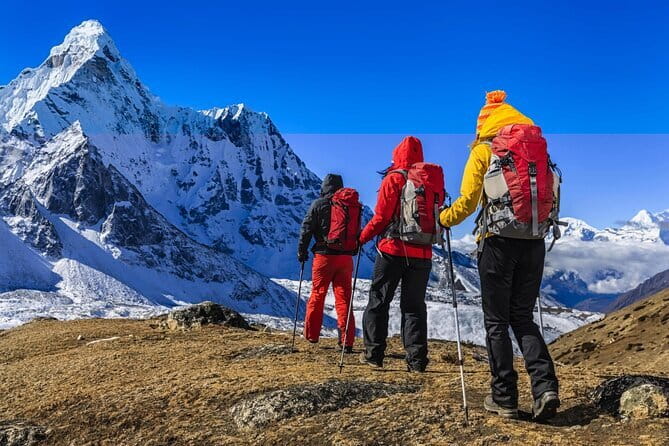
The route from Sinuwa to Deurali takes around five to six hours and climbs through forest toward rougher country. The itinerary says you cross the Khumbu Glacier, although the Annapurna route is more commonly associated with other glacier and river crossings. Ask the operator to clarify the exact crossing before departure.
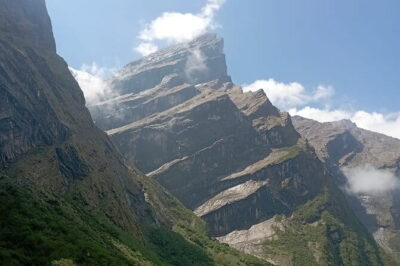
The important point is that the character of the trail changes here. You are moving away from the softer forest setting and toward the higher, more rugged section before base camp. The closer you get to Deurali, the more important it becomes to walk steadily and tell your guide if you feel unwell.
Your guide carries a first-aid kit and is responsible for helping manage high-altitude conditions. That support is valuable, but it is not a replacement for your own caution. Drink regularly, eat even when your appetite drops, and do not hide symptoms to keep the schedule.
Day 7: Deurali to Machapuchare Base Camp and Annapurna Base Camp
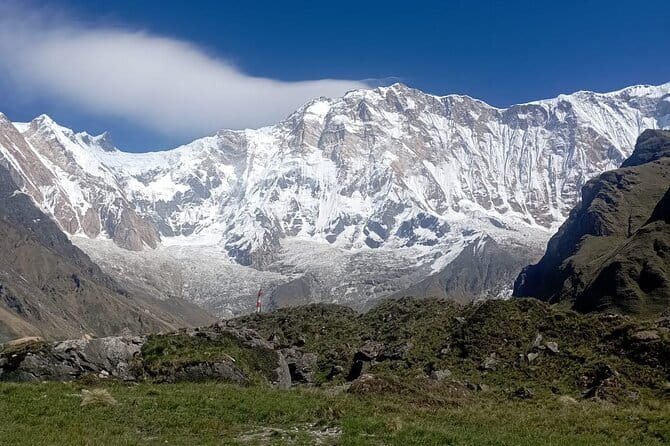
This is the major day. You walk from Deurali through Machapuchare Base Camp before reaching Annapurna Base Camp, with the full section taking about six to seven hours.
The route brings you into the high mountain setting that defines the trek. The closer you get to ABC, the more the surrounding peaks dominate the view. This is the day when the previous climbs, early mornings, and long transfers make sense.
Do not treat the base camp as a quick photo stop. The schedule allows an overnight stay, giving you time to take in the setting and rest before descending. Conditions at altitude can make this day harder than the time estimate suggests, especially if the weather changes or you are still adjusting.
Roshan Pandey is specifically credited with helping one group complete the demanding ten-day schedule. That detail gives you a useful sense of the guide’s role: keeping the group moving, watching its condition, and handling the small problems that can otherwise slow a trek.
Day 8: Annapurna Base Camp to Sinuwa
After the base camp visit, you retrace the trail toward Sinuwa. The walk takes about six to seven hours.
Descending does not always mean easy. Your legs may be tired, and loose or uneven sections can require care. Still, the return often feels lighter because the highest goal is behind you. You can look back on the route with a clearer sense of how much ground you covered.
The schedule places you back at Sinuwa, which makes Day 9 a more manageable final trekking section before the road transfer to Pokhara.
Day 9: Sinuwa to Jhinu, hot springs, and Pokhara
You trek from Sinuwa to Jhinu in about five to six hours. Once there, you can rest in the nearby natural hot springs before driving one to two hours to Pokhara.
Jhinu is a smart final stop. After several long days, the hot springs offer a chance to loosen tired muscles before the road journey. The route information does not say how long you stay at the springs, so ask your guide how much time is available on your departure date.
The drive to Pokhara comes in the afternoon, followed by an overnight stay. This is a useful buffer before the final return to Kathmandu, especially if road conditions or fatigue affect the day.
Day 10: Pokhara to Kathmandu
The final transfer is by scenic road, taking about seven to eight hours, or by short flight. Once you reach Kathmandu, you have free time for shopping or exploring before departure.
The road option is another long travel day, so consider the flight if your budget and schedule allow. Since the tour includes airport pickup and drop-off plus two nights of Kathmandu accommodation, the arrangement is built for visitors who want help with the full trip rather than only the mountain walking.
The tour begins from Thamel at 6:15 a.m. and ends back at the same meeting point. Confirm the exact return and airport timing if you have a fixed international departure.
What the $700 price covers
At $700, the value depends heavily on how much of the included support you would otherwise arrange yourself. The package includes airport pickup and drop-off, two Kathmandu hotel nights, trekking permits and required fees, three daily meals during the trek, guide and porter costs, transport, and guide and porter insurance, food, and accommodation.
You also receive a duffel bag to return after the trip, trekking maps, and a basic first-aid kit carried by the guide. Those items reduce the amount of gear and planning you need to organize before setting out.
The price does not include tips or gratuities for the guide and porter team. Meals are included during the trek, although the additional information says you can buy meals in tea houses. That wording is worth clarifying: ask what the included meal arrangement covers and what you may need to pay for separately.
For a private ten-day trek with permits, staff, transport, food, and lodging support, the price looks strong on paper. The trade-off is that you should not expect a luxury mountain holiday. Tea-house trekking is practical and basic, and the program is packed into a short time.
Guides, porters, and the human side of the trek
The strongest part of this experience is the staff structure. Guides named in the trip’s feedback include Madan, Rishi, Roshan Pandey, and Moti. Porters Arjun and Ganesh are also identified as helping move baggage between camps.
Madan is described as staying available for questions and helping a solo woman feel safe while traveling. Rishi is credited with taking careful charge of a nine-day trek. Roshan Pandey helped keep a difficult ten-day ABC trek on track, while Moti was praised for kindness and organization on another Nepal trek.
These details do not guarantee which guide you will receive. They do show the level of personal support the company aims to provide. Confirm your guide’s name, porter arrangement, and baggage weight limit before departure.
Who should book this route
This trek suits you if you want a guided Himalayan walk but do not want to arrange permits, food, transport, and porters independently. It also suits a private group, a family with reasonable fitness, or a solo trekker who prefers organized support.
You need a moderate fitness level and should be comfortable walking five to seven hours on several days. The schedule is not designed for a slow, leisurely approach. If you want more rest days or extra altitude adjustment, ask if the itinerary can be extended.
Pack light but carry the essentials listed by the operator: water bottles, sunglasses, a charger, and energy snacks such as chocolate. You should also confirm what personal clothing and sleeping equipment you need, since the included information does not provide a full packing list.
Should you book the Annapurna Base Camp Trek?
Book it if you want a tightly arranged ten-day route with Poon Hill, Annapurna Base Camp, and Jhinu hot springs in one trip. The $700 cost is appealing because it includes the major working parts of a trek, and the private format gives you direct support from your guide.
Think twice if you dislike long travel days, basic tea-house lodging, or a firm schedule. Before paying, confirm the guide assignment, the flight or road transfer costs, meal details, baggage limits, and the unusual glacier reference in the itinerary.
If those points are clear and you are ready for sustained uphill walking, this is a practical way to experience the Annapurna region without carrying the full burden of planning yourself.
FAQ
How long does the Annapurna Base Camp Trek take?
The trip takes approximately 10 days, including travel between Kathmandu and Pokhara, the trek to Annapurna Base Camp, the return to Pokhara, and the final journey to Kathmandu.
What is included in the $700 price?
The price includes airport pickup and drop-off, two Kathmandu accommodation nights, breakfast, lunch, and dinner during the trek, trekking permits and required fees, a licensed guide, porter costs, transport, a duffel bag, trekking maps, and a basic first-aid kit.
Is the tour private?
Yes. Only your group participates in the activity.
Where does the tour start?
The meeting point is in Thamel, Kathmandu 44600, Nepal. The stated start time is 6:15 a.m., and the activity ends back at the meeting point.
Is Poon Hill part of the route?
Yes. You hike to Poon Hill early on Day 4 for sunrise views over the Annapurna and Dhaulagiri mountain ranges before returning to Ghorepani for breakfast.
What level of fitness do I need?
You should have a moderate level of physical fitness. Several trekking days take about five to seven hours, and the route includes sustained ascents, descents, and high-altitude walking.
Just added around Kathmandu
- Traditional Momo Making Class★ 5.0 · 10 reviews
- Wildlife Adventure in Chitwan Nepal★ 4.0 · 4 reviews
- Walking tour of real Kathmandu through back streets.★ 5.0 · 3 reviews
- Kathmandu 2 Nights 3 Days Chitwan Jungle Safari Tour★ 5.0 · 9 reviews
- Kathmandu Street Food Walking Tour – Eat Like a Local★ 5.0 · 3 reviews
- Private Manaslu Circuit Trek at Himalayas★ 5.0 · 3 reviews
- Walking tour of Kathmandu with awesome local guides★ 5.0 · 4 reviews
- Regular Yoga for all levels of practitioners in Kathmandu★ 5.0 · 4 reviews
Annapurna Treks from Kathmandu, compared.
Kathmandu to Annapurna Base Camp (ABC) 5-Day Trek
Read our review →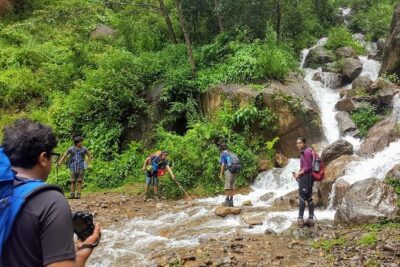
Browse the lists this tour appears in