
Reviewed · KATHMANDU COOKING CLASSES
The best Private Nepali Cooking Class in Kathmandu
Kathmandu’s best food lesson may take you away from the city center and into Kalpana’s family home and garden, where cooking feels like part of daily life rather than a staged demonstration. You’ll select seasonal ingredients, grind spices, prepare a Nepali meal, and sit down with the family to eat what you made.
I especially like the private format, since Kalpana can adjust the menu for vegetarian diners and other dietary needs. I also like that the class teaches the work behind the food, from pounding ginger and garlic to grinding whole spices. The main consideration is that traditional Nepali cooking takes time and effort, so this is hands-on kitchen work, not a quick tasting session.
Key points to know before booking
- A real family setting: You cook in Kalpana’s home, with time in the garden and personal contact with her family.
- Pickup and drop-off included: A private vehicle takes you from your hotel or homestay and back.
- A full half-day experience: Allow about 4 hours and 30 minutes, including cooking, eating, and conversation.
- Expect a generous meal: Breakfast beforehand may leave you too full, since lunch is part of the class and portions can be substantial.
- The menu can vary: Dal bhat, momos, vegetables, chicken, pickles, papad, sel roti, and masala tea are all associated with the experience, but the exact dishes may depend on the day and your dietary needs.
- Recipes come with you: PDF recipes help you repeat the dishes at home.
From Kathmandu streets to Kalpana’s kitchen
The experience begins with hotel or homestay pickup in Kathmandu. You travel by private vehicle to the family home, which is described in the experience as being in a quieter suburban or countryside setting away from the intensity of the city.
That change of pace matters. Kathmandu can be noisy, crowded, and tiring, especially after a trek or a full day among temples. Here, the setting gives you room to slow down. You are not simply watching a chef prepare food behind a counter. You are entering a household where the garden, kitchen, and dining table are all part of the lesson.
Kalpana is the central host, with help from members of her family, including her son and daughter. The family’s role is one of the strongest parts of the experience. You have the chance to ask about food, customs, and everyday life while you work, rather than receiving only a prepared speech about Nepali culture.
The class is private, so only your own group takes part. That makes it a good choice for couples, families, and small groups who want to ask questions freely or work at their own pace.
More cooking classes in Kathmandu:
- Half day cooking class in Thamel kathmandu
★ 5.0 · 607 reviews - Kathmandu: Local Women-Led Nepali Cooking & Momo Class
★ 4.9 · 360 reviews - Kathmandu: Local Lead Nepali Cooking & Momo-Making Class
★ 5.0 · 212 reviews
Tea, coffee, and a look at the garden
On arrival, you settle in with homemade masala tea or coffee. This is a useful opening because it gives you time to meet the family before the chopping begins.
You then select ingredients from the garden and prepare the food with seasonal vegetables. The garden is not just decoration. It helps explain how closely Nepali home cooking is tied to fresh produce and daily household work. You get to see the ingredients before they are washed, chopped, spiced, and served.
The experience also describes a visit to a local market and private organic farm to choose ingredients. The exact order may vary, but the central idea is clear: you take part in selecting the food instead of arriving to find every ingredient already measured.
This is one of the parts I find most useful. In a restaurant class, you learn a recipe. Here, you also learn how a household thinks about ingredients, freshness, and the balance of a meal.
Grinding spices instead of reaching for a packet
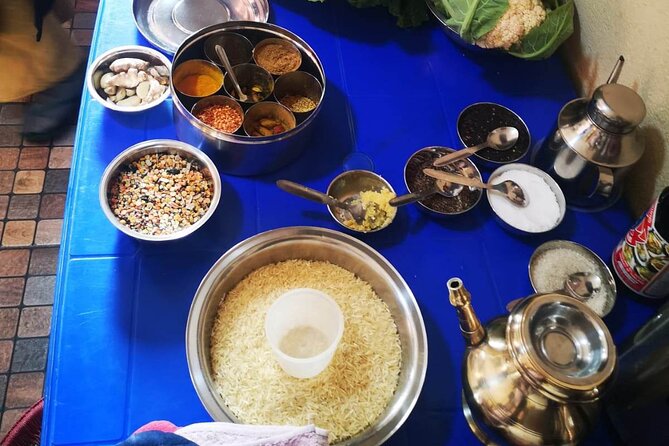
The cooking starts with basic preparation, including chopping vegetables and making masala. You may grind whole spices and pound fresh ginger and garlic by hand.
This work takes longer than opening a jar, but that is the point. Nepali cooking often builds flavor through these small steps. You can see, smell, and taste how the ingredients change as they are crushed and combined.
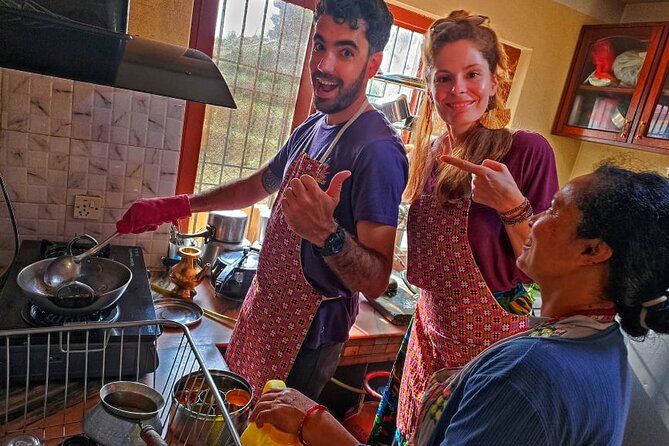
The class is intended to be interactive. You are encouraged to ask questions, take photographs and videos, and perform the tasks yourself. Kalpana demonstrates techniques and then has you try them, explaining not just what to do but why a particular step matters.
Be ready for a little kitchen fatigue. Traditional dal bhat can be labor-intensive, and grinding, chopping, stirring, and shaping dumplings require real participation. If you prefer to sit back and watch, this may feel demanding. If you want to learn a method you can repeat at home, the effort is worthwhile.
Making a Nepali home meal
The exact menu may change, but the experience centers on familiar Nepali dishes. Dal bhat, the country’s well-known combination of rice and lentil soup, is a major part of the class. You may also prepare seasonal vegetables, spinach, chicken, pickle, and fried papad.
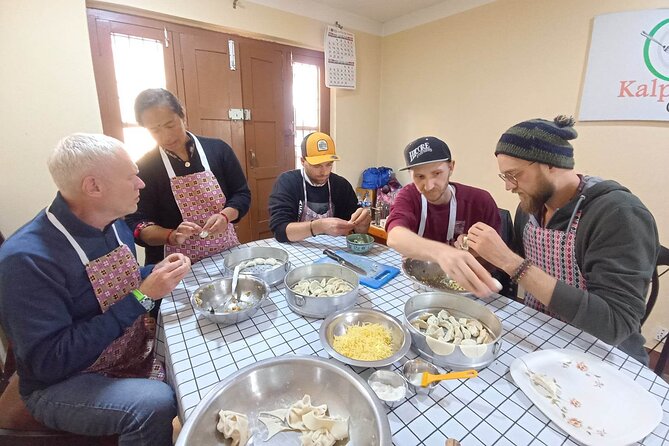
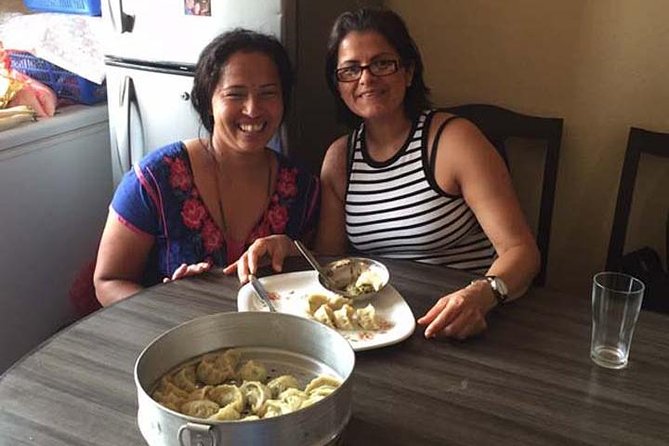
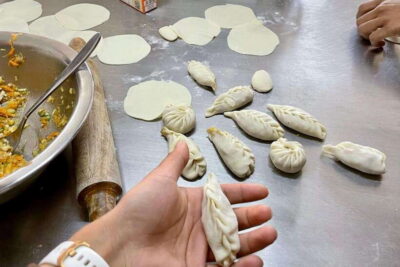
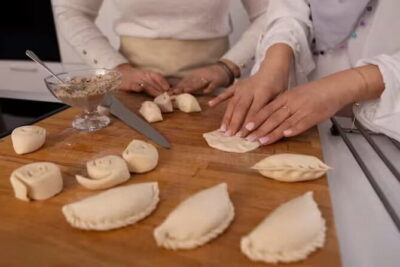
Momos are another important possibility. Several class descriptions and guest experiences include making steamed dumplings, sometimes with more than one filling or style. You shape the dough, prepare the filling, and learn how the dumplings are assembled before steaming.
The experience also mentions sel roti, a sweet fried rice bread, and masala tea. The detailed meal description lists plain rice, dal soup, seasonal vegetables, spinach, chicken, pickle, and papad, while other accounts describe dal bhat and momos. Since the menu is not presented as one fixed set for every booking, I would confirm your preferred dishes when you reserve.
That flexibility is helpful. A vegetarian meal is available, and specific dietary requirements can be discussed in advance. Kalpana has adjusted menus for dietary preferences, so tell the provider clearly what you need at booking time rather than waiting until you arrive.
Same city, a completely different sort of day:
- Everest Base Camp Trek – 14 Days
★ 5.0 · 1,499 reviews - Private Kathmandu Sightseeing Tour | UNESCO World Heritage sites
★ 5.0 · 756 reviews - Everest Base Camp Helicopter Tour landing at Everest View Hotel
★ 5.0 · 668 reviews - Everest Base Camp Trekking
★ 5.0 · 485 reviews
Lunch is part of the lesson
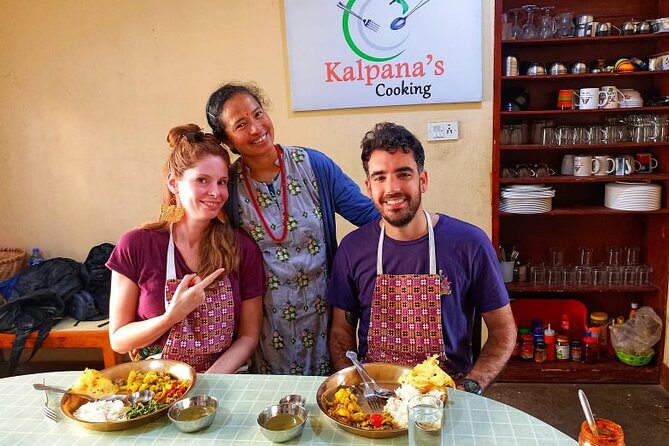
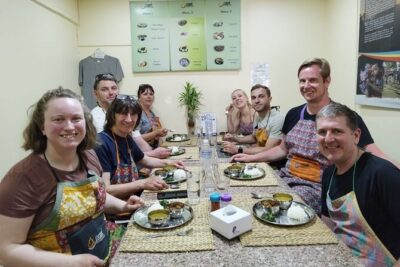
Once the dishes are ready, you eat the meal you prepared. This is not a small sample plate. The class includes lunch, and the amount of food can be generous.
A practical tip: do not plan a large breakfast before this experience. You will be working toward a full meal, and the cooking itself is part of the day’s food experience.
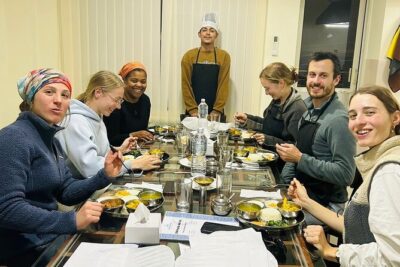
Eating together also changes the mood of the class. You are not simply leaving with a recipe card after a demonstration. You share the table with Kalpana and her family, which creates room for conversation about Nepali meals and customs.
Dal bhat is especially meaningful in this setting because it is a daily staple for many Nepali people. Learning how it is prepared gives you more context when you order it in a restaurant or encounter it during a trek. You begin to understand it as a complete household meal, not just rice with a side of lentils.
Why the family setting matters
Kathmandu offers many ways to see monuments, temples, and historic neighborhoods. A cooking class offers a different kind of cultural contact. You spend time in a home, see a garden, work beside family members, and share food at the end.
That does not make the class a substitute for visiting Kathmandu’s major sights. It does give you a more personal look at ordinary routines. The experience is strongest for people who want conversation and participation, not just photographs.
The family also adds warmth to the day. Kalpana’s son and daughter may help with the lesson, and the interaction can continue beyond the formal cooking period. One account describes being invited back for a barbecue and taking part in a family puja, though those should not be treated as standard parts of the booking.
You should also keep expectations realistic. This is a home-based class, not a polished cooking school with a professional training kitchen. That is precisely its appeal, but it may also mean a more informal setting and a less rigid schedule.
The practical value of $24
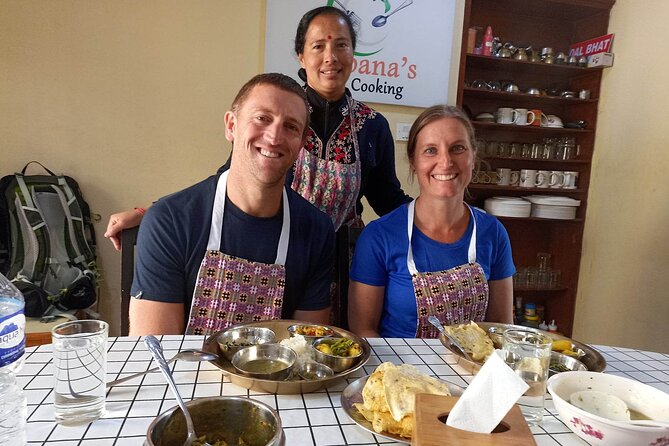
At about $24 per person, the price is strong for what is included. You receive hotel or homestay pickup and drop-off, private transportation, tea or coffee, the cooking lesson, lunch, and PDF recipes.
The private vehicle and meal alone make the cost easier to justify. You are also paying for several hours of instruction and personal attention rather than a short group demonstration.
The value is best for people who will use the recipes later. If you cook at home, the PDF recipes turn the experience into something useful after Nepal. You can try the dal, vegetables, momos, or other dishes again instead of letting the class remain a one-time meal.
The class is also a sensible choice for a first full day in Nepal. It can help you understand food customs and make better choices during the rest of your visit. Just remember that the activity lasts about four and a half hours, so do not schedule it alongside another major half-day tour.
Who should book this class
I would recommend it most strongly to:
- Couples and families who enjoy cooking together
- People interested in local homes and everyday food
- Visitors who want a slower activity after trekking
- Vegetarians and diners with dietary needs who arrange this in advance
- Anyone who wants recipes and cooking skills, not only a meal
- Small private groups who prefer asking questions without strangers present
It may be less suitable if you want a fast, central Kathmandu activity or a formal chef-led lesson. The drive away from the city is part of the appeal, but it adds time. The cooking is active and can be laborious, so do not book it expecting to remain seated.
The class is also a good match for parents and older children who enjoy practical activities. The private setting allows the family group to work together, and the recipes give children a way to repeat the experience at home.
Timing, weather, and cancellation details
Plan on approximately 4 hours and 30 minutes from pickup through the end of the meal. Hotel transfers are included, but you should provide accurate accommodation details when booking.
Confirmation is provided at the time of booking. Free cancellation is available up to 24 hours before the local start time. Cancellations or changes made within 24 hours are not accepted for a refund.
The activity requires good weather. If poor weather causes cancellation, you are offered another date or a full refund. Vegetarian meals and other dietary requirements should be requested when booking.
The experience is recommended by 99 percent of its published participants and has a five-star rating based on 83 reviews. Those figures suggest a very dependable experience, but the more useful point is the consistent praise for the family welcome, hands-on work, garden setting, and food.
Should you book Kalpana’s cooking class?
Book it if you want to meet a local family, work with Nepali ingredients, and eat a complete meal that you helped prepare. The strongest features are the home setting, private format, garden ingredients, flexible food options, and the chance to learn techniques rather than simply watch.
I would especially choose it early in a Nepal trip, when the meal and cultural conversation can help you understand what you will encounter later. Bring an appetite, leave room in your schedule, and tell Kalpana about dietary needs before arrival.
Skip it only if you want a short activity in central Kathmandu or prefer a polished restaurant-style class. For an authentic, good-value half-day built around food and family hospitality, this is an easy recommendation.
FAQ
Where does the cooking class take place?
The class takes place in Kalpana’s local family home in the Kathmandu area, with access to the family garden.
Is hotel pickup included?
Yes. Pickup and drop-off from your hotel or homestay are included.
Is transportation provided?
Yes. Transportation is provided by private vehicle.
How long does the experience last?
The cooking class lasts approximately 4 hours and 30 minutes.
Is the class private?
Yes. Only your own group participates in the activity.
What food will I learn to prepare?
The food may include dal bhat, rice, dal soup, seasonal vegetables, spinach, chicken, pickle, papad, momos, sel roti, and masala tea. The exact menu can vary.
Is a vegetarian option available?
Yes. A vegetarian option is available, but you should request it when booking.
Can the class accommodate dietary requirements?
Yes. Specific dietary requirements can be discussed, but you should advise the provider at the time of booking.
Is lunch included?
Yes. Lunch is included, along with morning tea or coffee and all food used in the class.
Do I receive the recipes?
Yes. PDF recipes are provided so you can recreate the dishes at home.
How much does the experience cost?
The listed price is $24 per person.
What is the cancellation policy?
You can cancel at least 24 hours before the start time for a full refund. Cancellations or changes made less than 24 hours before the start time are not refunded. If poor weather causes the activity to be canceled, you are offered another date or a full refund.
Just added around Kathmandu
- Traditional Momo Making Class★ 5.0 · 10 reviews
- Wildlife Adventure in Chitwan Nepal★ 4.0 · 4 reviews
- Walking tour of real Kathmandu through back streets.★ 5.0 · 3 reviews
- Kathmandu 2 Nights 3 Days Chitwan Jungle Safari Tour★ 5.0 · 9 reviews
- Kathmandu Street Food Walking Tour – Eat Like a Local★ 5.0 · 3 reviews
- Private Manaslu Circuit Trek at Himalayas★ 5.0 · 3 reviews
- Walking tour of Kathmandu with awesome local guides★ 5.0 · 4 reviews
- Visit Swayambhunath and Bauddhanath Stupa with Guide★ 5.0 · 5 reviews
Kathmandu Cooking Classes, compared.
Best Nepali Cooking Class in Thamel with Local Market Trip
Read our review →Browse the lists this tour appears in