
Reviewed · KATHMANDU COOKING CLASSES
Women Empowerment Project(Nepali cooking class & jewelry workshop
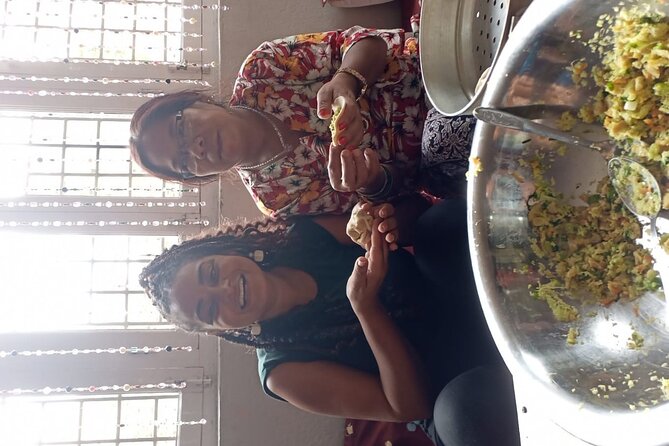
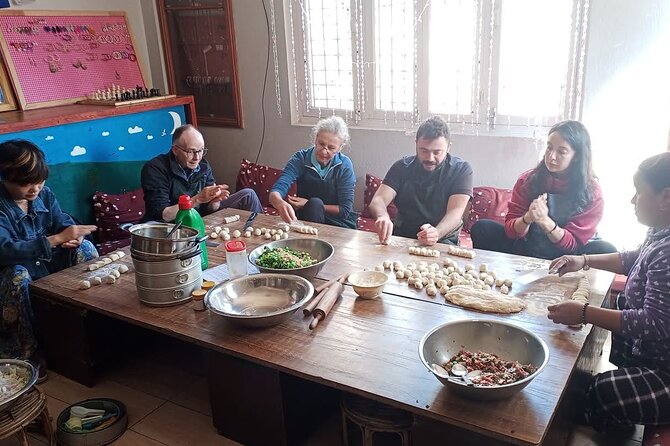
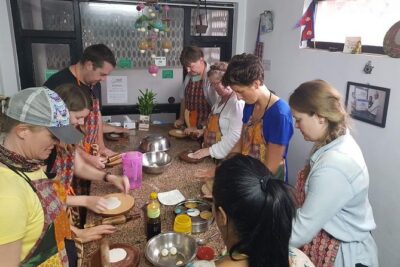
Kathmandu’s momo-making class does more than put lunch on your plate. You prepare masala chai, pakoda, and several kinds of momos with women connected to the Human Welfare Committee, then sit down to eat what you made. The second session shifts from food to hands-on jewelry work.
I like the personal scale and the clear social purpose. I also like that the food is not just demonstrated from a distance: you shape and cook the momos yourself, with guides including Buddha, Tara, Aastha, and Syanbi, known as the Momo Queen. The main thing to check is the schedule, since the published times use both 11:00 pm and midday times, while the program clearly reads like a daytime activity.
Key points at a glance
- Two different half-day sessions: Cooking comes first, followed by a separate jewelry workshop on the second day.
- Three Nepali foods to make: Prepare masala chai, pakoda, buff momos, and vegetable momos before lunch.
- A personal teaching team: Buddha, Tara, Aastha, and Syanbi are named as part of the cooking experience.
- A social purpose: Your $50 booking supports the work of the Human Welfare Committee and its women’s empowerment programs.
- Private participation: Only your own group takes part, rather than joining a large public class.
- Simple central meeting point: Both sessions begin and end at We Handicraft in Paknajol, Kathmandu.
Cooking momos with the Momo Queen
Momos are Nepal’s beloved dumplings, and this class puts them at the center of the day. You begin with an introduction at the Human Welfare Committee, then move into the kitchen for a cup of masala chai.
That opening drink is a smart choice. Masala chai gives the class a gentle start and introduces you to a familiar part of South Asian food culture before the more involved cooking begins. You are not rushed straight into folding dumplings, and the warm drink gives everyone time to meet the people leading the session.
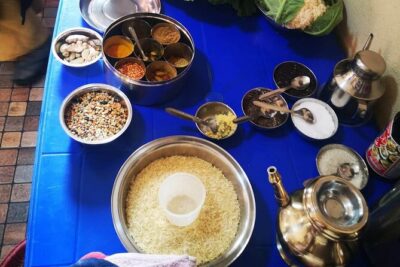
The next dish is pakoda, a Nepali snack made by cooking a seasoned mixture until crisp. The supplied schedule allows about 30 minutes for this step, followed by the main momo preparation. The menu is useful for anyone hoping to recreate the experience at home, since it includes more than one recipe and gives you a small taste of Nepali snack food as well as the famous dumpling.
The class then turns to buff momos and vegetable momos. In Nepal, buff refers to water buffalo meat, so this is an important point for anyone with dietary restrictions or personal preferences. Vegetarian momos are included, but you should tell the organizers clearly in advance if you need to avoid meat or if you require a fully vegetarian cooking surface.
Syanbi is known during the class as the Momo Queen, and Aastha is also named among the people guiding the session. The most useful part of this kind of teaching is the practical help with technique. Momo dough and filling can look easy when someone else does it, but shaping neat dumplings takes a little practice. Expect guidance rather than a polished restaurant demonstration.
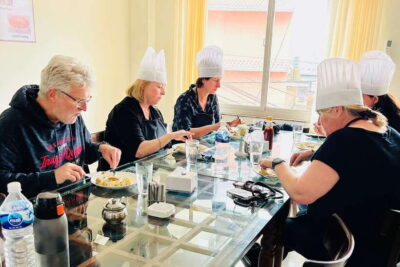
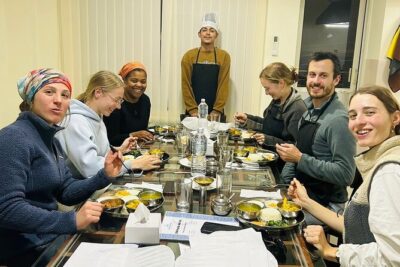
The cooking session ends with lunch at about 1:30 pm according to the published schedule. You eat the dishes you have made, including the momos and pakoda, rather than receiving a separate meal prepared entirely in advance. That makes the food taste better in a simple way: you have handled the ingredients, worked through the folds, and seen the meal come together.
More cooking classes in Kathmandu:
- Half day cooking class in Thamel kathmandu
★ 5.0 · 607 reviews - Kathmandu: Local Women-Led Nepali Cooking & Momo Class
★ 4.9 · 360 reviews - Kathmandu: Local Lead Nepali Cooking & Momo-Making Class
★ 5.0 · 212 reviews
Why the cooking session works so well
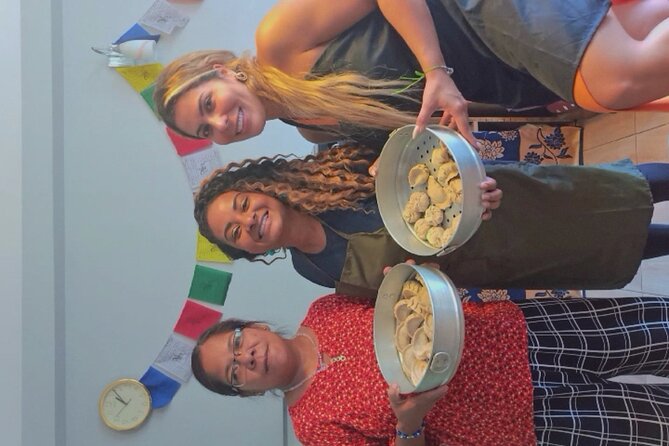
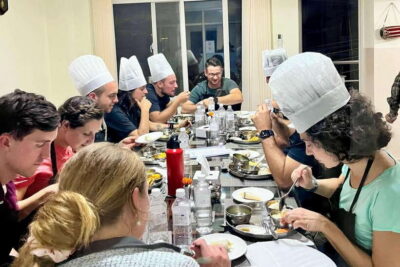
I like this class because it joins food with conversation. You are not simply checking off a local dish. You have a reason to sit with the teachers and other people in the room, and the meal gives everyone an easy subject to talk about.
The tone also seems suited to people who do not usually enjoy group activities. The experience is private for your own booking, but the lunch can include project members, volunteers, and children connected with the organization. That means you should expect a social setting, even though you are not placed in a large tour group.
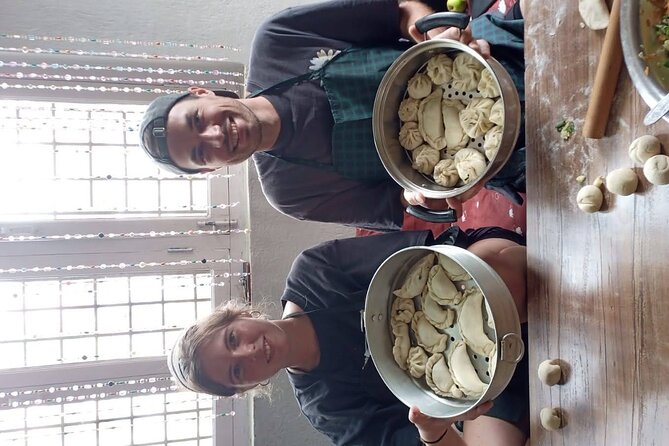
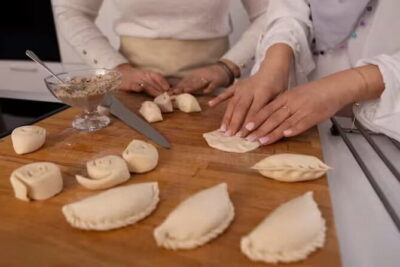
The instruction is described as patient and easy to follow. That matters for momos, which can be fiddly at first. You might produce a few irregular dumplings, but that is part of the fun. The point is not to make every piece look like it came from a professional kitchen. It is to learn enough of the method to try the dish again at home.
The food receives the strongest praise. The combinations of buff, potato, and vegetable fillings give you more variety than a class focused on one dumpling alone. One of the listed cooking experiences includes potato momos as well as buff and vegetable versions, although the formal schedule specifically names buff and vegetable momos. The exact menu may therefore depend on the day and available ingredients.
A second day with handmade jewelry
The jewelry workshop takes place on the second day at the same Human Welfare Committee location. The available details are shorter than the cooking schedule, but the main idea is clear: you create your own piece rather than simply watching someone else work.
This is a useful companion to the food class. Cooking is lively and time-sensitive, while jewelry work gives you more room to focus on design and hand skills. You can attend as a complete beginner or use the session to improve skills you already have.
The workshop is also a good choice if you want something tangible to take away. A meal disappears at lunchtime, but a handmade jewelry piece can remind you of Kathmandu after you leave. The exact materials, piece options, and finished size are not specified, so ask what is included before you book if those details matter to you.
The social side is part of the appeal. The workshop has been described as comfortable for someone who was initially worried about speaking with a teacher or other participants. The setting appears friendly and low-pressure, with making jewelry serving as a natural way to start conversations.
One practical point: the two sessions are listed as separate three-hour activities on two days. Do not assume you can compress both into one afternoon. Plan for cooking on the first day and jewelry making on the second unless the provider confirms another arrangement.
The women’s empowerment purpose
The Human Welfare Committee presents this experience as part of a women’s empowerment project. That gives your booking a purpose beyond eating lunch and making a souvenir. The money helps fund the organization’s work with women and children, according to the information provided.
You should still approach the social purpose with respect. This is not a formal lecture on development work, and the description does not promise a detailed tour of the organization’s projects. The value comes through the people teaching, the work being supported, and the direct setting in which you take part.
I especially like that the program does not separate the cause from the activity. You are not asked to sit through a long presentation before being handed a brochure. You learn a local recipe from people connected to the project, share food, and take part in a creative workshop. That makes the contribution feel linked to the work itself.
At the same time, you may want to ask how the $50 fee is allocated if the financial side is important to your decision. The supplied information says the cooking class helps fund the organization, but it does not give a breakdown of costs or the amount directed to programs.
Same city, a completely different sort of day:
- Everest Base Camp Trek – 14 Days
★ 5.0 · 1,499 reviews - Private Kathmandu Sightseeing Tour | UNESCO World Heritage sites
★ 5.0 · 756 reviews - Everest Base Camp Helicopter Tour landing at Everest View Hotel
★ 5.0 · 668 reviews - Everest Base Camp Trekking
★ 5.0 · 485 reviews
What your three-hour cooking schedule looks like
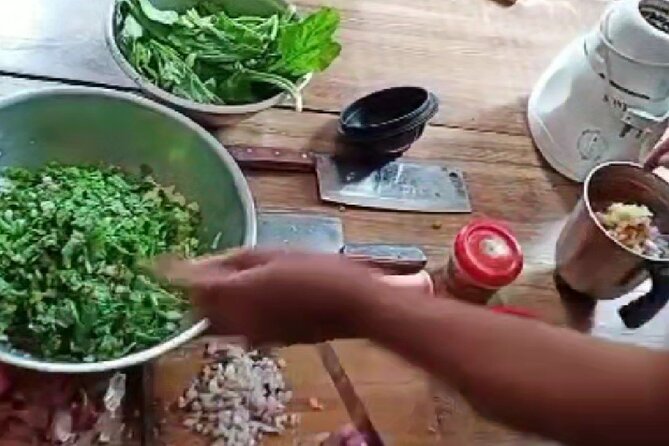
The first session is listed as follows:
- 11:00: Introduction
- 11:30: Masala chai
- 12:00: Pakoda
- 12:30: Buff and vegetable momos
- 1:30: Lunch
The schedule says 11:00 pm, but the later times and lunch clearly suggest a daytime plan. I would confirm the exact start time with the Human Welfare Committee before setting off, especially because the opening-hours information lists Monday through Wednesday from 10:00 am to 6:00 pm.
The class lasts about three hours and includes admission. Since both the meeting and ending points are the same, you do not need to arrange a separate drop-off after lunch. The location is We Handicraft, Paknajol, Kathmandu 44600, an area described as being near public transportation.
The second session is also listed as three hours, but no detailed timetable is supplied. Allow the full block rather than planning another appointment immediately afterward. The workshop may be relaxed, but creative activities often take longer when you are choosing a design and finishing the piece.
Is $50 good value?
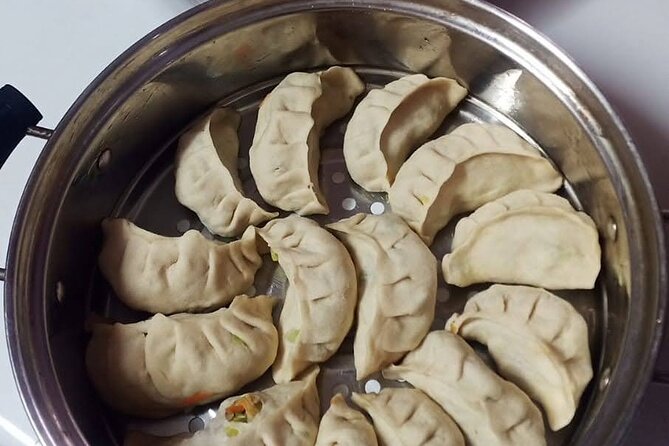
At $50 per person, the experience is not the cheapest way to eat momos in Kathmandu. You can find a plate of momos for far less. That is not the right comparison, though.
Here you receive two organized sessions, instruction, ingredients for the cooking class, lunch, and a jewelry workshop. You also pay for time with local teachers and support a women’s empowerment program. If you want a quick meal, this is poor value. If you want a personal activity with a social purpose and a take-home craft, the price is easier to justify.
The private format helps. Only your own group participates, which should make it easier to ask questions and get help folding the dumplings. It also means the experience may feel more personal than a large class, though the lunch can still include volunteers, project members, and children.
The information does not specify the size of your group, the jewelry materials, or whether drinks beyond masala chai are included. I would treat the $50 as good value for the stated two-day program, but confirm those details if you are comparing it closely with other Kathmandu cooking classes.
Who should book this activity?
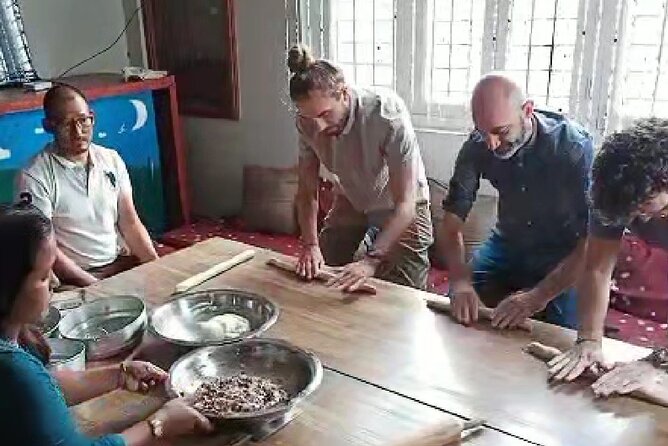
This suits you if you want an active cultural experience rather than another sightseeing stop. It is especially good for people who enjoy learning through food, want to meet local women connected with a community project, or would like to try making a souvenir instead of buying one.
Families may find the food and craft format appealing, and the information says most people can participate. Still, the activity involves cooking and handwork, so young children may need close help from an adult. No specific accessibility details are provided.
It also works well for solo visitors who want a structured way to meet people. The cooking process gives you an easy shared task, and the jewelry workshop creates another chance to talk without forcing conversation.
You should think twice if your schedule is tight. This is not a quick drop-in activity. It takes place over two days, and the two sessions are each about three hours. You should also clarify the meat content, since buff momos are part of the stated menu, even though vegetable momos are included too.
Meeting point, timing, and cancellation
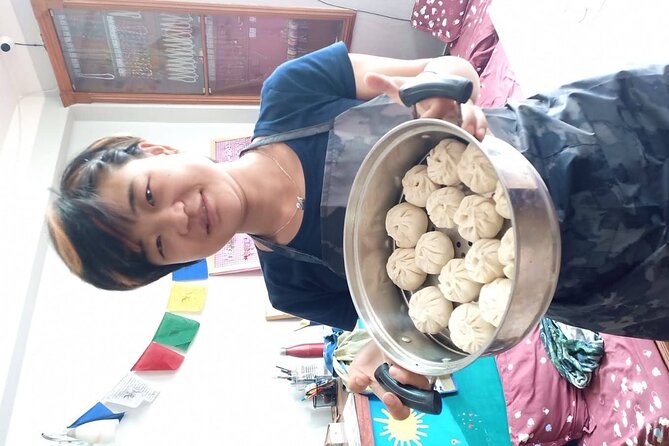
Both activities start and finish at We Handicraft, Paknajol, Kathmandu 44600. The location is near public transportation, and the experience is listed as available Monday through Wednesday from 10:00 am to 6:00 pm during the stated operating period.
A mobile ticket is provided, and confirmation is received when you book. The schedule contains a time-label error, so confirm whether your cooking class begins at 11:00 am. That small check could prevent a very early or very late arrival.
Free cancellation is available if you cancel at least 24 hours before the start time. Cancellations made less than 24 hours before the activity are not refunded, and late changes are not accepted. The cut-off uses Kathmandu local time.
Should you book the Women Empowerment Project?
I would book this if you want to learn a genuinely popular Nepali food, meet the people running a community-focused program, and return home with a handmade jewelry piece. The food session receives the strongest praise, especially the warm teaching style, the variety of momos, and the lunch shared after cooking.
I would not book it solely for a detailed tour of the organization, since that is not promised. I would also confirm the start time, exact jewelry materials, and dietary arrangements before paying.
For the right visitor, $50 buys more than a recipe. You get two hands-on activities, a meal you help prepare, and a direct way to support the Human Welfare Committee’s work. That is a solid choice for a quieter day in Kathmandu, especially after several days of sightseeing.
FAQ
How long does the experience last?
The program takes place over two days. Each session lasts about three hours, with cooking on the first day and jewelry making on the second.
Where does the activity begin and end?
Both sessions begin and end at We Handicraft, Paknajol, Kathmandu 44600, Nepal.
What food will I learn to make?
The cooking session includes masala chai, pakoda, buff momos, and vegetable momos. Some cooking details also mention potato momos, so you should confirm the exact menu for your date.
Is lunch included?
Yes. After the cooking session, you eat the food prepared during the class, with lunch scheduled for about 1:30 pm.
Is the activity private?
Yes. It is listed as a private activity, and only your own group participates.
What days and hours is it available?
The stated operating hours are Monday through Wednesday, from 10:00 am to 6:00 pm, during the listed operating period. Confirm your exact start time because the cooking schedule contains an inconsistent 11:00 pm label.
Can I cancel for a full refund?
Yes, if you cancel at least 24 hours before the experience start time. Cancellations or changes made less than 24 hours before the start time are not accepted, and the amount paid is not refunded.
Just added around Kathmandu
- Traditional Momo Making Class★ 5.0 · 10 reviews
- Wildlife Adventure in Chitwan Nepal★ 4.0 · 4 reviews
- Walking tour of real Kathmandu through back streets.★ 5.0 · 3 reviews
- Kathmandu 2 Nights 3 Days Chitwan Jungle Safari Tour★ 5.0 · 9 reviews
- Kathmandu Street Food Walking Tour – Eat Like a Local★ 5.0 · 3 reviews
- Private Manaslu Circuit Trek at Himalayas★ 5.0 · 3 reviews
- Walking tour of Kathmandu with awesome local guides★ 5.0 · 4 reviews
- Visit Swayambhunath and Bauddhanath Stupa with Guide★ 5.0 · 5 reviews
Kathmandu Cooking Classes, compared.
The best Private Nepali Cooking Class in Kathmandu
Read our review →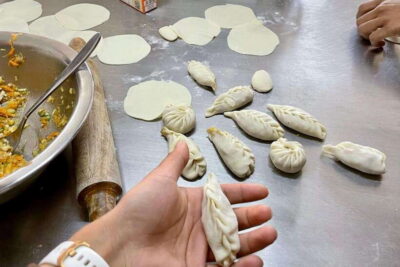
Browse the lists this tour appears in