
Reviewed · KATHMANDU COOKING CLASSES
Kathmandu: Local Lead Nepali Cooking & Momo Making Class
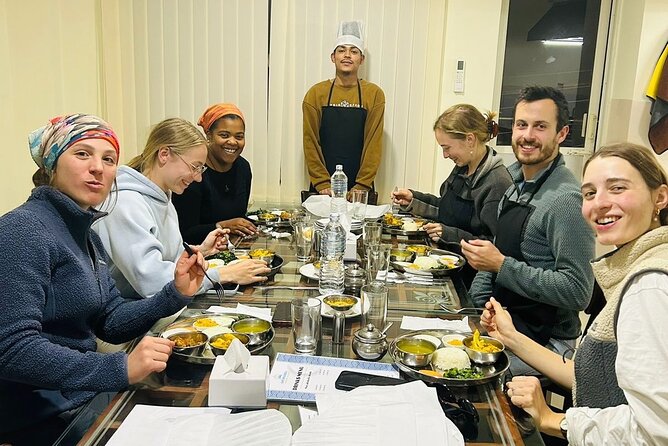
The best part of this Kathmandu cooking class happens before the first pan heats up. You walk to a nearby market or shop with your chef, choose fresh ingredients, then return to the Kathmandu Cooking Academy to make momos, dal bhat, and other Nepali dishes from scratch. I especially like the market stop and the patient, hands-on teaching, including help with the tricky folds on momo dumplings. The class is also priced at just $4 per person, an extraordinary deal if that rate is available for your date.
The main consideration is that this is a group class, with up to 10 people, and the exact dishes can depend on the group’s choices. You may prepare three dishes, as some sessions have done, but the experience is built around shared decisions rather than a private lesson tailored entirely to you.
Key points to know before booking
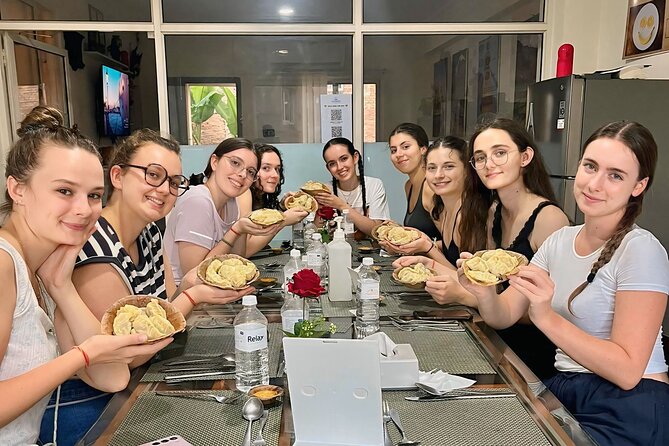
- Momos are the practical highlight: You learn to fill and fold Nepal’s best-known dumplings, with patient help on the pastry pattern.
- The market visit comes first: Shop for ingredients with the chef, then connect those purchases to the food you cook.
- Dishes can vary: Momo and dal bhat are central, but you may also choose bara, yomari, and other traditional foods.
- The kitchen is near Thamel: The academy is about a 10 to 15 minute walk from Thamel, with optional pickup across Kathmandu Valley.
- Small groups help: A maximum of 10 participants allows more personal guidance than a large demonstration class.
- Allow three to four hours: Market shopping, preparation, cooking, and eating all take time.
Starting at Kathmandu Cooking Academy near Thamel
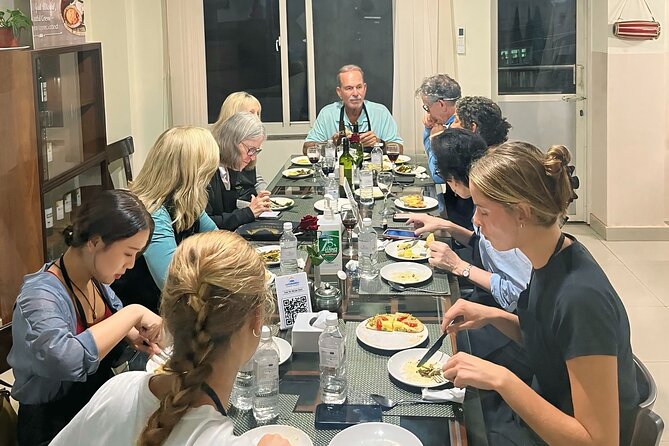
The class takes place at Kathmandu Cooking Academy, in central Kathmandu and within easy walking distance of Thamel. From the Thamel area, allow about 10 to 15 minutes on foot. Look for the academy sign outside the building, then check in at the entrance.
If you select hotel pickup, a driver can collect you from an address within Kathmandu Valley. This is useful if you are staying outside Thamel or prefer not to navigate Kathmandu’s streets before a cooking session. Pickup and drop-off are optional, so check the booking choice carefully rather than assuming transport is included.
Arrive at least 15 minutes early. That gives you time to find the building, register, and settle in before the shopping portion begins. The academy is wheelchair accessible, which is a useful point for people who need step-free access, although you should still discuss your specific needs in advance.
The class is taught in English. Instructors connected with the experience include Vikram and Niche, both praised for clear explanations, patience, and a friendly teaching style. The exact chef for your date may differ, but the teaching approach is meant to be practical rather than formal. You will not just watch a chef prepare lunch while standing at the back of a room.
More cooking classes in Kathmandu:
- Half day cooking class in Thamel kathmandu
★ 5.0 · 607 reviews - Kathmandu: Local Women-Led Nepali Cooking & Momo Class
★ 4.9 · 360 reviews - Kathmandu: Local Lead Nepali Cooking & Momo-Making Class
★ 5.0 · 212 reviews
The market walk turns ingredients into a story
The short market or shop visit is one of the most valuable parts of the experience. You go with the chef to buy ingredients for the class, rather than arriving to find everything measured and waiting on the counter. That small difference gives you a better sense of how Nepali cooking begins.
Your chef can explain what you are buying and how it fits into the dishes. Even if you already know momos from restaurant menus, seeing the ingredients before they reach the kitchen helps connect the dish to everyday food preparation in Nepal.
The visit is not a long sightseeing tour, and it should not be treated as one. Its purpose is to select fresh ingredients and prepare you for the cooking session. The walk also adds a useful local break before several hours of chopping, mixing, folding, and cooking.
The market portion may be less comfortable for anyone who wants a polished, quiet culinary studio from start to finish. You are going out into the neighborhood, then returning to cook. That is part of the point, but it does mean you should wear comfortable clothes and shoes.
Momo making requires more patience than it looks
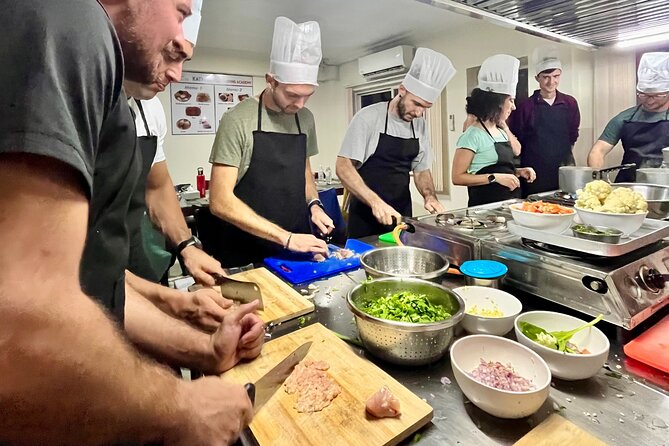
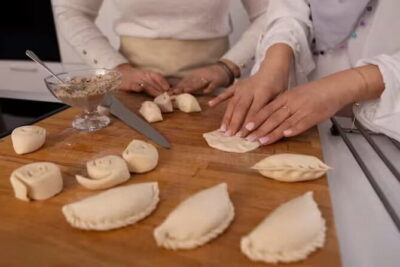
Momos are the star attraction here, and folding them is harder than eating them. The basic process sounds simple: prepare the filling, place it in the dough, and seal the wrapper. In practice, getting a neat, secure fold takes a bit of coaching.
The class gives you time to practice. One session included patient help with forming the correct momo pattern, and that is exactly the sort of detail that makes a cooking lesson useful after you leave Kathmandu. You are not just handed a finished dumpling and told what went into it.
Your chef demonstrates the steps, then guides you as you work. Clear instructions matter here, especially for first-time cooks. The class is designed for participation, so expect to handle ingredients and equipment rather than simply take notes.
I like this format because momo making gives you an immediate skill to take home. You can repeat the dish with friends or family, even if your first batch looks less tidy than the chef’s. The taste matters more than a perfect restaurant-style fold, but learning the shape is part of the fun.
Dal bhat adds the everyday Nepali meal
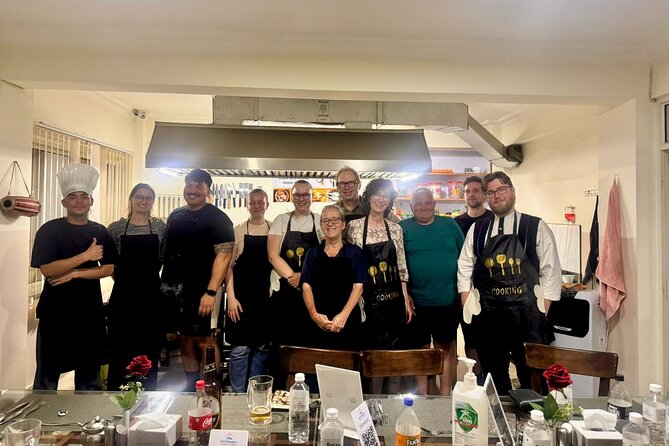
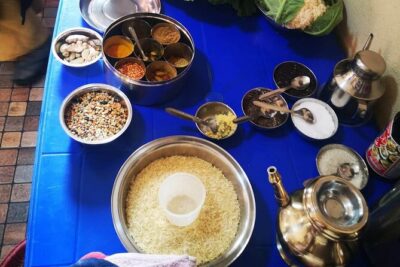
Momo may get the attention, but dal bhat gives the class a wider view of Nepali food. This familiar combination of lentils, rice, and accompanying dishes is a main course option, and it helps show how a Nepali meal can be built from several simple parts.
The class focuses on preparing food, not merely naming it. You learn how the components come together, then sit down to eat what you have made. That final meal gives the cooking a clear purpose, especially after several hours in the kitchen.
You may also have a choice of other traditional dishes. Bara, a savory lentil pancake, and yomari, a sweet steamed dumpling, have both appeared among the available options. The menu is not fixed to only two recipes, so tell the chef what interests you and mention dietary restrictions before the class.
Keep in mind that a group decision can shape the final menu. If you have your heart set on a particular dish, ask about it at the start rather than waiting until ingredients have already been purchased. The class usually includes two main courses and a dessert, but the exact combination can vary.
Same city, a completely different sort of day:
- Everest Base Camp Trek – 14 Days
★ 5.0 · 1,499 reviews - Private Kathmandu Sightseeing Tour | UNESCO World Heritage sites
★ 5.0 · 756 reviews - Everest Base Camp Helicopter Tour landing at Everest View Hotel
★ 5.0 · 668 reviews - Everest Base Camp Trekking
★ 5.0 · 485 reviews
Three hours of chopping, cooking, and eating
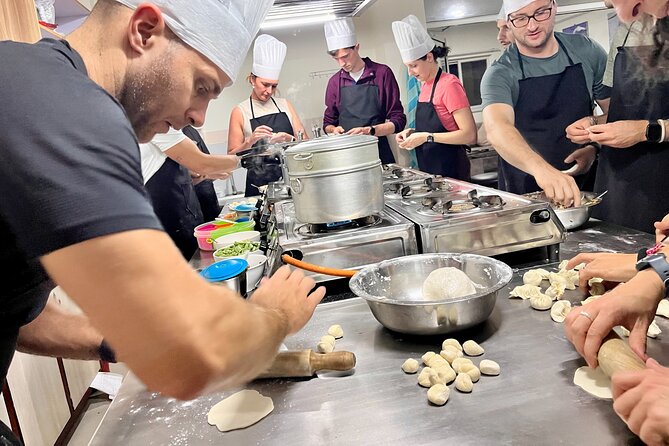
Plan on roughly three hours for the full experience, though the advertised duration is three to four hours. That time includes the market visit, food preparation, cooking, and the shared tasting session.
The pace appears to be relaxed rather than rushed. That matters when you are learning a new recipe, since you need time to ask questions and repeat a technique. A past class prepared three dishes per person, while another worked as a larger group with two assistants helping the main chef. Your exact workload will depend on the menu and group size.
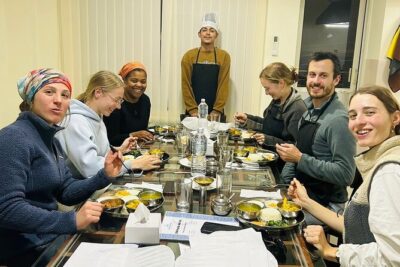
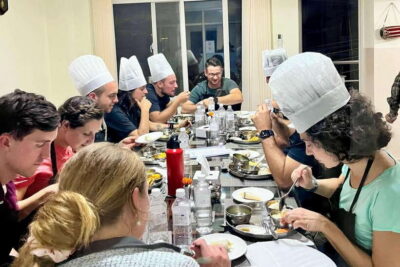
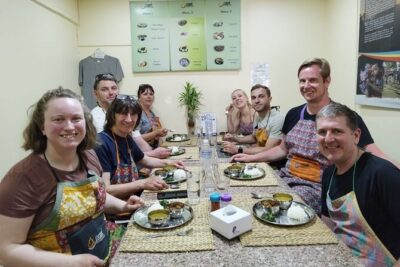
The kitchen and dining room are described as clean and well equipped, with cooking tools provided. You do not need to bring special equipment. Bring a camera if you want photos, but professional photos and videos cost extra.
At the end, you sit down to eat the food prepared during class. Nepali masala tea is included, giving the meal a warm finish. Specialty drinks and alcohol are not included, so budget separately if you want anything beyond the prepared food and tea.
Small groups make the teaching more useful
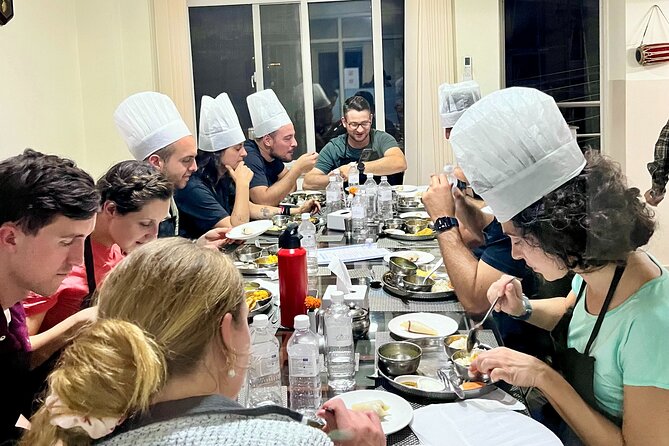
The class accepts up to 10 participants. That is not a private lesson, but it is small enough for the chef to move around the kitchen and offer individual help. For momo folding in particular, this makes a real difference.
The experience suits people who enjoy working with their hands. You will be chopping, shaping, mixing, and cooking, so comfortable clothing is sensible. It is not suitable for children under five or people over 95, according to the stated age limits.
Dietary needs should be shared in advance. The menu has some flexibility, but the chef needs notice to adjust ingredients. Do not wait until the cooking begins to mention allergies or strong food preferences.
A minimum of two participants may be required for the session to operate. If that minimum is not reached, you can be offered another date or a full refund. That policy is worth noting if you are booking alone or on a tight schedule.
The $4 price is unusually good value
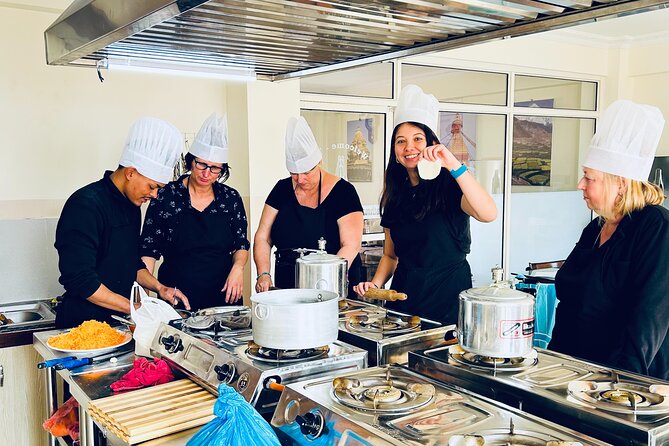
At $4 per person, this is one of the least expensive structured activities you can book in Kathmandu. The price covers the cooking class, use of equipment, the market or shop visit, the prepared meal, and Nepali masala tea. It offers far more than a standard restaurant meal because you leave with recipes and techniques.
The value is strongest if you want an activity that combines food, local shopping, and conversation. You are paying for several hours of instruction and a full meal, not just a quick dumpling demonstration.
Still, confirm the rate and inclusions when booking. Hotel pickup and drop-off are optional, and specialty drinks, alcoholic drinks, and professional photographs cost extra. The low base price should not be compared directly with a private cooking lesson unless you check the transport and menu arrangements.
The class also has a practical souvenir: confidence. Several dishes are built from accessible steps, and the instructors aim to explain them clearly. You can return home with enough understanding to try momos, dal bhat, bara, or yomari in your own kitchen.
What the teaching style is like
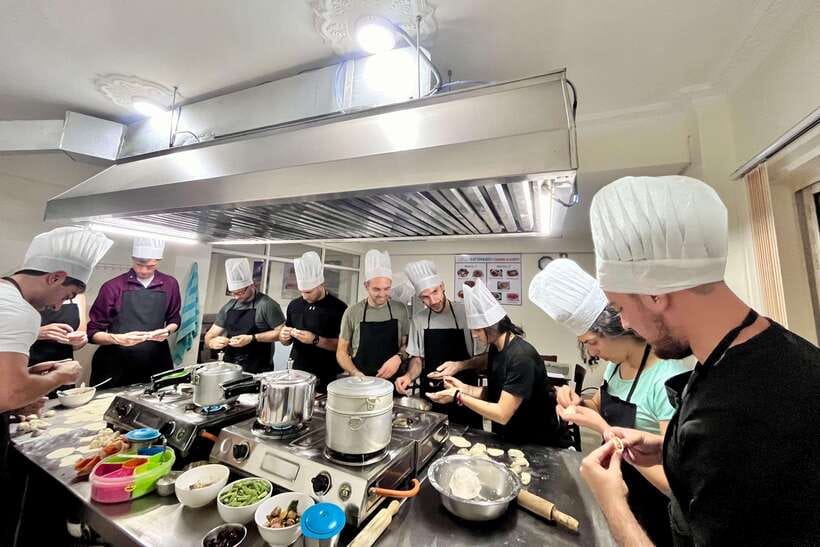
The strongest feature of the class is the instruction. Vikram is known for clear, patient guidance, while Niche brings an energetic and humorous style to her sessions. You may meet another chef, but the class is intended to remain friendly and easy to follow.
Good cooking teachers know when to demonstrate and when to let you try. This experience seems to follow that balance. The chef handles the parts that need speed or precision, then gives you the chance to do the work yourself.
That approach is especially useful for people who are not confident cooks. You can ask questions as you go, and the small group size leaves room for help. More experienced cooks may find some basic steps familiar, but the Nepal-specific recipes and market visit still give the class a clear purpose.
Do not expect a highly staged television-style production. You are there to learn, make mistakes, and eat the results. For most people, that is a better match for a short Kathmandu cooking experience.
Who will enjoy this class most
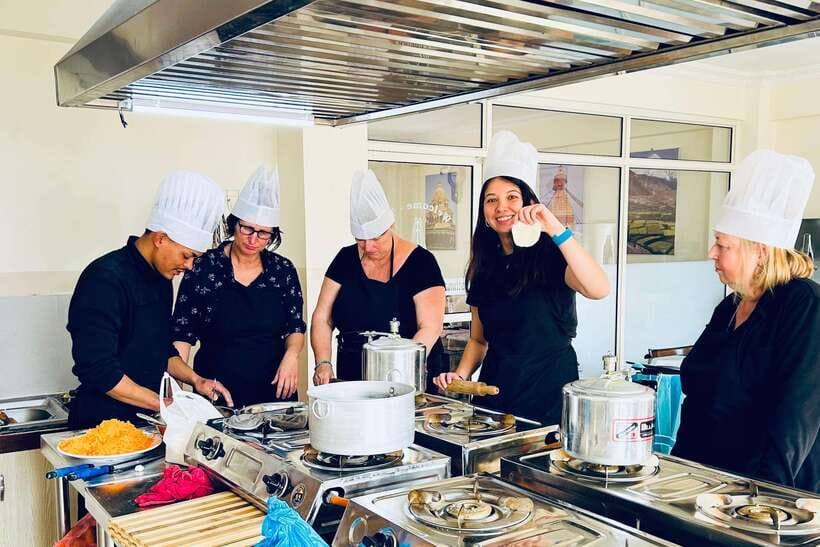
I would choose this class if you want to understand Nepali food beyond restaurant ordering. It suits food lovers, curious first-time cooks, and anyone who likes bringing home a useful skill instead of another souvenir.
It is also a good rainy-day or rest-day activity. The three-hour schedule gives you a break from sightseeing while still keeping you connected to the city through the market visit and ingredients.
Couples, friends, and small family groups should find the format easy to enjoy. Solo participants can join, but remember that two people may be required for the class to run. If you prefer complete control over the menu, a private lesson would be a better fit, though this experience offers better value at the stated price.
You should also book it if you already enjoy momos and want to learn the folds properly. The class gives you more than a recipe card. You practice the technique with a chef nearby, then eat the results while they are fresh.
Should you book the Kathmandu cooking class?
Yes, if you want an inexpensive, active introduction to Nepali food. The market visit, small group, patient instruction, and shared meal make this a well-rounded three-hour activity, not just a quick cooking demonstration.
Book with realistic expectations. The menu may be shaped by the group, pickup costs or arrangements depend on the option selected, and the class can require at least two participants. But at $4 per person, the basic experience offers remarkable value.
I would make this a strong choice for anyone staying near Thamel who wants to learn momo folding, understand dal bhat, and eat a meal prepared with their own hands. Bring an appetite, arrive early, and tell the chef about dietary needs before shopping begins.
FAQ
Where does the cooking class meet?
The meeting point is Kathmandu Cooking Academy in central Kathmandu. It is about a 10 to 15 minute walk from Thamel, and you should look for the academy sign outside the building.
Is hotel pickup available?
Yes. Optional pickup and drop-off are available from locations within Kathmandu Valley. Provide your hotel or accommodation details when booking if you select this option.
How long does the experience last?
The full experience takes approximately three hours, with the stated duration listed as three to four hours. This includes the market visit, cooking, and tasting session.
Which dishes will I learn to make?
Momo and dal bhat are the main focus. Depending on the group and available choices, you may also prepare dishes such as bara and yomari, along with a dessert.
Is food and tea included?
The meal you prepare is included, along with complimentary Nepali masala tea. Specialty drinks and alcoholic drinks are not included.
Is the class suitable for people with dietary restrictions?
You should inform the provider in advance about dietary restrictions or preferences. The menu has some flexibility, but the chef needs notice to plan suitable ingredients.
Can I cancel the booking?
You can cancel up to 24 hours before the experience for a full refund. Reserve-now, pay-later booking may also be available, depending on the selected option.
Just added around Kathmandu
- Traditional Momo Making Class★ 5.0 · 10 reviews
- Wildlife Adventure in Chitwan Nepal★ 4.0 · 4 reviews
- Walking tour of real Kathmandu through back streets.★ 5.0 · 3 reviews
- Kathmandu 2 Nights 3 Days Chitwan Jungle Safari Tour★ 5.0 · 9 reviews
- Kathmandu Street Food Walking Tour – Eat Like a Local★ 5.0 · 3 reviews
- Private Manaslu Circuit Trek at Himalayas★ 5.0 · 3 reviews
- Walking tour of Kathmandu with awesome local guides★ 5.0 · 4 reviews
- Visit Swayambhunath and Bauddhanath Stupa with Guide★ 5.0 · 5 reviews
Kathmandu Cooking Classes, compared.
The best Private Nepali Cooking Class in Kathmandu
Read our review →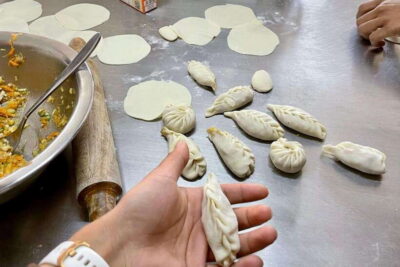
Best Nepali Cooking Class in Thamel with Local Market Trip
Read our review →Browse the lists this tour appears in