
Reviewed · EVEREST BASE CAMP TREKS FROM KATHMANDU
Everest Base Camp Trek 12 Days – Best Himalayan Adventure
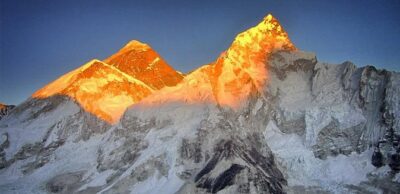
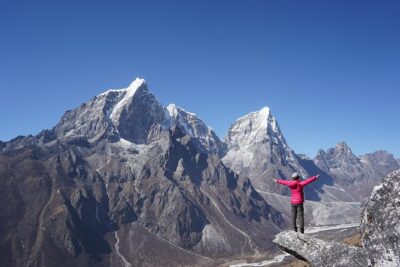
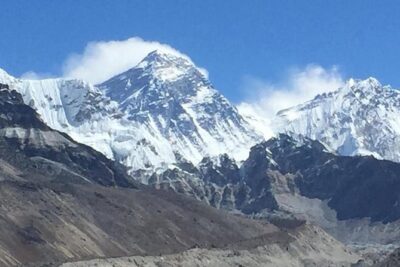
The great appeal here is the route itself: you walk through Sherpa villages, suspension bridges, alpine forests, and glacial valleys before reaching Everest Base Camp at 5,364 meters. The sunrise views from Kala Patthar bring Everest, Lhotse, Nuptse, Ama Dablam, and Pumori into one grand mountain scene.
I like the private format, which gives your group more room to set a sensible pace, and I like the practical support from an experienced Sherpa guide. Guides and staff named in guest feedback include Shankar, Binod, Ramjee, Santosh, Kumar, Krishna, and Dipendra. The main consideration is the altitude: this is a demanding trek, not a sightseeing stroll, and the compact 12-day schedule leaves little spare time if weather or fatigue causes delays.
Key points before you book
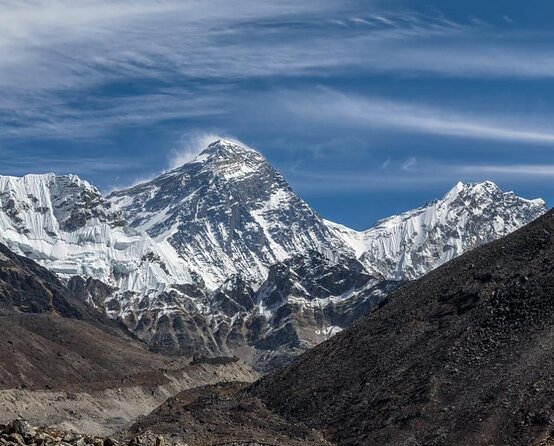
- Kala Patthar is the big view day: You get a high viewpoint above Gorak Shep with broad views of Everest, Lhotse, Nuptse, Ama Dablam, and Pumori.
- A Sherpa guide leads the route: The package includes an experienced guide, staff insurance, medication, equipment, and a first aid kit.
- The trip begins with a flight to Lukla: Return domestic flights are included, but the flight may operate from Ramechap Airport rather than Kathmandu.
- Tea-house lodging keeps the trek practical: You receive twin-sharing accommodation for 11 nights during the hike.
- A porter is included for every two hikers: One porter carries bags for two people, though you still need a day pack with essentials.
- The package has a few details to confirm: The information differs on meals, porter add-ons, and maximum group size, so ask Scenic Nepal Treks to clarify before paying.
Why the Everest Base Camp route still earns its fame
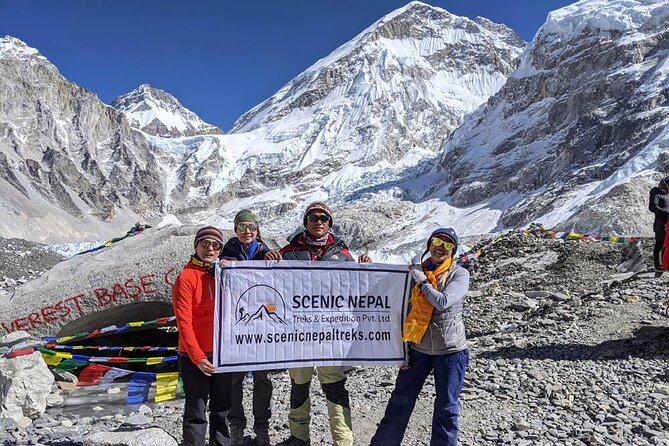
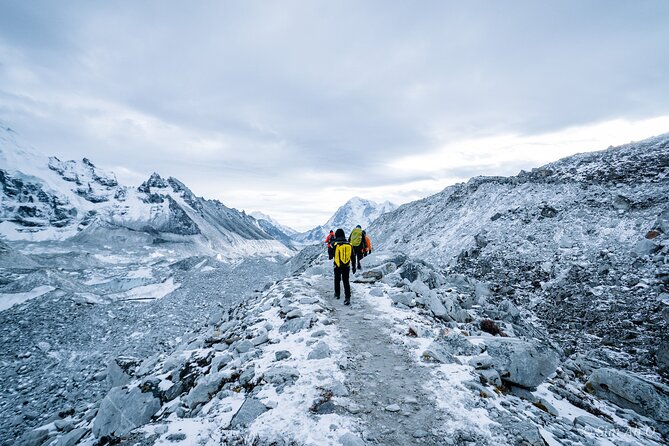
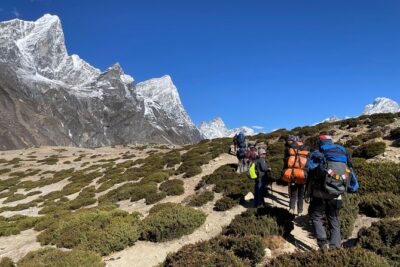
Everest Base Camp is not simply a walk toward a famous mountain. It is a gradual change in climate, culture, and terrain. You begin around Kathmandu, then fly toward Lukla and follow trails through the Khumbu region. Stone villages replace city streets. Prayer flags appear along the path. Forest gives way to bare rock and ice.
The route is also a test of patience. You do not gain altitude in one dramatic leap. Instead, each day brings thinner air, colder mornings, and slower walking. That is why the planned stops at Namche Bazaar, Tengboche, and Dingboche matter. They break up the climb and give your body time to adjust.
You should still treat the schedule with respect. The trip is described as suitable for fit beginners through experienced hikers, but you need a moderate level of physical fitness. The final approach to Base Camp and the climb to Kala Patthar can feel very hard, especially after days of walking at altitude.
The private setup is useful here. You are not tied to a large public group, and your Sherpa guide can pay attention to how you are coping. That does not remove the physical challenge, but it can make the experience more manageable.
More Everest Base Camp treks:
- Everest Base Camp Trek – 14 Days
★ 5.0 · 1,499 reviews - Everest Base Camp Trekking
★ 5.0 · 485 reviews - Everest Base Camp Trekking – 13 Day
★ 5.0 · 365 reviews
Kathmandu preparation and the flight toward Lukla
Your meeting point is Scenic Nepal Treks and Expedition in Bhagwati Marg, Kathmandu. This is where the trek begins and where the activity ends after your return. Confirmation is provided at booking, and all participants must supply passport name, number, expiry date, and country.
The domestic flight is included in the price. The information notes that the flight may operate from Ramechap Airport, so do not assume you will depart from Kathmandu itself. That distinction matters because airport arrangements and transfer timing can affect your first and last days.
The flight takes you toward Lukla, the mountain gateway for the trek. From there, the walking route begins. You should keep important items in your day pack rather than your checked trekking bag, including documents, medication, a water bottle, sun protection, warm layers, and valuables.
Lukla: where the walking begins
Lukla is the first major stop on the route and the point where the road gives way to footpaths. The change is immediate. Instead of moving through Nepal by vehicle, you now travel at walking speed, with the trail leading through villages, bridges, forests, and mountain valleys.
Your guide and porter arrangement becomes important from this point. The package includes one porter for every two hikers, so you are not expected to carry all your gear yourself. You should still pack sensibly. A heavy day pack will make every uphill stretch harder, even when the porter carries the larger bag.
The trek includes tea-house accommodation rather than camping. That gives you a bed and a place to eat at the end of each walking day, but it is still a mountain trek. Keep your expectations practical, and bring the suggested cold-weather and personal items.
Namche Bazaar and the value of an acclimatization stop
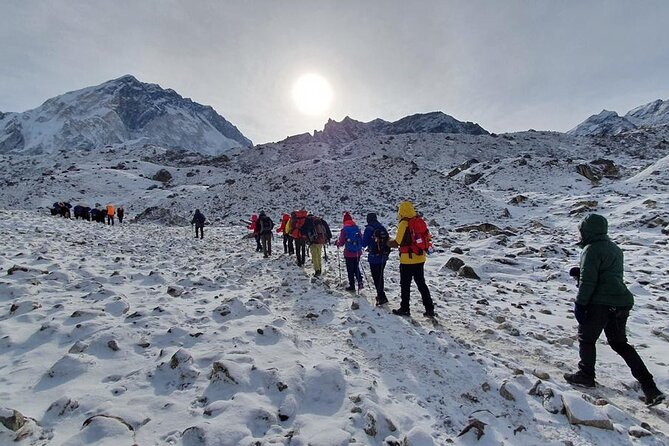
Namche Bazaar is one of the most important places on the route. It is a high-altitude Sherpa settlement and a natural point for rest and adjustment before you continue higher.
The itinerary includes acclimatization days for safety. That is one of the strongest features of this trip. A rushed ascent can turn altitude into a serious problem, while a slower schedule gives you a better chance to continue comfortably.
Namche also helps you understand the region as a lived-in place, not just a mountain backdrop. You pass through villages where Sherpa culture and trekking support meet. The pace is slower, and your guide can help you understand the route and the local setting.
Do not judge the trek only by distance. At altitude, a modest walking day may feel more demanding than a much longer hike at sea level. The private arrangement gives you a better chance to discuss pace, rest, and comfort with your guide.
More day hikes and treks in Kathmandu:
- Nagarkot Sunrise View and Day Hiking from Kathmandu
★ 5.0 · 471 reviews - Annapurna Circuit Trek with Tilicho Lake
★ 5.0 · 368 reviews - Everest Base Camp Trek -14 Days
★ 5.0 · 321 reviews - Annapurna base camp trek 5 Days
★ 5.0 · 252 reviews
Tengboche and the changing mountain scenery
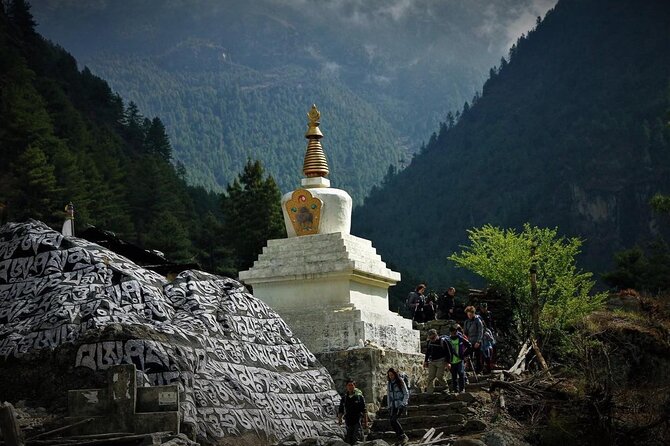
From Namche, the route continues toward Tengboche. This section is known for mountain views and forested trails, with the scenery becoming more open as you gain height.
Tengboche is a useful stop because it breaks the route into manageable stages. It also gives you a strong sense of the contrast between the lower forest zone and the colder terrain ahead. You may find the combination of mountain views, village life, and walking rhythm more rewarding here than at the final destination, when fatigue is at its highest.
The trek is often described as an adventure through natural scenery, but the human side matters just as much. Tea houses, porters, guides, and local villages make the route possible. The Sherpa staff are not an extra decoration to the trip. They are central to how you move through the region.
Several names appear in the guest feedback, including Shankar, Binod, Ramjee, and Santosh. If you have a particular guide assigned, note the name before departure and discuss your pace and concerns early.
Dingboche and the serious altitude section
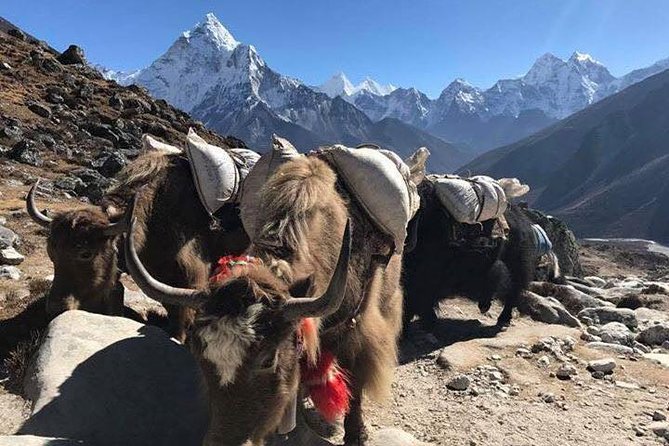
Dingboche marks a more demanding part of the journey. At this point, the air is thinner, the nights are colder, and the route toward Base Camp feels more serious.
This is where the acclimatization plan earns its keep. You may walk slowly, take more breaks, and spend extra time managing basic needs such as drinking water, eating, sleeping, and staying warm. The package provides a first aid kit, staff medication, and equipment, but your own travel insurance remains your responsibility.
The equipment list is long for good reason. You are advised to bring trekking boots with spare laces, warm hat, scarf, gloves, waterproof jacket, thermal underwear, fleece, quick-drying shirts, a down jacket suitable for temperatures around minus 10 Celsius depending on season and location, sunglasses, sunblock, lip protection, and water purification tablets.
Scenic Nepal Treks provides a sleeping bag, silk liner, and duffel bag, according to the supplied details. Confirm the exact handover arrangements before departure so you know what you still need to pack.
Gorak Shep and the final push to Base Camp
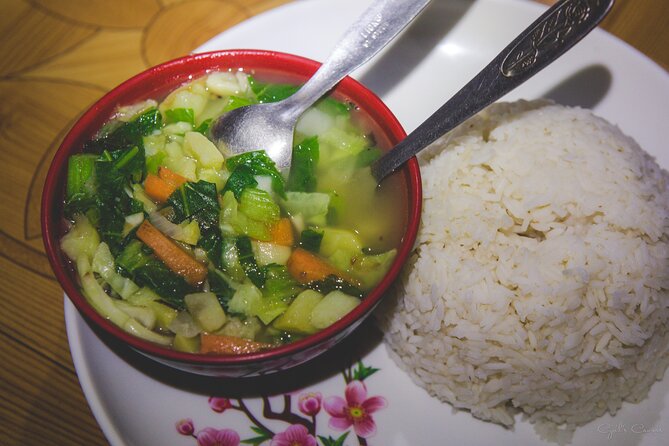
Gorak Shep is the staging point for the final approach. By now, the route has moved far beyond the comfortable conditions of Kathmandu. You are walking in a high, cold environment, and the physical cost of each uphill section is clear.
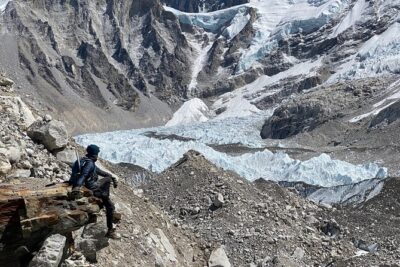
From Gorak Shep, you continue to Everest Base Camp at 5,364 meters. Reaching Base Camp is a major achievement, but the scenery is not necessarily a single dramatic viewpoint. The satisfaction comes from the full route: the villages, bridges, forests, high valleys, changing weather, and the knowledge that you have walked there under your own power.
One guest completed the trek during snowstorms around Lobuche and still reached Base Camp. That detail is useful, but it should not make you casual about weather. Conditions can change, and you need warm clothing, waterproof layers, and a guide willing to make sensible decisions.
The 12-day schedule is fairly efficient. It gives you the classic route without extending the trip into a longer acclimatization plan. That helps keep the price and time commitment under control, but it also means you should arrive prepared rather than treating the first days as training.
Kala Patthar and the best mountain panorama
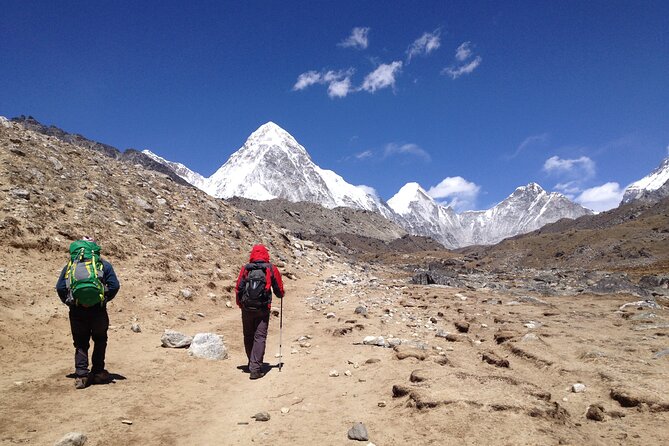
Kala Patthar is the visual high point of the trip. The viewpoint offers views toward Mount Everest, Lhotse, Nuptse, Ama Dablam, and Pumori, with sunrise often providing the clearest and most memorable light.
The view is one reason you should not measure the trip only by the Base Camp sign or endpoint. Kala Patthar gives you the broad mountain perspective that Base Camp itself may not provide. It is also an early and strenuous outing, so cold, darkness, altitude, and tired legs all become part of the experience.
Plan your clothing carefully. The supplied list includes a warm hat, gloves, thermal layers, down jacket, polarizing sunglasses, and sun protection. Those items are not optional luxuries at this altitude.
Tea houses, porters, meals, and what the price covers
The listed price is $1,439 per person, with a minimum of two people per booking. For a private Himalayan trek, that is potentially strong value because the package includes an experienced Sherpa guide, return domestic flights, trekking permits, staff insurance, medication and equipment, a first aid kit, tea-house lodging, and porter support.
You receive twin-sharing tea-house accommodation for 11 nights. That is a practical arrangement for a 12-day trip, though you should expect simple mountain lodging rather than hotel comfort.
There is an important detail to clarify before booking. The overview says meals are included, while the detailed exclusions say personal expenses and meals during the trek are not included. The information also describes a porter as an optional add-on in one place, while the included section says one porter serves every two hikers. Ask for a written confirmation of both points.
You should also budget for personal trekking equipment, international airfare, Nepal entry visa, personal travel insurance, tips and gratuities, and personal expenses. Vegetarian food is available if requested at booking.
The people who make this trek work
The strongest human feature of the experience is the local team. A Sherpa guide leads the walking route, helps you handle the altitude, and provides practical support when the trail becomes difficult.
The names associated with the trip include Dipendra, Shankar, Binod, Ramjee, Santosh, Kumar, and Krishna. Specific guide assignments may vary, so treat these names as examples rather than a guarantee. The important point is to ask who will lead your group and what support is included.
The public score supplied for this experience is 5 out of 5 from 57 ratings, with 100 percent recommending it. The most praised points are organization, guide and porter care, clear answers before departure, and the warmth of the crew. One person called out Binod’s patience and attention to safety, while another praised Ramjee for looking after a first-time hiking pair.
Those comments fit the package details. The trek is not sold as a self-guided route. You are paying for local support, route knowledge, permits, flights, and logistics as much as for the walk itself.
Who should book this 12-day trek?
This trip suits you if you want the classic Everest Base Camp route, prefer private guiding, and can commit to a demanding high-altitude walk. It can work for a fit beginner because the guide and porter system reduce some of the logistical burden, but you still need to prepare your body and equipment.
It is less suitable if you want a relaxed holiday, hotel-style comfort, flexible sightseeing, or a low-risk mountain outing. The route is cold, strenuous, and weather dependent. The compact schedule also leaves less room than a longer trek for delays or recovery.
The listed maximum group size is inconsistent: one section says up to 15 people, while another says a maximum of 10. Ask for the confirmed group size. The minimum is clearly two people, so solo booking is not supported.
Cancellation is free if you cancel at least 24 hours before the local start time. Cancellations made less than 24 hours in advance are not refunded, and late changes are not accepted.
Should you book it?
I would consider booking this trek if you want strong local support and a straightforward route to Everest Base Camp without arranging every permit, flight, lodge, and porter yourself. The guide care, private format, included mountain logistics, and Kala Patthar viewpoint give the package real value.
Before you pay, get clear answers on three points: are meals included, is the porter already included, and will your flight use Kathmandu or Ramechap? If those details are confirmed and you are ready for the altitude, this is a well-supported way to take on one of the world’s great mountain walks.
FAQ
Where does the Everest Base Camp trek start?
The activity starts at Scenic Nepal Treks and Expedition Pvt. Ltd. on Bhagwati Marg in Kathmandu, Nepal.
Where does the activity end?
The trek ends back at the Kathmandu meeting point.
How long is the Everest Base Camp trek?
The experience lasts approximately 12 days.
What is the minimum booking size?
A minimum of two people is required per booking.
What is the maximum group size?
The supplied details give two different limits, 15 people in one section and 10 in another. Confirm the current maximum with the operator before booking.
Are domestic flights included?
Yes. Return domestic flights are included, although the flight may operate from Ramechap Airport.
Is accommodation included?
Yes. Twin-sharing tea-house accommodation is included for 11 nights during the hike.
Is a porter included?
The included details say one porter is provided for every two hikers. Another section describes a porter as an optional add-on, so confirm the arrangement before departure.
Are meals included?
The information is inconsistent. The overview says meals are included, while the exclusions say meals during the trek are not included. Ask Scenic Nepal Treks for written clarification.
What fitness level do I need?
You should have a moderate level of physical fitness. The route reaches Everest Base Camp at 5,364 meters and includes demanding high-altitude walking.
What equipment is provided?
The company provides a sleeping bag and silk liner, a duffel bag, and a medical and first aid kit. You need to bring personal trekking clothing, boots, a backpack, toiletries, sun protection, water supplies, and other items listed for the trek.
Is a vegetarian option available?
Yes. You should request the vegetarian option when booking.
What is the cancellation policy?
You can cancel at least 24 hours before the local start time for a full refund. Cancellations or changes made less than 24 hours before the start are not accepted for a refund.
Is travel insurance included?
No. Personal travel and trekking insurance are not included.
Just added around Kathmandu
- Traditional Momo Making Class★ 5.0 · 10 reviews
- Wildlife Adventure in Chitwan Nepal★ 4.0 · 4 reviews
- Walking tour of real Kathmandu through back streets.★ 5.0 · 3 reviews
- Kathmandu 2 Nights 3 Days Chitwan Jungle Safari Tour★ 5.0 · 9 reviews
- Kathmandu Street Food Walking Tour – Eat Like a Local★ 5.0 · 3 reviews
- Walking tour of Kathmandu with awesome local guides★ 5.0 · 4 reviews
- Private Manaslu Circuit Trek at Himalayas★ 5.0 · 3 reviews
- Visit Swayambhunath and Bauddhanath Stupa with Guide★ 5.0 · 5 reviews
Everest Base Camp Treks from Kathmandu, compared.
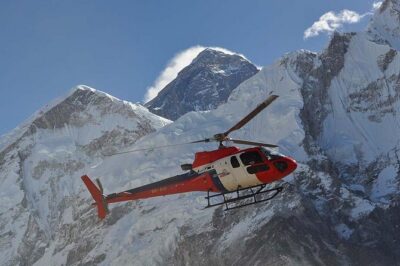
Everest Base Camp Trek with Helicopter Return from Gorakshep to Lukla
Read our review →Browse the lists this tour appears in