
Reviewed · EVEREST BASE CAMP TREKS FROM KATHMANDU
12 Days Everest Base Camp Trekking
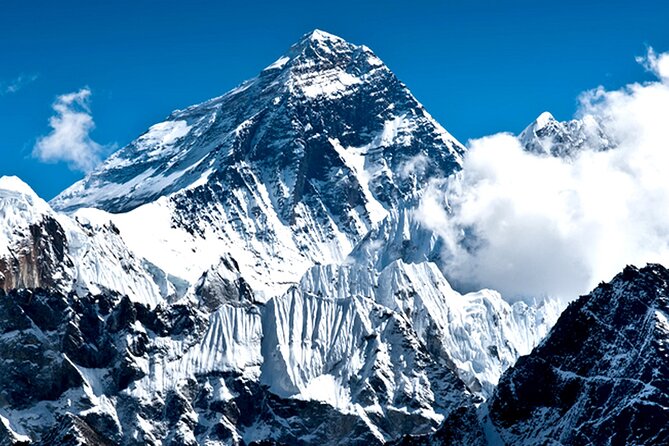
Everest Base Camp is the main event here, but the smartest part of this 12-day route is the time set aside to adjust to altitude. You fly from Kathmandu to Lukla, walk through Namche Bazaar and Dingboche, cross glacial terrain, and reach Base Camp before sunrise at Kala Patthar.
I like two things right away: round-trip Lukla airfare and the two acclimatization days. I also like that the price covers meals, teahouse lodging, permits, a licensed guide, and airport transfers. The catch is simple: this is a hard trek at high altitude, and a moderate fitness rating should not be mistaken for an easy holiday.
Key points to know before booking
- Lukla flight included: Round-trip domestic airfare from Kathmandu, or Ramechhap during peak periods, is covered.
- Two acclimatization stops: You spend one full day in Namche Bazaar and another in Dingboche.
- Base Camp plus Kala Patthar: The route reaches Everest Base Camp, followed by an early hike for sunrise views.
- Private group format: Only your own group participates, rather than joining a large shared party.
- Teahouse trekking: Overnight stays are in local twin-sharing teahouses, with meals included.
- Guide and safety support: A licensed English-speaking guide, first aid kit, and pulse oximeter are provided.
Why this 12-day Everest route works
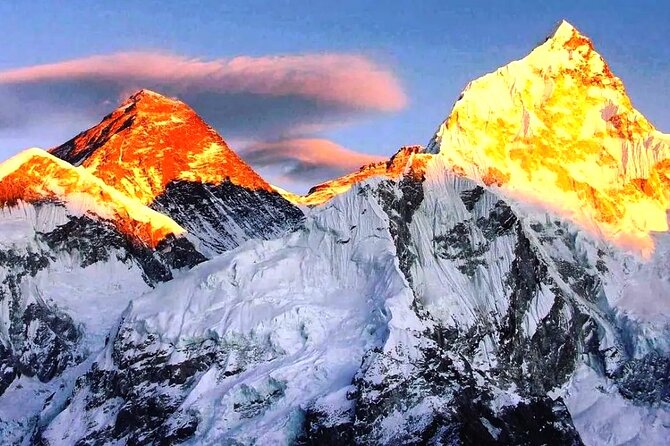
The classic mistake on an Everest Base Camp trek is rushing uphill. This trip gives you two rest and acclimatization days, one in Namche Bazaar and one in Dingboche. That matters because the route rises from Lukla at about 2,800 meters to the high settlements near Base Camp.
You are not sitting idle on those days. In Namche, you can hike toward Everest View Hotel. In Dingboche, you can choose Nagarjun Hill or Chukhung. These optional walks give your body some work at altitude without forcing you to pack and unpack again.
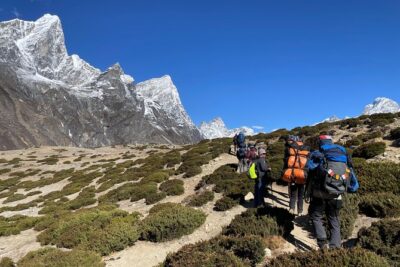
The plan is still demanding. Trekking days run about six to nine hours, often on uneven ground and with long climbs. You need a reasonable level of fitness, patience with slow progress, and a willingness to accept that altitude can change the plan.
The package costs $1,399 per person. That is a substantial sum, but it covers many expensive and important pieces: airport transfers, one night in a deluxe Kathmandu hotel, domestic flights, teahouse accommodation, all trekking meals, permits, guide costs, taxes, and official charges.
You still pay for international flights, your Nepal visa, insurance, porter service, snacks, drinks, laundry, hot showers, Wi-Fi, and tips. The value is strongest if you want one company to arrange the core trek rather than piecing together flights, permits, lodging, and guiding yourself.
More Everest Base Camp treks:
- Everest Base Camp Trek – 14 Days
★ 5.0 · 1,499 reviews - Everest Base Camp Trekking
★ 5.0 · 485 reviews - Everest Base Camp Trekking – 13 Day
★ 5.0 · 365 reviews
Day 1: Kathmandu to Lukla, then Phakding
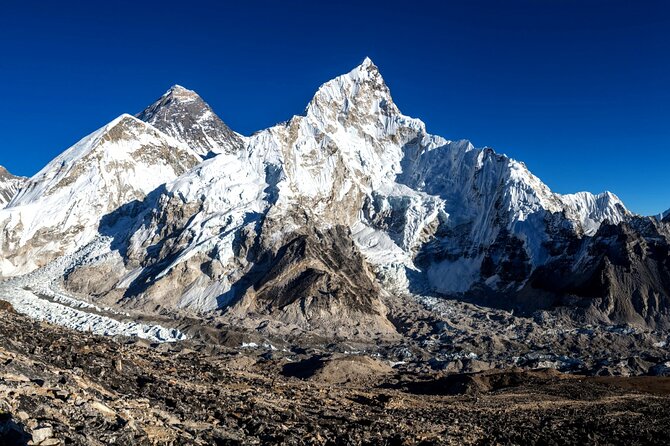
Your guide collects you from your hotel and takes you to the airport for the early flight to Lukla. The flight is included, although during peak season the departure may be from Ramechhap rather than Kathmandu. That can affect your morning plans, so confirm the departure point before you go.
Lukla sits at about 2,800 meters and marks the start of the walk. From here, you trek to Phakding, a first day that takes about eight hours according to the planned schedule. The route introduces you to the Khumbu region without sending you straight into its toughest climbs.
This first day has two jobs. It gets you walking, and it begins the gradual change from city life to mountain teahouse life. You will carry your personal gear, unless you arrange a porter separately, so keep your pack sensible.
The inclusion of the Lukla flight is a real advantage. It saves several days of approach travel and puts you directly on the standard Everest route. It also makes weather a practical concern, since poor conditions can affect mountain flights.
Day 2: Phakding to Namche Bazaar
After breakfast, you walk from Phakding toward Namche Bazaar, the main trading center of the Khumbu region. The day takes roughly seven hours and includes several suspension bridges.
Namche is more than a place to sleep. It is the key staging point before the trail climbs higher. The gradual ascent gives you time to settle into the rhythm of walking, eating, resting, and drinking enough water.
You will notice that the route becomes more demanding as you approach Namche. The reward is a lively mountain settlement and your first real high-altitude base. The planned stay here is especially useful because the next day is reserved for acclimatization rather than another move uphill.
Day 3: Acclimatization around Namche
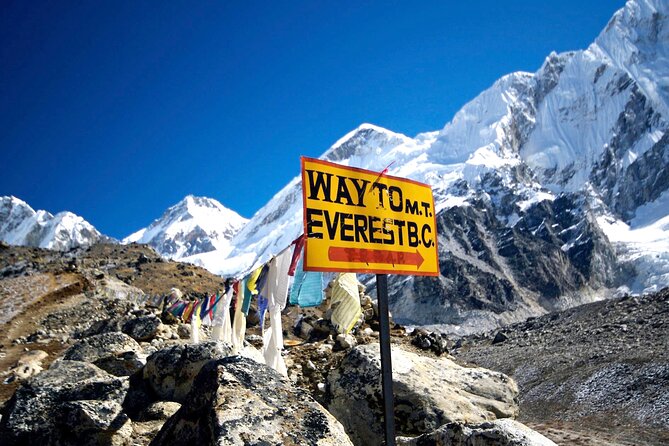
A full day in Namche gives your body time to adjust. The optional hike to Everest View Hotel is the obvious choice if conditions and energy allow. It offers wide views of Everest and surrounding peaks, while bringing you higher for the day before you sleep again in Namche.
I like this design because it follows a sensible mountain rule: climb higher during the day, then return to sleep lower. The schedule allows you to explore without giving up your recovery time.
Do not treat the word acclimatization as a free pass. You may still feel tired, headachy, or short of breath. Tell your guide if you feel unwell, and do not try to prove anything by pushing through serious symptoms.
The day is listed at about eight hours, though your actual walking time depends on the optional hike. You can use the extra time to rest, eat, and prepare for the longer days ahead.
More day hikes and treks in Kathmandu:
- Nagarkot Sunrise View and Day Hiking from Kathmandu
★ 5.0 · 471 reviews - Annapurna Circuit Trek with Tilicho Lake
★ 5.0 · 368 reviews - Everest Base Camp Trek -14 Days
★ 5.0 · 321 reviews - Annapurna base camp trek 5 Days
★ 5.0 · 252 reviews
Day 4: Namche to the Sagarmatha National Park area
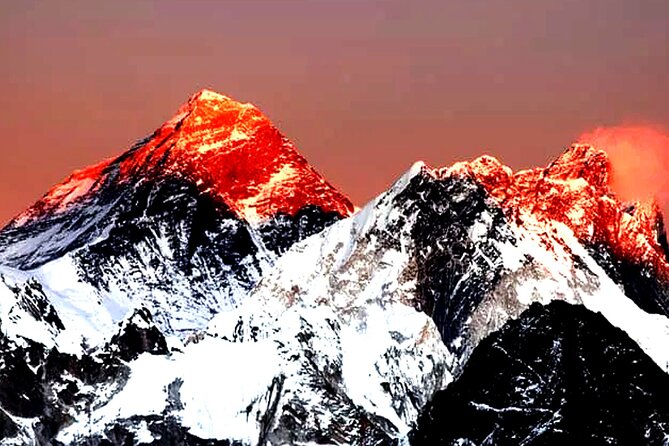
The route leaves Namche and moves through scenery with views of Everest, Nuptse, and Ama Dablam. The day includes a descent of about two hours through rhododendron forest, followed by a climb toward the next overnight area.
This is a good reminder that trekking mileage does not tell the whole story. A descent can feel easy at first, but every lost meter must be regained later. The route then shifts from forest to higher, more open country.
The planned walking time is about eight hours. You should expect a full day outside, with changing slopes and a steadily thinner feel to the air. Your guide’s pace matters here. A slower, steady rhythm is more useful than quick bursts followed by long stops.
Day 5: Entering Dingboche and the high valley
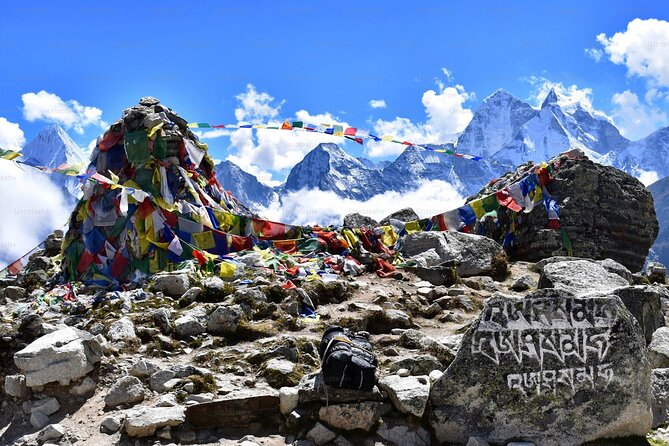
You continue toward Dingboche, a Khumbu Valley village with views of Island Peak and other Himalayan peaks. The route moves through alpine forest and then into more barren ground as the elevation rises.
Dingboche feels like an important turning point. The vegetation becomes less prominent, and the mountains begin to dominate every part of the day. You are also approaching the section where altitude becomes a bigger concern than simple leg strength.
The scheduled walking time is about eight hours. Once you arrive, rest is not laziness. It is part of the trek. Eat what is provided, keep drinking fluids, and listen closely to your guide’s advice.
The teahouse arrangement keeps the logistics fairly simple. You share a twin room, while the package covers breakfast, lunch, dinner, and tea or coffee with breakfast. Personal extras such as snacks, drinks, showers, laundry, and Wi-Fi remain your responsibility.
Day 6: Dingboche acclimatization day
Your second acclimatization day comes in Dingboche. You can choose an outing to Nagarjun Hill or Chukhung, depending on the plan set with your guide and how you feel.
This pause is one of the strongest features of the route. The next stages take you across rock and glacial moraine toward the highest part of the trek. A rest day here gives you a better chance of handling that section safely and enjoying it rather than merely surviving it.
The itinerary allows about eight hours for the day, but that does not mean you must spend eight hours walking. The point is controlled activity, rest, and adjustment. A good guide should help you decide how much is sensible.
The company provides a basic first aid kit and pulse oximeter. That equipment can help monitor altitude-related oxygen levels, but it does not replace medical judgment or travel insurance. You should have insurance that covers trekking and medical emergencies before departure.
Day 7: Across the Khumbu Glacier area
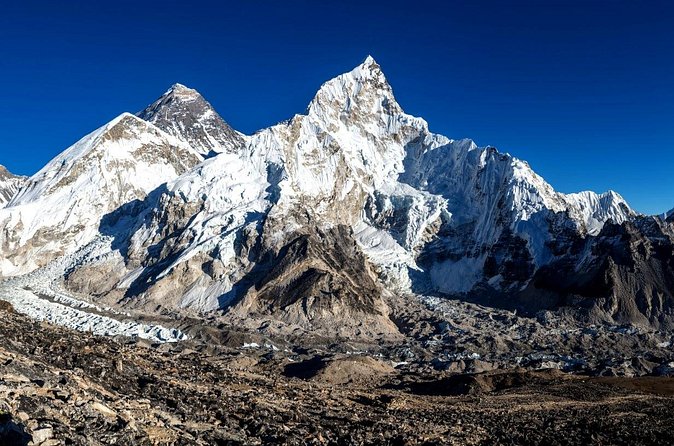
You start early, cross the Khumbu River, and climb through rocky terrain and glacial moraine. The Khumbu Glacier and surrounding peaks provide the visual focus, but the ground underfoot deserves equal attention.
Moraine is rough, uneven terrain. Your pace may slow, and careful footing becomes more important than speed. This is a day to keep your hands free, follow your guide’s line, and avoid rushing for photographs.
The walking time is about eight hours. The guide is included, along with salary, meals, accommodation, equipment, and insurance for the guide. That arrangement means you are not expected to manage the route alone in a difficult section.
Day 8: Gorak Shep and Everest Base Camp
From Lobuche, you trek to Gorak Shep, the final settlement before Everest Base Camp. After reaching Gorak Shep, you have lunch, settle your bags, and continue to Base Camp.
This is the emotional center of the trip, but it is also a long day of about nine hours. You should expect a demanding walk over rough ground, with altitude making every rise feel larger than it would at home.
At Base Camp, you can spend time taking in the surroundings and photographing the Khumbu Glacier area. The exact look of Base Camp changes with the season, and it is not a permanent village or a museum-style attraction. It is a working mountaineering staging area during climbing seasons.
You return to Gorak Shep to sleep. That combination of Base Camp and return walking makes this day tougher than simply reaching a viewpoint and stopping there. Save energy early in the day.
Day 9: Kala Patthar at sunrise
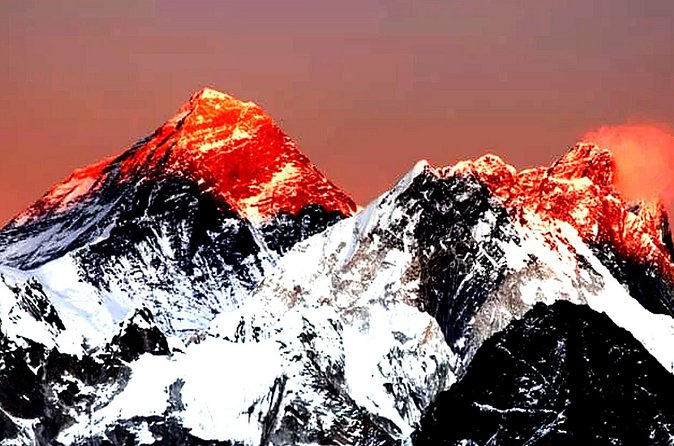
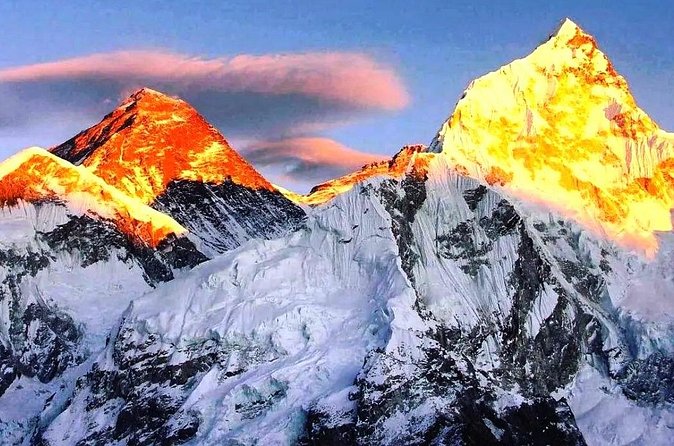
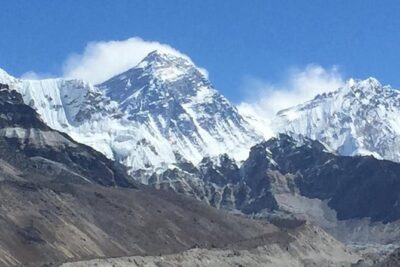
The plan calls for an early hike to Kala Patthar, widely treated as the best viewpoint for Everest in this itinerary. From the summit area, you can look toward Everest, Lhotse, and other major peaks in the first light.
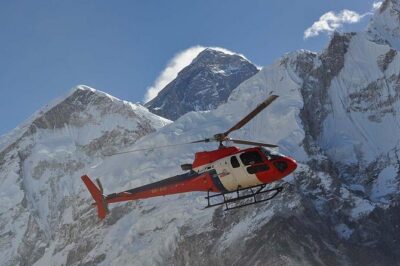
The schedule describes this stop as helicopter landing at Kalapathar, but the actual activity is an early morning hike, followed by a return to Gorak Shep for breakfast and onward walking. Do not assume a helicopter flight is included. The package specifically includes the domestic flights between Kathmandu or Ramechhap and Lukla, not a helicopter sightseeing flight.
Kala Patthar is often the visual high point of the trek. Base Camp gives you the destination, while Kala Patthar gives you the broad mountain view. The morning will be cold, and the ascent can feel hard after the previous day, so bring patience and warm clothing.
This is another roughly eight-hour day. After Kala Patthar, the route begins its return through Sagarmatha National Park.
Days 10 and 11: The long walk back
Descending is usually easier on the lungs, but it is not effortless. Day 10 includes a return through Sagarmatha National Park, with about eight hours of walking. The trail may feel faster, yet tired legs and sore knees can make uneven ground tricky.
Use trekking poles if you have them, and shorten your stride on descents. You have less altitude pressure now, but balance and joint strain still matter.
Day 11 is the final trekking day and is shorter, at about six hours. The plan allows time to celebrate with your guide, porters, and trekking companions. Porter service is not included, but you can request it for an extra cost.
That distinction matters if you prefer to trek with a light pack. Ask about porter arrangements before the trip rather than assuming they are part of the $1,399 price.
Day 12: Flight back to Kathmandu
You take an early flight back to Kathmandu and transfer to your hotel. The included hotel night is described as deluxe and includes breakfast.
The rest of the day is open for rest, exploring, or a foot and body massage. A farewell dinner is planned, which gives the trip a pleasant closing note after nearly two weeks of walking.
Keep this day flexible. The mountain flight schedule is an important part of the return plan, and the experience requires good weather. If poor weather cancels the activity, the stated policy offers a different date or a full refund.
What the $1,399 price really covers
The price has solid practical value if you want the major arrangements handled in advance. Included services are:
- Airport pickup and drop-off
- One night in a deluxe Kathmandu hotel with breakfast
- Round-trip domestic airfare to Lukla, or Ramechhap during peak season
- Twin-sharing teahouse accommodation
- Breakfast, lunch, dinner, and tea or coffee with breakfast during the trek
- A licensed English-speaking guide
- Guide salary, meals, lodging, equipment, and insurance
- Sagarmatha National Park permit and TIMS card
- Basic first aid kit and pulse oximeter
- Government taxes and official service charges
The main extra costs can add up. International airfare, Nepal’s entry visa, insurance, personal purchases, hot showers, internet access, laundry, drinks, and tips are not covered.
The private format is another plus. Only your own group takes part, so the pace and optional acclimatization walks can be discussed with your guide. Group discounts are offered, but the exact discount is not specified, so ask before booking.
Who should book this Everest Base Camp trek
I would choose this trip if you want a classic Everest route with two planned acclimatization days and the major costs bundled together. It suits people who value a guide, do not want to arrange teahouses and permits independently, and are comfortable sharing rooms.
It is also a good fit for a first Himalayan trek if you take the fitness requirement seriously. One past booking included a first-time trekker guided by Ramchandra, while another small group was guided by Ram. Those names show that experienced guides may be part of the operation, but you should confirm your assigned guide before departure.
I would think twice if you want private rooms, luxury lodging throughout, flexible sightseeing, or an easy walking holiday. You also need travel and medical insurance, and you should be ready for weather-related flight changes.
The cancellation terms are clear: cancel at least 24 hours before the start for a full refund. Changes or cancellations inside that period are not accepted for a refund. Since mountain weather can interfere with flights, the weather provision is useful, but you still need spare time in your wider Nepal plans if possible.
Final decision: a sensible classic route with real physical demands
Book this trek if you want Everest Base Camp, Kala Patthar, included Lukla flights, teahouse meals, permits, and a private guide arrangement in one package. The two acclimatization days are a major strength, and the price makes sense for the amount of core support included.
Do not book it simply because the itinerary says 12 days. You will walk for long hours, sleep at high altitude, cross rough moraine, and manage cold, fatigue, and possible flight disruption. If you train, insure yourself properly, pack lightly, and respect the pace, this is a well-structured way to reach the Khumbu’s most famous destinations.
FAQ
How long is the Everest Base Camp trek?
The experience lasts approximately 12 days, including flights from Kathmandu or Ramechhap to Lukla, the trek to Everest Base Camp, the return walk, and the flight back to Kathmandu.
Is the Lukla airfare included?
Yes. Round-trip domestic airfare between Kathmandu, or Ramechhap during peak season, and Lukla is included.
Are meals included during the trek?
Yes. Breakfast, lunch, and dinner are included during the trekking portion. Tea or coffee is included with breakfast.
Does the tour include a trekking guide?
Yes. A licensed, experienced, English-speaking guide is included. The guide’s salary, meals, accommodation, equipment, and insurance are also covered.
Is porter service included?
No. Porter service is available upon request but is not included in the listed price.
What happens if bad weather cancels the experience?
Because the experience requires good weather, a cancellation caused by poor conditions gives you the choice of a different date or a full refund.
Just added around Kathmandu
- Traditional Momo Making Class★ 5.0 · 10 reviews
- Wildlife Adventure in Chitwan Nepal★ 4.0 · 4 reviews
- Walking tour of real Kathmandu through back streets.★ 5.0 · 3 reviews
- Kathmandu 2 Nights 3 Days Chitwan Jungle Safari Tour★ 5.0 · 9 reviews
- Kathmandu Street Food Walking Tour – Eat Like a Local★ 5.0 · 3 reviews
- Private Manaslu Circuit Trek at Himalayas★ 5.0 · 3 reviews
- Walking tour of Kathmandu with awesome local guides★ 5.0 · 4 reviews
- Visit Swayambhunath and Bauddhanath Stupa with Guide★ 5.0 · 5 reviews
Everest Base Camp Treks from Kathmandu, compared.
Everest Base Camp Trek with Helicopter Return from Gorakshep to Lukla
Read our review →Browse the lists this tour appears in