
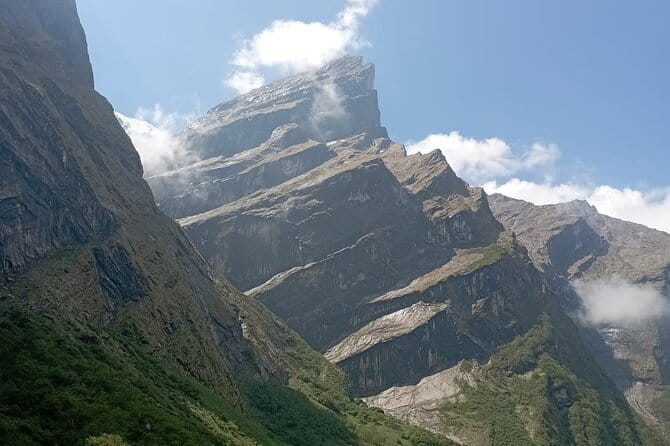
Reviewed · ANNAPURNA TREKS FROM KATHMANDU
Annapurna Base Camp Trek
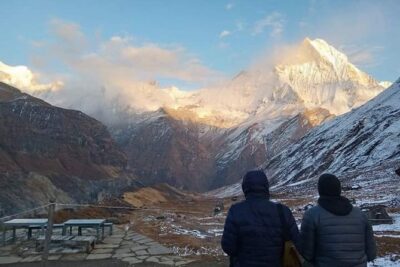
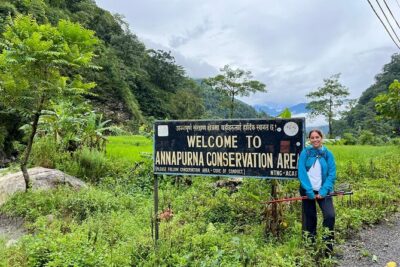
The best part of this seven-day trek is the steady change in scenery. You begin among terraced hills and Gurung villages, then move through cool forest before reaching the stark bowl of Annapurna Base Camp, surrounded by Annapurna South, Machhapuchhre, and Hiunchuli.
I like two things right away: meals, permits, transport, and trek lodging are bundled into the price, and you have a licensed local guide rather than trying to manage mountain logistics alone. Guides such as Suraj, Laku, and Anos are specifically named in recent trip accounts. The main drawback is the pace. Seven days is compact, and some walking days are long, so you need a moderate level of fitness and a willingness to start early.
Key things to know before booking
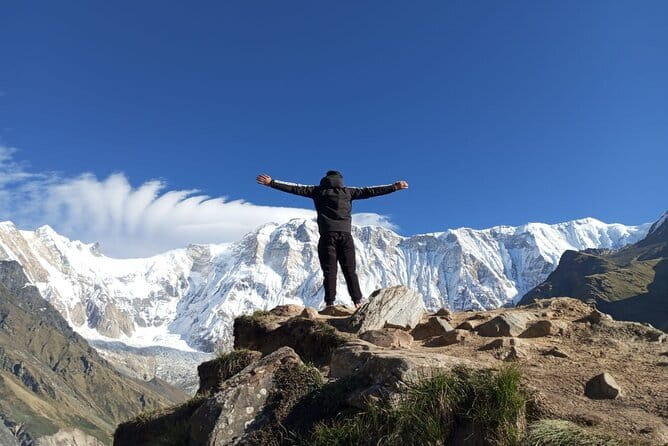
- Annapurna Base Camp is the payoff: You reach a dramatic mountain sanctuary surrounded by high peaks and glaciers.
- The route begins near Pokhara: Ground transport takes you to the trail and returns you to Pokhara at the end.
- Ghandruk adds cultural interest: The first overnight stop is a Gurung village with broad Annapurna views.
- Jhinu Danda changes the mood: The return includes a stop at the village and its hot spring.
- Most major trek costs are covered: Seven nights of lodging, meals, permits, a guide, and transport are included.
- Budget for extras: Insurance, drinks, hot water, showers, laundry, phone calls, battery charging, water bottles, and guide tips cost extra.
Why Annapurna Base Camp works in seven days
The Annapurna Base Camp route gives you a clear sense of progress. You start with farms and settled villages, pass into forest, then climb toward a high mountain basin. You are not simply walking to a viewpoint and turning around. The surroundings change each day.
The itinerary is listed as approximately seven days, with an early 4:45 am start. That start time matters because mountain transport and walking schedules can make for full days. The trip also includes seven nights of accommodation, which may reflect the way the operator packages its lodging and transport. Confirm the exact overnight plan before departure, since the day-by-day timing is presented in a compressed format.
This is a private activity for your group, not a large public departure. That can make it easier to adjust the pace or discuss a route change with your guide. One recent itinerary was changed after the guide listened to the group’s needs, a useful sign for anyone concerned about being locked into a rigid schedule. Still, flexibility cannot remove the physical demands of the trail.
More Annapurna treks:
- Annapurna Circuit Trek with Tilicho Lake
★ 5.0 · 368 reviews - Annapurna base camp trek 5 Days
★ 5.0 · 252 reviews - Annapurna Base Camp Trek
★ 5.0 · 111 reviews
Day 1: Ghandruk and the first mountain views
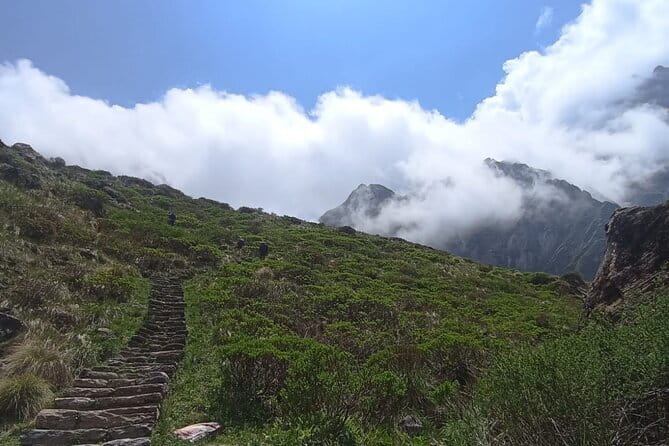
After an overnight stay in Pokhara, you have breakfast and drive beyond the city toward the trailhead. The day’s walk leads to Ghandruk and takes about four hours and ten minutes according to the schedule.
Ghandruk is an excellent opening stop. It is a Gurung village set among hills, farms, and mountain views. You may see the Annapurna range and Machhapuchhre, the distinctive peak known as Fish Tail, from the area. The first day is not just a transfer followed by a bed. It gives you an early look at village life and introduces the kind of scenery that makes this route special.
The road transfer is worth noting. You do not start walking directly from Pokhara, and the quality and length of mountain roads can affect how the day feels. If you are prone to motion sickness, prepare accordingly, though the supplied details do not specify the exact vehicle or road conditions.
Your first walking day is relatively manageable compared with the days ahead. Use it to check your boots, adjust your pack, and learn how your guide handles the group. The guide is included, and the operator has used guides such as Suraj, Laku, and Anos on this trek. You should confirm who will lead your departure before booking if a particular guide matters to you.
Day 2: Ghandruk to Chhomrong
The route from Ghandruk begins on a gradual path before climbing to Kimrong Danda, a ridge with a short break. From there, you descend through cool forest toward the Kimrong River and continue toward farm villages before reaching Chhomrong.
This is a day of repeated ups and downs. The trail does not simply point uphill toward Base Camp. You gain height, lose some of it, then climb again. That rhythm can be more tiring than a steady ascent, especially when you are carrying a daypack.
Chhomrong is an important point on the route and a practical place to spend the night. The village sits on the approach to the sanctuary and gives you a chance to rest before the trail becomes more forested and enclosed. The schedule lists about 15 hours for this day, which seems unusually long for the walking description and may include transport or a scheduling error. Ask the operator to confirm the expected walking time, departure hour, and overnight stop.
This is also a good day to discuss food and water with your guide. Breakfast, lunch, and dinner are included, along with seasonal fruit, but bottled water, hot water, showers, and drinks are not. Carry enough water for the day and keep cash available for the extras.
Day 3: Forest trails toward Bamboo

From Chhomrong, the trail drops to a bridge and climbs to Sinuwa Danda. You then enter thick forest, following winding paths with more ups and downs toward Bamboo in the Modi River gorge.
The forest changes the feel of the trek. After the open views around Ghandruk and Chhomrong, you walk beneath trees and through a narrower setting. That shade can be welcome, but the changing grade requires attention. Wet or uneven sections may make the route slower, though conditions vary by season.
Bamboo is a useful stop because it marks your movement farther into the sanctuary. The day’s schedule shows 14 hours, another figure that deserves clarification. The written route description sounds like a full trekking day, but not necessarily 14 hours of walking. Before you set out, ask for the guide’s practical estimate rather than relying on the headline duration.
The included accommodation is basic trekking accommodation rather than a city hotel. The supplied information does not specify room types or bathroom arrangements, so ask what is included at each stop. You should also expect to pay separately for battery charging and showers if they are available.
More day hikes and treks in Kathmandu:
- Everest Base Camp Trek – 14 Days
★ 5.0 · 1,499 reviews - Everest Base Camp Trekking
★ 5.0 · 485 reviews - Nagarkot Sunrise View and Day Hiking from Kathmandu
★ 5.0 · 471 reviews - Everest Base Camp Trekking – 13 Day
★ 5.0 · 365 reviews
Day 4: Entering the Annapurna sanctuary
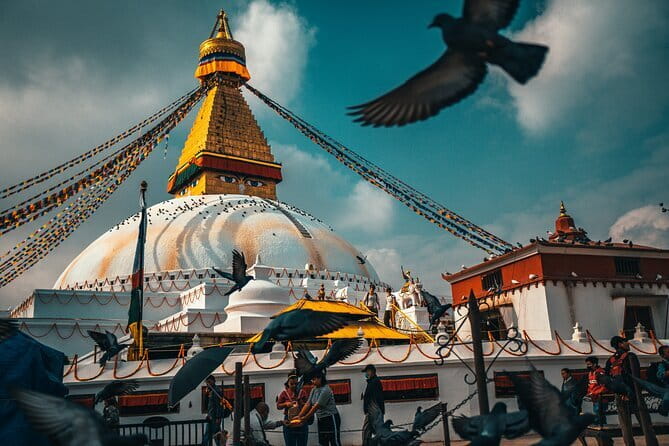
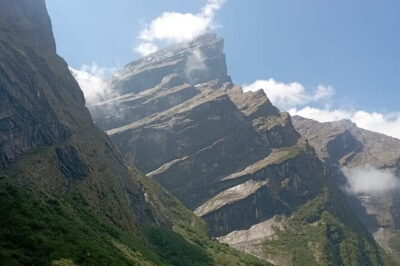
The trail moves toward the trip’s main goal, passing through forest and the Himalaya Hotel area near the large Hinko Cave. You walk beneath Annapurna South and Hiunchuli, then continue toward the higher part of the sanctuary.
This section is where the route begins to feel more remote. The scenery becomes more about rock, peaks, and the narrow mountain corridor than farms and village terraces. Hinko Cave is a memorable point along the trail, and the views of Annapurna South and Hiunchuli help you understand the scale of the mountains above.
The itinerary shows 13 hours for this day. Again, treat that figure as something to verify. It may combine the day’s full schedule with rest stops or an overnight transition, but the information provided does not explain it. Ask the operator how many hours you will actually walk and where you will sleep.
At this altitude, your guide’s judgment becomes especially important. A guide can help manage the pace and decide when the group needs a break. The strongest accounts of this trip focus on guides who paid attention to meals, lodging, planning, and group energy. That does not guarantee the same individual on your departure, but it gives you a useful question to ask: who is leading, and what is the plan if weather or fatigue changes the schedule?
Day 5: Annapurna Base Camp and the return toward Bamboo
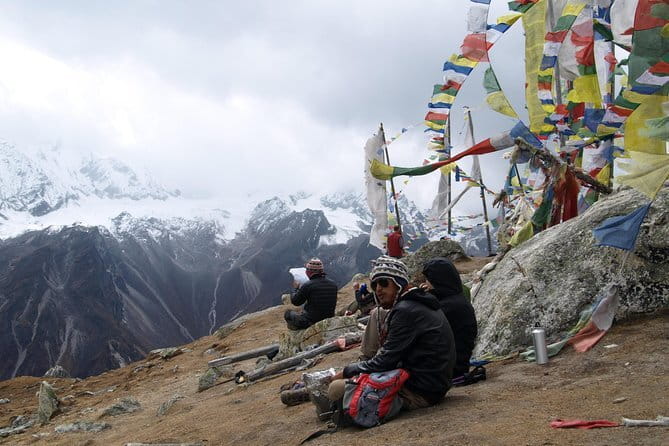
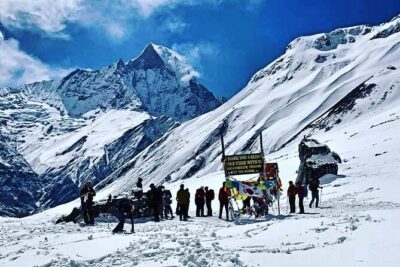
Reaching Annapurna Base Camp is the emotional center of the trek. You are surrounded by high peaks and glaciers, with Annapurna South, Machhapuchhre, and Hiunchuli among the major sights described for the route. Sunrise at Base Camp is a major reason to accept the early mornings and demanding climbs.
The Base Camp setting is not a quick photo stop. It is the point where the farms, forests, river gorge, and mountain trail come together. You get the satisfaction of seeing the route’s destination after several days of walking.
The return begins the same day, with a long descent and some short uphill sections toward Bamboo. The schedule lists only two hours for this day, but the description says the downhill walk is close to six hours. The detailed route description is the more useful warning here: expect a substantial walking day, not a brief stroll after sunrise.
Descending can be hard on knees and thighs, even when the route feels easier than the climb. Trekking poles may be useful, though they are not listed as included. You also return to tree cover and lush vegetation, a sharp contrast with the open high mountain bowl.
Day 6: Chomrong and Jhinu Danda hot springs
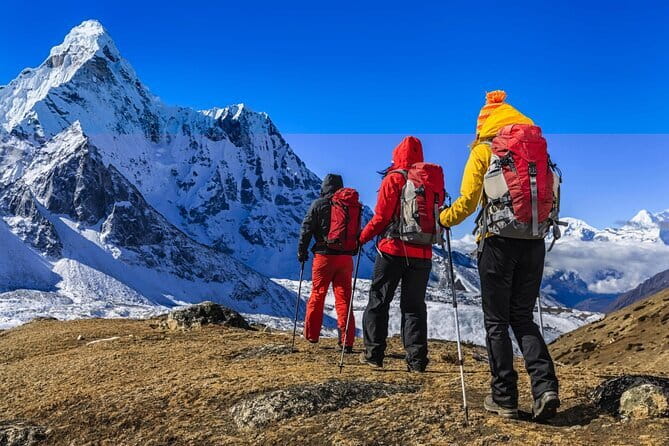
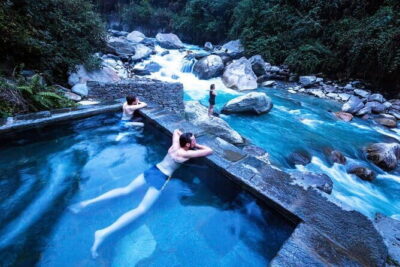
The return route goes back toward Chomrong through more uphill and downhill walking. From the Chomrong hilltop, you take a different trail toward Jhinu Danda, a hill village with broad views and hot springs.
Jhinu Danda is a smart choice for the final full day. After the cold, strenuous approach to Base Camp, a hot spring offers a more relaxed ending. The schedule gives two hours for this stop, but it does not explain whether that is walking time, time at the spring, or a partial-day estimate. Confirm how much time is planned at Jhinu and whether any entrance or local charges are separate.
The trail can feel deceptively tiring on the way down. You have already walked to Base Camp and back through changing elevations, so this is not a rest day in the usual sense. The hot spring is best viewed as a pleasant reward after the walking, not proof that the day is easy.
Day 7: Siwai to Pokhara
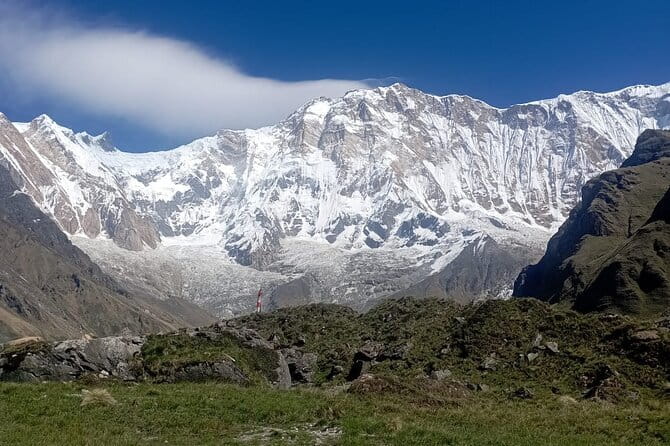
The final walking section leads to Siwai in about four hours, followed by a drive of roughly two hours to Pokhara. The route passes through lower, warmer farm areas, giving you one last change in scenery before the trip ends.
Returning to Pokhara by road makes the final day practical. You finish the trail without adding another long mountain walk, then arrive back in the city for onward plans or another night. The schedule lists a 30-minute stop at the Pokhara Museum, but the supplied itinerary does not explain whether museum admission or a formal visit is part of the day. Ask your operator if this is an actual stop or simply a listing label.
The ground transport from the trail area to Pokhara is included. The listed transport points are Pokhara to Syauli Bazar at the start and Samrung Khola to Pokhara on the return, though the itinerary also refers to Siwai. This is another detail worth confirming before you travel, since trailhead names can vary between route plans.
What the $699.67 price really covers
At $699.67 per person, the package offers a fair amount for a guided Himalayan trek. The price includes a government-licensed mountain guide, Annapurna Conservation Area Permit, TIMS card, ground transportation, seven nights of trek accommodation, seasonal fruit, and three meals each day.
That bundle matters. Permits and transport are easy to overlook when comparing prices, and food costs add up over a week. Having a local guide also gives you one person responsible for route decisions, lodging coordination, and day-to-day communication.
The price is not all-inclusive. You pay separately for travel and rescue insurance, drinks, phone calls, laundry, battery charging, bottled water, hot water, showers, and guide tips. Budget for these before you leave. Insurance is particularly important because it is excluded, and the trek reaches a high mountain setting.
The package also lists lunch seven times, dinner six times, and breakfast seven times. That fits a seven-day schedule with some meals affected by arrival and departure timing, but ask the operator to explain the exact meal plan. The inclusion of seasonal fruit is a small but welcome touch on a strenuous route.
Guides, group style, and practical comfort
This is a private tour, so only your group participates. That format suits people who want direct contact with a guide and less concern about keeping up with a large mixed group. It may also make it easier to request reasonable adjustments, although the guide still has to respect weather, trail, and safety conditions.
The strongest guide names associated with this experience are Suraj, Laku, and Anos. Their described strengths include keeping spirits up, helping with accommodation and meals, adjusting plans, and staying attentive to the group. If you want one of these guides, request that person well in advance, especially during the busy hiking season. Assignment is not guaranteed unless the company confirms it.
The required fitness level is moderate. That phrase should not be read as easy. You will face long walking days, repeated climbs and descents, forest trails, and a high-altitude Base Camp. The itinerary’s time estimates are inconsistent, so ask for realistic daily walking hours before committing.
Pickup is offered, and the meeting time is 4:45 am. Confirm where pickup occurs and whether your Pokhara accommodation falls within the service area. The experience provider is Nepal High Trek & Expedition Pvt. Ltd.
Cancellation is free up to 24 hours before the local start time for a full refund. A late cancellation or late change is not accepted for a refund. Poor weather or failure to meet the minimum number of participants can lead to a different date, another experience, or a full refund.
Who should book this trek?
I would choose this trek if you want the classic Annapurna Base Camp route in a short, organized package and you value having transport, meals, permits, and a guide handled together. It suits an active person who is comfortable walking for several hours a day and accepting simple mountain accommodation.
I would think twice if you want a relaxed holiday, dislike early starts, or need precise daily timing. The seven-day format leaves little spare time, and the published schedule contains several duration mismatches. Ask for a corrected itinerary before paying.
FAQ
How long is the Annapurna Base Camp Trek?
The experience lasts approximately seven days, beginning near Pokhara and ending with transport back to Pokhara.
What time does the trek start?
The listed start time is 4:45 am. Confirm the exact pickup location and departure details with the operator.
Is transportation included?
Yes. Ground transportation is included between Pokhara and the trail areas, including the listed routes from Pokhara to Syauli Bazar and from Samrung Khola to Pokhara.
Are meals included?
Yes. Breakfast, lunch, and dinner are included during the trek, along with seasonal fruit. The package lists seven breakfasts, seven lunches, and six dinners.
Are permits included?
Yes. The Annapurna Conservation Area Permit and TIMS card are included.
Is travel insurance included?
No. Travel and rescue insurance are not included and must be arranged separately.
What happens if bad weather cancels the trek?
If poor weather causes cancellation, you will be offered a different date or a full refund. A different date, another experience, or a full refund may also be offered if the minimum number of participants is not met.
Should you book it?
Book this trek if you want a compact route to Annapurna Base Camp with the major practical costs bundled and a local guide at your side. The village stays, changing scenery, mountain sunrise, and Jhinu Danda hot spring give the week a satisfying shape.
Before booking, get the daily walking hours, exact overnight locations, pickup point, assigned guide, and trailhead transfers in writing. If those details are clear and you are ready for long mountain days, the $699.67 package offers a sensible way to reach one of Nepal’s great trekking destinations.
Just added around Kathmandu
- Traditional Momo Making Class★ 5.0 · 10 reviews
- Wildlife Adventure in Chitwan Nepal★ 4.0 · 4 reviews
- Walking tour of real Kathmandu through back streets.★ 5.0 · 3 reviews
- Kathmandu 2 Nights 3 Days Chitwan Jungle Safari Tour★ 5.0 · 9 reviews
- Kathmandu Street Food Walking Tour – Eat Like a Local★ 5.0 · 3 reviews
- Private Manaslu Circuit Trek at Himalayas★ 5.0 · 3 reviews
- Walking tour of Kathmandu with awesome local guides★ 5.0 · 4 reviews
- Visit Swayambhunath and Bauddhanath Stupa with Guide★ 5.0 · 5 reviews
Annapurna Treks from Kathmandu, compared.
Kathmandu to Annapurna Base Camp (ABC) 5-Day Trek
Read our review →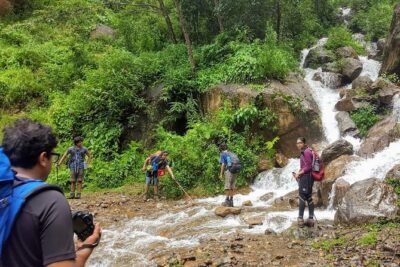
11-Day Hike Tour to Annapurna Base Camp Bliss in Kathmandu
Read our review →Browse the lists this tour appears in