
Reviewed · ANNAPURNA TREKS FROM KATHMANDU
Annapurna base camp -9 days
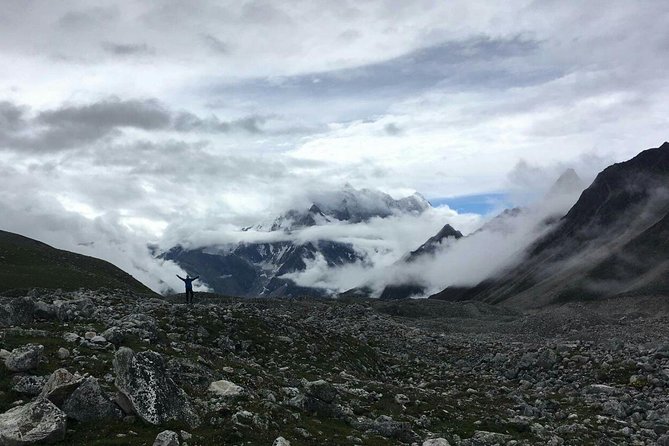
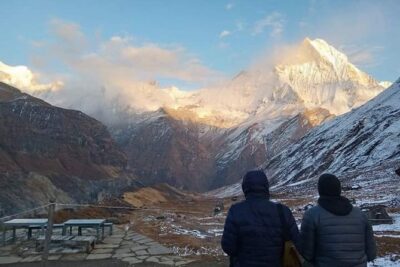
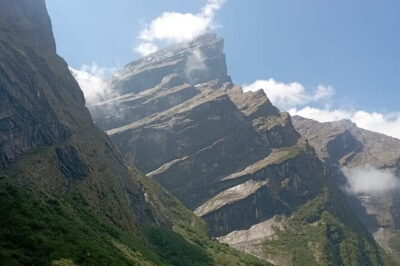
Annapurna Base Camp gives you a compact taste of high-altitude Nepal, moving from Gurung villages and terraced fields into the stark Annapurna Sanctuary. The reward is a close view of Himchuli, Annapurna South, Machhapuchchhre, and the Annapurna range without committing to a much longer Himalayan trek.
I like the strong mix of culture and mountain scenery, and I like that the package covers permits, meals, guide costs, transport, a sleeping bag, and a down jacket. The main caution is the pace: several days run five to six hours, with steep stone steps, and the published day-one description appears inconsistent with the stated arrival arrangements.
Key points to know before booking
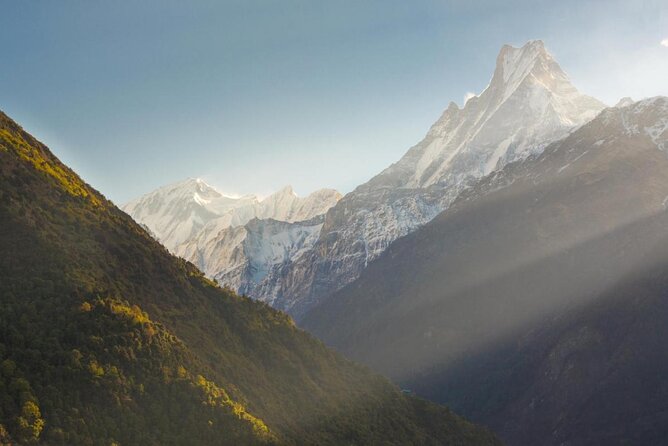
- The trek reaches Annapurna Base Camp after Machhapuchhare Base Camp, crossing from forest into the treeless Annapurna Sanctuary.
- Dhampus, Landrung, and Chhomrong bring you into villages associated with Gurung, Magar, and Brahmin communities.
- The package price is $693.34 per person, but a porter costs an additional $220 per person.
- Meals, permits, guide costs, and trekking equipment are included, while insurance, Kathmandu accommodation and food, tips, and personal spending are not.
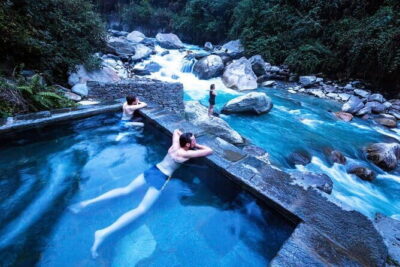
- Jhinu offers natural hot springs, a useful comfort stop after several demanding days.
- The trip is private, so only your own group takes part, with a licensed English-speaking guide.
What the $693.34 price really covers
At $693.34 per person, this is a useful package for someone who wants the main arrangements handled rather than piecing the trek together alone. The price includes airport pickup and drop-off in a private vehicle, tourist-bus transport between Kathmandu and Pokhara, guide expenses, trekking permits, accommodation, and all listed breakfasts, lunches, and dinners.
You also receive a returnable down jacket and sleeping bag. Those items matter because mountain nights can be cold, and renting or buying gear separately adds both cost and planning time.
The package includes nine nights of accommodation, though the advertised duration is nine days and the day-by-day description begins with airport arrival before the actual trek starts. I would ask the operator to confirm exactly where each night is spent and whether the Kathmandu arrival night is part of the package.
The main extra cost is a porter, listed at $220 per person. You can decide if that is worth it based on your own pack and fitness. A porter can make the steep sections much more manageable, but the price should be added to your total before comparing this trip with other Annapurna options.
You still need to budget for international airfare, visa charges, medical and travel insurance, Kathmandu food and accommodation, tips, hot showers, laundry, telephone use, snacks, drinks, and emergency costs such as a chartered helicopter. Flights between Kathmandu and Pokhara are optional and cost extra, while the standard plan uses a tourist bus.
More Annapurna treks:
- Annapurna Circuit Trek with Tilicho Lake
★ 5.0 · 368 reviews - Annapurna base camp trek 5 Days
★ 5.0 · 252 reviews - Annapurna Base Camp Trek
★ 5.0 · 111 reviews
Arrival in Kathmandu and the route to Pokhara
The meeting point is Tribhuvan International Airport in Kathmandu, with a listed start time of 6:30 a.m. Airport pickup and hotel transfer are included in a private vehicle.
The package description says the main trek begins on the second day of arrival. The first itinerary entry is labeled Poon Hill, with six hours listed, but its description focuses on airport pickup and transfer to a hotel. That mismatch is worth clearing up before you pay. It may simply be a formatting error, but you should know whether you have a free arrival day, a Kathmandu night, or a transfer toward Pokhara.
The road from Kathmandu to Pokhara is included by tourist bus. That option keeps the cost down, though it takes longer than flying and can make the first trekking day feel more tiring. An optional flight is available for an extra charge, but the supplied details do not state the flight price or schedule.
You receive a complimentary welcome or farewell dinner at a cultural restaurant in Kathmandu. Food and accommodation in Kathmandu outside that dinner are not included, so plan for those separately.
Day 2: Phedi, Dhampus, and first mountain views
The trekking route begins with a drive from Pokhara to Phedi. From there, you walk uphill toward Dhampus, a pleasant Gurung village with views of Himchuli, Annapurna South, and Machhapuchchhre, also known as Fishtail.
This is a good opening day because it gives you a village setting and a first look at the mountains before the route becomes more remote. The walking time is listed as about four hours, enough to get your legs working without immediately facing the longest sections.
Dhampus is also a useful reminder that this is not only a mountain-view trip. The route passes through communities with Gurung and Magar connections, and the villages, fields, and local lodges are part of the experience.
Day 3: Landrung, Jhinudanda, and the Chhomrong area
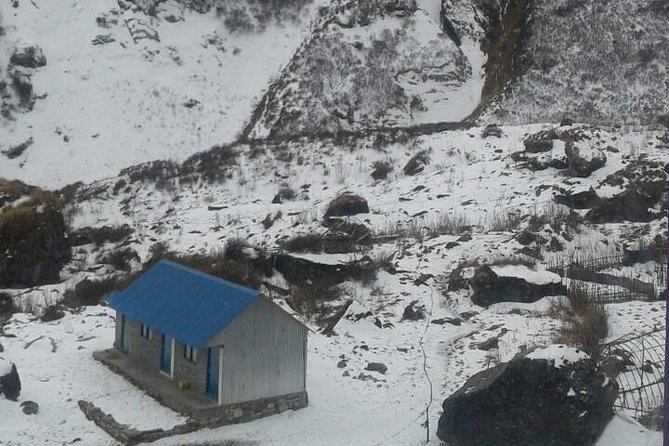
The trail descends through oak forest and terraced fields to Landrung. The village is described as home to Gurung, Magar, and Brahmin communities, giving you another look at the cultural variety along the route.
From Landrung, the path continues down to Jhinudanda before reaching the Chhomrong area. The walking time is about five hours.
This day has a useful rhythm of forest, farm terraces, and village paths, but do not mistake the descent for an easy day. Downhill walking can be hard on knees, especially when stone steps appear. Trekking poles are a sensible item to bring, though the package details do not say that poles are supplied.
Accommodation is in teahouses or local lodges along the route. One especially helpful detail from past trips is that the rooms were described as clean, comfortable, and safe, but you should still expect simple mountain lodging rather than hotel facilities.
Same city, a completely different sort of day:
- Everest Base Camp Trek – 14 Days
★ 5.0 · 1,499 reviews - Private Kathmandu Sightseeing Tour | UNESCO World Heritage sites
★ 5.0 · 756 reviews - Everest Base Camp Helicopter Tour landing at Everest View Hotel
★ 5.0 · 668 reviews - Half day cooking class in Thamel kathmandu
★ 5.0 · 607 reviews
Day 4: Sinuwa and the Modi Khola valley
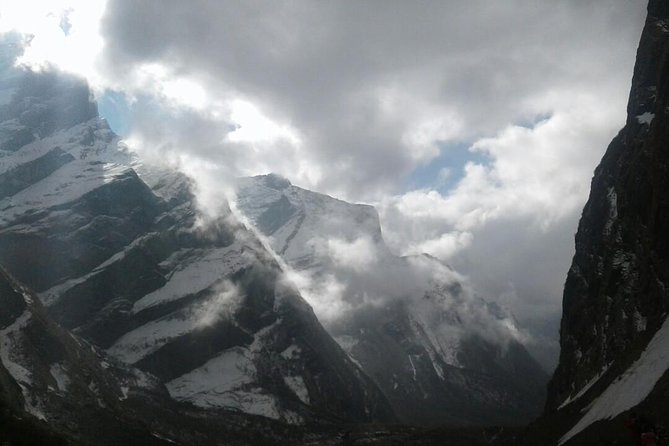
From Chhomrong, you cross a bridge and climb toward Sinuwa Danda. The route then enters thick rhododendron forest and continues toward Khuldighar.
After Khuldighar, the path drops down a long, steep stone staircase before continuing through the valley. The day is listed at about five hours, but the terrain is the important part. Short distances can take time when the trail keeps changing from ascent to descent.
The forest is one of the pleasures of the lower Annapurna route. Rhododendrons, bamboo, and oak create a cooler setting before the route rises toward the high sanctuary. The wider Annapurna region is also known for birdlife, including the colorful Impeyan and blood pheasant, along with many other birds, butterflies, and insects. Sightings are not guaranteed, but the route gives you more than a bare mountain corridor.
Day 5: Bamboo, the sacred valley, and Machhapuchhare Base Camp
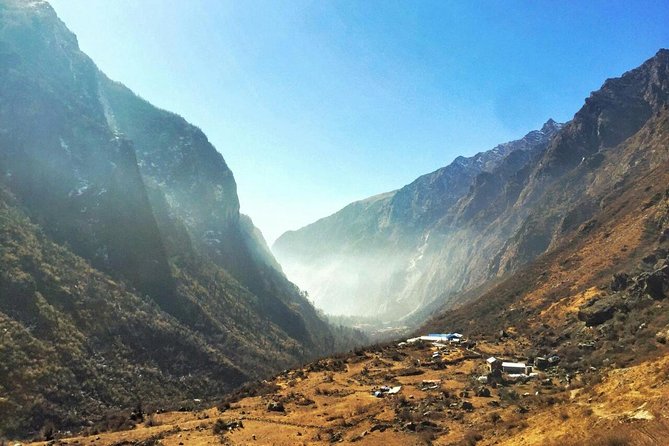
The route follows the banks of the Madi River on a gradual ascent through a sacred valley. The description notes that meat and fish are not allowed in this area because of Buddhist and Hindu beliefs. Bamboo becomes a familiar part of the trail as you continue upward.
The destination is Machhapuchhare Base Camp, with about six hours of walking. This is one of the most important days for pacing. You are gaining height, and the route is no longer just a village walk through moderate country.
Machhapuchchhre is one of Nepal’s most recognizable peaks, with its distinctive fishtail shape. The base camp is not the final goal, but it marks the transition from forest and vegetation into the open, high mountain area.
Food choices may become more limited as you go higher. Since the package includes breakfast, lunch, and dinner, your meals are handled, but personal snacks and drinks are not listed. Bring extra spending money for those small purchases.
Day 6: Annapurna Base Camp and the Sanctuary
From Machhapuchhare Base Camp, the trees and vegetation fall away. You enter the Annapurna Sanctuary, described as a desert-like wilderness surrounded by high peaks.
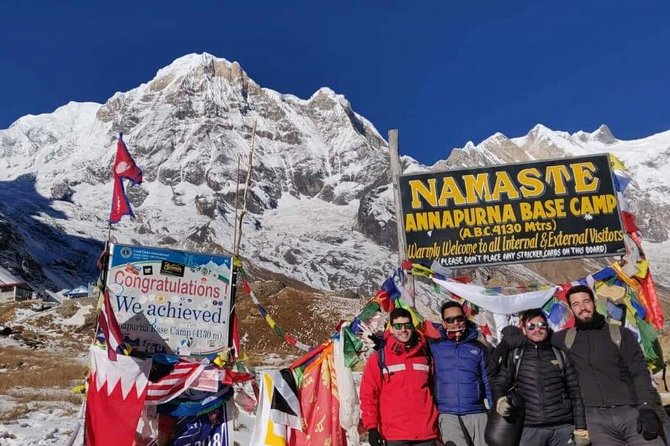
The walk to Annapurna Base Camp takes about five hours. This is the trip’s central goal, but the value is not only the sign or destination. You are walking into a natural bowl surrounded by the Annapurna range, with a much closer sense of the scale of the mountains than you get from Pokhara.
The route is short on paper compared with the earlier days, but the altitude and exposed setting can make it feel demanding. Go at the guide’s pace, take regular breaks, and pay attention to how you feel. The provided information does not specify altitude acclimatization arrangements, so ask the operator how they handle changes in pace or illness.
At the base camp, you have the strongest chance of seeing the huge mountain walls around the sanctuary. The main peaks named for this trek include Annapurna South, Himchuli, Machhapuchchhre, and the wider Annapurna range.
Day 7: Sunrise, the Annapurna range, and the descent to Bamboo
The day begins early with a wake-up call for sunrise in the Annapurna Sanctuary. This is the best time for clear mountain views and soft light, though conditions in the mountains can change quickly.
After sunrise, you descend beside the Modi Khola River toward Bamboo Hut. The day is listed at about six hours.
The descent is not a gentle stroll. You are reversing much of the route through steep terrain, and tired legs can make downhill steps harder than the uphill sections. This is where good footwear, careful footing, and a sensible pace matter.
The biological change is part of the appeal. You move from treeless high country back toward bamboo and forest. In a short period, the route shows how sharply the Annapurna region changes with altitude.
Day 8: Chhomrong, Jhinu, and the hot springs
The eighth day begins with an uphill trek to Sinuwa, followed by a descent to the Chomrong Khola River. Another climb takes you to Chhomrong before the final descent to Jhinu.
The total walking time is about six hours, so the hot springs at Jhinu arrive at a welcome point in the route. The description says you can visit the natural hot springs, but it does not specify whether admission, towels, or transport are included. Ask your guide about the practical details.
Jhinu is also a good place to slow down. Several past trips were adjusted to suit personal schedules, including an eight-day version with an extra night at the hot springs. That suggests some flexibility may be possible, but you should agree to changes before relying on them.
Day 9: Nayapul and the return to Pokhara
The final trekking day is an easier descent to the banks of the Modi Khola River and on to Nayapul. The walk takes about five hours.
From Nayapul, a private car takes you back to Pokhara in about one and a half hours. The plan then transfers you to your hotel, though the supplied details do not make clear whether that hotel is in Pokhara or Kathmandu at this point.
This last day is a practical finish. You do not end with a long, complicated public-transport connection after the trek. Still, confirm the final night, the onward route to Kathmandu, and whether the tourist bus back to Kathmandu is included in the same schedule.
Guides, porters, and the private group setup
The trip uses a licensed English-speaking guide, and only your own group participates. That private format can make a real difference on a trek. You can discuss walking speed, rest breaks, and small itinerary changes without being tied to a large group.
Named guide and porter pairings from past trips include Binod with Rajendra, Sona with Rahul, and Binod with Bikash. Binod is described as cheerful and experienced, while Sona and the porters were praised for care, humor, and practical support. These names do not guarantee who will lead your trek, so ask for the assigned guide before departure.
The guide carries a first-aid medical kit, and guide transport, food, accommodation, and insurance are included. Tips are not included. The package does not say how much luggage a porter carries, so confirm the porter arrangement and any weight limit before booking.
Who should choose this Annapurna trek
I would consider this trip if you want a guided introduction to Annapurna with meals and permits arranged for you. It suits someone with moderate physical fitness who can handle five to six hours of walking and repeated steep steps.
It is a strong choice for a private group, a solo trekker who wants a dedicated guide, or a family group with older children who are already comfortable with sustained walking. Past arrangements included solo guests and changes to fit flight plans, though the package itself does not promise a specific age range or customized route.
I would be cautious if you want a relaxed holiday with short walking days, private bathrooms, or a fully itemized altitude plan. The route is physically serious, and several important costs remain outside the base price.
For cancellation, you can receive a full refund if you cancel at least 24 hours before the local start time. Changes or cancellations inside that window are not accepted for a refund.
Should you book the nine-day Annapurna Base Camp trek?
Book it if you want a well-covered trekking package with mountain scenery, village life, a private group, and a guide handling the main logistics. The included meals, permits, guide expenses, sleeping bag, down jacket, and transport give the $693.34 price solid value, especially if you would rather not arrange each part yourself.
Before booking, get written confirmation of the day-one schedule, all nine nights, the Kathmandu and Pokhara hotel arrangements, the porter fee, and the return journey after Nayapul. If those details match your plans, this is a practical route to Annapurna Base Camp with a good balance of forest, culture, high mountain scenery, and a hot-spring finish.
FAQ
Where does the trek start?
The meeting point is Tribhuvan International Airport in Kathmandu, Nepal. The listed start time is 6:30 a.m., with airport pickup in a private vehicle.
How long is the Annapurna Base Camp trek?
The advertised duration is approximately nine days. The package also lists nine nights of accommodation.
Is transportation from Kathmandu to Pokhara included?
Yes. Tourist-bus transportation from Kathmandu to Pokhara and back to Kathmandu is included. An optional flight is available for an extra cost.
Are meals included?
Yes. The package includes nine breakfasts, nine lunches, and nine dinners. Food in Kathmandu outside the included cultural dinner is not included.
Is a porter included?
No. A porter is listed as an additional cost of $220 per person.
Do I need travel insurance?
Yes. Your own travel and medical insurance is not included. Emergency expenses, including a possible chartered helicopter, are also excluded.
Can I cancel for a full refund?
Yes, if you cancel at least 24 hours before the experience start time. Cancellations or changes made less than 24 hours before the start time are not eligible for a refund.
Just added around Kathmandu
- Traditional Momo Making Class★ 5.0 · 10 reviews
- Wildlife Adventure in Chitwan Nepal★ 4.0 · 4 reviews
- Walking tour of real Kathmandu through back streets.★ 5.0 · 3 reviews
- Kathmandu 2 Nights 3 Days Chitwan Jungle Safari Tour★ 5.0 · 9 reviews
- Kathmandu Street Food Walking Tour – Eat Like a Local★ 5.0 · 3 reviews
- Private Manaslu Circuit Trek at Himalayas★ 5.0 · 3 reviews
- Walking tour of Kathmandu with awesome local guides★ 5.0 · 4 reviews
- Visit Swayambhunath and Bauddhanath Stupa with Guide★ 5.0 · 5 reviews
Annapurna Treks from Kathmandu, compared.
Kathmandu to Annapurna Base Camp (ABC) 5-Day Trek
Read our review →
Browse the lists this tour appears in