
Reviewed · EVEREST BASE CAMP TREKS FROM KATHMANDU
Short Everest Base Camp Trek 10 Days
The great prize here is not simply reaching Everest Base Camp. It is the steady change from busy Kathmandu to Sherpa villages, suspension bridges, high mountain passes, and the stark world around the Khumbu Glacier. In ten days, you reach Base Camp at 5,364 meters and Kala Patthar at 5,545 meters, which makes this a fast, demanding route.
I like the small maximum group of 15 and the fact that domestic flights, permits, transfers, lodging, and guide costs are arranged. I also like the human side of the trip. Guides including Mohan, Padam, AJ, and Anjan are specifically praised for patience, clear evening briefings, health checks, storytelling, and practical help.
The catch is the pace. You climb high quickly, and the itinerary leaves little spare time for poor weather, flight delays, or altitude trouble. Meals are not included, porters cost extra, and you need serious preparation rather than ordinary holiday fitness.
Key points at a glance
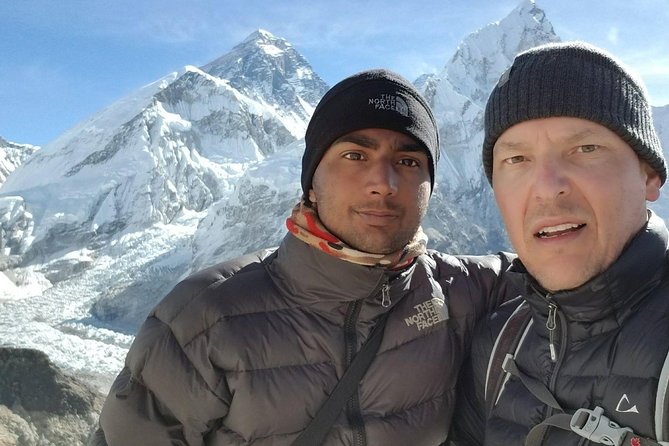
- Reach Everest Base Camp on day six, after walking from Lukla through Phakding, Namche Bazaar, Tyangboche, Dingboche, and Lobuche.
- Climb Kala Patthar at sunrise on day seven, the high point of the trip at 5,545 meters.
- Fly between Kathmandu and Lukla, with each flight listed at about 25 minutes, though mountain weather can affect schedules.
- Stay in tea houses and lodges, giving you a simple, practical base in remote mountain villages.
- Get an English-speaking guide and covered guide expenses, while porters, meals, equipment, tips, and insurance remain your responsibility.
- Pay $1,400 per person, a useful package price for the included flights, permits, accommodation, transfers, and guide support.
What this 10-day Everest route is really like
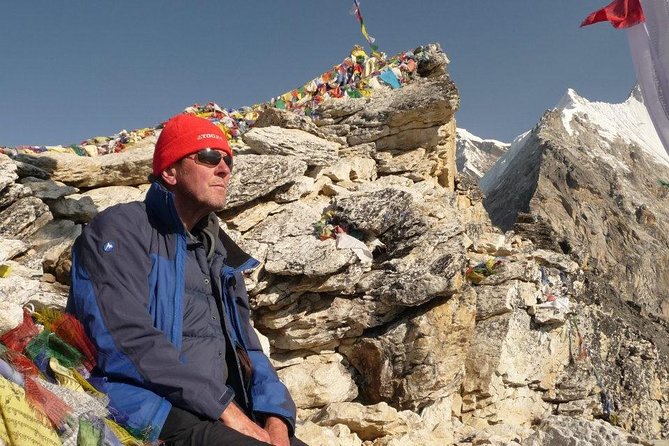
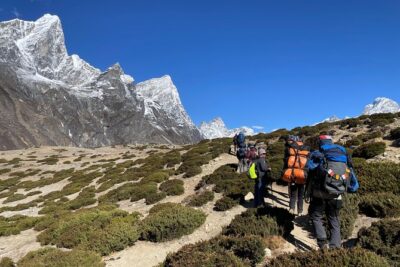
This is a compressed Everest Base Camp program. The path follows the classic approach through the Khumbu region, but the schedule gives you only a short time to gain altitude and return. You will walk for roughly five to eight hours on most trekking days, often on rocky or uneven ground.
The route is physically serious because the elevation keeps rising. Lukla sits far above Kathmandu, Namche reaches 3,440 meters, Dingboche 4,260 meters, Gorakshep 5,140 meters, Base Camp 5,364 meters, and Kala Patthar 5,545 meters. Those numbers are not decoration. They explain why a strong fitness level is required and why your guide’s judgment matters.
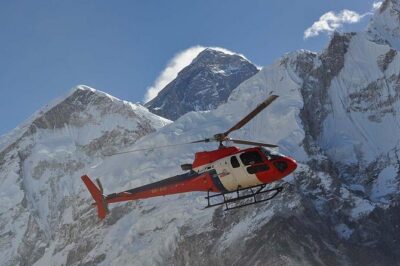
The trip is run by Welcome Nepal Treks P.ltd. Your package includes an experienced English-speaking guide, guide and porter insurance and expenses as specified, trekking permits, domestic airport taxes, private transfers in Kathmandu, and tea-house accommodation. Emergency helicopter arrangements are included, but the rescue cost is to be paid by your travel insurance company.
More Everest Base Camp treks:
- Everest Base Camp Trek – 14 Days
★ 5.0 · 1,499 reviews - Everest Base Camp Trekking
★ 5.0 · 485 reviews - Everest Base Camp Trekking – 13 Day
★ 5.0 · 365 reviews
Day one: Kathmandu to Lukla, then Phakding
The first morning starts early, at about 6:15 am. You fly from Kathmandu to Lukla with a domestic airline such as Tara, Summit, or Sita Air. The flight is listed as roughly 25 minutes, followed by about three and a half hours of walking to Phakding.
Lukla is the practical gateway to the Everest region, and reaching it by air saves several days of road travel and walking. From there, the trail begins at once. Your first day is not a full mountain marathon, but you still need to adjust quickly from airport routine to a walking schedule.
Phakding is your first tea-house stop. This is a sensible opening night because it keeps the first walking day moderate before the longer climb to Namche Bazaar. You should use the evening to check your boots, layers, water, and day bag. There is little value in discovering a loose strap or uncomfortable shoe once the route gets harder.
Day two: The long walk to Namche Bazaar
After breakfast in Phakding, you follow the Dudh Koshi River toward Namche Bazaar. The walk takes about six hours and includes views of Thamserku across the river.
Namche, at 3,440 meters, is the main trading and service center of the Khumbu region. It is also the first place where the altitude becomes a serious part of the trip. The day is longer than day one, and the trail gains height, so your pace should be conservative.
I like this section because it introduces the region through villages and river crossings rather than dropping you straight into a high camp. Still, the program does not list a separate acclimatization day in Namche. That is an important limitation. You should follow your guide’s pace, drink regularly, and report symptoms early rather than trying to prove your toughness.
Day three: Namche to Tyangboche
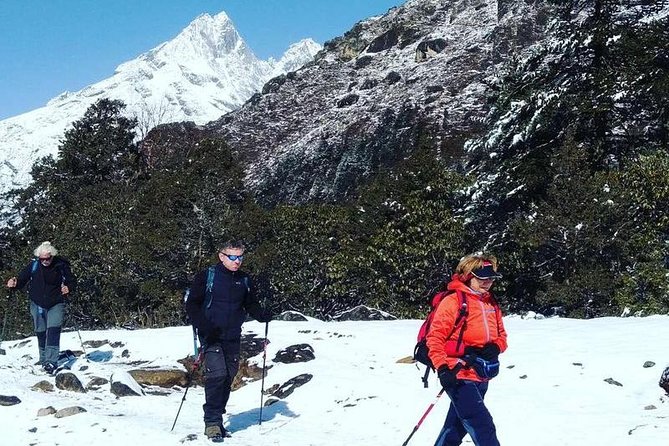
The route to Tyangboche takes about five hours. You leave Namche and walk beside steep ground above the Dudh Koshi, with wide mountain views along the way.
Tyangboche, at 3,867 meters, is one of the memorable stops on this route. The approach passes through rhododendron forest and opens toward some of the region’s famous peaks. The combination of forest, high ridges, and mountain views gives this day more variety than the bare upper trail.
The walking time is shorter than the previous day, but the altitude continues to rise. That matters more than the clock. A five-hour day at this height can feel harder than a longer walk at low elevation, especially if your body has not yet adapted.
More day hikes and treks in Kathmandu:
- Nagarkot Sunrise View and Day Hiking from Kathmandu
★ 5.0 · 471 reviews - Annapurna Circuit Trek with Tilicho Lake
★ 5.0 · 368 reviews - Everest Base Camp Trek -14 Days
★ 5.0 · 321 reviews - Annapurna base camp trek 5 Days
★ 5.0 · 252 reviews
Day four: Forest trails and the Imja Khola
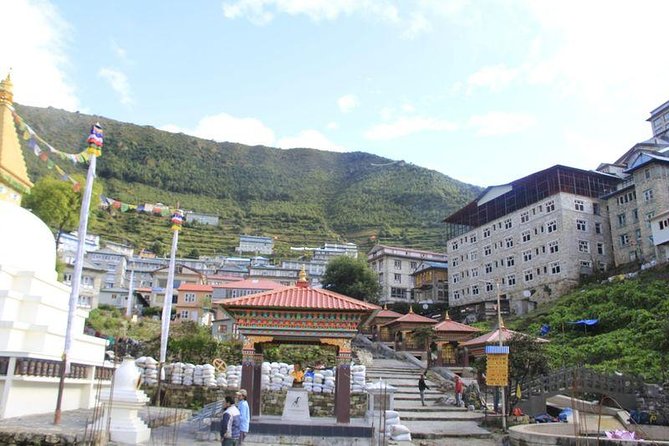
From Tyangboche, you descend through rhododendron forest toward Deboche. You then cross a suspension bridge over the Imja Khola before continuing toward Dingboche.
Dingboche sits at 4,260 meters. The route takes about five hours, but the stop marks a major change in the trip. Vegetation becomes less dominant, the air feels thinner, and the mountains begin to look closer and more severe.
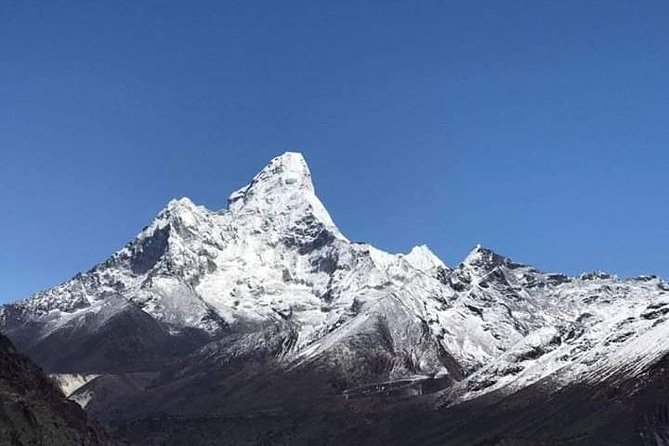
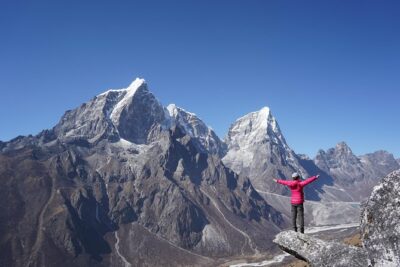
The scenery includes views toward some of the region’s major peaks, including Ama Dablam, Lhotse, Nuptse, and Thamserku. The attraction here is not one single viewpoint. It is the gradual shift from river valleys and woodland to open high-country trails.
This is another day when you should let the guide set a measured pace. The guides praised by past clients, including Padam and Anjan, were noted for going slowly to keep people safe and explaining the plan each evening. That kind of communication is especially useful here.
Day five: Dingboche to Lobuche
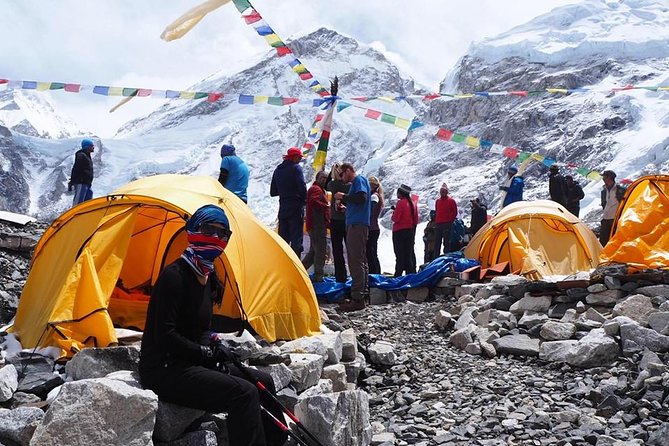
The walk from Dingboche to Lobuche takes about five and a half hours at a normal pace. The trail first reaches Pheriche, then continues through increasingly rugged country toward Lobuche.
This section is a bridge between village trekking and the high route to Base Camp. The views include the Khumbu Glacier area, and the surrounding peaks become more dominant. You are also preparing for the hardest day, so this is not the place to race ahead for a better photograph.
Lobuche is high, cold, and basic. Tea-house lodging is part of the package, but you should not expect hotel comfort. The accommodation gives you a bed and a place to stop, while meals, personal drinks, and other expenses are paid separately.
Day six: Lobuche to Everest Base Camp via Gorakshep
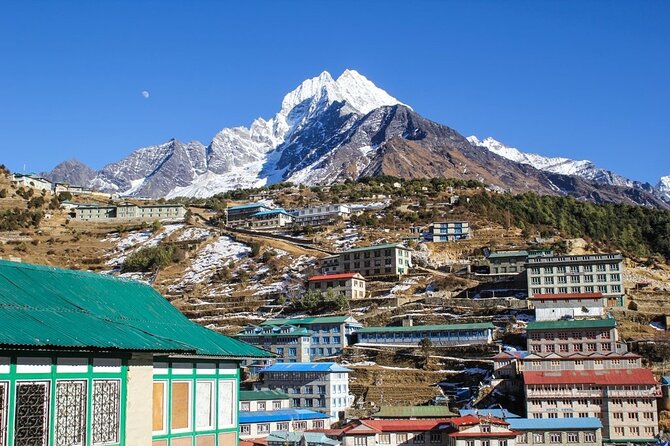
Day six is the main event, and it is also the longest and most demanding day. You walk from Lobuche to Gorakshep at 5,140 meters, then continue to Everest Base Camp. The total walking time is listed at about eight hours.
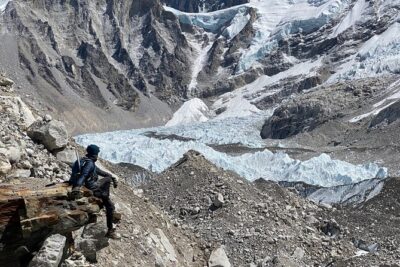
The trail becomes rocky as it follows the Khumbu Glacier. You will see Nuptse, Pumori, and other high peaks from the route. The Base Camp itself is a mountaineering staging area rather than a permanent village or a comfortable viewing platform. Its power comes from the setting and from knowing what expeditions attempt from this remote point.
At 5,364 meters, your breathing and pace will matter. This is a day to keep your attention on your body, not only on the camera. If the guide advises a slower pace or a change in plan, take that seriously.
Gorakshep is the overnight stop. The schedule then sends you back toward Pheriche the next day, which avoids spending another night at the highest accommodation point.
Day seven: Kala Patthar at sunrise, then Pheriche
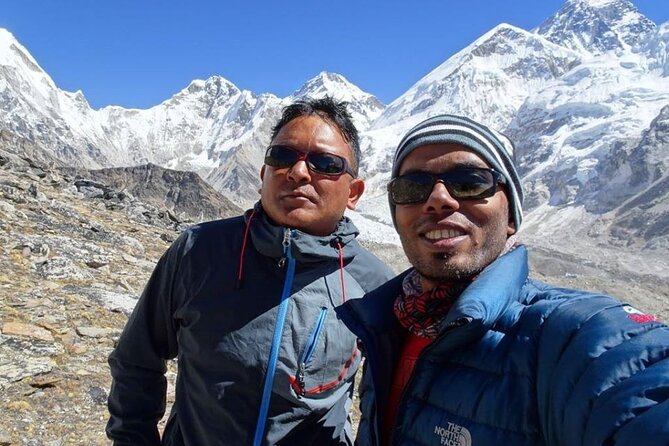
You rise early for the climb to Kala Patthar, reaching 5,545 meters for sunrise. Afterward, you descend to Pheriche at 4,243 meters. The day is listed at about seven hours.
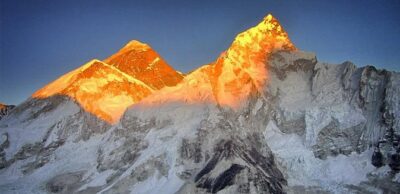
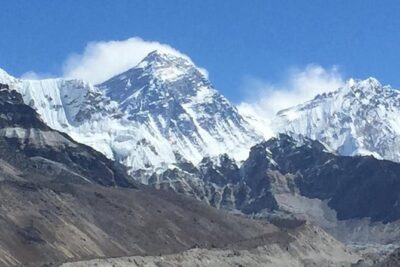
For many people, Kala Patthar provides the clearest mountain view of the trip. From the high ridge, you can see Everest, Pumori, Makalu, Nuptse, and other peaks in the early light. Base Camp gives you the destination name, but Kala Patthar gives you the broad mountain view that many people picture before coming to Nepal.
The combination of an early start, thin air, and a steep climb makes this another tough day. You will want warm layers, a headlamp if required by the departure arrangements, and enough water for the morning. The details of equipment are not supplied, so you must bring or arrange your own personal trekking gear.
Days eight and nine: The return to Namche and Lukla
The route turns back through the Khumbu. The schedule describes a walk to Namche Bazaar, with traditional villages such as Khumjung and Khunde along the way, followed by a seven-hour day. The wording in the supplied plan is inconsistent about the starting village for this section, so confirm the exact day-eight route with the operator before departure.
These villages add cultural interest to the return journey. After the hard work above Gorakshep, the lower altitude and more settled communities can feel like a relief. You still have substantial walking ahead, so do not treat the descent as effortless. Downhill paths can be tiring on knees and ankles.
Day nine takes you from Namche to Lukla in about seven hours. Lunch is served along the way, and you spend the final night in a tea-house lodge. This is your buffer before the flight back, though the schedule does not promise an extra weather day.
Day ten: Lukla to Kathmandu
The return flight to Kathmandu is scheduled for early morning and takes about 25 minutes. A representative meets you at Tribhuvan International Airport and transfers you to your hotel. A farewell dinner is planned at Bhojan Griha in the evening.
The short flight time hides an important practical point: Lukla flights are sensitive to mountain conditions. The package includes the flight fare and domestic airport tax, but the itinerary does not describe a separate contingency day. Keep your onward plans flexible if possible.
What the $1,400 price includes, and what it does not
At $1,400 per person, the package covers several expensive and complicated pieces: Kathmandu airport and hotel transfers by private vehicle, return Kathmandu to Lukla flights, domestic airport tax, permits, tea-house accommodation, and an English-speaking guide.
It also covers the guide’s listed salary, food, accommodation, equipment, transportation, and insurance. Porters are available at extra cost, with one porter suggested for two people. That is worth considering because carrying all your own gear for ten days adds strain at altitude.
Meals are not included. You pay for breakfast, lunch, and dinner during the trek, as well as personal drinks and other personal expenses. Tips for the guide and porter are expected. Personal trekking equipment is also your responsibility.
Travel insurance must include emergency high-altitude rescue and evacuation. The operator can arrange emergency helicopter service, but your insurance company pays the bill. Do not confuse that arrangement with included rescue coverage.
The guide makes a major difference
The strongest part of this experience is the guide support. Mohan is praised for being kind and flexible. AJ is described as giving clear evening explanations of the next day’s plan. Padam is noted for patience, practical advice, medical awareness, and careful pacing. Anjan is praised for explaining the route and helping keep the trekker healthy.
These are useful qualities, not just pleasant extras. On a fast high-altitude itinerary, you need someone who notices problems, explains changes, and does not confuse speed with success.
The group is capped at 15 people, which is small enough for a guide to keep track of the party better than on a large commercial departure. Still, group pace can vary. Ask how the guide handles different walking speeds before you commit.
Who should book this trek?
You should consider this trip if reaching Everest Base Camp is a major goal, you have strong physical fitness, and you prefer an arranged package rather than organizing flights, permits, lodging, and transfers yourself.
It suits people who value practical mountain support and can accept basic tea-house accommodation. It may also suit a first Himalayan trekker who wants a guide, though first-time high-altitude walking still requires serious preparation.
I would be cautious if you need a relaxed schedule, private rooms, included meals, or generous acclimatization time. The ten-day format is efficient, but efficiency is not the same as comfort. Add extra days elsewhere in Nepal if you want a gentler overall holiday. One useful pairing is Chitwan, which provides a lower-key change of pace after the mountains.
The cancellation terms are simple: cancel at least 24 hours before the start time for a full refund. Cancellations or changes inside 24 hours are not refunded or accepted.
Should you book it?
Book this trek if you want the classic Everest route in a tightly organized ten-day package and you are ready for long walking days at serious altitude. The included flights, permits, transfers, lodges, and guide support give the $1,400 price real value.
Do not book it simply because ten days sounds convenient. You need insurance, equipment, money for meals and tips, and the fitness to handle days of up to eight hours. If you prepare properly and accept the brisk schedule, this trip offers a direct way to stand at Base Camp, watch sunrise from Kala Patthar, and walk through the Sherpa communities of the Khumbu.
FAQ
How long is the Everest Base Camp trek?
The experience lasts approximately 10 days, including flights between Kathmandu and Lukla.
What time does the experience start?
The stated start time is 6:15 am.
Is the flight from Kathmandu to Lukla included?
Yes. The package includes the return Kathmandu to Lukla flight fare and domestic airport tax.
Is accommodation included?
Yes. Accommodation in lodges and tea houses during the trek is included.
Are meals included?
No. Breakfast, lunch, and dinner during the trek are not included.
Is a guide included?
Yes. The package includes one experienced, English-speaking trekking guide and the listed guide expenses.
Are porters included?
No. Porters are available at an additional cost, with one porter suggested for two people.
Do I need travel insurance?
Yes. You need travel insurance covering emergency high-altitude rescue and evacuation. Helicopter arrangements can be made, but the insurance company pays for the service.
What is the cancellation policy?
You can receive a full refund if you cancel at least 24 hours before the experience start time. Cancellations or changes made within 24 hours are not refunded or accepted.
Just added around Kathmandu
- Traditional Momo Making Class★ 5.0 · 10 reviews
- Wildlife Adventure in Chitwan Nepal★ 4.0 · 4 reviews
- Walking tour of real Kathmandu through back streets.★ 5.0 · 3 reviews
- Kathmandu 2 Nights 3 Days Chitwan Jungle Safari Tour★ 5.0 · 9 reviews
- Kathmandu Street Food Walking Tour – Eat Like a Local★ 5.0 · 3 reviews
- Private Manaslu Circuit Trek at Himalayas★ 5.0 · 3 reviews
- Walking tour of Kathmandu with awesome local guides★ 5.0 · 4 reviews
- Regular Yoga for all levels of practitioners in Kathmandu★ 5.0 · 4 reviews
Everest Base Camp Treks from Kathmandu, compared.
Everest Base Camp Trek with Helicopter Return from Gorakshep to Lukla
Read our review →Browse the lists this tour appears in