
Reviewed · EVEREST BASE CAMP TREKS FROM KATHMANDU
Everest Base Camp Trekking – 13 Day
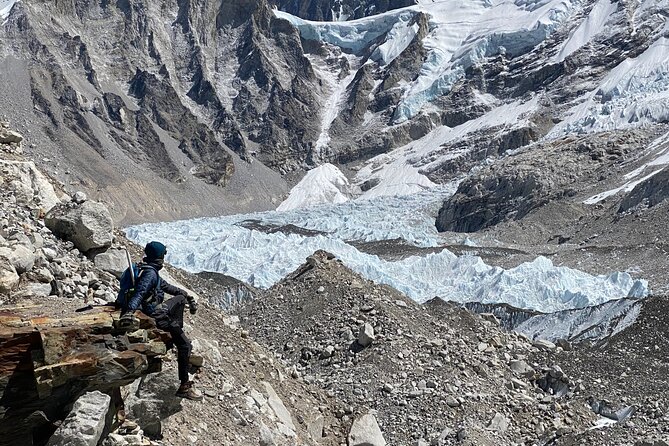
Everest Base Camp is reached on foot, one suspension bridge, stone village, and thin-air climb at a time. This 13-day route gives you the classic approach through Namche Bazaar, Tengboche, Dingboche, Lobuche, and the base camp itself, then sends you back to Lukla by the same mountain trail.
I like that the hard logistics are handled, including Kathmandu to Lukla flights, lodge rooms, meals, park fees, and a guide. I also like the two acclimatization days, which give your body a better chance to adjust before the highest walking days. The main catch is the altitude and the tight schedule. You need moderate fitness, patience with mountain weather, and a willingness to sleep simply.
Key points at a glance
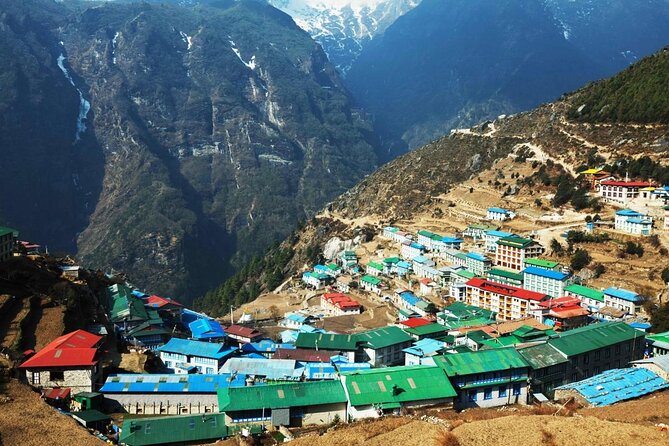
- Lukla flights are included: The scenic Kathmandu to Lukla and return flights save you from arranging the most important transport link yourself.
- Two acclimatization days: Namche Bazaar and Dingboche provide planned pauses, with short hikes to higher ground.
- Everest Base Camp and Kala Patthar: You reach base camp on Day 9, then climb Kala Patthar before sunrise on Day 10 for the big mountain views.
- Trailside lodge stays: Expect practical accommodation along the route, with meals supplied during the trekking portion.
- Guide quality matters: Guides named in the feedback include Milan, Dibash, Achyut Mishra, Ratna, Anil, Dipak, and Prokhas. The assigned guide can vary, but clear briefings and careful pacing are worth requesting.
- Private trip, flexible arrangements: Private departures can be tailored, though the advertised price may change with group size, departure date, shared arrangements, or a solo supplement.
What the $1,399 price really covers
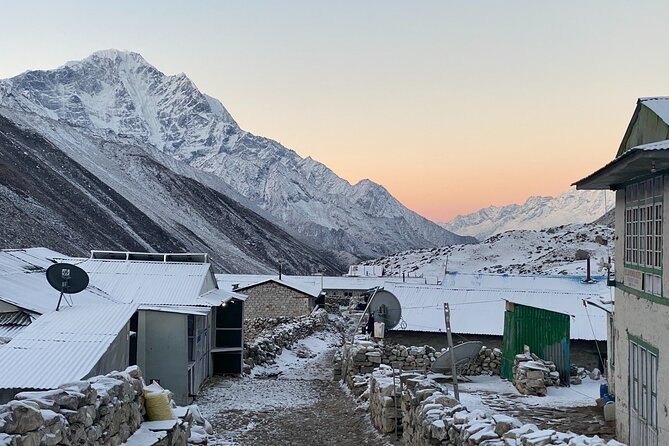
At $1,399 per person, this trek is priced as a package rather than a bare hiking itinerary. It includes the two Lukla flights, airport departure tax, national park entrance fee, TIMS card, government and local taxes, accommodation along the trekking route, a guide, meals listed for the trek, and airport pickup in Kathmandu.
That matters because the Everest route has a long chain of small arrangements. You need permits, a flight to a mountain airstrip, rooms in villages, food each day, and someone who knows how to manage the pace. Handling all of that yourself may look cheaper at first, but it also leaves you exposed to flight changes, full lodges, and poor decisions when you are tired.
The price does not cover meals in Kathmandu, alcoholic drinks, personal drinks and bar bills, phone calls, battery charging, Nepal visa fees, or personal travel and health insurance. Helicopter evacuation insurance is also excluded. I would treat insurance as essential, not optional, since the route reaches high altitude and weather can affect transport.
There is an important pricing wrinkle. The stated price applies to one person even if two people book. A single supplement of $150 may be charged if you want a solo departure rather than joining an existing group. The company says the final cost can depend on the departure date, group size, and shared accommodation. Ask for the exact total before you commit.
More Everest Base Camp treks:
- Everest Base Camp Trek – 14 Days
★ 5.0 · 1,499 reviews - Everest Base Camp Trekking
★ 5.0 · 485 reviews - Everest Base Camp Trek -14 Days
★ 5.0 · 321 reviews
Day 1: Kathmandu arrival and a useful first night
You are met at Tribhuvan International Airport and taken to your hotel after completing customs formalities. This is a quiet start, but it serves a purpose: you arrive, settle in, and prepare for a very early mountain flight the next day.
Use this evening to check your pack, confirm your passport details, and make sure your walking clothes are easy to reach. Kathmandu meals are not included, so budget separately for dinner and breakfast in the city. The operator also asks for passport name, number, expiry date, and country at booking.
Day 2: The Lukla flight and the first walk
The trip begins properly with an early flight from Kathmandu to Lukla, the main gateway to the Everest region. The flight is included, which removes one major source of worry, but mountain weather can still cause delays or changes. The package operates in all weather conditions, so bring layers and keep your important items protected.
From Lukla, you begin walking with your guide along the Dudh Koshi River. The first day introduces the pattern of the route: stone paths, small settlements, bridges, and steady walking rather than one long athletic push.
A complimentary Trekking Planner duffel bag is provided and must be returned after the trip. You carry a day pack of roughly 25 to 40 liters, while the duffel is used for the rest of your equipment. Pack carefully. Your day pack should hold water, rain gear, warm layers, sunscreen, snacks if you bring them, and anything you need during the day.
Day 3: Following the Dudh Koshi to Namche Bazaar
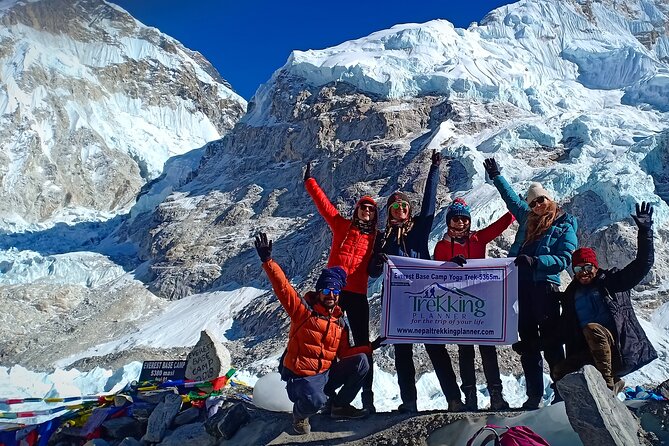
The trail continues beside the Dudh Koshi River toward Namche Bazaar, the best-known trading center in the Khumbu region. You cross suspension bridges and get early views of Kongde Ri Peak before the route turns toward Namche.
This is one of the days when the route begins to feel properly Himalayan. The village sits higher than Lukla, and the final approach can feel much harder than the distance suggests. You are gaining altitude, not simply covering miles.
Namche is more than a sleeping stop. It is a place where paths, shops, and mountain supply lines meet. You might find it lively and colorful, but do not let the town’s energy fool you into rushing. Drink water, eat well, and follow your guide’s pace.
More day hikes and treks in Kathmandu:
- Nagarkot Sunrise View and Day Hiking from Kathmandu
★ 5.0 · 471 reviews - Annapurna Circuit Trek with Tilicho Lake
★ 5.0 · 368 reviews - Annapurna base camp trek 5 Days
★ 5.0 · 252 reviews - Everest Base Camp Trekking – 2025/2026
★ 5.0 · 199 reviews
Day 4: Acclimatizing around Namche Bazaar
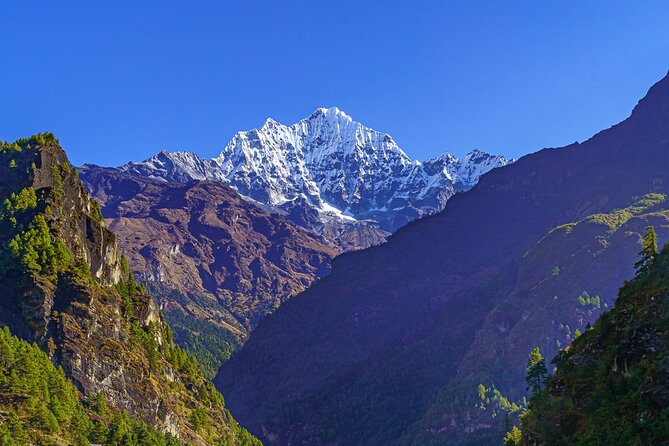
The first rest day is not a day of doing nothing. Short hikes to higher ground help your body adjust before you sleep at the same altitude again. This is a smart part of the schedule and one reason I prefer this route to a rushed ascent.
Namche also gives you time to look around. Shops and the Saturday market add local life to the stop, though prices are higher than in Kathmandu because every item must travel up the trail. This is a good place to check batteries, socks, gloves, and other small needs before the route becomes more remote.
The key is restraint. You may feel energetic in the morning, but altitude can catch up with you later. Keep the hike controlled and tell your guide if you have a headache, nausea, unusual tiredness, or trouble sleeping.
Day 5: Forest trails, Sanasa, and the route toward Tengboche
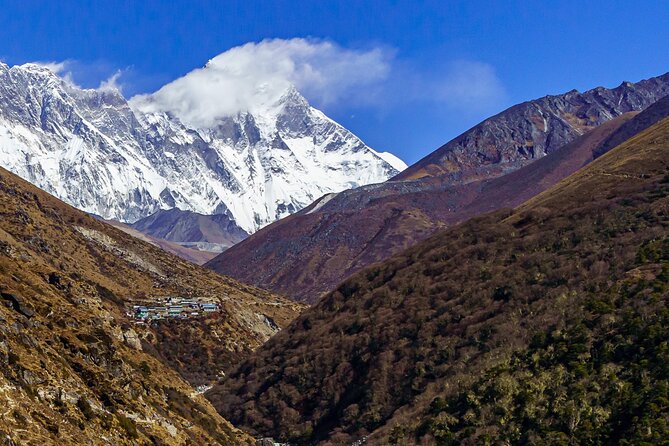
You climb out of Namche on a short, steep section, then follow a more level trail toward Kenjoma and Sanasa. Dense forest provides a welcome change from the open mountain views, and the path gradually brings you toward Tengboche.
This day mixes effort and beauty. The initial climb tests your legs, while the forest gives you shade and a calmer rhythm. You will also notice that the route is not a continuous uphill slog. It rises, drops, crosses uneven ground, and then rises again.
Tengboche is known for its monastery and its mountain setting. The overnight stop gives you a chance to see an important spiritual center of the region, not just another lodge. The accommodation remains basic, and nights are colder as you climb.
Day 6: Tengboche to Dingboche through Deboche
You leave Tengboche after its memorable sunrise and sunset views, descending through the forest toward Deboche before continuing to Dingboche. The trail offers views of the surrounding peaks and passes through small settlements, grazing areas, chortens, and Mani walls.
Dingboche marks a clear change in the trip. The air is thinner, the vegetation is less dense, and the walking becomes more demanding even when the path looks manageable. The village is a practical base for the second acclimatization stop.
This is also where your guide’s judgment becomes especially useful. One guide named Milan was praised for explaining the next day’s plan, estimating walking times according to ability, and timing outings around sunset. That kind of clear communication is exactly what you should expect from a good mountain guide.
Day 7: The Dingboche acclimatization day
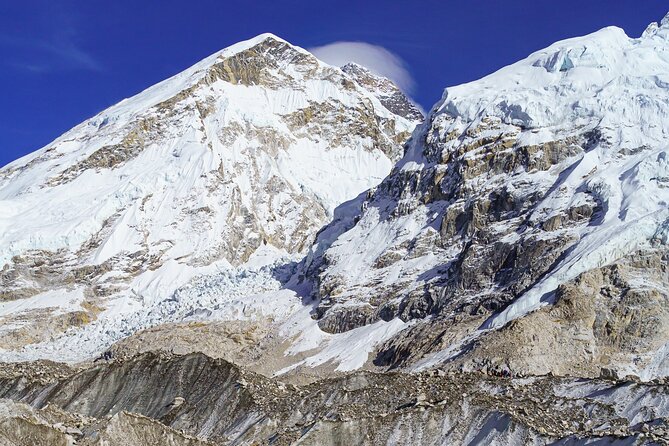
The second rest day prepares you for Lobuche, Gorak Shep, and base camp. You take a short hike to higher ground, then return to Dingboche to sleep. The purpose is simple: expose your body to more altitude without spending the night even higher.
You may be tempted to use this day to catch up on laundry, photographs, or sleep. Do those things, but do not skip the planned acclimatization walk unless your guide advises otherwise. The next stages bring longer days and fewer easy options.
Dingboche is also a useful point to check your clothing system. You need a waterproof outer layer, warm fleece or puffy jacket, gloves, a wool hat, several pairs of socks, and clothing that can dry quickly. Cotton underwear is specifically discouraged because it holds moisture close to your skin.
Day 8: Dingboche to Lobuche
The trail climbs gradually from Dingboche through grazing areas and open mountain country. Chortens and Mani walls mark the route, while the surrounding peaks become more imposing and the villages feel more spread out.
This can be a deceptively tiring day. The path may not look steep all the time, but the altitude makes every climb slower. Walk at a pace that lets you speak in short sentences without gasping. Your guide can estimate the day’s timing, but your body gets the final vote.
Lobuche is a high stopping point before base camp. Lodge facilities become more basic as you go higher, and you should expect cold rooms and simple meals rather than comfort. The reward is your position: the final objective is now close.
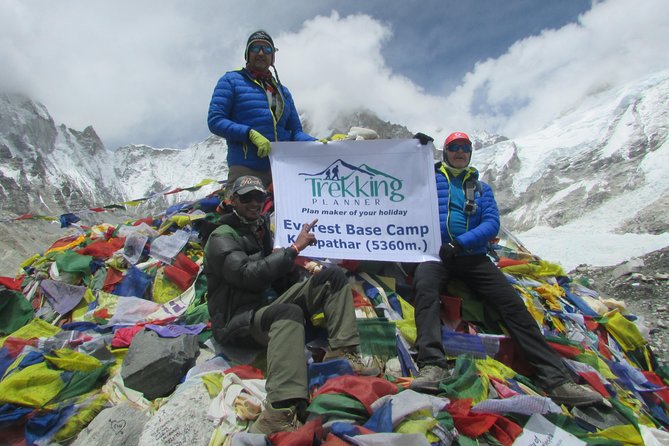
Day 9: Lobuche to Everest Base Camp
This is the day you reach Everest Base Camp. The route begins early from Lobuche and continues toward the base camp area, with the possibility of acute mountain sickness becoming more serious at this altitude.
The walk is not a casual sightseeing stroll. You are tired from several days of climbing, the air is thin, and the trail can be rough underfoot. Move slowly and report symptoms early. A guide can help with pacing and decisions, but no guide can make altitude sickness safe to ignore.
Reaching base camp is the emotional high point for many people, but keep your expectations grounded. Conditions, season, and access can affect exactly what you see there. The achievement is the route itself: arriving under your own power after walking from Lukla through the Khumbu.
Day 10: Kala Patthar before sunrise, then lower ground
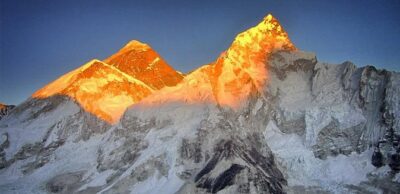
You rise before dawn for the climb toward Kala Patthar. The early start is deliberate. From this viewpoint, you are positioned for sunrise and wide views of Everest and the surrounding peaks before returning toward lower altitude.
This is one of the hardest mornings because you begin in darkness, cold, and thin air. Still, it is a strong design choice in the itinerary. After base camp, Kala Patthar gives you the high viewpoint many people hope for, while the descent afterward lets you recover at a lower elevation.
Bring your warmest layers, gloves, headlamp or torch, and spare batteries. Once the viewpoint is finished, the day continues downhill. Your legs may be grateful, but uneven descents can still be tiring, so do not treat the return as effortless.
Days 11 and 12: The long return through Namche and Lukla
Day 11 takes you from Pheriche back toward Namche Bazaar, mostly downhill beside the Dudh Koshi River. Downhill sounds easy, but long descents can be hard on knees and ankles. Trekking poles are worth considering, though they are not listed among the required items.
Day 12 is the final trekking day. You descend steeply from Namche toward the riverbed and continue through the lower Khumbu toward Lukla. This is the closing stretch of the walking portion, and it can feel both satisfying and surprisingly tiring.
The return route gives you a different view of places you passed in the other direction. You may notice how much easier breathing feels as you lose altitude, even though the path still demands steady effort.
Day 13: Flying back to Kathmandu
The final day takes you from Lukla to Kathmandu on an early flight. The early schedule matters because weather-related interruptions can affect mountain flights during the day. Keep your plan flexible after landing, especially if you have an onward flight from Kathmandu.
You are returned to the city after your time in the Khumbu. The package includes the Kathmandu to Lukla and Lukla to Kathmandu flights, but it does not include meals in Kathmandu or personal spending there.
Guides, group setup, and the human side of the trek
The strongest praise for this experience focuses on guide care, pacing, and logistics. Dibash is described as handling arrangements well and keeping each day on track. Achyut Mishra is praised for staying attentive, offering support, and finding practical solutions when the trek became difficult. Ratna is noted for combining route guidance with local information.
You may not be assigned one of those guides, so ask who will lead your departure and how many people are in the group. An excellent guide should explain the next day’s route, give realistic walking times, watch for altitude problems, and adjust when conditions require it.
The activity is described as private, with only your group participating, yet the pricing notes that you may join an existing group unless you pay the solo supplement. That wording deserves clarification before booking. The practical question is simple: will you have a fully private departure, or will you be placed with others at the quoted rate?
What to pack and what not to underestimate
You need trekking shoes, sports shoes or sandals, a sun hat, warm hat, fleece or puffy jacket, waterproof layer, gloves, trekking trousers, shirts, underwear, socks, two one-liter water bottles, a torch, camera batteries, toiletries, toilet paper, and a small towel.
The packing list tells you a lot about the route. You need protection from sun, rain, wind, and cold, often on the same trip. Toilet paper can be bought along the route, but the supplied quality may be poor, so bringing your own is sensible.
You should also arrange personal travel and health insurance before departure. The package does not include helicopter evacuation insurance. That exclusion is important at high altitude, where a serious problem may require costly transport.
Who should book this trek
I would recommend this trip to someone who wants the classic Everest Base Camp route but does not want to coordinate flights, lodges, meals, permits, and portage alone. It also suits couples, families, honeymooners, and groups because discounts may be available and private arrangements can be discussed.
It is not a good fit if you want luxury accommodation, a relaxed schedule, or a low-altitude holiday with only occasional walking. You need moderate fitness and the patience to handle cold rooms, early starts, steep paths, basic facilities, and possible flight disruption.
The best sign that you are ready is not speed. It is the ability to walk for several hours, manage your own gear, accept a slow pace, and speak up when your body feels wrong.
Should you book it?
Book this trek if you want a well-organized route with base camp, Kala Patthar, two acclimatization days, and included Lukla flights. The package offers strong value because it gathers the expensive and awkward pieces into one plan, while the guide support gives you help with pacing and altitude.
Before paying, confirm the exact guide, accommodation standard, group arrangement, single supplement, meal coverage, insurance expectations, and what happens if a Lukla flight is delayed. If you are fit, properly equipped, and comfortable with basic mountain lodging, this is a practical way to tackle one of Nepal’s great walking routes.
FAQ
Are flights from Kathmandu to Lukla included?
Yes. The package includes the Kathmandu to Lukla and Lukla to Kathmandu flights, along with airport departure tax.
Are meals included during the trek?
Yes. The package lists 11 lunches, 12 dinners, and 12 breakfasts. Meals in Kathmandu are not included, and alcoholic drinks, bar bills, and personal beverages are extra.
Is accommodation included?
Yes. Nightly accommodation in trailside lodges is included during the trekking route. The provided information does not specify a room category or private bathroom arrangement.
Do I need travel insurance?
Personal travel and health insurance are not included. Helicopter evacuation insurance is also excluded, so you need to arrange your own suitable cover.
What fitness level is required?
A moderate physical fitness level is required. The route includes steep sections, long walking days, high altitude, and an early climb of Kala Patthar.
Is the trek private?
The activity is described as a private tour with only your group participating. However, the pricing information says a solo departure may require a $150 supplement and that the quoted rate can depend on group size or joining an existing group. Confirm the arrangement before booking.
Just added around Kathmandu
- Traditional Momo Making Class★ 5.0 · 10 reviews
- Wildlife Adventure in Chitwan Nepal★ 4.0 · 4 reviews
- Walking tour of real Kathmandu through back streets.★ 5.0 · 3 reviews
- Kathmandu 2 Nights 3 Days Chitwan Jungle Safari Tour★ 5.0 · 9 reviews
- Kathmandu Street Food Walking Tour – Eat Like a Local★ 5.0 · 3 reviews
- Private Manaslu Circuit Trek at Himalayas★ 5.0 · 3 reviews
- Walking tour of Kathmandu with awesome local guides★ 5.0 · 4 reviews
- Visit Swayambhunath and Bauddhanath Stupa with Guide★ 5.0 · 5 reviews
Everest Base Camp Treks from Kathmandu, compared.
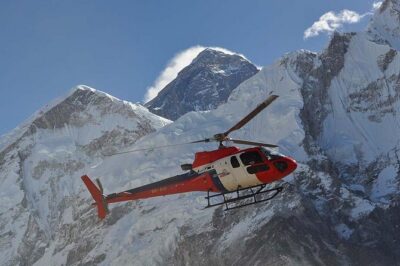
Everest Base Camp Trek with Helicopter Return from Gorakshep to Lukla
Read our review →Browse the lists this tour appears in