
Reviewed · EVEREST BASE CAMP TREKS FROM KATHMANDU
14 Days Everest Base Camp Trek
The main draw is simple: this is a 14-day walk to Everest Base Camp, with the famous Lukla flight, Sherpa villages, suspension bridges, and a sunrise climb of Kala Patthar. You also get two acclimatization days, which matter far more than squeezing in extra sightseeing at altitude.
I like the careful rhythm of the route and the chance to see Everest from more than one angle. I also like that the price includes the guide, porters, domestic flights, park and local fees, meals, airport transfers, and a medical kit. The main caution is altitude: strong fitness is required, and one person on a similar trip could not reach base camp because of altitude sickness.
Key points before you book
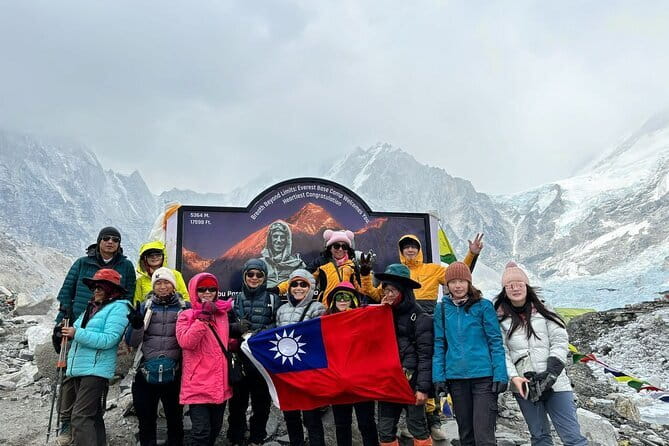
- Kala Patthar at sunrise: The 5,450-meter summit gives one of the closest views of Everest on the route.
- Everest Base Camp at 5,463 meters: The camp shifts with the Khumbu Glacier, so the exact setting changes from year to year.
- Two acclimatization days: You walk to higher viewpoints from Namche and Dingboche rather than simply sitting still.
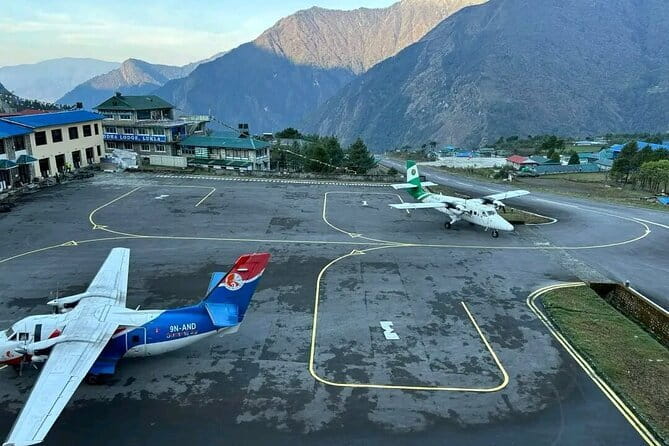
- Lukla flight included: The mountain journey starts and ends with the well-known flight between Kathmandu and Lukla.
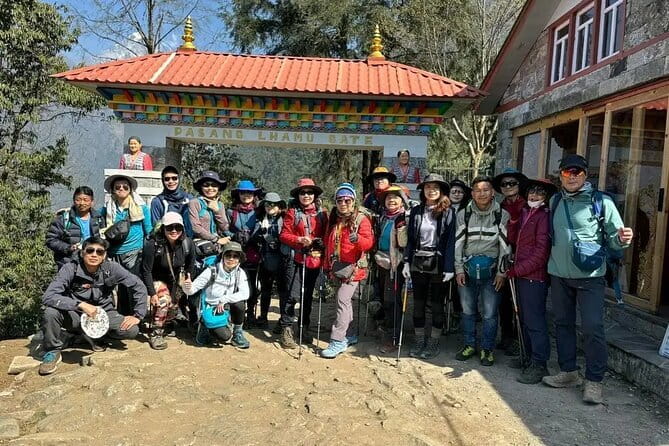
- Private trekking setup: Only your own group takes part, with a licensed guide and porters included.
- $1,680 price point: This covers many major costs, but insurance, visas, tips, drinks, rescue, and personal purchases are extra.
What the $1,680 price really covers
At $1,680 per person, this trek offers reasonable value if you want a guided Everest Base Camp journey with the major transport and operating costs bundled together. The package includes the Kathmandu to Lukla return flights, airport pickup and drop-off, a licensed guide, porters, government taxes, Sagarmatha National Park entry, Khumbu Municipality charges, meals, and a medical kit.
That list matters. The Lukla flights alone are an essential part of the route, and the guide and porters are not optional extras in any practical sense. You are paying for the people who keep the trek moving, carry supplies, handle local arrangements, and help you manage the long walking days.
The package includes 13 breakfasts, 13 dinners, and 11 lunches. You should still budget for drinks, extra food, snacks, bar bills, and personal items. Tips for the guide and porters are listed as compulsory, so add that to your total rather than treating it as a surprise at the end.
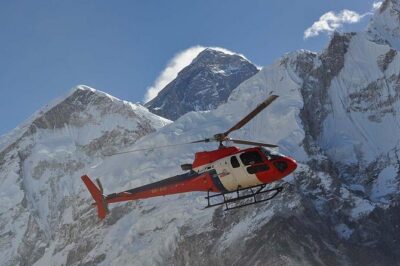
Travel insurance is not included, and it needs to cover trekking at high altitude. Rescue costs are also excluded. This is especially important here because helicopter evacuation or other emergency help could become one of the largest costs of the trip.
More Everest Base Camp treks:
- Everest Base Camp Trek – 14 Days
★ 5.0 · 1,499 reviews - Everest Base Camp Trekking
★ 5.0 · 485 reviews - Everest Base Camp Trekking – 13 Day
★ 5.0 · 365 reviews
Kathmandu arrival and the flight to Lukla
Day one is a soft landing in Kathmandu. A Magic Himalaya representative meets you at Tribhuvan International Airport with your name displayed, then transfers you to your hotel. This is useful after an international flight, especially if you arrive tired or late.
The next morning, your guide collects you from the hotel and takes you to the domestic airport. You fly to Lukla, meet the porters, and begin walking. The flight is one of the trip’s memorable features, but it also makes the schedule sensitive to weather. The final day in Kathmandu is arranged around the return flight from Lukla, so flexibility is wise.
Your first walking stretch takes about five hours. The route leads through the lower Khumbu, with rivers, small settlements, and the first sense that road travel has ended. You sleep in Phakding, according to the itinerary’s route description, before continuing toward Namche.
Namche Bazaar and the first acclimatization day
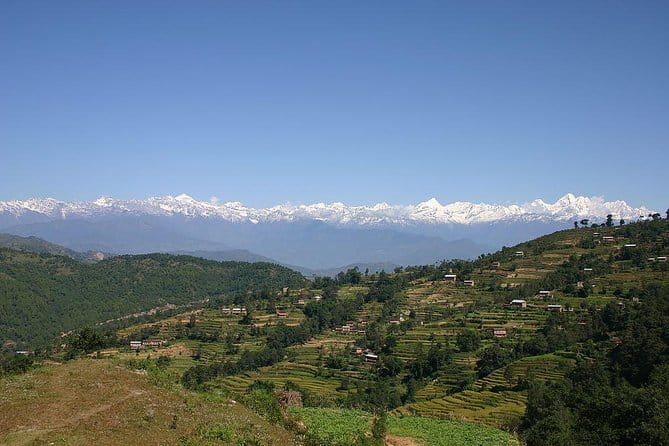
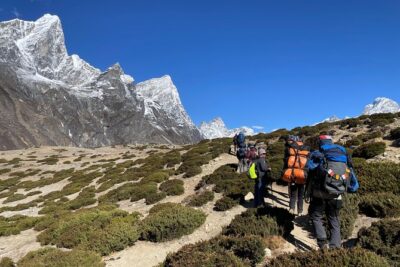
The walk from Phakding toward Namche takes about six hours. You follow the Dudh Koshi River, cross suspension bridges, and stop for lunch in Jorsale before the route climbs toward Namche Bazaar.
Namche is more than a stopover. It is the main trading and social center of the Khumbu, with lodges, shops, bars, and mountain views. The approach is demanding because the trail gains height, but reaching Namche gives the trek a real sense of progress.
Day four is set aside for acclimatization. You do not spend the whole day lying in bed. Instead, you take a roughly four-hour walk toward Syangboche viewpoint or another nearby high point. This approach helps your body adjust while keeping the day manageable.
I like this part of the plan because acclimatization is built into the schedule instead of being treated as lost time. At these elevations, a rest day with a short climb is often more useful than rushing onward. You should still take headache, nausea, unusual tiredness, and poor sleep seriously. The itinerary is designed to help, but it cannot remove the risk of altitude sickness.
Tengboche and the best mountain views
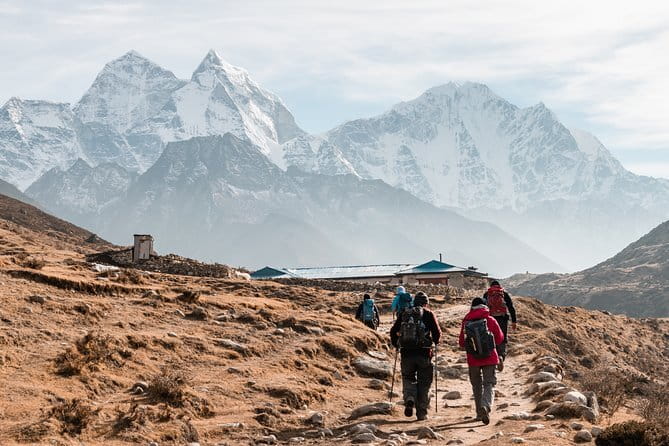
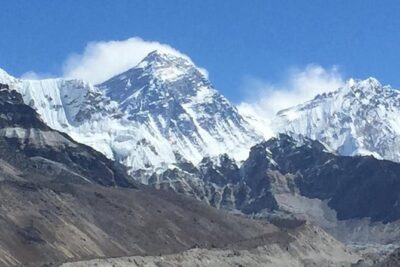
From Namche, you walk for about six hours toward Tengboche. This is one of the most scenic days, with views toward Everest and other major Himalayan peaks. Ama Dablam, Thamserku, and Taboche are among the mountains named along the route.
Tengboche is an important stop because the setting brings together high mountain scenery and Sherpa culture. The trip description presents this day as one of the best walks, and that makes sense: the route gives you broad views rather than keeping you boxed into a narrow valley.
The next morning, the trek continues toward Dingboche. It is described as the shortest walking day, at about four hours, though the schedule also gives a five-hour estimate. You pass Pangboche and Sanasa before reaching Dingboche for lunch.
The views toward Ama Dablam are a major reason to appreciate this shorter day. It gives you time to settle into the higher elevation before the next acclimatization hike. Do not mistake the shorter distance for an easy day. Altitude can make four hours feel much longer than four hours at sea level.
More day hikes and treks in Kathmandu:
- Nagarkot Sunrise View and Day Hiking from Kathmandu
★ 5.0 · 471 reviews - Annapurna Circuit Trek with Tilicho Lake
★ 5.0 · 368 reviews - Everest Base Camp Trek -14 Days
★ 5.0 · 321 reviews - Annapurna base camp trek 5 Days
★ 5.0 · 252 reviews
Dingboche and the climb to Nangkartshang Hill
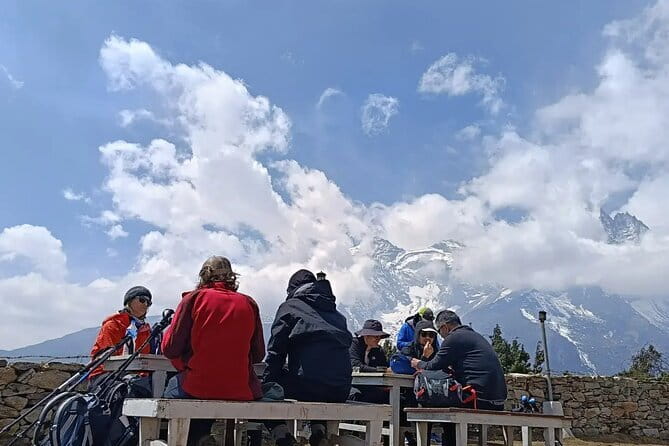
Day seven is another acclimatization day, with a climb to Nangkartshang Hill at about 5,000 meters. The walk takes around four hours and gives views into the Imja Tse Valley, along with peaks such as Island Peak and Ama Dablam.
This is a strong feature of the itinerary. You reach a high viewpoint without sleeping at that elevation, then return to Dingboche. The route tests how your body responds before you go higher toward Lobuche and Gorak Shep.
You will need to pace yourself. The goal is not to race to the top or prove anything to the group. Walk slowly, drink as directed by your guide, and tell the guide promptly if you feel unwell. The experience provider supplies a medical kit and required medicines, but that does not replace proper travel insurance or a careful response to symptoms.
Lobuche and the memorials at Thukla Pass
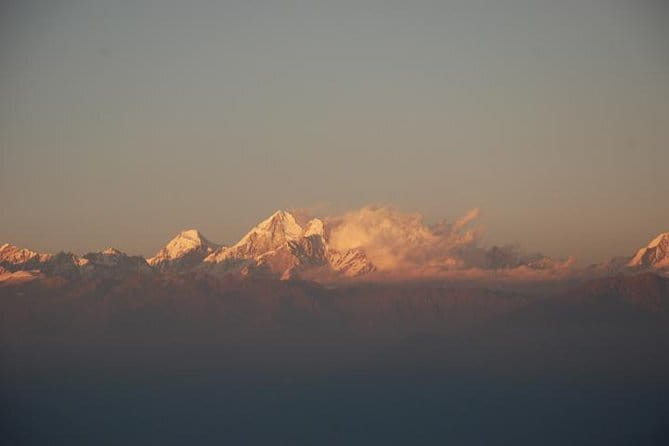
From Dingboche, you walk about six hours toward Lobuche, passing Thukla and Thukla Pass. The pass has memorials dedicated to climbers who died on Himalayan expeditions. It is a sober section of the route, and it adds human weight to what can otherwise feel like a grand mountain postcard.
You have lunch at Lobuche before continuing on foot. Lodges at this height are basic, and the cold and thin air can make the evening feel long. The itinerary provides accommodation, but it does not promise comfort at the level of a city hotel. That is part of the trade-off for reaching this remote part of the Khumbu.
Everest Base Camp from Gorak Shep
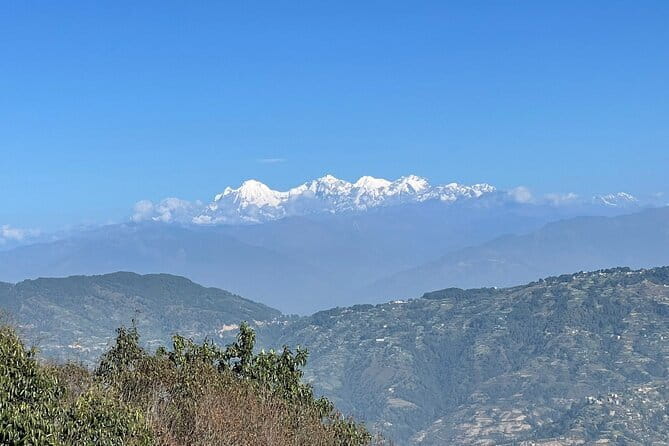
Day nine is one of the longest days. You walk from Lobuche toward Gorak Shep, have a light lunch, and then continue to Everest Base Camp. The base camp section takes about two hours from Gorak Shep, according to the itinerary.
Everest Base Camp sits at approximately 5,463 meters. It is located on the Khumbu Glacier, and the camp changes as the glacier shifts. You may see climbing-season structures when expeditions are operating, but the physical setting is not a fixed monument with a permanent layout.
The walk is a major physical test. The trail can feel slow at this height, and the return to Gorak Shep still follows the base camp visit. You should keep your expectations realistic. The base camp itself does not give the best view of Everest’s summit. The next morning’s climb to Kala Patthar is the visual high point.
Kala Patthar sunrise and the return route
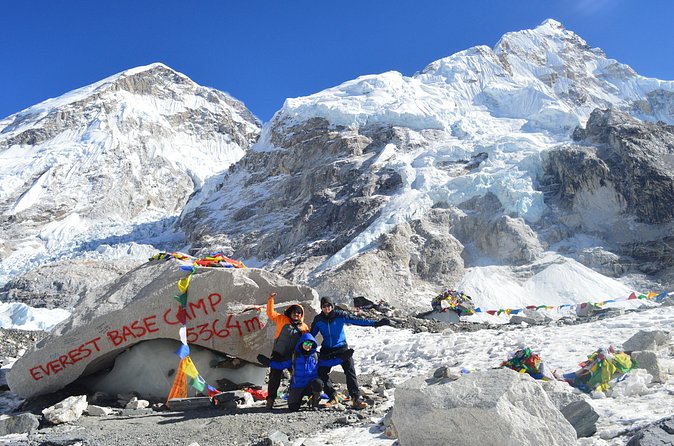
You rise early on day ten for the climb to Kala Patthar, at about 5,450 meters. After tea, you walk uphill for a sunrise view, take photographs, and spend a little time at the top before descending to Gorak Shep for breakfast.
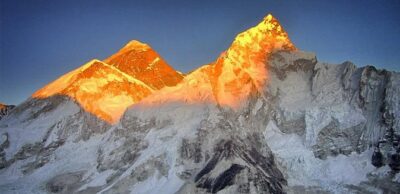
This is usually the image people carry home from the trek: Everest and the surrounding peaks catching the early light from a high ridge. The climb is short compared with the full trek, but it is demanding because of the altitude and the early start. Warm layers, a headlamp, and a steady pace are practical priorities, though the supplied details do not specify what personal gear is provided.
After breakfast, you begin the return journey. The route heads back toward Namche, passing Pangboche and Tengboche, with lunch at Phortse Tenga. The day takes about six hours. Reaching Namche feels like a release because the air is lower, the village has more services, and you can enjoy its bars and pubs.
The following day is the final long walking day. You leave Namche after breakfast and walk for about seven to eight hours toward Lukla, stopping for lunch at Phakding. The trek ends with a celebration in Lukla, including a thank-you moment for the porters.
The final Kathmandu night
Day thirteen depends on the Lukla flight schedule. After breakfast, you go to the airport and fly back to Kathmandu. A private vehicle transfers you to the hotel, where the plan allows a full rest day.
This buffer is useful. Flights from mountain airports can be affected by poor weather, and the itinerary does not pretend that the timing is completely predictable. You should avoid booking a tight international departure immediately after the return flight unless your wider travel plan allows room for changes.
On day fourteen, you have breakfast and leave Nepal for your flight home. The package includes breakfast on this final morning, but international flights and departure tax are not included.
Guide support, porters, and the human side
The provider assigns an experienced, licensed guide and the required porters, with their salaries and expenses included. That is a practical advantage on a route where the guide’s judgment matters as much as navigation.
Names connected with the company include Nabin and Shanta, who have been involved in organizing and supporting Everest treks. The strongest praise for the company centers on helpfulness, encouragement, safety, and the easy relationship between guides, porters, and trekkers. That human side matters during long days when a little patience and humor can make a hard climb feel manageable.
The company also runs other Everest itineraries, including a route through Gokyo Lakes. That does not form part of this 14-day program, but it tells you that alternative routes may be available if you want a different plan.
Who should book this trek?
You should consider this trip if you want a structured, private Everest Base Camp trek and prefer having transport, meals, permits, guides, and porters arranged in one package. It suits someone who can handle repeated six to eight-hour walking days and who is prepared for high-altitude conditions.
It is not a casual sightseeing holiday. The operator requires strong physical fitness, and the route reaches above 5,400 meters. You need travel insurance for the trek, a Nepal entry visa, and an international flight arranged separately.
I would also suggest allowing patience for the Lukla flights. The trip includes the flights, but weather can affect them. The cancellation terms allow a full refund if you cancel at least 24 hours before the start time. Poor weather or failure to reach the minimum number of participants can lead to a different date, a different experience, or a refund.
Should you book the 14-day Everest Base Camp Trek?
Book it if you want the classic Everest route with two acclimatization days, a private group, a licensed guide, porters, and a clear price that covers most core expenses. The combination of Namche, Tengboche, Dingboche, Everest Base Camp, and Kala Patthar gives you both cultural encounters and high mountain views.
Think twice if you dislike basic accommodation, long walking days, uncertain flight timing, or the physical risk of high altitude. The biggest strength is the structure and support. The biggest limitation is that no itinerary can guarantee that every person will reach base camp. At $1,680, it is a sensible package for a properly prepared trekker, but only if you budget for insurance, tips, drinks, visas, and possible rescue costs.
FAQ
How long does the Everest Base Camp Trek take?
The experience lasts approximately 14 days, including arrival and departure days in Kathmandu, the flights to and from Lukla, the trek, and the return transfer to your Kathmandu hotel.
What altitude does Everest Base Camp reach?
Everest Base Camp is approximately 5,463 meters above sea level. Kala Patthar reaches about 5,450 meters.
Are flights between Kathmandu and Lukla included?
Yes. Return air tickets between Kathmandu and Lukla are included for the clients and guide, along with airport pickup and private airport transfers in Kathmandu.
Are meals included?
The package includes 13 breakfasts, 13 dinners, and 11 lunches. Extra items during meals, alcoholic and non-alcoholic drinks, and bar bills are not included.
Is travel insurance included?
No. You must arrange travel insurance for the trek. Emergency rescue operations are also excluded from the price.
Is this a private trek?
Yes. This is a private activity, so only your own group participates. An experienced licensed guide and required porters are included.
Just added around Kathmandu
- Traditional Momo Making Class★ 5.0 · 10 reviews
- Wildlife Adventure in Chitwan Nepal★ 4.0 · 4 reviews
- Walking tour of real Kathmandu through back streets.★ 5.0 · 3 reviews
- Kathmandu 2 Nights 3 Days Chitwan Jungle Safari Tour★ 5.0 · 9 reviews
- Kathmandu Street Food Walking Tour – Eat Like a Local★ 5.0 · 3 reviews
- Private Manaslu Circuit Trek at Himalayas★ 5.0 · 3 reviews
- Walking tour of Kathmandu with awesome local guides★ 5.0 · 4 reviews
- Visit Swayambhunath and Bauddhanath Stupa with Guide★ 5.0 · 5 reviews
Everest Base Camp Treks from Kathmandu, compared.
Everest Base Camp Trek with Helicopter Return from Gorakshep to Lukla
Read our review →Browse the lists this tour appears in