
Reviewed · EVEREST BASE CAMP TREKS FROM KATHMANDU
Everest Base Camp Trek
Everest Base Camp is not a quick mountain outing. It is a 14-day high-altitude trek that moves from Kathmandu’s busy streets to suspension bridges, Sherpa villages, icy rivers, monasteries, and the Khumbu Glacier. The final approach to base camp is demanding, but the route gives you time to adjust before the highest walking days.
I like the practical support here: both flights between Kathmandu and Lukla are included, along with a licensed mountain guide, meals, permits, a sleeping bag, down jacket, duffel bag, and airport transfers. I also like the two acclimatization days, one in Namche Bazaar and another in Dingboche. The main caution is that good physical fitness is required, and extra costs for bottled water, showers, laundry, phone use, porters, tips, and delays are not covered.
Key points before you book
- Lukla flights begin the trek: The included Kathmandu to Lukla flight saves you a long overland journey and puts you close to the trailhead.
- Two acclimatization days matter: You spend a rest day in Namche Bazaar and another in Dingboche, with short hikes rather than full days of sitting around.
- Base Camp and Kala Patthar are different goals: The itinerary visits Everest Base Camp, then includes an early climb toward Kala Patthar for mountain views.
- Meals and mountain equipment are included: Breakfast, lunch, dinner, tea, a sleeping bag, down jacket, and duffel bag reduce the amount you must arrange yourself.
- This is a private activity: Only your group participates, with a government-licensed guide from Kathmandu.
- Weather can change the plan: Flights and mountain schedules may be affected by poor weather, strikes, delays, or cancellations.
The real shape of the Everest Base Camp trek
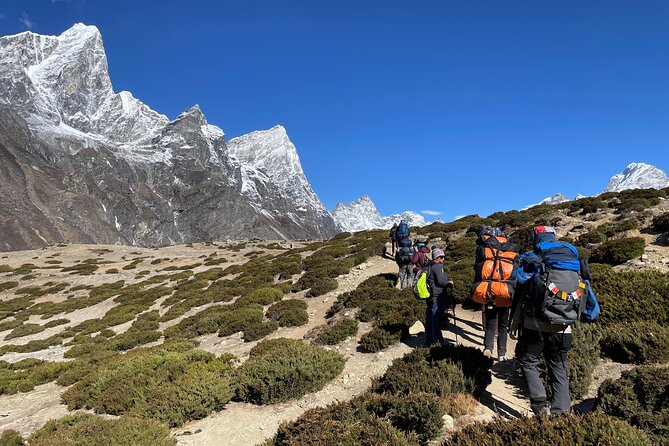
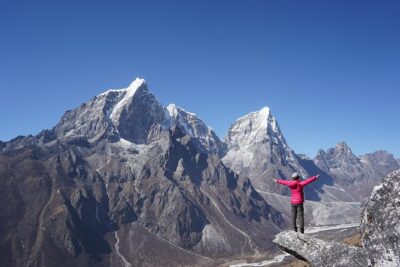
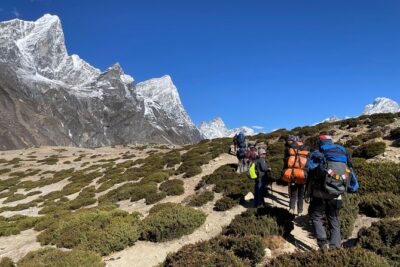
I like this route because it gives the mountain time to reveal itself. You do not simply arrive at a viewpoint, take a photo, and leave. You walk through the Khumbu region for days, and the scenery changes from lower valleys and river crossings to bare high country, glacial rock, and snow-covered peaks.
The experience is also more than a test of your legs. You pass through Sherpa communities, stop at Tengboche Gompa, spend time in Namche Bazaar, and stay overnight in mountain guesthouses. The altitude is the central challenge, so the schedule builds in pauses at Namche and Dingboche.
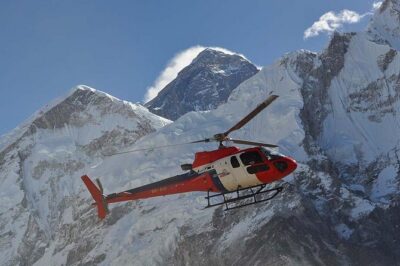
The tour costs $1,799.27 per person. That price is useful to judge by what it bundles: domestic flights, 11 nights of trekking accommodation, meals, permits, guide services, airport transfers, mountain equipment, and emergency helicopter arrangements. It is not an all-inclusive holiday. You still need travel and rescue insurance, and that insurance is expected to cover the cost of an emergency helicopter if one is needed.
More Everest Base Camp treks:
- Everest Base Camp Trek – 14 Days
★ 5.0 · 1,499 reviews - Everest Base Camp Trekking
★ 5.0 · 485 reviews - Everest Base Camp Trekking – 13 Day
★ 5.0 · 365 reviews
Kathmandu arrival and the flight to Lukla
Your first day begins at Tribhuvan International Airport, where a representative from Nepal High Trek and Expedition, identified in the itinerary as Anjan, meets you and takes you to the arranged hotel. Dinner is included, giving you a simple first evening to meet the team and prepare for the trek.
The next morning, you transfer to Kathmandu’s domestic terminal for the flight to Lukla. This is the key transport link for the route. Lukla is described as the starting point of the trek, so the flight keeps the itinerary focused on walking rather than spending extra days on road travel.
You should treat this flight as an important practical detail, not just a scenic start. The itinerary notes that delays or cancellations caused by weather, strikes, or other disruptions can create extra expenses. Those costs are not included, so travel insurance and some financial flexibility are sensible.
Phakding to Namche Bazaar, the first hard walking day
After reaching Lukla, the route heads toward Phakding and then continues to Namche Bazaar. The walk crosses several suspension bridges over the Dudh Koshi River, with views toward Mount Thamserku, listed at 6,618 meters.
This section introduces the rhythm of the trek: walk steadily, cross rivers, climb gradually, and avoid rushing. The listed walking time for this day is short at about one hour, but the itinerary descriptions suggest the broader movement from Phakding toward Namche. Confirm the exact daily walking hours and overnight point with the operator before departure, since the timing shown for some stops is brief and may not represent the full day.
Namche is one of the most important places on the route. It has banks, ATMs, internet cafés, and other basic services, which makes it a good place to check messages, withdraw cash, and deal with small needs before the trail becomes more remote.
Acclimatization in Namche Bazaar
The Namche acclimatization day is one of the strongest parts of the plan. You do not simply stop walking. You explore the area for about two hours, allowing your body to adjust while keeping active.
The itinerary lists an Irish Pub as the stop, though the real value of this day is the time in Namche itself. You can use the village as a practical base, enjoy mountain views, and make sure your clothing and equipment are working before the route climbs higher.
I would use this day carefully. Check your water supply, charge batteries if possible, and ask your guide about the pace ahead. The tour includes three cups of hot tea during the trek, but other drinks and hot water cost extra. Battery recharging, showers, laundry, bottled water, and phone calls are also additional expenses.
More day hikes and treks in Kathmandu:
- Nagarkot Sunrise View and Day Hiking from Kathmandu
★ 5.0 · 471 reviews - Annapurna Circuit Trek with Tilicho Lake
★ 5.0 · 368 reviews - Everest Base Camp Trek -14 Days
★ 5.0 · 321 reviews - Annapurna base camp trek 5 Days
★ 5.0 · 252 reviews
Tengboche Gompa and the road to Dingboche
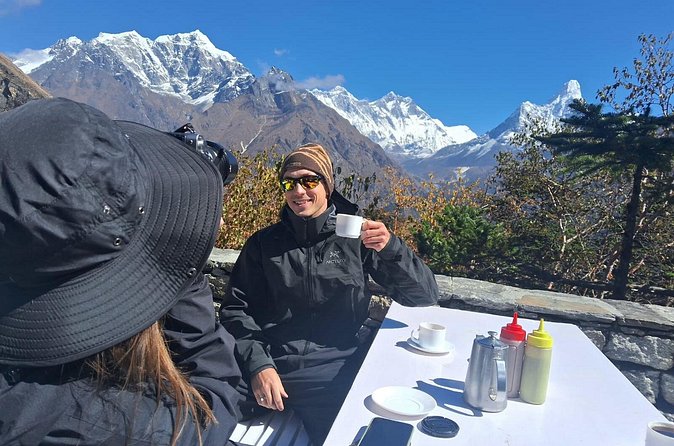
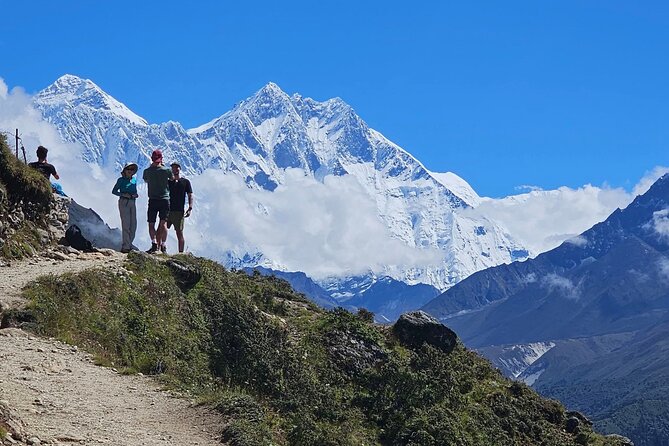
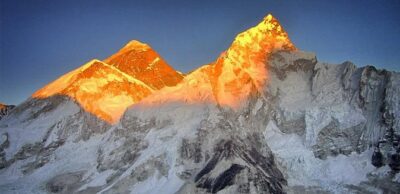
From Namche, the trail continues toward Tengboche. The route description highlights views of Everest, Nuptse, Lhotse, Ama Dablam, and other Himalayan peaks. This is where the scale of the mountains becomes more obvious, especially as the trail leaves the lower valley behind.
Tengboche Gompa gives the journey a cultural center. You visit the monastery and have time for photographs with the white mountains behind it. The itinerary allows a short visit before continuing toward Dingboche, so do not expect a long monastery program unless your guide confirms one.
The path to Dingboche is a serious step up in altitude. The day is listed at about three hours for the viewpoint and walking segment, but the actual effort can feel greater because of the thinner air. I would judge this day by how your body responds, not by the clock. A licensed guide is especially valuable here because the right pace matters more than speed.
Dingboche and a second acclimatization day
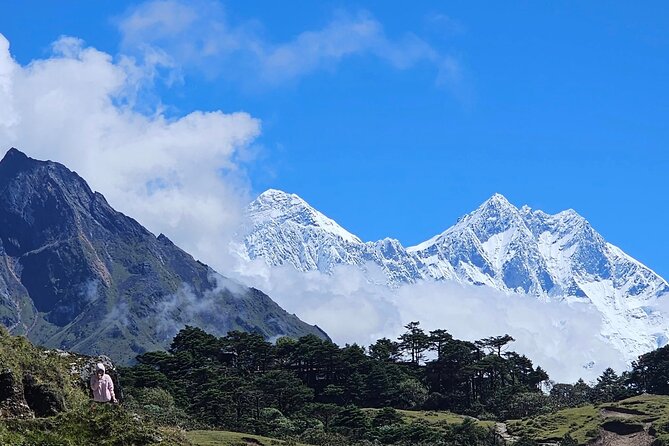
Dingboche provides the second planned acclimatization day. The itinerary proposes a short hike toward Chhukung through the Imja Khola valley, with views toward Lhotse and surrounding peaks.
This is a smart use of a rest day. A gentle climb gives you a chance to gain altitude during the day, then return to Dingboche for the night. The point is not to set a speed record. It is to help you adjust before the route reaches Lobuche, Gorak Shep, and Base Camp.
You should be honest with your guide if you feel unwell. The itinerary requires strong physical fitness, and no schedule can remove the risks of high altitude. The included medical kit is useful basic support, but it is not a substitute for travel and rescue insurance.
Lobuche, the Khumbu Glacier, and memorial stones
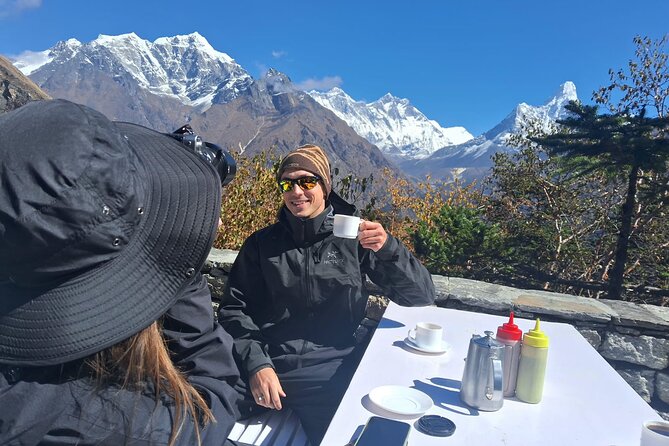
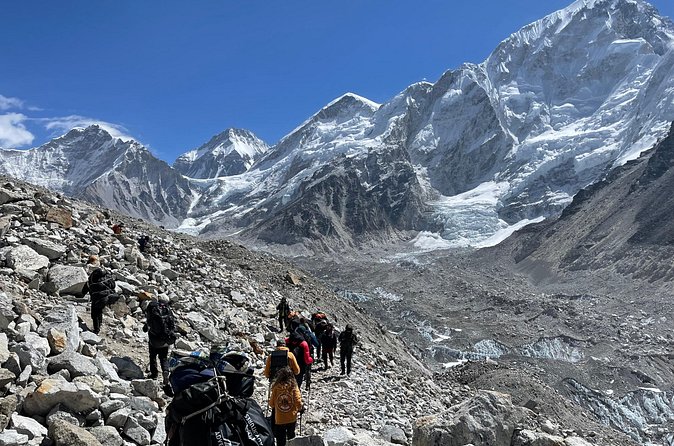
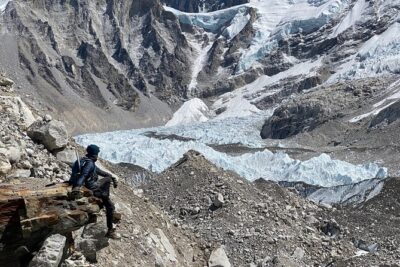
After Dingboche, the trek continues toward the Khumbu Glacier. You walk along its lateral moraine, a rough, rocky edge formed by glacial movement. The scenery here becomes stark and powerful, with less vegetation and more exposed stone and ice.
The route passes memorials for climbers who died on nearby Himalayan summits. This is a quiet and sobering part of the trek. It places the famous mountain in a human context and reminds you that the region is not simply a backdrop for photographs.
The day includes about two hours at the Khumbu Glacier stop, but the full walking distance and total time should be confirmed in advance. Mountain schedules often depend on the trail, weather, and the pace of the group.
Gorak Shep and the walk to Everest Base Camp
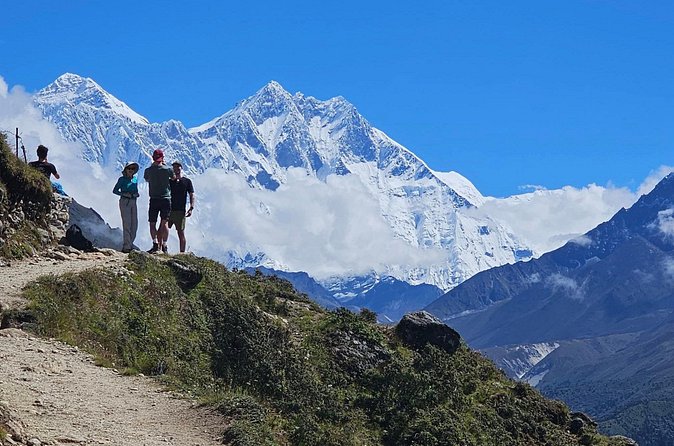
From Lobuche, you continue to Gorak Shep, the last major overnight point described before the Base Camp visit. The route offers views of many high peaks, including Everest, and then follows the trail toward the base camp.
The Base Camp day is the emotional center of the trip. You are walking beside the Khumbu Glacier and into the area used by expeditions attempting Everest. The itinerary allows about four minutes at a listed stop called Everest Camp II, which is clearly too brief to describe the full Base Camp experience, so you should ask the company to clarify the exact time spent at Everest Base Camp and the overnight arrangement.
This is also one of the hardest sections physically. Gorak Shep sits at high altitude, and the trail can feel slow even when the distance looks manageable on a map. The included guide, meals, tea, medical kit, and accommodation are valuable here because you have fewer practical decisions to make at the point when energy is low.
Kala Patthar and the best mountain-view day
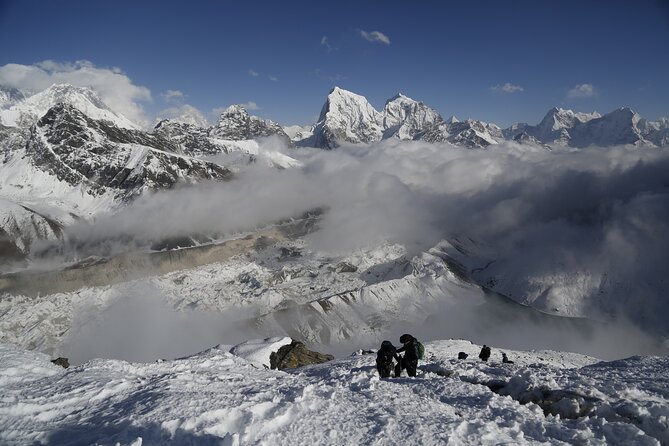
The following day begins early with a climb toward Kala Patthar. The itinerary describes sunlight piercing the clouds and reflecting on the snow, followed by an ascent lasting several hours.
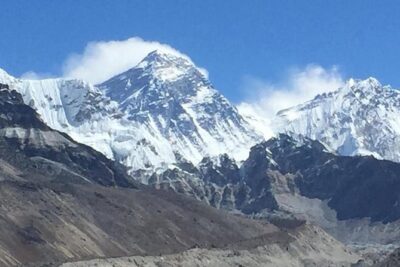
Kala Patthar and Everest Base Camp offer different experiences. Base Camp gives you the sense of reaching the historic expedition area. Kala Patthar is the viewpoint climb, with a wider mountain panorama and a strong chance of seeing Everest, Nuptse, Lhotse, and other peaks from a higher position.
The listed stop time at Gorak Shep is only 30 minutes, so again, confirm the precise schedule. An early start is important for the light and for returning before the day becomes more difficult. You will want warm layers, sun protection, water, and a steady pace. One useful tip from the trip feedback is to apply sunscreen every day. At high altitude, strong sun can catch you even when the air feels cold.
The return route through Pheriche and Pangboche
The return begins through Pheriche, followed by a slightly different route toward Orsho and Pangboche. The day is listed at about seven hours, making it one of the longer walking days.
Pangboche includes the chance to explore an old monastery. The itinerary also refers to a traditional story connected with the scalp and bones of the abominable snowman. Treat this as folklore rather than a guaranteed museum-style attraction, but it adds local character to the stop.
The route down can be easier on your breathing, yet long descents can be tiring on knees and ankles. I would keep the same careful pace you used on the way up. The guide team is repeatedly praised for being attentive and supportive, with Buddhi named several times as a particularly encouraging guide. Pawan is also identified as a main guide on another Everest-region trip with the same operator.
Back through Namche and Lukla
The itinerary returns toward Namche and then Lukla. The Namche to Lukla section is listed at about three hours for its named stop, followed by leisure time in the Lukla valley and an overnight at a guesthouse.
This final mountain night gives you a chance to slow down before the flight back to Kathmandu. It is also where the private format can be useful. You are not required to match the pace of a large mixed group, and you can use your guide to confirm airport timing and luggage arrangements.
Porter service is not included. That matters more than it first appears. You receive a duffel bag, sleeping bag, and down jacket, but you must either carry your own belongings or arrange and pay for a porter separately.
Kathmandu return and what the price really covers
After the flight back to Kathmandu, the plan includes a visit around Kathmandu, with Kathmandu Durbar Square listed as the main stop. The itinerary gives about two hours for sightseeing before the final night in the city.
The last day is devoted to reaching Tribhuvan International Airport three hours before your flight. A small farewell program is planned by the company. International hotel accommodation in Kathmandu is not included, so check whether your arrival and departure nights are covered separately or must be booked by you.
At $1,799.27, the package offers solid value if you want the main trekking arrangements handled in one booking. Included meals cover 12 breakfasts, 12 lunches, and 11 dinners in one part of the information, while another section lists 13 lunches, 14 breakfasts, and 13 dinners. Because these figures conflict, ask the operator for the final meal count in writing.
The same applies to the exact accommodation nights and daily walking times. The broad plan is clear, but a careful booking conversation will help you avoid surprises.
Who should book this trek
I would recommend this experience to you if reaching Everest Base Camp is a major personal goal and you want a private, guided itinerary rather than an independent trek. It suits someone comfortable with basic mountain accommodation, long walking days, changing weather, and limited comforts.
You should also be ready to budget beyond the advertised price. Travel and rescue insurance are essential. Plan for water, showers, laundry, phone use, battery charging, tips, porter service, and any extra costs caused by flight disruption or itinerary changes.
The tour is not designed for a relaxed sightseeing holiday. The information specifically calls for strong physical fitness, and the route includes high-altitude walking, glacier terrain, steep ascents, and long return days. Service animals are allowed, and the activity is near public transportation in its city portions, but most of the experience takes place on foot and by domestic aircraft.
Should you book the Everest Base Camp Trek?
Book it if you want a structured private trek with the major costs arranged in advance, including Lukla flights, permits, meals, equipment, accommodation, and guide support. The two acclimatization days and the attention praised for guides such as Buddhi are genuine strengths.
Do not book it casually. Confirm the daily walking hours, meal totals, accommodation details, porter options, and the exact time at Everest Base Camp before paying. If you prepare properly and accept the physical demands, this trip gives you the grand Himalayan views, Sherpa villages, monasteries, glacier country, and personal achievement that make the Everest Base Camp route so powerful.
FAQ
How long is the Everest Base Camp Trek?
The experience lasts approximately 14 days, beginning with arrival in Kathmandu and ending with airport transfer for your departing flight.
What is included in the tour price?
The price includes airport pickup and drop-off, both Kathmandu to Lukla and Lukla to Kathmandu flights, a licensed mountain guide, trekking accommodation, meals, national park and local entrance fees, a sleeping bag, down jacket, duffel bag, medical kit, and three cups of hot tea during the trek.
Is accommodation in Kathmandu included?
No. Hotel accommodation in Kathmandu is not included. The package includes 11 nights of accommodation on the trek, while Kathmandu hotels must be arranged separately.
Is porter service included?
No. Porter costs are not included. You must carry your own belongings or arrange and pay for porter service separately.
Do I need travel insurance?
Yes. Travel and rescue insurance are not included, and the emergency helicopter arrangement is to be paid by your insurance company if such a service is needed.
What happens if bad weather cancels the experience?
If poor weather causes cancellation, you will be offered a different date or a full refund. Changes or cancellations made less than 24 hours before the start time are not accepted, and the amount paid is not refunded.
Just added around Kathmandu
- Traditional Momo Making Class★ 5.0 · 10 reviews
- Wildlife Adventure in Chitwan Nepal★ 4.0 · 4 reviews
- Walking tour of real Kathmandu through back streets.★ 5.0 · 3 reviews
- Kathmandu 2 Nights 3 Days Chitwan Jungle Safari Tour★ 5.0 · 9 reviews
- Kathmandu Street Food Walking Tour – Eat Like a Local★ 5.0 · 3 reviews
- Private Manaslu Circuit Trek at Himalayas★ 5.0 · 3 reviews
- Walking tour of Kathmandu with awesome local guides★ 5.0 · 4 reviews
- Visit Swayambhunath and Bauddhanath Stupa with Guide★ 5.0 · 5 reviews
Everest Base Camp Treks from Kathmandu, compared.
Everest Base Camp Trek with Helicopter Return from Gorakshep to Lukla
Read our review →Browse the lists this tour appears in