
Reviewed · EVEREST BASE CAMP TREKS FROM KATHMANDU
From Kathmandu: Private 14-Day Everest Base Camp Trek
Everest Base Camp is the headline, but the real strength of this 14-day private trek is the steady climb through the Khumbu Valley. You fly from Kathmandu to Lukla, walk through Sherpa villages, pause twice for altitude adjustment, and reach both Base Camp at 5,364 meters and Kala Patthar at 5,545 meters. The route follows the classic approach used by most trekkers.
I like the built-in acclimatization days in Namche Bazaar and Dingboche, and I like that the price includes domestic flights, permits, lodging, meals, a guide, and a porter. Guides connected with Cordial Trek include Raj Tamang, Prakash Neupane, Pratip, and Nabin, though your assigned crew may differ. The main drawback is the altitude and the tight schedule, especially the long return walks from Gorakshep and Lukla.
Key points to know before booking
- Lukla flight included: The round trip from Kathmandu to Tenzing Hillary Airport is part of the package, though bad weather can affect plans.
- Two acclimatization stops: You spend extra time in Namche Bazaar and Dingboche rather than racing uphill.
- Base Camp and Kala Patthar: The itinerary reaches Everest Base Camp, then adds an early morning climb for a wider mountain view from Kala Patthar.
- Private trekking setup: Only your own group takes part, with an experienced guide and Sherpa porter.
- Most major costs covered: Permits, national park fees, accommodation, meals listed in the package, equipment, flights, and airport transfers are included.
- Serious physical demand: You need moderate fitness, good insurance, and a willingness to walk for several hours on consecutive days at high altitude.
Why this classic Everest route works
The trek begins at a surprisingly high level of organization. A Cordial Trek representative meets you at Tribhuvan International Airport, takes you to your hotel, and handles the first-night arrangements. That matters after an international flight, when finding transport and sorting out a mountain departure can be a nuisance.
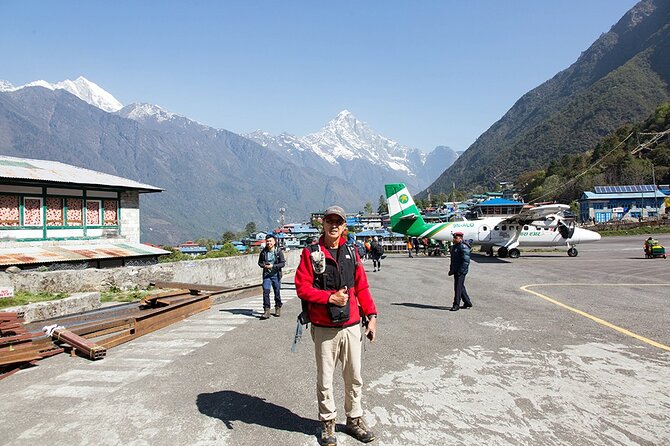
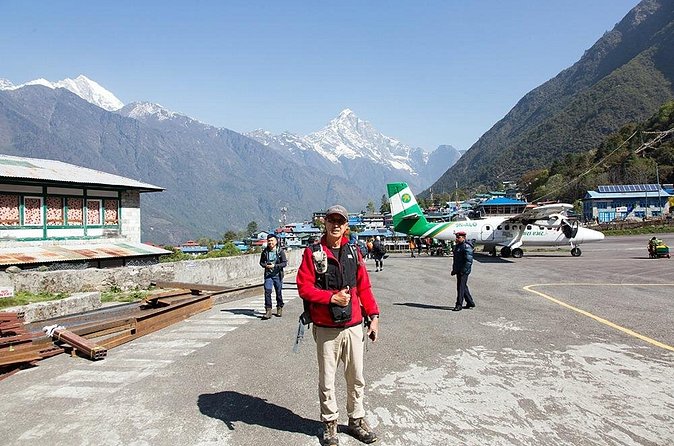
The next morning, you fly for about 30 minutes to Lukla. Tenzing Hillary Airport is famous for its short mountain runway and difficult operating conditions. The flight is not a sightseeing add-on you can treat casually. Weather can change the schedule, so keep your plans in Kathmandu flexible before and after the trek.
From Lukla, the walking begins. A guide and Sherpa porter accompany you, and the porter carries the supplied duffle bag and other trek equipment as arranged by the company. You should still pack a light day bag with water, warm layers, personal medication, and anything you need during the day.
The package costs $1,650 per person. For a private trek, that is a useful value if you would otherwise pay separately for flights, permits, airport transfers, accommodation, equipment, meals, and staff. The price does not cover your Nepal visa, personal spending, travel insurance, guide and porter gratuities, unspecified meals, or the solo traveler surcharge.
One small point needs clarification before you pay. The overview calls this a classical 15-day trek, while the supplied schedule runs from Day 1 through Day 14. The practical plan is therefore a 14-day program, but ask Cordial Trek to confirm the exact departure and return dates.
More Everest Base Camp treks:
- Everest Base Camp Trek – 14 Days
★ 5.0 · 1,499 reviews - Everest Base Camp Trekking
★ 5.0 · 485 reviews - Everest Base Camp Trekking – 13 Day
★ 5.0 · 365 reviews
Days 1 and 2: Kathmandu to Lukla
Day 1 is deliberately light. You arrive in Kathmandu, meet the local representative, transfer to your hotel, and have time to settle in. The included airport pickup removes one common arrival headache, but the package does not specify every hotel detail, so ask what standard of accommodation is included.
Day 2 brings the flight to Lukla and the first walking section. The itinerary describes a 30-minute flight, followed by support from the guide and porter team. The initial overnight stop is tied to the Phakding area, setting up the next day’s climb toward Namche Bazaar.
Lukla is more than a dramatic airport photo stop. It is the gateway where the road ends and the trail takes over. From here onward, your pace, hydration, and response to altitude matter far more than speed. A private arrangement is useful because your guide can watch your condition more closely than a large group leader might.
Days 3 and 4: Namche Bazaar and the first altitude check
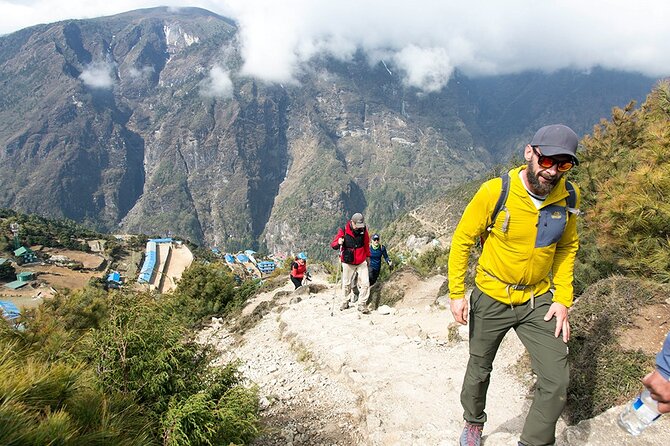
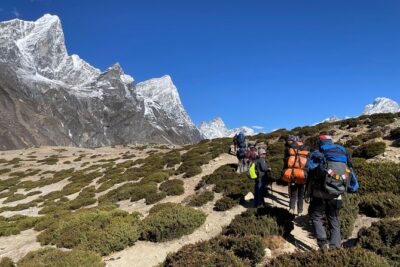
The walk from Phakding to Namche Bazaar takes about six hours and reaches 3,438 meters. The trail passes through Manjo village and enters Sagarmatha National Park. This is a demanding day because the elevation gain is noticeable, but it also brings the first real sense of the Khumbu region.
Namche Bazaar is a major stop on the route, with cafés, pubs, shops, and mountain views. On Day 4, you remain in Namche for acclimatization instead of pushing higher. That rest day is one of the best choices in the itinerary. It gives your body time to adjust and helps lower the risk of making a poor decision later.
The planned excursion goes to Everest View Point and Hotel Everest View. The hotel, opened in 1971, sits inside Sagarmatha National Park and offers broad views of the surrounding peaks. The visit lasts about an hour, so think of it as a short acclimatization walk with scenery, not a full sightseeing day.
I would use this stop to check your boots, socks, water system, and warm clothing. Small problems are easier to fix in Namche than above Dingboche. It is also a good place to spend modestly on a café break, since personal expenses are not included.
Days 5 and 6: Deboche and Dingboche
From Namche, you walk to Deboche in about six hours, reaching roughly 3,820 meters. The route includes views and villages around the Monastery area, with Tengboche becoming one of the most important cultural stops along the way. The itinerary highlights Tengboche Monastery, though the detailed schedule places the return through Tengboche on Day 11.
Deboche is quieter than Namche and serves as a practical overnight point before the route climbs higher. At this stage, the walk can feel manageable, but the altitude begins to affect breathing and sleep for some people. The guide’s role becomes more important here. Several trips operated by Cordial Trek have used guides such as Raj Tamang, Prakash Neupane, and Pratip, with Nabin also serving as a second guide on one larger trek. Your own guide may be different.
Day 6 takes about five hours from Deboche to Dingboche at 4,360 meters. The route passes the Lobuche River area and enters a more open high-altitude zone. Dingboche is a key staging point because the next major camps are much higher and the air is thinner.
More day hikes and treks in Kathmandu:
- Nagarkot Sunrise View and Day Hiking from Kathmandu
★ 5.0 · 471 reviews - Annapurna Circuit Trek with Tilicho Lake
★ 5.0 · 368 reviews - Everest Base Camp Trek -14 Days
★ 5.0 · 321 reviews - Annapurna base camp trek 5 Days
★ 5.0 · 252 reviews
Day 7: Dingboche acclimatization
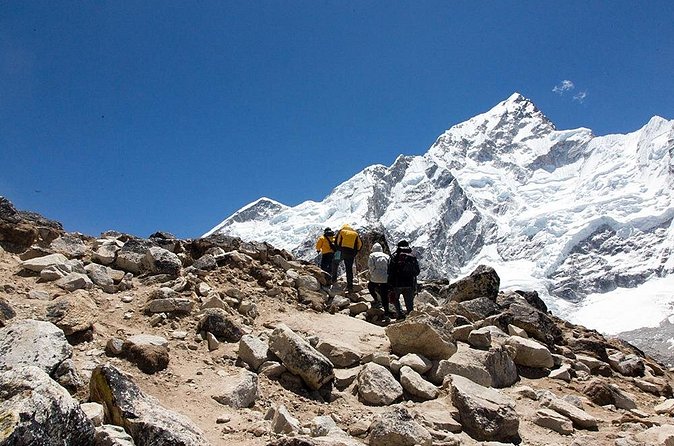
The second acclimatization day is the backbone of this itinerary. You stay in Dingboche at 4,360 meters and take a guided acclimatization walk rather than gaining a full night’s elevation. The supplied schedule does not specify the exact walking route, so confirm the day’s plan with your guide.
This is not a wasted day. At high altitude, rest and controlled movement help you prepare for Lobuche, Gorakshep, and Base Camp. You should expect a slower pace, careful attention to how you feel, and no pressure to prove anything.
A private trek helps here because the group does not have to move at one fixed pace. Still, private does not mean flexible in every direction. The flights, lodges, weather, and mountain route place limits on the schedule. If you develop serious altitude symptoms, your guide should be involved immediately, and travel insurance is compulsory for good reason.
Days 8 and 9: Lobuche, Gorakshep, and Everest Base Camp
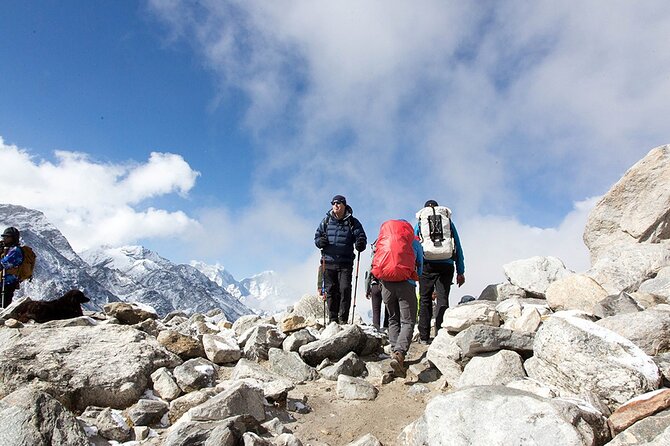
Day 8 covers Dingboche to Lobuche in about four or five hours. You reach around 4,940 meters, close to the Khumbu Glacier. Lobuche is a small mountain settlement, and the change from lower villages is clear: the route feels more exposed, the air is thinner, and daily walking becomes more tiring.
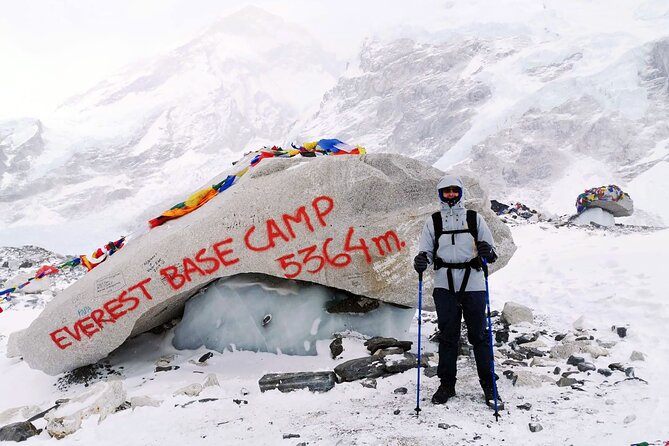
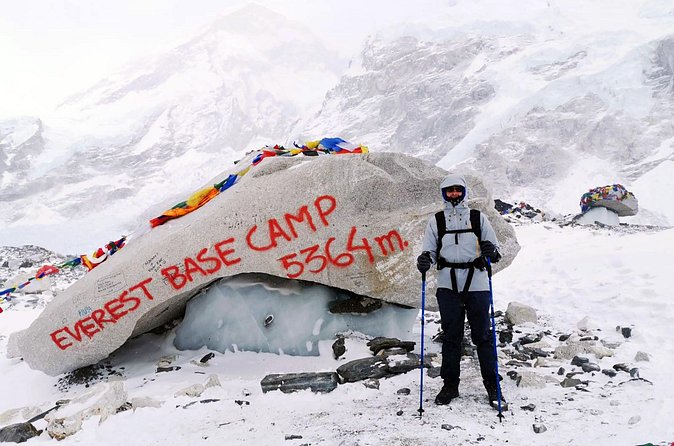
On Day 9, you climb from Lobuche to Gorakshep at 5,164 meters, then continue to Everest Base Camp at 5,364 meters. The itinerary describes Gorakshep as the final settlement before Base Camp. The Base Camp section itself is listed as about an hour, but the full day is much longer once you count the approach and return.
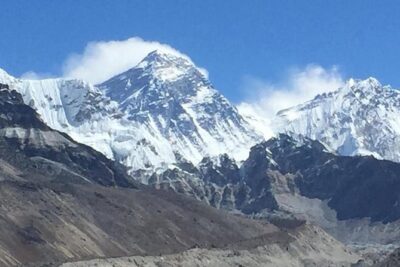
Everest Base Camp is an important destination, but it is not the highest point of the trek and it does not provide the classic full-face Everest view that many first-time visitors imagine. The value lies in reaching the point used by summit expeditions and seeing the Khumbu Glacier area up close. The surrounding peaks, ice, rock, and expedition setting make the stop memorable even when clouds hide the summit.
This is also the day when pacing matters most. Gorakshep sits above 5,000 meters, and the body has little room for careless effort. Carry only what you need, follow the guide’s timing, and expect the thin air to make a moderate distance feel hard.
Day 10: Kala Patthar at 5,545 meters
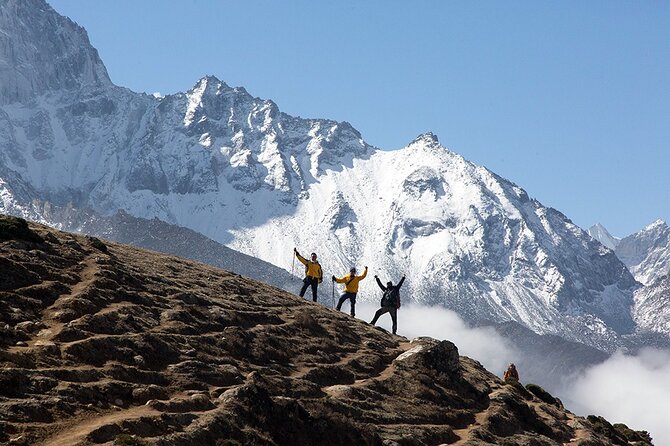
The early morning walk to Kala Patthar is listed as a three-hour round trip from Gorakshep, with a maximum elevation of 5,545 meters. This is the trek’s high point and often its best viewpoint. The climb is short compared with the full route, but the altitude makes it demanding.
I like that the itinerary gives Kala Patthar its own morning rather than treating it as an optional extra. The hill sits on the south ridge area near Gorakshep and is known for broad views of Everest and the surrounding peaks. Conditions can be cold and windy, and the early start means you should prepare clothing and water the night before.
After Kala Patthar, you return toward the lower settlements. The schedule later describes the route through Pheriche and Tengboche before Namche, so confirm exactly where you sleep on this day. The supplied itinerary compresses some of the high-altitude transitions, and a clear day-by-day lodging plan is worth getting in writing.
Days 11 and 12: The long return to Namche and Lukla
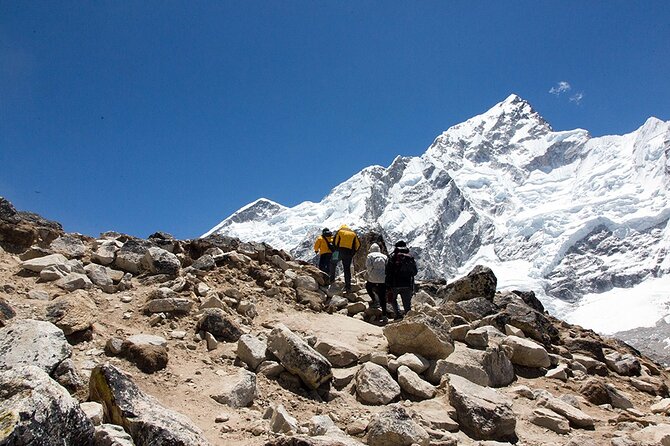
Day 11 covers the return toward Namche Bazaar via Pheriche and Tengboche in about six or seven hours. Reaching Tengboche on the way back gives you a second chance to appreciate the monastery area, but the day remains a substantial walk. After the effort, Namche offers cafés and pubs, a welcome change from the sparse high route.
Day 12 is another long day, about seven or eight hours from the Namche area through Phakding and onward to Lukla. The return walk can feel tougher than expected because your legs are tired and the trail includes repeated ups and downs. The reward is a final evening in Lukla, where the itinerary allows time at the local bazaar and a farewell with the crew.
The schedule says a final crew farewell takes place in Lukla. That personal close is one reason a private trek can feel more connected than a basic point-to-point package. Your guide and porter have shared the route with you for nearly two weeks, and the final evening gives you time to acknowledge their work. Gratuities are not included, so budget for them separately.
Days 13 and 14: Returning to Kathmandu
Day 13 is the flight from Lukla back to Kathmandu. The company provides the domestic flight ticket and airport transfers, then takes you to your hotel. The evening is free, giving you a little breathing room after the trek.
Again, weather matters. Lukla flights can be delayed or canceled by poor conditions, and the package includes a weather-related cancellation option that offers a different date or a full refund for the experience. Do not schedule an international departure immediately after the expected Lukla return unless you are comfortable with the risk of disruption.
Day 14 includes a trip certificate and the airport drop-off three hours before your final departure. The package provides a tidy end to the program, though the exact certificate presentation and hotel checkout details should be confirmed before arrival.
What the $1,650 price really covers
The price has solid practical value because it bundles several costs that quickly add up on an Everest trek:
- Return Kathmandu to Lukla domestic flights
- Airport transfers
- Accommodation
- An experienced trekking guide and Sherpa porter
- Trekking permits and national park fees
- Returnable down jacket, sleeping bag, and duffle bag
- Eleven lunches, twelve dinners, and thirteen breakfasts
- Trekking map, company T-shirt, and trip certificate
The unusual wording around meals means you should confirm which meals are covered on each day, especially in Kathmandu and around flight days. Personal drinks, snacks, extra meals, and other spending are yours to pay.
Travel insurance is compulsory and not included. It should cover high-altitude trekking and possible evacuation, though the supplied information does not specify a policy or coverage limit. Ask the operator what documentation they need before departure.
Who should book this private EBC trek?
I would recommend this program to someone who wants the classic Everest Base Camp route without arranging every permit, flight, transfer, and staff member alone. It suits a pair, family, or small private party that values its own guide and a schedule built around two acclimatization stops.
You need moderate physical fitness and the ability to walk for roughly four to eight hours on many days. The greatest challenge is not one spectacular climb. It is the repeated walking, the altitude, the cold, and the need to keep going after sleep at more than 4,000 meters.
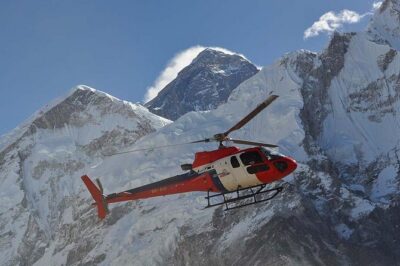
This is not the right choice if you want a relaxed mountain holiday, dislike basic high-altitude conditions, or need a guaranteed flight schedule. It is also not a bargain if you plan to add many private upgrades, extra nights, or helicopter transfers, since those are not part of the stated package.
The experience has a 5.0 rating from 20 reviews and a 100 percent recommendation figure. The strongest praise centers on organization, attentive guides, and practical support. Names repeatedly associated with successful Cordial Trek trips include Raj, Raj Tamang, Prakash Neupane, Pratip, Nabin, and manager Ramesh. Ask who will lead your group and how many people the porter team will support.
Should you book it?
Book this trek if you want a private, organized route to Everest Base Camp with the major logistics handled and enough time for acclimatization. The combination of Namche, Dingboche, Base Camp, Kala Patthar, and Tengboche gives you the classic Khumbu experience rather than a rushed summit-area visit.
Before paying, confirm the apparent 14-day versus 15-day discrepancy, the exact hotel and lodge standards, the named guide, daily meal coverage, solo surcharge, and the plan if Lukla flights are delayed. If you are comfortable with those details and have suitable insurance, $1,650 is a reasonable package price for the work included.
FAQ
How long is the Everest Base Camp trek?
The scheduled experience lasts 14 days, from arrival in Kathmandu through the final airport transfer. The overview also refers to a 15-day classical package, so confirm the exact dates with Cordial Trek before booking.
What is the price per person?
The listed price is $1,650 per person. A surcharge applies to solo participants.
Is this a private tour?
Yes. Only your own group participates, with an experienced trekking guide and a Sherpa porter.
Are flights to Lukla included?
Yes. The package includes return domestic flights between Kathmandu and Lukla. The flight from Kathmandu to Lukla is described as lasting about 30 minutes.
What altitude does the trek reach?
Everest Base Camp is at 5,364 meters, while Kala Patthar reaches 5,545 meters. The itinerary includes acclimatization stops in Namche Bazaar at 3,438 meters and Dingboche at 4,360 meters.
What equipment is provided?
The package includes returnable down jacket, sleeping bag, and duffle bag equipment. It also includes a trekking map and company T-shirt.
What happens if bad weather cancels the experience?
If poor weather causes cancellation, you are offered a different date or a full refund. Cancellation by you is free up to 24 hours before the start time. Cancellations within 24 hours are not refunded.
Just added around Kathmandu
- Traditional Momo Making Class★ 5.0 · 10 reviews
- Wildlife Adventure in Chitwan Nepal★ 4.0 · 4 reviews
- Walking tour of real Kathmandu through back streets.★ 5.0 · 3 reviews
- Kathmandu 2 Nights 3 Days Chitwan Jungle Safari Tour★ 5.0 · 9 reviews
- Kathmandu Street Food Walking Tour – Eat Like a Local★ 5.0 · 3 reviews
- Private Manaslu Circuit Trek at Himalayas★ 5.0 · 3 reviews
- Walking tour of Kathmandu with awesome local guides★ 5.0 · 4 reviews
- Regular Yoga for all levels of practitioners in Kathmandu★ 5.0 · 4 reviews
Everest Base Camp Treks from Kathmandu, compared.
Everest Base Camp Trek with Helicopter Return from Gorakshep to Lukla
Read our review →Browse the lists this tour appears in