
Reviewed · EVEREST BASE CAMP TREKS FROM KATHMANDU
14 Days Everest Base Camp Trek
The big draw here is the classic Everest Base Camp route, with its suspension bridges, Sherpa villages, Buddhist prayer flags, glacial moraines, and huge Himalayan peaks. You finish at Base Camp, then climb Kala Patthar for the finest mountain panorama of the trip.
I like the sensible acclimatization stops at Namche Bazaar and Dingboche, and I like that the $2,200 price includes domestic flights, permits, meals, a guide, a porter, and two Kathmandu hotel nights. The main catch is the altitude: this is a serious trek, not a scenic walk, and bad weather can disrupt the Lukla flights.
Key points to know before you book
- Kala Patthar reaches 5,545 meters, giving you a wide view of Everest, Lhotse, Nuptse, Pumori, and Ama Dablam.
- Two acclimatization days are built in at Namche Bazaar and Dingboche, which is essential for adjusting to thin air.
- The $2,200 cost covers major trek expenses, including meals, permits, guide service, porter support, domestic flights, and Kathmandu hotels.
- Lukla access involves a road transfer and a short flight, with the first drive taking about four to five hours to Manthali, Ramechhap.
- One porter serves two clients, so you should pack with a shared luggage allowance in mind.
- This is a private trip for groups of at least two, rather than a large mixed tour.
What the 14-day Everest trek is really like
This is a classic high-altitude journey with a clear rhythm: fly toward the mountains, walk uphill for several days, spend time adjusting to the altitude, reach Base Camp, climb Kala Patthar, and retrace your steps.
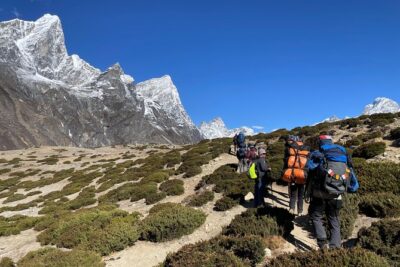
You are not simply walking to a famous sign. The route takes you through the Sagarmatha National Park, across glacial ground, past mani walls and chortens, and into settlements shaped by Sherpa culture. The mountains are the headline, but the daily details make the trip memorable: prayer flags snapping in the wind, yak pastures above the tree line, and tea houses where you can warm up after a long day.
The itinerary is private, so only your own group participates. That gives the schedule more flexibility than a large group trip, though the route still follows a fixed mountain rhythm. You must be ready for long walking days, basic conditions, and changes caused by weather.
More Everest Base Camp treks:
- Everest Base Camp Trek – 14 Days
★ 5.0 · 1,499 reviews - Everest Base Camp Trekking
★ 5.0 · 485 reviews - Everest Base Camp Trekking – 13 Day
★ 5.0 · 365 reviews
Kathmandu to Lukla: a long approach to a small mountain airstrip
Your first day is easy by comparison. You are collected at Kathmandu airport and taken to a hotel in Thamel, the city’s main visitor district. You can spend the afternoon looking through shops, eating in local restaurants, and sorting your equipment before the trek begins.
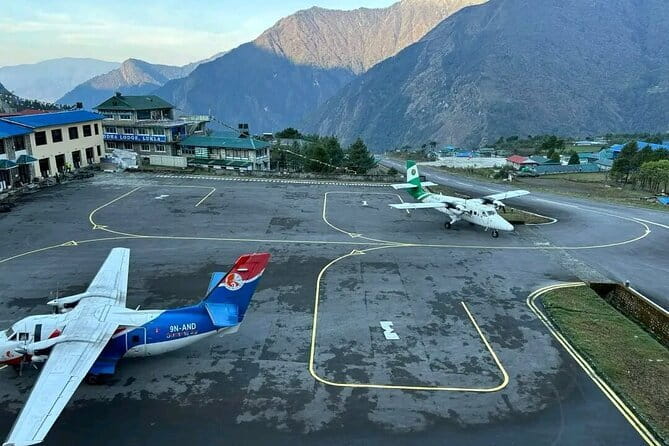
Day two has an awkward but practical transfer. You drive for roughly four to five hours from Kathmandu to Manthali in Ramechhap, then take a flight of about 20 minutes to Lukla. The air journey is short, but it delivers you quickly into the high hills.
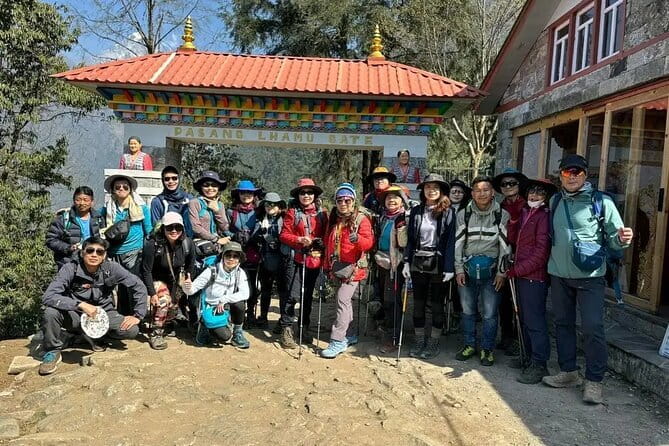
From Lukla, you walk for about four hours to Phakding. This first day gives you a gentle introduction to the trail without immediately pushing you into the highest parts of the Khumbu. You will already see mountain villages and river valleys, but save your energy. The harder walking comes soon.
One thing to understand is that the Lukla flight depends on weather and availability. The package includes the domestic flight ticket and airport tax, but no itinerary can make mountain weather behave. Keep some patience in reserve if the schedule changes.
Namche Bazaar and the first acclimatization day
On day three, you walk for about five hours from Phakding toward Namche Bazaar. The trail passes through Sherpa communities such as Benkar and Chumoa before reaching Monjo, the entrance to Sagarmatha National Park.
The route becomes steeper as you approach Namche. This is your first proper test, with uphill walking that can feel tougher than the distance suggests. Namche itself is a lively mountain trading center and a useful place to rest, eat, and buy last-minute supplies.
Day four is set aside for acclimatization, but it is not a day spent completely indoors. You walk to the Everest View Hotel, where the route offers broad views of Ama Dablam, Thamserku, Everest, Nuptse, and other peaks.
That short climb matters. At altitude, a rest day with a gentle walk helps your body adjust better than rushing onward. You should still take it slowly. The point is to gain height during the day and return to Namche to sleep, not to prove anything by racing uphill.
Namche is also one of the best places to appreciate the human side of the route. The markets, Sherpa food, and mountain setting make it more than a sleeping stop. It is a good place to ask your guide about the region and observe how supplies move into the high valleys.
Tengboche and the walk through the high valleys
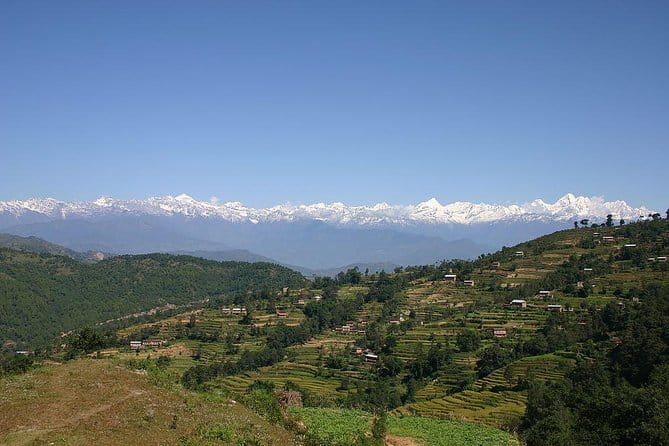
Day five takes about five hours from Namche to Tengboche. The walking is described as more relaxed, with fewer steep sections, making it a fine day for stopping often with your camera.
You will see prayer flags, stupas, and fine views of Ama Dablam. Tengboche is known for its ancient monastery and its dramatic position among the peaks. The monastery gives this stop a sense of purpose beyond the scenery, especially if you take time to notice the Buddhist symbols and quiet mountain setting.
Day six continues for about four hours to Dingboche. The trail passes through Pangboche, with views of Ama Dablam, chortens, and mani walls. As you go higher, fields and trees give way to more open ground, yak pastures, and alpine brush.
Dingboche is an important turning point. The air is thinner, nights are colder, and the walking feels more demanding even when the hours are not especially long. The extra time built into the schedule here is one of the strongest parts of the plan.
More day hikes and treks in Kathmandu:
- Nagarkot Sunrise View and Day Hiking from Kathmandu
★ 5.0 · 471 reviews - Annapurna Circuit Trek with Tilicho Lake
★ 5.0 · 368 reviews - Everest Base Camp Trek -14 Days
★ 5.0 · 321 reviews - Annapurna base camp trek 5 Days
★ 5.0 · 252 reviews
Dingboche acclimatization and the climb toward Lobuche
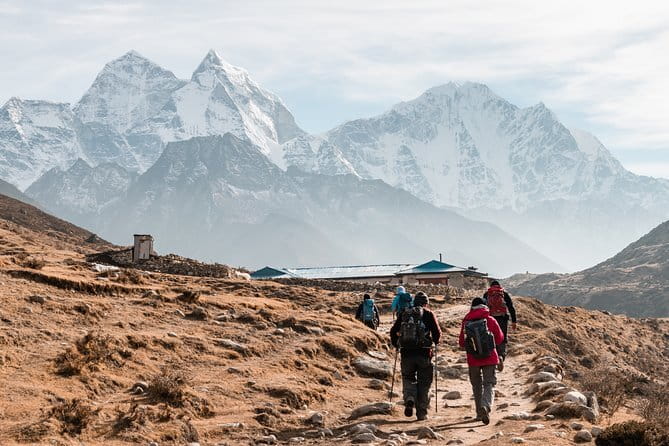
Day seven is another acclimatization day. You make a short walk toward Nagarjun Hill, reaching about 5,100 meters, then return to Dingboche.
That height is no small matter. You may find the climb slow and breathless, but the purpose is to let your body experience higher altitude before you sleep lower in Dingboche. Take the guide’s pace seriously and tell the guide if you feel unwell. A strong itinerary cannot remove the risk of altitude sickness.
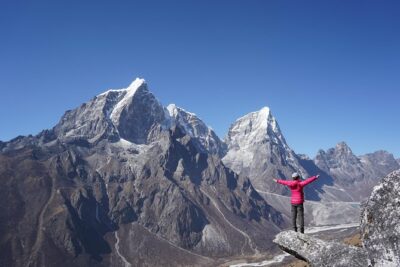
On day eight, you walk for about four hours toward Lobuche. The route enters Pheriche Valley and climbs gradually through open alpine ground and yak pasture. Ama Dablam, Tawoch, and Cholatse rise around the valley, giving you some of the most striking mountain views of the trek.
This part of the route can feel stark compared with the lower valleys. Trees are scarce, the air is cold, and the trail runs across exposed terrain. The reward is a close sense of the region’s raw scale. You are now walking among rock, ice, and high peaks rather than forest and farmland.
Gorak Shep and the long-awaited Everest Base Camp
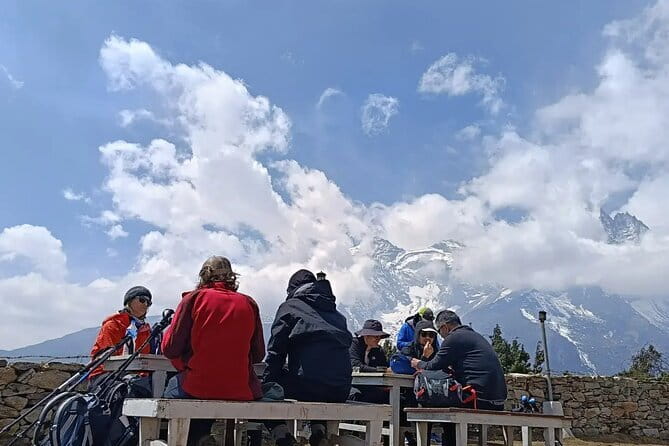
Day nine takes about four hours to reach Gorak Shep, a small settlement beside the lateral moraine of the Khumbu Glacier. Snow-covered peaks surround the village, and the setting makes clear how remote the upper route has become.
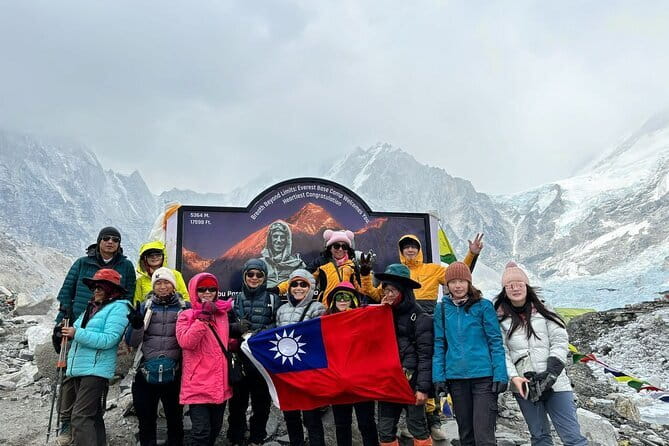
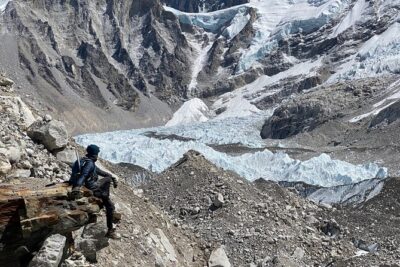
From Gorak Shep, you continue to Everest Base Camp. The walk follows glacial moraine, so the surface can be uneven and tiring. Base Camp is a major goal, but keep your expectations sensible. It is a working mountaineering area, not a permanent town or a grand viewing platform.
The achievement comes from reaching this point after days of steady uphill walking. You will see the Khumbu Glacier and the mountain environment used by expeditions, while the surrounding peaks provide the setting. The return to Gorak Shep is part of the same demanding day, so you need to manage your pace.
Kala Patthar at 5,545 meters
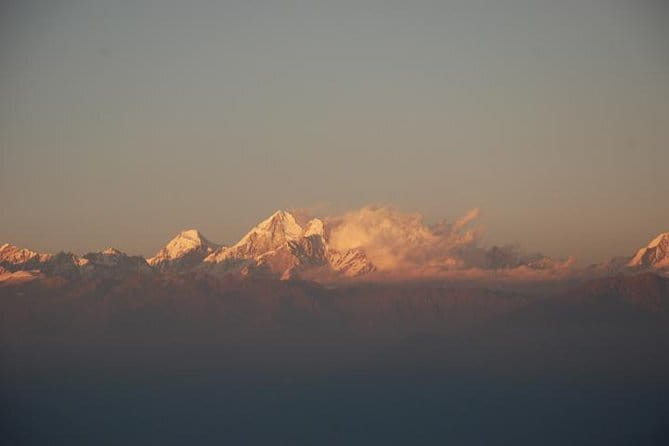
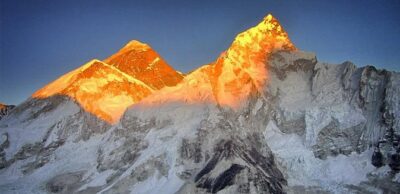
Day ten begins before dawn with a strenuous climb to Kala Patthar, the highest point on this route at 5,545 meters. The early start is designed to catch the mountain views in the morning light.
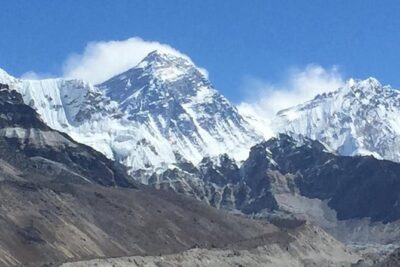
From the top, you can see Everest, Nuptse, Lhotse, Ama Dablam, Pumori, and other Himalayan peaks in a broad panorama. This is usually the visual high point of the trip. Base Camp puts you close to the glacier and the expedition route, but Kala Patthar gives you the better view of Everest itself.
The altitude makes this a serious effort. At more than 5,500 meters, even a short climb can feel slow. Wear appropriate personal gear, follow your guide’s pace, and do not treat the summit as a test of pride. The mountain does not care about your timetable.
After Kala Patthar, you descend toward Pheriche. The day takes about five hours and combines the trip’s highest climb with a long descent. It is a demanding finish to the high section, but losing altitude should make breathing easier.
The return through Namche and Lukla
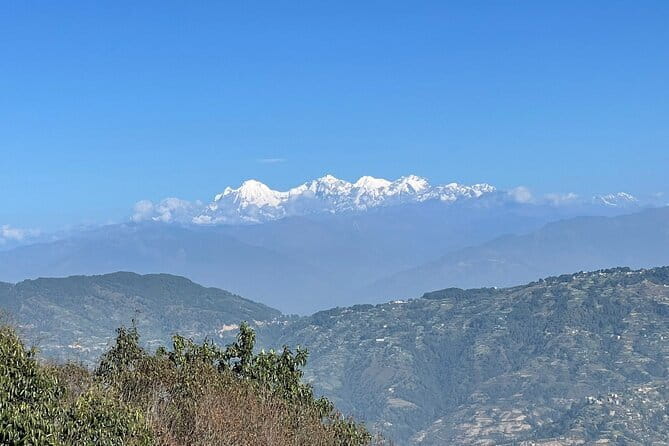
Day eleven takes you back toward Namche Bazaar. The route is mainly downhill, though some uphill sections remain, and the walking still takes about five hours.
The return can be surprisingly tiring. Your legs have already worked hard, and descending over uneven ground puts its own strain on the body. The lower you go, the more the forests and plant life return, offering a welcome change after the bare high valleys.
Day twelve is your final hiking day, with about five hours on the trail to Lukla. You follow much of the route used on the way up. Repeated ground looks different when you know the journey is ending, and Lukla gives you a chance to rest before the flight out.
Day thirteen is reserved for the return to Kathmandu, though the exact flight may depend on weather and availability. You may fly directly to Kathmandu or first return to Manthali Airport. Once back in Kathmandu, there is time for shopping and a farewell dinner at a typical Nepali restaurant.
Day fourteen is departure day. A staff member takes you to the airport three hours before your scheduled flight. The package also includes a completion certificate, a small but pleasant reminder of the effort involved.
What the $2,200 price includes
At $2,200 per person, this is not a budget walk, but the price covers many costs that can quickly add up on a Himalayan trek.
Included are two nights in a three-star Kathmandu hotel with breakfast, private airport transfers, domestic flights between Lukla and Manthali, airport tax, trekking permits, Sagarmatha National Park fees, and TIMS registration. During the trek, breakfast, lunch, and dinner are included, along with guide and porter support.
One porter is assigned to two clients. That arrangement helps control the price, but it also means you should not arrive with an enormous suitcase. Personal trekking equipment remains your responsibility.
The package also covers staff wages, staff lodging, food, gear, insurance, government taxes, value-added tax, and office service charges. That makes the price easier to judge because several major expenses are bundled together rather than left for you to arrange on the trail.
You still need to pay for a Nepal entry visa, international flights, travel insurance, and high-altitude emergency evacuation coverage. Drinks, bottled or hot water, coffee, alcohol, WiFi, hot showers, phone charges, sweets, and desserts are extra. Lunch and dinner in Kathmandu are also not included, so keep cash aside for those costs and for tips to your guide, porter, and driver.
Guide support and company experience
The trek includes a government-licensed guide and porter support, which is important on a route where altitude, weather, and trail conditions can change the day’s demands.
The company’s wider trekking work has included trips led or arranged by owner Pemba Tamang. A guide named Prayash received specific praise for helping a client through a longer Everest, Cho La Pass, and Gokyo Lakes journey. That is useful evidence of the company’s experience, but you should confirm the name of your own assigned guide before booking because the guide is not specified here.
The strongest pattern in the company’s feedback is organization, personal care, lodge selection, and support during difficult sections. Those qualities matter more than polished sales language on a trek like this. You want clear instructions, sensible pacing, and a guide who notices when you are struggling.
Who should book this trek
You should consider this trip if you want the standard Everest Base Camp route with a private group, built-in acclimatization, and most core costs handled for you.
It suits people with moderate physical fitness who can manage repeated five-hour walking days and one particularly demanding day at Kala Patthar. You do not need to be an elite athlete, but you do need patience, steady pacing, and a willingness to cope with basic mountain conditions.
I would not choose it if you want a relaxed holiday, guaranteed flight times, private hotel-style rooms throughout, or a short introduction to Nepal. The altitude is real, the final approach is hard, and weather can alter the transport plan.
The cancellation terms are worth noting before you commit. You receive a full refund if you cancel at least six full days before the start time, a 50 percent refund for cancellations two to six days ahead, and no refund for cancellations less than two days before departure.
Should you book the Everest Base Camp Trek?
I would book this trek if you want a well-structured, private route to Everest Base Camp and value having flights, meals, permits, hotel nights, guides, and porter support in one price.
The best reasons are the two acclimatization stops, the close look at Sherpa communities, the Tengboche monastery visit, and the chance to stand at Base Camp before climbing Kala Patthar for the big view. The main reasons to hesitate are the altitude, shared porter arrangement, extra costs for drinks and personal gear, and the uncertain Lukla flight schedule.
Before paying, ask who your guide will be, what luggage weight the porter arrangement allows, and how the company handles flight delays. If the answers are clear and you are prepared for a demanding mountain trek, this is a strong choice for the classic Everest experience.
FAQ
How long is the Everest Base Camp trek?
The experience lasts approximately 14 days, including arrival and departure days in Kathmandu, the trek between Lukla and Everest Base Camp, and the return journey.
Is airport pickup included?
Yes. Airport pickup and drop-off in Kathmandu are included in a private vehicle.
Are domestic flights included?
Yes. The package includes the domestic flight ticket between Lukla and Manthali, Ramechhap, along with domestic airport tax. The return to Kathmandu may be by flight from Lukla or through Manthali, depending on availability and weather.
Are meals included during the trek?
Breakfast, lunch, and dinner are included during the trek. Lunch and dinner in Kathmandu are not included. Drinks such as mineral water, hot water, coffee, and alcohol cost extra.
Do I need travel insurance?
Yes. Travel insurance is not included, and you are specifically responsible for arranging coverage that includes high-altitude emergency evacuation.
Is this a private tour?
Yes. Only your own group participates, and the trip requires a minimum of two people.
Just added around Kathmandu
- Traditional Momo Making Class★ 5.0 · 10 reviews
- Wildlife Adventure in Chitwan Nepal★ 4.0 · 4 reviews
- Walking tour of real Kathmandu through back streets.★ 5.0 · 3 reviews
- Kathmandu 2 Nights 3 Days Chitwan Jungle Safari Tour★ 5.0 · 9 reviews
- Kathmandu Street Food Walking Tour – Eat Like a Local★ 5.0 · 3 reviews
- Private Manaslu Circuit Trek at Himalayas★ 5.0 · 3 reviews
- Walking tour of Kathmandu with awesome local guides★ 5.0 · 4 reviews
- Visit Swayambhunath and Bauddhanath Stupa with Guide★ 5.0 · 5 reviews
Everest Base Camp Treks from Kathmandu, compared.
Everest Base Camp Trek with Helicopter Return from Gorakshep to Lukla
Read our review →Browse the lists this tour appears in