
Reviewed · EVEREST BASE CAMP TREKS FROM KATHMANDU
Everest Base Camp Trek
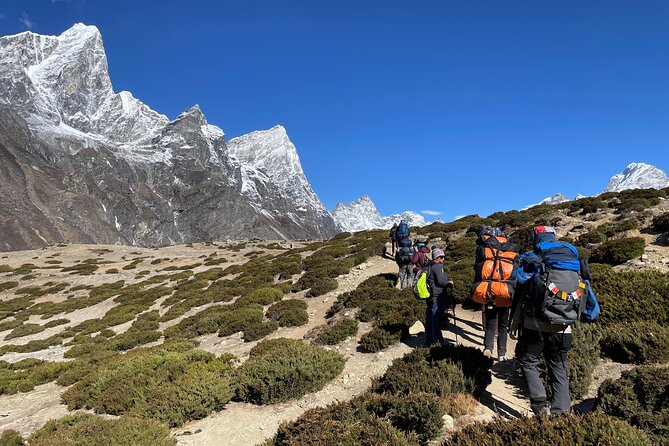
Everest Base Camp is not a quick photo stop. It is a serious high-altitude walk with long days, basic lodges, thin air, and a reward that feels well earned. This 12-day guided trek takes you from Lukla through Namche Bazaar, Dingboche, Lobuche, and Gorakshep to Base Camp and Kala Patthar, the trip’s highest point at 5,545 meters.
I like that the hard planning is handled for you. Flights, permits, meals, tea-house stays, transfers, and an experienced guide are included, so you can focus on walking and acclimatizing. I also like the two rest days, one at Namche Bazaar and one at Dingboche. The main caution is altitude: a moderate fitness level is required, and no itinerary can remove the risk of mountain sickness or Lukla flight delays.
Key points to know before booking
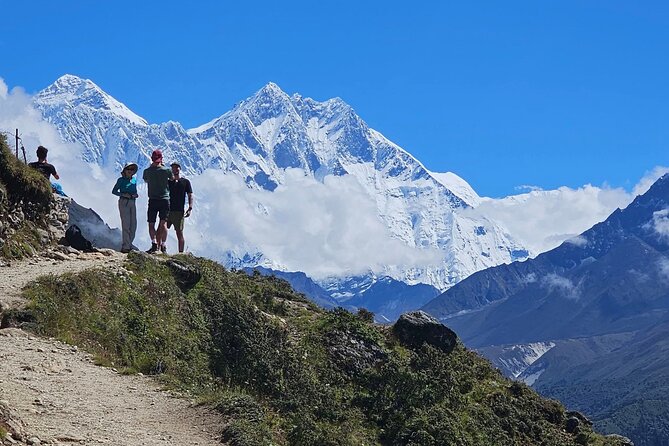
- Lukla is your gateway: The trek starts with a domestic flight from Kathmandu to Lukla, followed by a four-hour walk to Phakding.
- Two acclimatization days matter: You stop in Namche Bazaar and Dingboche instead of pushing uphill every day.
- Kala Patthar is the high point: At 5,545 meters, this climb is higher than Everest Base Camp itself and demands a strong effort.
- Most major costs are covered: Flights, permits, guide services, meals, tea-house lodging, transfers, and government taxes are included.
- A porter may cost extra: The package includes guide support, but the supplied pricing says a porter costs $20 per day, or $220 for the trek.
- Expect a small group: The maximum group size is 14 people, large enough for company but still manageable on the trail.
What the $1,300 price really covers
At $1,300 per person, this trek offers solid value for a major Himalayan expedition, especially because the price includes the Kathmandu to Lukla return flights. Domestic airfare can be a meaningful part of the total cost, and arranging it yourself adds another task to an already complicated trip.
You also get airport and hotel transfers by private vehicle, government taxes, VAT, service charges, trekking permits, and accommodation in tea houses along the route. Breakfast, lunch, and dinner are included during the trek. Your guide’s salary, food, accommodation, transportation, and insurance are covered too.
The equipment loan is useful. A sleeping bag, down jacket, duffle bag, and trekking map are supplied and returned after the trek. That can save you from buying bulky cold-weather gear for one trip, though you should still ask about sizes, condition, and exact specifications before departure.
Read the inclusions carefully because the porter information is not perfectly clear. The main description says guides and porters are included, but the detailed cost information lists a porter as an extra $20 per day, or $220 per person. I would confirm this in writing before paying.
There is also a small inconsistency about Kathmandu lodging. The overview says four nights in Kathmandu are included, while the exclusions say hotel and food in Kathmandu are not included. Ask exactly which Kathmandu nights and transfers are part of the $1,300 price.
You still need to budget for a Nepal entry visa, travel insurance, Kathmandu meals and lodging if not included, drinks, hot showers, battery charging, snacks, tips, and the stated $40 Everest Base Camp entrance fee. The one-month visa is listed at $40. International flights are not included.
More Everest Base Camp treks:
- Everest Base Camp Trek – 14 Days
★ 5.0 · 1,499 reviews - Everest Base Camp Trekking
★ 5.0 · 485 reviews - Everest Base Camp Trekking – 13 Day
★ 5.0 · 365 reviews
Day 1: Kathmandu to Lukla, then Phakding
Your day begins early, with a 6:15 a.m. start at Tribhuvan Airport in Kathmandu. The flight to Lukla reaches 2,886 meters, where the trail begins almost at once.
The first walk to Phakding is about four hours. At 2,610 meters, Phakding is lower than Lukla, making this a sensible opening day rather than an exhausting push toward Namche Bazaar. You will have lunch and dinner included, and your first night is in a tea house.
This opening section introduces the rhythm of the trek: walk for several hours, eat at a lodge, settle into a simple room, and prepare for the next morning. The early flight also means you should be ready for a very early start and a full day from the outset.
Day 2: Phakding to Namche Bazaar
The six-hour walk to Namche Bazaar takes you to 3,440 meters. This is one of the first genuinely demanding days because the trail gains substantial height and Namche is the main high-altitude town on the route.
Namche Bazaar is an important stopping point, not just a place to sleep. It is where the schedule slows down for acclimatization, and the following day is reserved for rest. That pause is one of the strongest features of the itinerary. You are not asked to climb higher every day without a break.
I would treat this day as a test of pacing. Walk steadily, drink the water you have arranged, and resist the urge to race the group early in the morning. Your guide is there to manage the pace and watch how you are responding to altitude.
Day 3: Acclimatization in Namche Bazaar
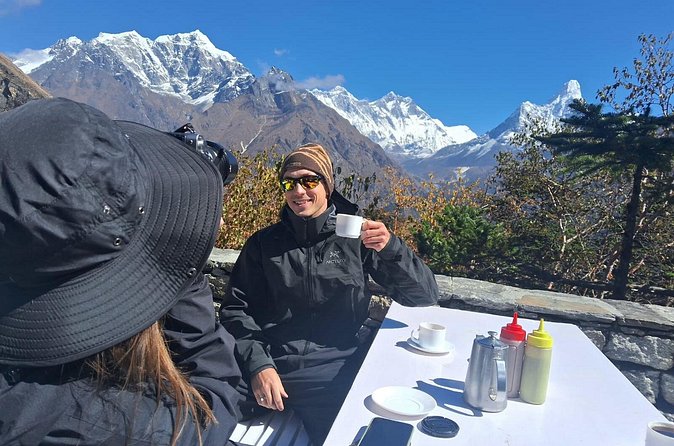
The rest day in Namche is built into the schedule to help your body adjust to 3,440 meters. The supplied information does not prescribe a separate excursion, so your exact activities depend on the guide and the group.
This is not a wasted day. At high altitude, a slow gain in elevation is a safety measure. You can use the time to rest, organize your duffle bag, check your clothing, and prepare for the harder sections ahead.
Namche is also the last major town before the trail becomes more remote. Personal expenses, drinks, snacks, hot showers, and battery charging are extra, so this is a sensible point to check your supplies and spending plan.
More day hikes and treks in Kathmandu:
- Nagarkot Sunrise View and Day Hiking from Kathmandu
★ 5.0 · 471 reviews - Annapurna Circuit Trek with Tilicho Lake
★ 5.0 · 368 reviews - Everest Base Camp Trek -14 Days
★ 5.0 · 321 reviews - Annapurna base camp trek 5 Days
★ 5.0 · 252 reviews
Day 4: Namche Bazaar to Tyangboche
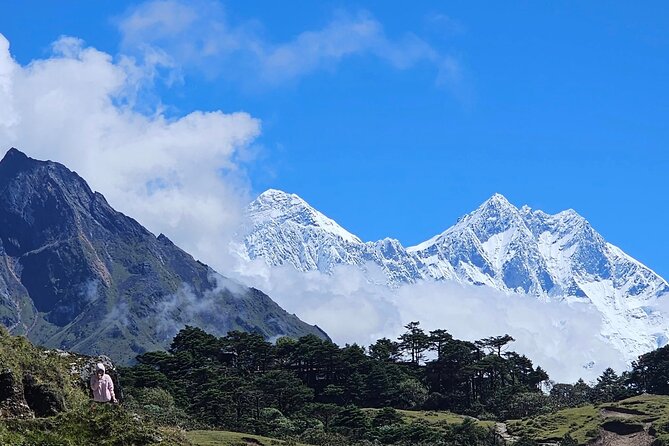
The trail rises to Tyangboche at 3,867 meters during a five-hour walk. This is a shorter day than the route to Namche, but the altitude continues to increase.
Tyangboche is a memorable overnight stop because the destination itself is part of the appeal. The itinerary calls it Tyangboche, though you may also see the name written as Tengboche. It is a high mountain settlement and an important point on the route toward Everest.
Do not judge this day by distance alone. At nearly 3,900 meters, every uphill section feels more serious than it would at home. Your guide’s role matters here, particularly when deciding how fast to walk and when to pause.
Day 5: Tyangboche to Dingboche
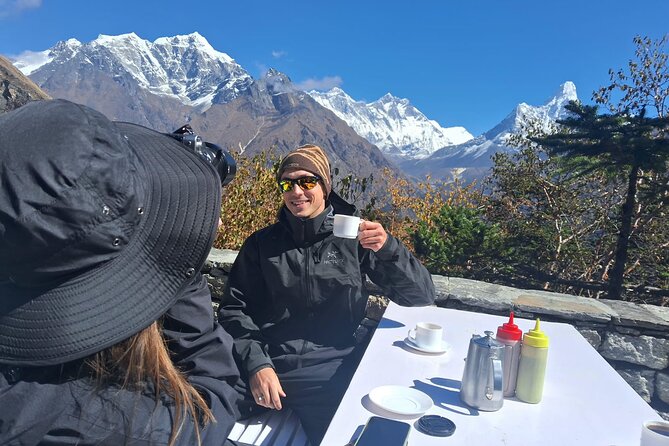
The five-hour trek to Dingboche reaches 4,260 meters. You are now firmly in high-altitude territory, and the route begins to feel less like an ordinary mountain hike.
Dingboche is another key pause in the plan. You sleep here before taking the second acclimatization day, which gives your body more time to adjust before the route climbs toward Lobuche and Gorakshep.
The schedule is sensible, but you should not mistake it for an easy holiday. Five hours of walking at this elevation can leave you tired, and the basic tea-house setting means comfort will be more limited than in Kathmandu. Meals are included, but drinks, sweets, hot showers, and charging are not.
Day 6: Acclimatization in Dingboche
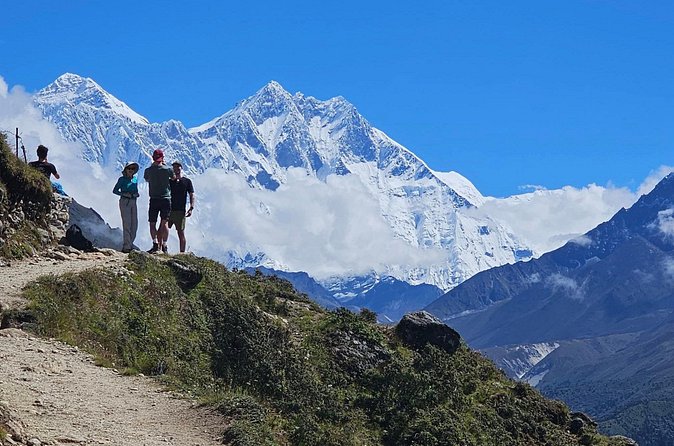
The second rest day comes at 4,260 meters. This is an important part of the trip because the next few days take you above 4,900 meters and eventually past 5,500 meters.
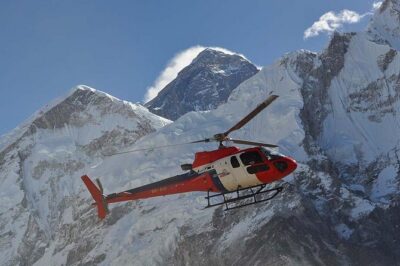
Use the day to rest, stay warm, and pay attention to how you feel. The supplied information requires moderate physical fitness, but fitness alone does not guarantee that you will handle altitude well. Travel insurance is compulsory, and the operator can arrange emergency helicopter service if needed. The helicopter cost is to be paid by your insurance company, so check that your policy covers high-altitude trekking and evacuation before you leave home.
This is also a good point to speak honestly with the guide. A patient guide can help you make sensible decisions, but you need to report symptoms rather than hide them to keep up with the group.
Day 7: Dingboche to Lobuche
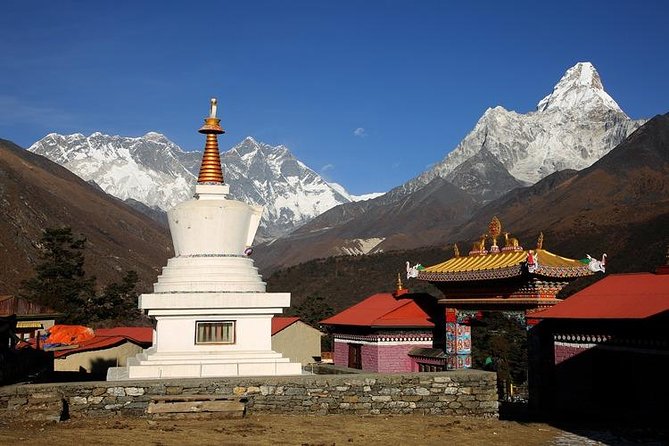
The five-hour walk to Lobuche reaches 4,930 meters. This is where the air feels notably thinner and the daily routine becomes more demanding.
The route is getting closer to Everest Base Camp, but the excitement should not push you into a faster pace. You may find yourself taking more breaks and walking slowly uphill. That is normal at this height.
Lobuche is a practical overnight stop before the Base Camp push. The lodge facilities are basic, and your included sleeping bag and down jacket become especially useful. You should expect cold conditions and limited extras. Hot showers, snacks, drinks, and battery charging cost more.
Day 8: Lobuche to Everest Base Camp via Gorakshep
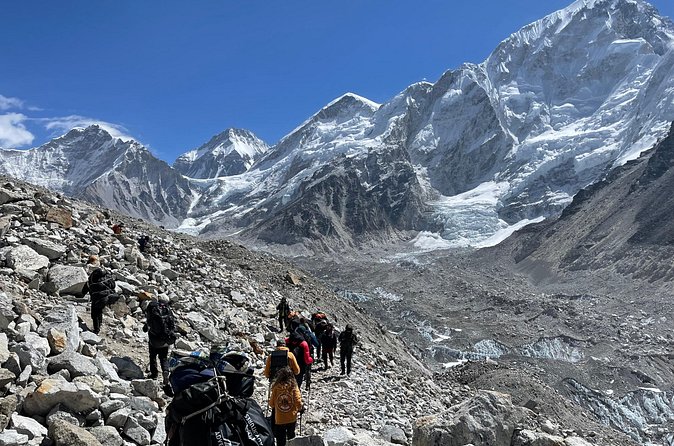
This is the headline day. The trek from Lobuche to Everest Base Camp, passing through Gorakshep, takes about six to seven hours. The itinerary lists Base Camp at an unspecified elevation, but the route is clearly one of the highest and hardest parts of the trip.
Gorakshep is the staging point for the final approach. You should expect a long day, thin air, and a slow pace. The destination carries real meaning because you have reached the base of the world’s highest mountain by foot, not simply driven up to a viewpoint.
Base Camp itself does not guarantee a clear view of Mount Everest. The reward is the setting, the glacier country, and the sense of reaching a place used by major climbing expeditions. Your guide helps with timing, route decisions, and getting the group back to Gorakshep safely.
This is also the night before the highest climb of the trip, so conserve energy. The walk to Base Camp is a major achievement, but the next morning asks for more.
Day 9: Gorakshep to Kala Patthar, then Pheriche
The day begins with the climb to Kala Patthar at 5,545 meters, followed by a descent to Pheriche at 4,243 meters. The total walking time is about seven hours.
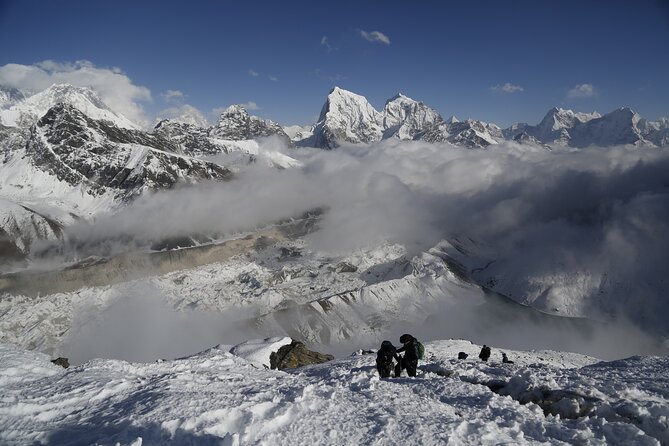
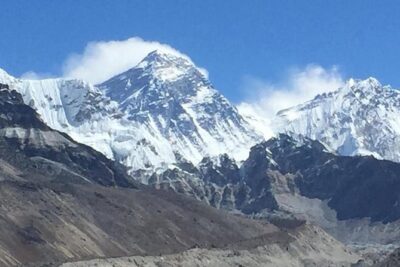
Kala Patthar is the true high point of the itinerary. It gives you the best chance of wide views toward Mount Everest and the surrounding peaks, though mountain weather can change quickly. The climb is short on paper compared with a full trekking day, but the altitude makes it strenuous.
After Kala Patthar, you descend to Pheriche. That drop in elevation should feel welcome, but the day remains long. Good footwear, warm layers, and a steady pace matter here more than speed.
This is the point when the trip’s structure pays off. The rest days and gradual climb have brought you to the highest section, while the descent afterward gives your body a break from gaining height.
Day 10: Pheriche to Namche Bazaar
The six-hour return to Namche Bazaar takes you back to 3,441 meters. The descent is generally easier on breathing, but it can be hard on knees and tired legs.
You will be retracing part of the route, but the experience often feels different on the way down. You know the route, the air is thicker, and the pressure of reaching Base Camp has passed. Namche gives you another comfortable pause before the final walk to Lukla.
If you have used extra services such as charging, showers, drinks, or snacks, this is a good time to settle any remaining personal expenses. Tips for the guide and staff are not included in the tour price.
Day 11: Namche Bazaar to Lukla
The six-hour walk back to Lukla is the final full trekking day. It is satisfying, but do not treat it as a casual stroll. You will be tired after the high route, and the downhill sections can punish feet and knees.
Lukla marks the end of the walking portion. Your guide and support staff have handled the trail logistics, lodge arrangements, and meals during the trek, while you have carried your personal needs in your day pack or duffle bag.
The listed group limit is 14 people. That size can provide companionship without creating a huge walking line, though the pace will still depend on the slowest member and the group’s health needs.
Day 12: Lukla to Kathmandu
The final day is a flight from Lukla to Kathmandu, followed by a hotel transfer. The domestic flight fare and airport tax are included.
Weather can affect mountain flights, and the cancellation terms specifically note that poor weather may require a different date or a full refund if the experience itself is canceled. That does not mean every delay will be painless, so you should avoid scheduling an important international flight immediately after the return from Lukla.
The trip ends in Kathmandu rather than at the airport. Confirm in advance whether the promised four Kathmandu nights are included, since the detailed exclusions say Kathmandu hotel and food are not covered.
Guides, porters, and the human side of the trek
The guide service is one of the tour’s strongest practical features. The supplied feedback gives specific examples of guides named Kiran, Dinish, and Arjun. Arjun was especially praised for patience and for bringing fresh fruit for dessert each night. Those details suggest the guide can shape the experience in small but important ways, from setting expectations to helping you manage difficult days.
You should not assume you will be assigned one of those named guides. Ask who will lead your departure and how many support staff will join your group.
The porter cost needs clarification. The detailed information lists porter service at $20 per day, totaling $220 per person, while the overview says porters are included. If you want to walk with only a day pack, settle this point before booking. Also ask about luggage weight limits and who carries the duffle bag.
The support system includes emergency helicopter arrangements, but your insurance must pay for the service. Carry proof of insurance and check the high-altitude and evacuation terms before arrival.
Who should book this Everest trek?
I would recommend this trip to someone who wants the classic Everest Base Camp route but does not want to arrange flights, permits, meals, lodges, transfers, and a guide separately. The schedule is structured, the group is capped at 14, and the two acclimatization days are sensible.
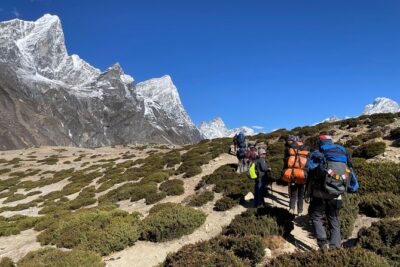
It suits people who can handle repeated five to seven-hour walking days and who accept basic tea-house accommodation. You need moderate physical fitness, patience, and enough flexibility for mountain weather.
I would think twice if you want a comfortable luxury trip, a private itinerary, or a completely fixed schedule. The non-refundable policy is strict, and weather can interfere with the Lukla flights. Travel insurance is not optional here.
Should you book it?
Book this trek if you want a guided, cost-conscious route to Everest Base Camp and value having the major logistics handled. The $1,300 price is attractive once you account for domestic flights, meals, permits, guide costs, transfers, and trekking accommodation.
Before paying, confirm three points: whether the four Kathmandu nights are included, whether a porter costs an extra $220, and exactly what the $40 entrance fee covers. If those terms suit you, this is a well-structured way to tackle a demanding but memorable Himalayan trek.
FAQ
How long is the Everest Base Camp trek?
The planned duration is approximately 12 days, including flights between Kathmandu and Lukla.
Where does the trek start?
The trip begins at Tribhuvan Airport in Kathmandu. The listed start time is 6:15 a.m.
Is transportation included?
Yes. The Kathmandu to Lukla return flight, domestic airport tax, and airport and hotel transfers by private vehicle are included.
Are meals included?
Breakfast, lunch, and dinner are included during the trek. Food in Kathmandu is listed as an exclusion.
Is accommodation included?
Tea-house accommodation during the trek is included. The overview also says four nights in Kathmandu are included, but the detailed exclusions say Kathmandu hotel and food are not included. Confirm the Kathmandu arrangements before booking.
Are guides included?
Yes. An experienced guide is included, along with the guide’s salary, food, drinks, accommodation, transportation, and insurance.
Is a porter included?
The supplied information is inconsistent. The overview says guides and porters are included, while the detailed pricing lists porter service at $20 per day, or $220 per person. Confirm this before booking.
What equipment is supplied?
A sleeping bag, down jacket, duffle bag, and trekking map are supplied and returned after the trek.
Is travel insurance required?
Yes. Travel insurance is compulsory. Emergency helicopter arrangements can be made, but the cost is to be paid by your insurance company.
What is the group size?
The maximum group size is 14 people.
Just added around Kathmandu
- Traditional Momo Making Class★ 5.0 · 10 reviews
- Wildlife Adventure in Chitwan Nepal★ 4.0 · 4 reviews
- Walking tour of real Kathmandu through back streets.★ 5.0 · 3 reviews
- Kathmandu 2 Nights 3 Days Chitwan Jungle Safari Tour★ 5.0 · 9 reviews
- Kathmandu Street Food Walking Tour – Eat Like a Local★ 5.0 · 3 reviews
- Private Manaslu Circuit Trek at Himalayas★ 5.0 · 3 reviews
- Walking tour of Kathmandu with awesome local guides★ 5.0 · 4 reviews
- Visit Swayambhunath and Bauddhanath Stupa with Guide★ 5.0 · 5 reviews
Everest Base Camp Treks from Kathmandu, compared.
Everest Base Camp Trek with Helicopter Return from Gorakshep to Lukla
Read our review →Browse the lists this tour appears in