
Reviewed · EVEREST BASE CAMP TREKS FROM KATHMANDU
Everest Base Camp Trekking – 2025/2026
The big draw is simple: this trek puts you on the classic route to Everest Base Camp, with Lukla flights and permits included. I like the private format, since you can set a steady pace rather than chase a large group. I also like the human touch: guides such as Sujal, Samir, Krishna, Hairy, and Prabin Tamang are repeatedly praised for care, communication, and practical help.
The main caution is the schedule. It is labeled a 14-day trip, but the supplied day-by-day outline jumps from Day 7 to Day 9 and does not clearly show an acclimatization day. Ask Alpine Ramble Treks to confirm the exact dates, rest stops, and flight plan before you pay.
Key points before you book
- Private trekking format: Only your own group takes part, with an English-speaking licensed guide and porter support.
- Classic Everest route: Walk through Phakding, Namche Bazaar, Pangboche, Lobuche, and Gorak Shep before reaching Base Camp.
- Flights are included: The package covers domestic flights from Kathmandu or Manthali to Lukla and back.
- Full-board trekking meals: Breakfast, lunch, dinner, and main-course meals are covered, though drinks, snacks, showers, and Wi-Fi cost extra.
- Basic mountain lodges: Expect clean, simple rooms with blankets and pillows, plus shared bathrooms in some high-altitude villages.
- Fitness matters: You should be ready to hike about 3 to 5 hours a day on rugged ground at high altitude.
Why this Everest trek earns its place on your Nepal plans
Everest Base Camp is not a technical climb. You do not need ropes, crampons, or climbing experience. You do need stamina, patience, and a sensible attitude toward altitude.
That distinction matters. The route follows established mountain paths through Sherpa settlements, Buddhist monasteries, suspension bridges, and high valleys. You walk under your own power, but you are not expected to find the route, arrange lodge rooms, or solve every transport problem yourself.
At $1,339.20 per person, the price is attractive for a private trek that includes domestic flights, mountain lodging, most meals, permits, a guide, and porter service. International airfare, insurance, visas, drinks, showers, Wi-Fi, snacks, and extra Kathmandu lodging are not included, so the final cost will be higher.
I see the strongest value in the services that are awkward or expensive to arrange alone. Lukla flights can be affected by weather. Finding a lodge after a long walking day is not something you want to manage while tired. The guide also gives you a local link to Sherpa life and helps you judge your pace.
The tradeoff is comfort. This is not a luxury mountain holiday. Rooms are basic, mattresses are not thick, and attached bathrooms are not available everywhere. At high altitude, you may need to share a bathroom. That is normal for the region, but you should know it before you go.
More Everest Base Camp treks:
- Everest Base Camp Trek – 14 Days
★ 5.0 · 1,499 reviews - Everest Base Camp Trekking
★ 5.0 · 485 reviews - Everest Base Camp Trekking – 13 Day
★ 5.0 · 365 reviews
Kathmandu arrival and the 7:15 am start
Your first day is an arrival day in Kathmandu. An airport representative meets you and transfers you to your hotel. The evening includes an introduction to the trek or a briefing with the team.
Pickup is offered, which is useful after an international flight. You should still confirm the exact hotel, airport meeting instructions, and whether extra nights before or after the trek are included. The package says they are not.
The stated start time is 7:15 am. The flight arrangement may use Kathmandu or Manthali airport, depending on the operating plan. This is worth confirming in advance because the airport used can affect your morning transfer and the amount of sleep you get.
Kathmandu also gives you a chance to check your gear. The company can provide a warm down jacket and sleeping bag on a rental basis, according to the supplied information. You will still need proper boots, warm layers, a daypack, sun protection, water bottles, and personal medication.
Lukla to Phakding, the first mountain walk
The flight to Lukla is short, but the change in setting is dramatic. You leave the city and begin in the foothills of the Everest region.
From Lukla, the first walk leads to Phakding at about 2,652 meters. The listed walking time is around three hours, with another part of the itinerary showing four hours. Treat that as a rough estimate, not a promise. Pace, trail conditions, breaks, and luggage all affect the timing.
This first day is a useful introduction to the rhythm of the trek. You begin walking beside mountain streams and through small settlements rather than charging toward the highest point. The night is spent in a basic trekking lodge.
The walk is shorter than later stages, but do not dismiss it. You are adjusting to the altitude, and your first task is to walk slowly enough that your body can settle in.
Phakding to Namche Bazaar, the first serious test
The route from Phakding to Namche Bazaar covers about 10 to 12 kilometers and is listed at around five hours. This is where the trek begins to feel like a real physical undertaking.
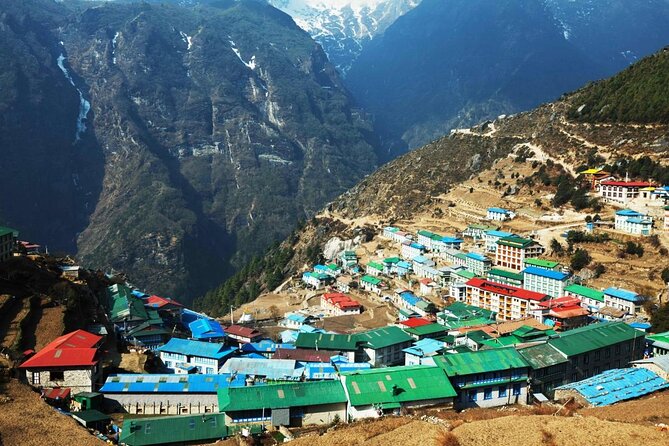
Namche Bazaar is one of the most important settlements on the route. It is a Sherpa trading center and a natural place to stop, eat, rest, and learn about life in the Khumbu region. The approach includes uphill walking, so your legs will notice the difference from the previous day.
Your guide is especially useful here. A private guide can keep the pace conservative, suggest breaks, and explain the cultural setting rather than treating the walk as a race. The company says the guide gives regular evening briefings about the next day, which helps you know what is coming.
The itinerary does not clearly identify a separate acclimatization day in Namche. That is a point I would clarify before booking. At this altitude, a well-planned schedule should make room for your body to adjust, and the published outline appears compressed.
More day hikes and treks in Kathmandu:
- Nagarkot Sunrise View and Day Hiking from Kathmandu
★ 5.0 · 471 reviews - Annapurna Circuit Trek with Tilicho Lake
★ 5.0 · 368 reviews - Everest Base Camp Trek -14 Days
★ 5.0 · 321 reviews - Annapurna base camp trek 5 Days
★ 5.0 · 252 reviews
Namche to Pangboche through Sherpa country
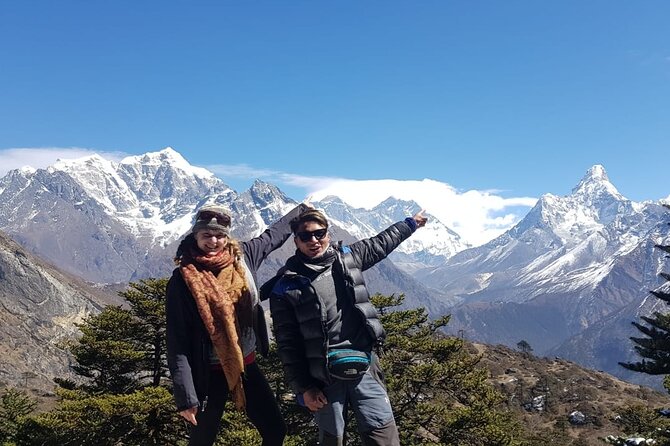
The next listed stage runs from Namche Bazaar to Pangboche and takes about five hours. Pangboche is a high mountain village with a strong Sherpa character and views toward some of the region’s major peaks.
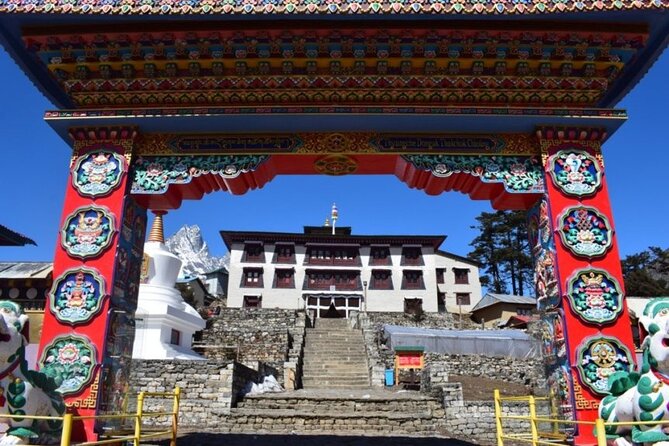
This is one of the more rewarding sections because the route is not only about reaching Base Camp. You are passing through lived-in communities. The guide is expected to explain local customs, beliefs, and daily life, and you are encouraged to visit settlements while meals are being prepared.
You should ask permission before photographing people, homes, or religious places. The company’s responsible tourism guidance stresses respect for local laws, customs, and beliefs. That is good advice anywhere, but especially important in villages where tourism is a major part of the local economy.
The lodge experience remains simple. You get a clean room with blankets, pillows, and a mattress, but standards are more modest than in Kathmandu. Hot showers, Wi-Fi, and other comforts cost extra where available.
Pangboche to Lobuche, where the air gets thinner
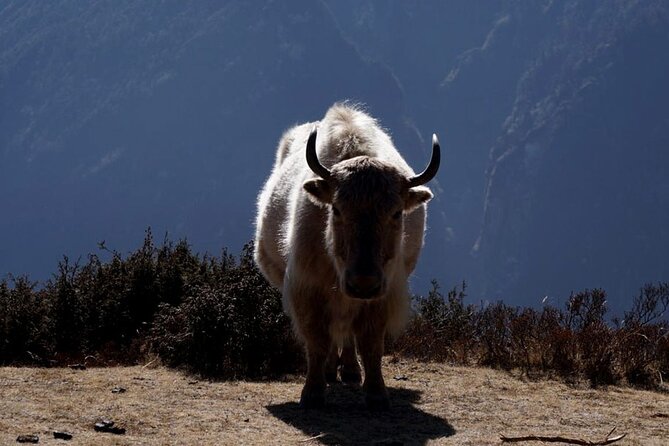
The trek from Pangboche to Lobuche is listed at around five hours. Lobuche is one of the last major overnight points before Gorak Shep and Base Camp.
This is where you should pay close attention to how you feel. The company describes the trek as moderate, but the altitude makes the same walking time feel harder than it would at home. The route is rugged, and cold nights can affect sleep and appetite.
Your guide’s role becomes more important here. The stated service includes an experienced government-licensed guide, and the company says its guides help with safety, meals, flights, and general support. Previous clients specifically praised named guides including Sujal, Samir, Krishna, and Hairy for care and assistance. That is a useful sign, though guide assignments can change.
Meals are served at the lodge. The menu may include dal bhat, Sherpa stew, soups, vegetables, rice, noodles, pasta, pizza, eggs, potatoes, bread, and apple pie. Garlic soup, potato soup, ginger tea, lemon tea, and hot chocolate are also listed. Meat is not recommended by the operator in this region, so vegetarian meals are the sensible choice.
Lobuche to Gorak Shep and Everest Base Camp
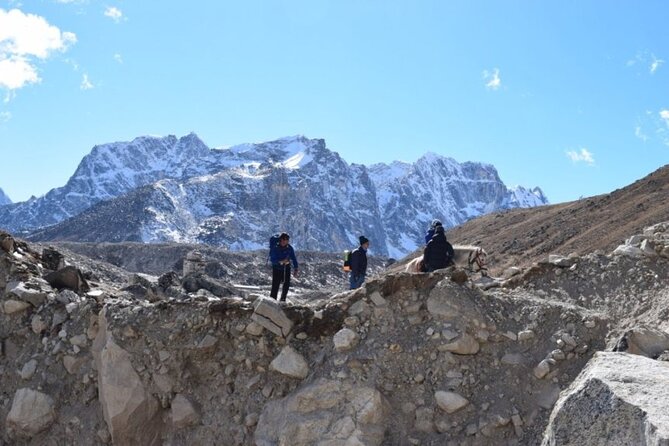
The most important day takes you from Lobuche to Gorak Shep, then onward to Everest Base Camp before returning to Gorak Shep. The listed walking time is around five hours, though the exact time depends on trail conditions and your pace.
Gorak Shep is a stark, high-altitude settlement. Facilities are basic, and you should not expect the comforts of lower villages. This is the point where warm clothing, a good sleeping bag, hydration, and careful pacing matter most.
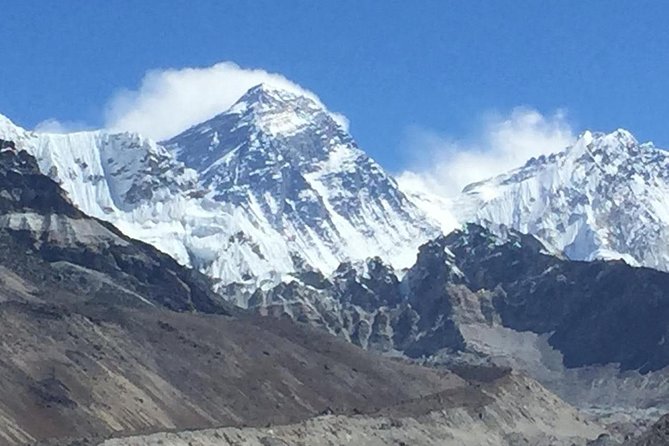
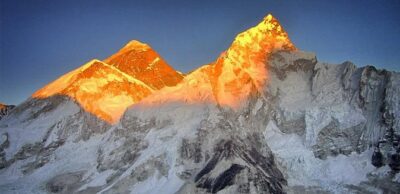
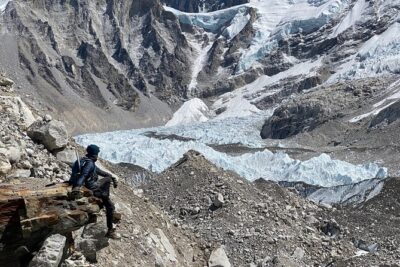
The walk to Base Camp is the emotional center of the trip. You are close to the Khumbu Glacier and surrounded by immense Himalayan peaks. Everest itself is not always the most dramatic-looking mountain from Base Camp, but the setting makes the achievement real: you have walked for days through high valleys to reach a place known across the world.
The itinerary does not specify a separate early-morning viewpoint walk, and it does not promise a particular summit view. Do not assume that every famous Everest photograph is part of this package. Ask the operator exactly what is planned on the Base Camp day and how much time you will have there.
The return through Pangboche and Namche
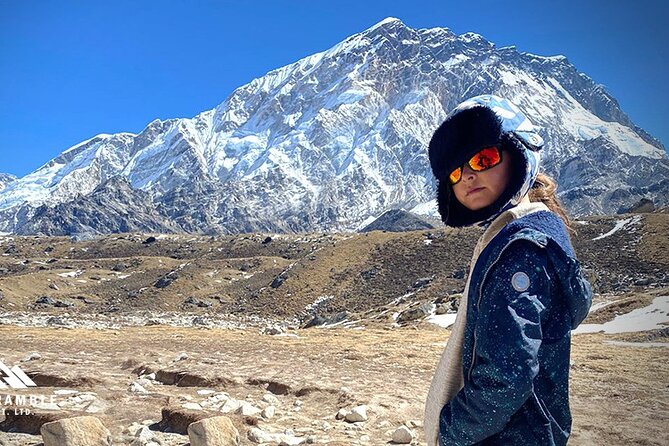
After Base Camp, the route turns back toward Pangboche, then continues to Namche Bazaar. The listed schedule places Pangboche on the return and later gives about four hours from Pangboche to Namche.
Descending is often easier on the lungs, but it can be hard on knees and ankles. Trekking poles can help if you use them. Your guide can also help set a pace that avoids turning the return into a painful march.
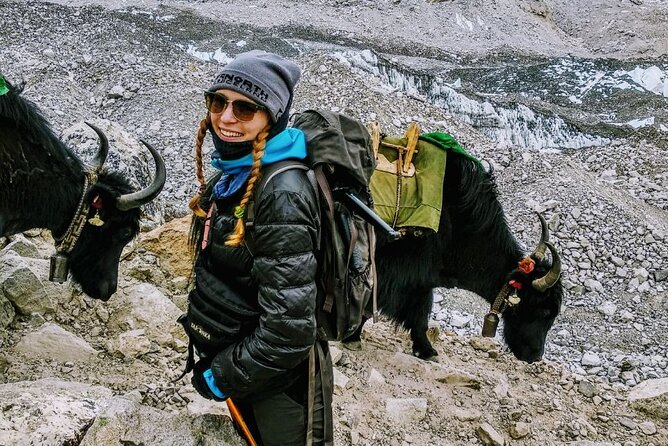
The return is not an afterthought. You see familiar villages from a different angle, and lower altitude usually brings back appetite and energy. This is also when the value of a porter becomes clear. One porter is generally assigned to two trekkers, with a suggested luggage limit of about 18 kilograms. The company says additional porter support can be arranged if needed.
Pack only what you need in the mountains. Keep a small daypack with water, layers, sunscreen, snacks, a camera, and medication. Your larger bag can go with the porter.
Namche to Lukla and the flight back
The final walking stage listed is from Namche Bazaar to Lukla, at about five hours. By this point, your body may be tired even if the altitude feels easier.
Lukla is the final mountain stop before the flight back. The return flight to Kathmandu is listed at about 35 minutes, followed by a hotel transfer.
Weather can disrupt flights in the Everest region. The policy says that if poor weather cancels the experience, you will be offered another date or a full refund. That does not remove the practical need for a buffer. Do not schedule an international flight immediately after the trek unless the operator confirms the timing is safe.
The outline calls the experience approximately 14 days, yet the visible route description gives only selected walking days and skips from Day 7 to Day 9. I would ask for the complete plan, including the missing day, acclimatization arrangements, and any Kathmandu nights.
Food, water, and daily routine
The daily routine is predictable, which helps on a demanding trek. Wake-up tea is usually brought around 6 am. You pack, eat breakfast at about 7 am, stretch, and begin walking.
The morning walk is described as two to three hours before lunch, with regular short rests. Lunch usually takes about 40 minutes and is served around noon or 1 pm. After another two to three hours of walking, you reach the lodge and have time to rest before dinner.
Dinner orders are placed before 5 pm, followed by an evening briefing about the next day. You may read, shower, visit the local settlement, or sit with the group while the lodge prepares food.
Water is available along the route, but bottled water costs extra. Tap or local water can be purified with the tablets supplied by the company. Bring a proper reusable bottle, including one suitable for hot water. Cold water can be unpleasantly cold at high altitude.
What to pack and how fit you need to be
The company describes the trek as suitable for people who can hike about three to five hours per day. That does not mean it is easy. You should train with walking, stairs, jogging, cycling, swimming, or regular gym work before departure.
Your core kit should include:
- Proper trekking boots and extra socks
- Warm hat, scarf, gloves, and a fleece layer
- Down or fiber-filled jacket
- Rain jacket or poncho
- Quick-drying shirts and trekking trousers
- Sunglasses and sunscreen rated at least SPF 40
- Headlamp, water bottle, and daypack of at least 30 liters
- Toiletries, hand sanitizer, and personal first-aid supplies
- Passport copies, extra passport photos, and money
- Any medication prescribed for you
The supplied medical list includes items such as oral rehydration salts, blister care, pain relief, antiseptic cream, and altitude medication. Do not take Diamox or any other medicine simply because it appears on a packing list. Ask a medical professional what is right for you.
Travel insurance is not included. It should cover trekking at the maximum altitude on your route, medical treatment, and evacuation if required.
Who gets the best value from this trek
I would recommend this trip to someone who wants the classic Everest Base Camp route but does not want to arrange every flight, lodge, meal, and permit independently.
It suits you if:
- You have moderate fitness and can walk for several hours on uneven ground.
- You prefer a private group to a fixed large group.
- You value local guidance and cultural context.
- You are comfortable with simple lodges and shared bathrooms.
- You want a package that includes mountain logistics.
- You can handle cold, basic conditions, and schedule changes caused by weather.
I would hesitate if you want private bathrooms every night, high-end hotels throughout, or a tightly guaranteed timetable. I would also ask more questions if you have limited hiking experience or any medical concern related to altitude.
The strongest praise attached to this operator centers on communication and personal care. Dil, identified as the owner, is described as responsive during trip planning. Guides including Sujal, Samir, Krishna, Hairy, and Prabin Tamang are singled out for support, clear communication, and attention to safety. Those details matter more on a remote trek than polished marketing language.
Should you book it?
Book this Everest Base Camp trek if you want a private, guided route with the main mountain costs bundled into one reasonable package. The inclusion of Lukla flights, permits, lodging, meals, guide, and porter support gives the $1,339.20 price real value.
Before booking, get the complete 14-day schedule in writing. Confirm the missing day, acclimatization plan, airport used for the Lukla flight, number of Kathmandu hotel nights, porter arrangements, and what happens if flights are delayed.
With those details settled, this is a practical way to reach Everest Base Camp without giving up the local feel of Sherpa villages and mountain lodges. Just bring patience, warm layers, travel insurance, and realistic expectations about comfort.
FAQ
How long is the Everest Base Camp trek?
The experience is advertised as approximately 14 days. The detailed route information shows the main walking stages but does not display every day, so you should confirm the full schedule before booking.
Are flights to and from Lukla included?
Yes. Domestic flights from Kathmandu or Manthali to Lukla and the return flight are included in the package.
Is the trek private?
Yes. This is a private tour or activity, and only your group participates.
What meals are included?
Breakfast, lunch, and dinner are included during the trek on a full-board basis. Snacks, hot and cold drinks, bottled water, alcohol, and extra meals outside the stated schedule are not included.
What type of accommodation is provided?
You stay in basic trekking lodges during the mountain portion of the trip. Rooms generally include blankets, pillows, and mattresses. Attached bathrooms are not available at every high-altitude lodge, so shared bathrooms may be required.
Do I need climbing experience?
No technical climbing skills are required. The company describes the route as a non-technical trek, but you should have moderate fitness and be ready to walk about three to five hours per day.
Is travel insurance included?
No. Personal travel insurance is not included and must be arranged separately.
Can I cancel for a full refund?
You can receive a full refund if you cancel at least 24 hours before the local start time. Cancellations or changes made within 24 hours are not refunded. If poor weather or an insufficient number of bookings causes cancellation, you will be offered another date, another experience, or a full refund.
Just added around Kathmandu
- Traditional Momo Making Class★ 5.0 · 10 reviews
- Wildlife Adventure in Chitwan Nepal★ 4.0 · 4 reviews
- Walking tour of real Kathmandu through back streets.★ 5.0 · 3 reviews
- Kathmandu 2 Nights 3 Days Chitwan Jungle Safari Tour★ 5.0 · 9 reviews
- Kathmandu Street Food Walking Tour – Eat Like a Local★ 5.0 · 3 reviews
- Private Manaslu Circuit Trek at Himalayas★ 5.0 · 3 reviews
- Walking tour of Kathmandu with awesome local guides★ 5.0 · 4 reviews
- Visit Swayambhunath and Bauddhanath Stupa with Guide★ 5.0 · 5 reviews
Everest Base Camp Treks from Kathmandu, compared.
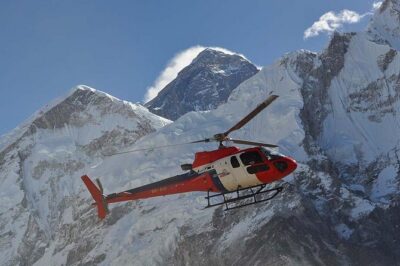
Everest Base Camp Trek with Helicopter Return from Gorakshep to Lukla
Read our review →Browse the lists this tour appears in