
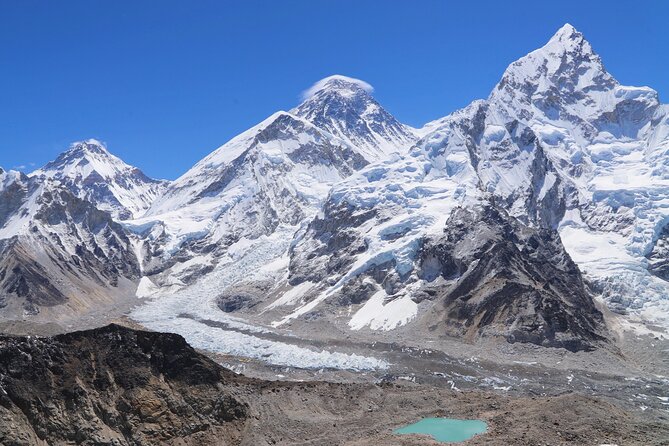
Reviewed · EVEREST BASE CAMP TREKS FROM KATHMANDU
Everest Basecamp Trek: 14 days
The great prize here is not just reaching Everest Base Camp. It is the steady change in scenery and culture along the way, from Thamel’s busy lanes to suspension bridges, Sherpa villages, Buddhist prayer flags, and the bare high country above Dingboche. I like that the plan includes two acclimatization periods, and I like that the $1,650 price covers flights, permits, meals, lodging, a guide, and porters.
The main catch is the pace. Fourteen days is enough for the standard route, but it leaves little room for delays caused by Lukla weather or altitude problems. You need moderate physical fitness, travel insurance with high-altitude evacuation cover, and a willingness to accept basic guesthouse rooms and simple food at higher elevations.
Key points to know before you book
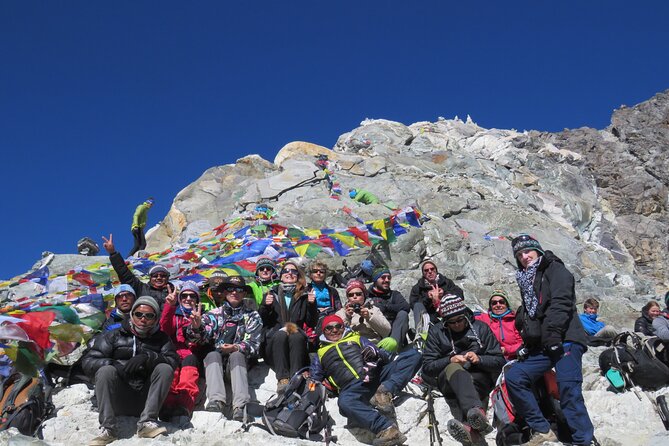
- Lukla flights are part of the package: Round-trip airfare from Kathmandu to Lukla is included, though flights may operate from Kathmandu or Manthali depending on conditions.
- Two acclimatization stops are built in: You rest in Namche Bazaar and later take an acclimatization day near Dingboche with a hike toward Nangkartshang Peak.
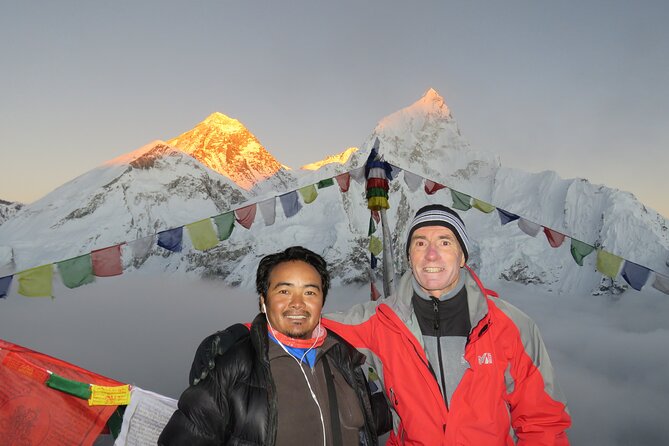
- The best mountain view comes at Kala Patthar: The pre-sunrise climb offers the closest viewpoint of Mount Everest on this route.
- Your group stays private: Only your own group participates, with a government-licensed, English-speaking guide and one porter for every two clients.
- The price covers most major trek costs: Permits, domestic flights, 11 nights in trekking guesthouses, meals during the trek, and airport transfers are included.
- You still need a serious insurance policy: Drinks, bottled or boiled water, Kathmandu lunches and dinners, tips, international airfare, and emergency evacuation insurance are extra.
From Kathmandu to the trailhead at Lukla
Your trip begins at Tribhuvan International Airport, where the Iconic Holiday Nepal team meets you with a sign showing your name and the company name. A private vehicle takes you to your hotel in Thamel, the central district where many trekking companies, restaurants, hotels, shops, and nightlife venues are packed into a small area.
I would use this first afternoon for two things: rest after your international flight and any last-minute purchases. Thamel is useful rather than peaceful. You can find trekking supplies and places to eat, but the streets can feel hectic, especially after a long journey.
The following morning brings the short flight to Lukla. The exact airport used for departure can depend on the flight situation during your trip, with some services operating from Manthali instead of Kathmandu. That detail matters because a Manthali departure can require additional ground transport, though the package includes the domestic airfare and airport transfers listed for the trip.
Lukla Airport is the gateway for many Everest region treks. The approach is famous for its mountain views and for the airport’s demanding setting, so flight timing can be less predictable than a normal city-to-city hop. Keep your schedule flexible and do not book a tight international connection immediately after the trek.
More Everest Base Camp treks:
- Everest Base Camp Trek – 14 Days
★ 5.0 · 1,499 reviews - Everest Base Camp Trekking
★ 5.0 · 485 reviews - Everest Base Camp Trekking – 13 Day
★ 5.0 · 365 reviews
Phakding to Namche Bazaar, your first real test
The route from Phakding toward Namche Bazaar is where the trek begins to feel serious. You walk uphill through mountain scenery, cross suspension bridges, and pass small settlements before reaching the main trading center of the Khumbu region.
Namche is more developed than the villages that come before it. You can find hotels, restaurants, and tea houses, but this is still a mountain stop reached on foot. The climb from Phakding is demanding because your body is adjusting to both exertion and increasing altitude.
The plan gives you a full acclimatization day in Namche rather than pushing straight onward. That is one of the strongest parts of this schedule. A morning hike toward Syangboche gives you a chance to gain some height, see more of the surrounding mountains, and return to sleep at a lower elevation than your highest point of the day.
I like this approach because a rest day does not have to mean sitting indoors. You can walk, explore the town, and let your body adjust without giving up an entire day of scenery. Still, do not treat it as a free day for hard exercise. The purpose is adaptation, not proving how fast you can climb.
Tengboche and the spiritual heart of the route
From Namche, the trail descends into the Dudh Koshi Valley before climbing again toward Tengboche. The route passes Phungi Thanka and follows the Imja Khola, with the path growing steeper as it approaches the village.
Tengboche is known for its monastery, and the next morning includes time to visit Tengboche Gompa. This is more than a quick photo stop. The monastery gives the trek a cultural center, with Buddhist prayer flags and a setting that helps explain the role of faith in Sherpa communities.
You then descend toward the Imja River and continue through Pangboche. The walk mixes forested sections, river crossings, mountain villages, and increasingly open views. The listed walking time is about six hours for the main Tengboche day, so you should expect a full day on your feet rather than a short transfer between scenic points.
Accommodation during the trek is in twin-sharing guesthouses. That keeps the cost reasonable and gives you a more direct connection with local mountain communities, but it also means you should not expect hotel-style comfort. Room standards can be simple, and drinks and water are not included.
Dingboche and the second acclimatization day
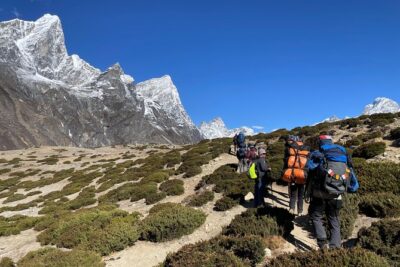
The route continues through Pangboche and onward into the higher Khumbu. By the time you reach Dingboche, the scenery becomes more open and spare, with bare fields and fewer trees. The climb feels harder here because the air is thinner and each uphill section asks more of you.
The schedule includes an acclimatization day with a short hike toward Nangkartshang Peak. The listed hike lasts about an hour, though the day is about more than the walking time. You are giving your body another chance to adjust before the route reaches its highest sleeping points.
This is an important safety feature. The trip is not designed as a nonstop march to Base Camp. It includes time at Namche and near Dingboche, which is much more sensible than cutting out rest days to save time.
You should still monitor how you feel and tell your guide about symptoms that concern you. The guide is described as first-aid trained and government licensed, but no guide’s presence removes the risk of altitude illness. Your own travel insurance must include high-altitude emergency evacuation, and that coverage is not part of the price.
More day hikes and treks in Kathmandu:
- Nagarkot Sunrise View and Day Hiking from Kathmandu
★ 5.0 · 471 reviews - Annapurna Circuit Trek with Tilicho Lake
★ 5.0 · 368 reviews - Everest Base Camp Trek -14 Days
★ 5.0 · 321 reviews - Annapurna base camp trek 5 Days
★ 5.0 · 252 reviews
Lobuche, Gorak Shep, and Everest Base Camp
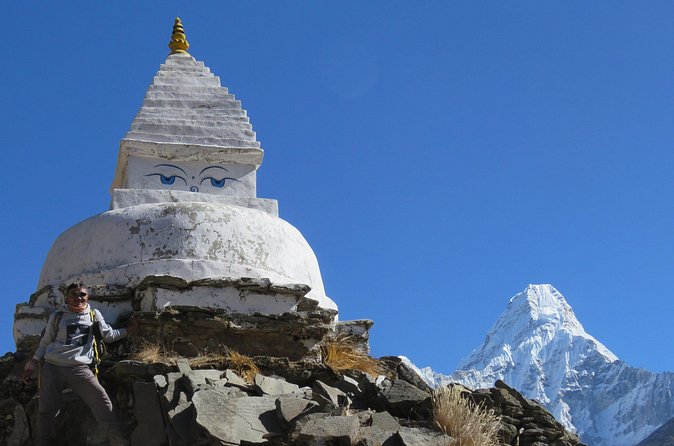
After Dingboche, the route follows bare fields toward Dughla and then along glacial terrain. The path becomes steeper and more rugged as you approach Lobuche. This is the section where the trek shifts from a demanding mountain walk to a high-altitude undertaking.
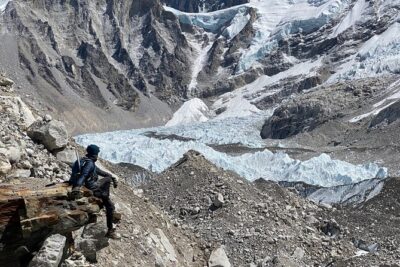
From Lobuche, you continue toward Gorak Shep. The route then climbs beside the Khumbu Glacier to Everest Base Camp. The itinerary allows about two hours at the Base Camp stop, but that does not represent the whole day’s effort. Reaching it involves the approach from Lobuche, the stop itself, and the return to Gorak Shep.
The Base Camp area is a seasonal mountaineering site rather than a permanent village or polished attraction. What you get is the satisfaction of reaching the foot of the famous climbing route, a rough glacial setting, and views shaped by rock, ice, and high peaks. The exact visual experience can vary with weather and the season.
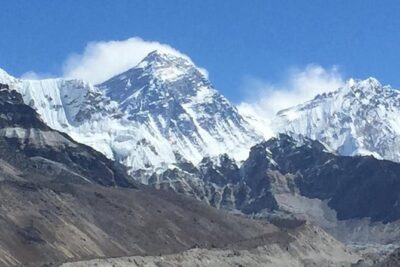
This is also the point where expectations matter. You do not climb Mount Everest, and the summit is not always visible from Base Camp itself. The route’s next morning provides the better viewpoint.
Kala Patthar at sunrise
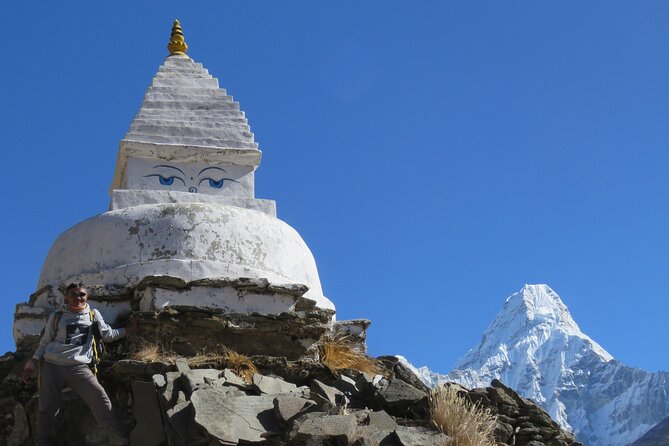
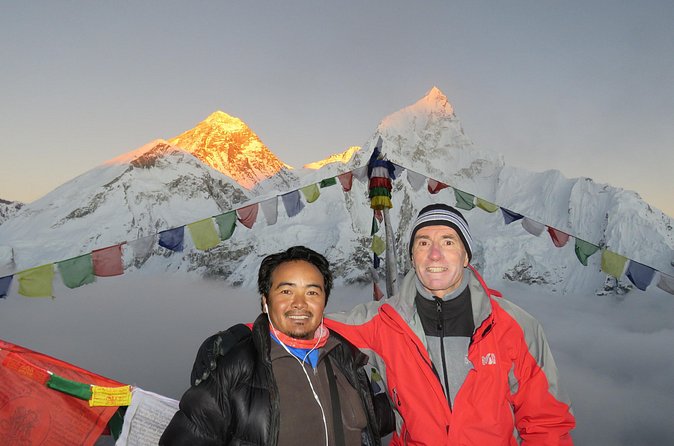
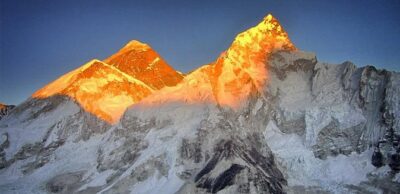
The pre-sunrise hike to Kala Patthar is one of the smartest inclusions in the schedule. Located above Gorak Shep, Kala Patthar is known for a close view toward Mount Everest and a wide mountain panorama.
The climb lasts about two hours according to the schedule, but the altitude makes the effort feel far greater than the clock suggests. You will start early, often in cold and darkness, so warm layers and a headlamp are practical essentials. These items are not listed among the inclusions, so plan to bring or arrange them yourself.
I would consider Kala Patthar the visual high point of the trip. Base Camp is the emotional milestone, but Kala Patthar gives you the stronger chance of seeing Everest clearly from a viewpoint. Afterward, you return for breakfast and begin the long descent.
The return through Namche and Lukla
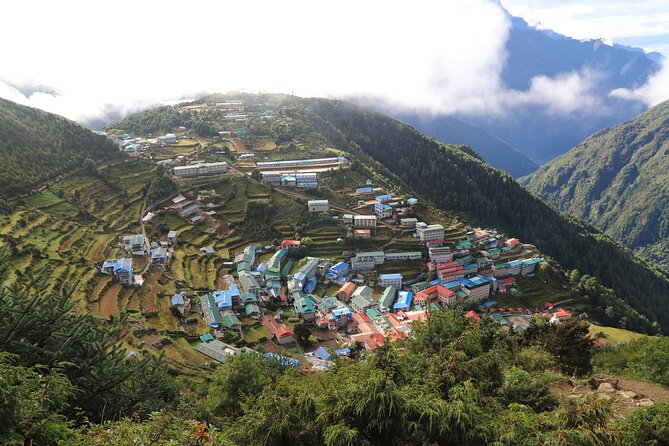
The return route retraces much of the approach. You descend through Pangboche and Tengboche, cross suspension bridges, and continue toward Namche Bazaar. Going downhill is easier on the lungs, but it can be tough on the knees, especially after several high-altitude days.
Leaving Namche, the trail drops steeply along a hillside before entering more heavily forested sections and passing smaller settlements. The Dudh Koshi River appears again, with several suspension bridge crossings along the route.
The final morning brings a flight back toward Kathmandu. The aerial view can be excellent, but the same weather issues that affect the outward flight can affect the return. The operator provides the airport transfers and drops you at your Kathmandu hotel after landing, leaving the rest of the day for a meal, a shower, or a quiet recovery.
The last day is reserved for your departure. A representative takes you to the airport according to your flight time. That is useful, especially after a demanding trek, but I would still avoid scheduling an international flight that leaves too soon after your return from Lukla.
What the $1,650 price really includes
At $1,650 per person, this package has strong value for a private Everest Base Camp trek. You receive:
- Round-trip airfare between Kathmandu and Lukla
- Private transportation and airport transfers
- Trekking permits
- Two nights in a tourist-standard Kathmandu hotel with breakfast
- Eleven nights in twin-sharing guesthouses in the Everest region
- An English-speaking, government-licensed trekking guide
- A first-aid-trained guide
- Porters, with one porter assigned for every two clients
- Eleven breakfasts, eleven lunches, and eleven dinners during the trek
That list covers the big expenses. The porter arrangement is especially useful because you do not have to carry all your luggage through the high country. You should still pack lightly and confirm the practical baggage limits with the operator before departure.
The exclusions are easy to underestimate. You pay separately for lunch and dinner in Kathmandu, all beverages, bottled and boiled water, international flights, airport departure tax, staff and driver tips, travel insurance, and high-altitude emergency evacuation coverage.
The water and insurance costs deserve special attention. A trek of this length can create a steady bill for drinks and safe water, and evacuation insurance is not optional in practical terms. Add those expenses before deciding that the advertised price is your full budget.
Who this trek suits best
This is a good fit if you want a structured route with the major logistics arranged for you. The private format means only your own group participates, while the guide and porter support reduce the burden of navigation and luggage.
You should be comfortable walking for several hours on mountain trails, crossing suspension bridges, climbing and descending steep sections, and sleeping in basic guesthouses. The operator specifies moderate physical fitness, but the altitude makes the trek more demanding than a normal two-week walking holiday.
The itinerary also suits people who want a classic Everest route rather than a luxury lodge trip or a rushed schedule. You get Namche, Tengboche, Dingboche, Everest Base Camp, and Kala Patthar in one organized journey, with acclimatization days included.
It is less suitable if you need fixed flight times, private rooms throughout, hotel-level comfort, or a generous buffer for delays. Lukla flights and high-altitude conditions can disrupt plans, and the 14-day schedule does not include an extra weather day.
Practical details worth knowing
Confirmation is provided at booking, and pickup is offered from Tribhuvan International Airport in Kathmandu. Group discounts may be available, and the booking uses a mobile ticket.
The stated operating period runs from July 1, 2024, through August 12, 2026, with service listed Monday through Sunday from 9:15 AM to 6:15 PM. The experience can be canceled up to 24 hours in advance for a full refund, according to the stated policy.
The overall rating is 5 from four reviews, which supports confidence in the basic organization, but the sample is small. I would still ask the operator about current flight arrangements, baggage limits, guide assignment, water costs, and the exact room setup before paying.
Should you book this Everest Base Camp trek?
Book it if you want the standard Everest Base Camp experience with the costly basics already bundled. The included flights, permits, guide, porters, food, and lodging make $1,650 a reasonable starting price, especially for a private group.
Think twice if you have limited flexibility, dislike basic accommodation, or are hoping to avoid strenuous walking. The best reason to choose this trip is its sensible route: Namche and Dingboche provide acclimatization, Tengboche adds cultural depth, Base Camp delivers the milestone, and Kala Patthar supplies the memorable mountain view.
Before you commit, buy suitable evacuation insurance, budget for water and tips, and leave room around the Lukla flights. If you can accept those conditions, this is a practical and well-rounded way to reach Everest Base Camp.
FAQ
Where does the Everest Base Camp trek begin?
The trip begins with pickup at Tribhuvan International Airport in Kathmandu, Nepal. You spend time in Thamel before flying to Lukla.
Is the flight from Kathmandu to Lukla included?
Yes. Round-trip airfare between Kathmandu and Lukla is included. The flight may depart from Kathmandu or Manthali, depending on the flight situation during your trip.
How long is the trek?
The experience lasts approximately 14 days. It includes two nights in Kathmandu, trekking days in the Everest region, and the return flight to Kathmandu before departure.
Are meals included?
Breakfast is included for all 14 days, along with 11 lunches and 11 dinners during the trek. Lunch and dinner in Kathmandu, beverages, bottled water, and boiled water are not included.
Is accommodation included?
Yes. You receive two nights in a tourist-standard Kathmandu hotel with breakfast and 11 nights in twin-sharing guesthouses in the Everest region.
Is travel insurance included?
No. You must arrange your own travel insurance, including high-altitude emergency evacuation coverage. Tips, international airfare, airport departure tax, and drinks are also excluded.
Just added around Kathmandu
- Traditional Momo Making Class★ 5.0 · 10 reviews
- Wildlife Adventure in Chitwan Nepal★ 4.0 · 4 reviews
- Walking tour of real Kathmandu through back streets.★ 5.0 · 3 reviews
- Kathmandu 2 Nights 3 Days Chitwan Jungle Safari Tour★ 5.0 · 9 reviews
- Kathmandu Street Food Walking Tour – Eat Like a Local★ 5.0 · 3 reviews
- Private Manaslu Circuit Trek at Himalayas★ 5.0 · 3 reviews
- Walking tour of Kathmandu with awesome local guides★ 5.0 · 4 reviews
- Visit Swayambhunath and Bauddhanath Stupa with Guide★ 5.0 · 5 reviews
Everest Base Camp Treks from Kathmandu, compared.
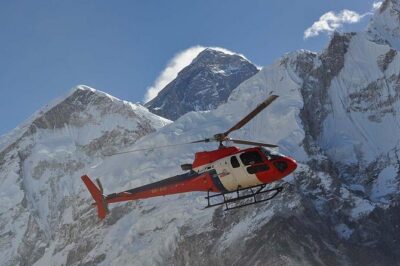
Everest Base Camp Trek with Helicopter Return from Gorakshep to Lukla
Read our review →Browse the lists this tour appears in