
Reviewed · ANNAPURNA TREKS FROM KATHMANDU
Annapurna Base Camp Trek
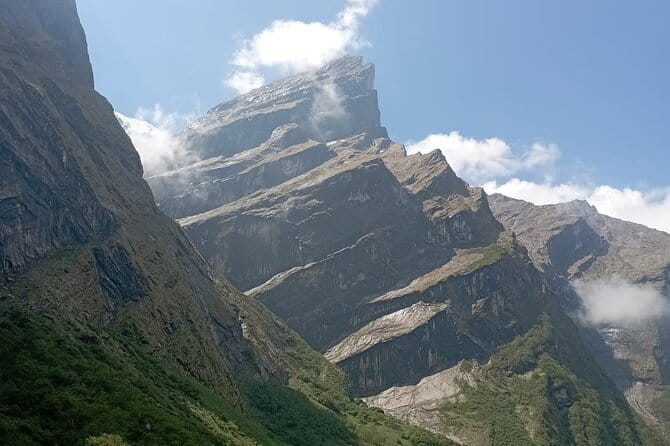
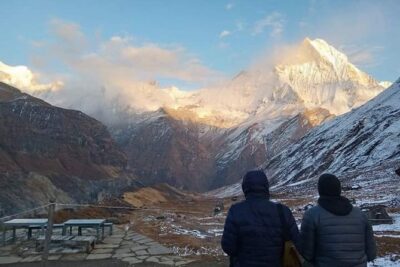
Annapurna Base Camp is the kind of trek where the trail keeps changing its mood. You move from riverside villages and stone steps to bamboo forest, then into a high, spare world ringed by Himalayan peaks at 4,130 meters. The sunrise from base camp is the prize, but the walk there gives you plenty to remember.
I like the built-in support, especially the English-speaking guide, one porter for every two people, permits, meals, and rented sleeping bags and down jackets. I also like the hot springs at Jhinu Danda, a welcome reward after steep walking. The main catch is that this is not a gentle sightseeing holiday. Several days run close to six to twelve hours, and the schedule includes a demanding high-altitude ascent.
Key points
- An 11-day route to 4,130 meters: Reach Machhapuchhre Base Camp and Annapurna Base Camp before returning by the same broad trail.
- A useful support package: Guides, assistant guides, porters, permits, meals, trekking lodging, first aid, and selected gear rental are included.
- Jhinu Danda hot springs: Soak in natural hot water near the trail on the way in and again on the return.
- Gurung villages and forest trails: Walk through Chhomrong, Landruk, Bamboo, Deurali, and other mountain settlements.
- Small group format: The maximum group size is 15 people, which keeps the trek more manageable than a large bus-style tour.
- Check the Pokhara transfer: The overview describes a short flight, while the day-by-day plan also describes a scenic road journey, so confirm this detail before booking.
What the Annapurna Base Camp trek actually offers
This is a compact Himalayan trek designed for people who want a major mountain destination without committing to a much longer circuit. You begin in Kathmandu, spend time in Pokhara, walk into the Annapurna Sanctuary, sleep near base camp, and retrace the route to Pokhara before returning to Kathmandu.
The price is listed at $906.67 per person. That is not simply the cost of a guide and a walk. It includes three nights in Kathmandu, two nights in Pokhara, trekking accommodation, food during the trek, ground transport, permits, a trained guide, an assistant guide, porter service, a first aid box, and rental access to a sleeping bag and down jacket. For a supported trek, that package gives you a fair amount of practical coverage.
You still pay for international flights, your Nepal visa, food in Kathmandu and Pokhara, insurance, rescue costs, personal purchases, tips, and any extra nights caused by schedule changes. Those extras matter. The listed price is a trek package, not a complete holiday budget.
The group limit of 15 is a sensible middle ground. You get the social side of a guided walk without the feel of a giant procession. The named guide Shiva and porter Bishal were singled out in one account, while Suman handled the airport welcome. Staff names can change, but the basic arrangement is clear: you have a local team from arrival through departure.
More Annapurna treks:
- Annapurna Circuit Trek with Tilicho Lake
★ 5.0 · 368 reviews - Annapurna base camp trek 5 Days
★ 5.0 · 252 reviews - Annapurna Base Camp Trek
★ 5.0 · 111 reviews
Kathmandu arrival and the first transfer
Your Nepal trip starts at Tribhuvan International Airport. A representative meets you after immigration and takes you to Hotel Green Horizon in Thamel, Kathmandu. The transfer can take up to two hours, depending on conditions, so do not plan a demanding activity after landing.
Thamel is a practical base. It puts you near restaurants, shops, trekking services, and the company meeting point at Pyramid Galli. On the first evening, you can rest, sort your bags, and meet the guide rather than rushing straight into the mountains.
The next morning includes a trek briefing and the move to Pokhara. Here you should pay attention to one detail: the general description says you take a 30-minute flight to Pokhara, while the daily schedule describes a scenic drive with stops along the way. Those are very different travel days. A flight saves time but limits the roadside experience. A drive gives you views of hills, rivers, terraces, and local stops, but can take much longer. Confirm which transfer is operating when you book.
The planned stops include a picnic area in Kathmandu Valley and a highly respected Hindu temple. The names are not specified, so you should ask the operator for the exact places and timing. On arrival in Pokhara, you stay near Lakeside, a useful place for a meal, a walk, and last-minute supplies.
Naya Pul to Jhinu Danda and its hot springs
The walking section begins after transport to Naya Pul, the usual gateway for this part of the Annapurna region. The drive takes roughly an hour and a half and passes small settlements, rivers, temples, and mountain views.
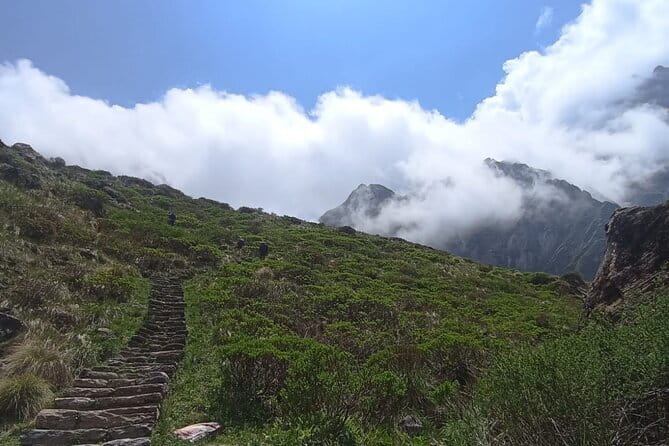
From there, you follow the Modi River toward Jhinu Danda. The route includes stone steps, suspension bridges, terraces, Landruk village, and smaller settlements. It is not a flat opening stroll. You gain and lose height repeatedly, with an uphill approach near the end.
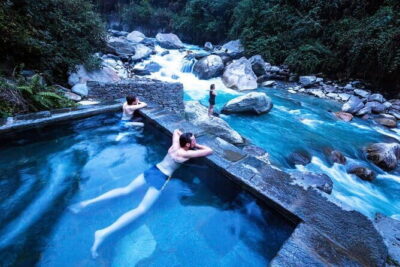
Jhinu Danda is worth the effort because of its natural hot springs. The pools sit below the settlement, near the river, and give your legs a chance to relax. Bring a swimsuit and a small towel if you plan to use them. The springs are one of the smarter features of the route, since they break up a day of hard walking with something simple and local.
You should also understand the day’s scale. The schedule gives the stop a full day, and the route description includes several climbs, a bridge crossing, and a descent followed by another ascent. Pace matters here. Let the guide set a steady rhythm rather than racing to the lodge.
Chhomrong, Bamboo, and the changing forest
The next day takes you through Chhomrong and onward to Bamboo. This is one of the more varied parts of the walk. You climb through terraces, cross the Chhomrong River, then follow stone steps and rough paths through bamboo and rhododendron forest.
Chhomrong is a major village on the approach to base camp. It gives you a clear sense of how mountain communities connect with the trail system. From there, the path reaches smaller settlements such as Siruwa before continuing toward Kuldighar and Bamboo.
The route can feel tougher than the distance suggests. Long stair sections, steep descents, and damp forest paths make the day work. Bamboo is lower than the high base camp, but it is not a place where you simply switch off physically. You are still building toward the more demanding altitude ahead.
The overnight stop is described around Bamboo Lodge. Lodge standards on this route are functional rather than luxurious. The included meals and lodging simplify planning, but you should expect basic mountain accommodation and limited personal space. Carry only what you need for the walking days, since the porter arrangement is one porter for two people with a maximum load of 30 kilograms.
More day hikes and treks in Kathmandu:
- Everest Base Camp Trek – 14 Days
★ 5.0 · 1,499 reviews - Everest Base Camp Trekking
★ 5.0 · 485 reviews - Nagarkot Sunrise View and Day Hiking from Kathmandu
★ 5.0 · 471 reviews - Everest Base Camp Trekking – 13 Day
★ 5.0 · 365 reviews
Dovan and Deurali, where the trail gets harder
Day five is described as a shorter walking day, designed to prepare you for the climb ahead. From Bamboo, the path crosses a stream and rises through rhododendron and oak forest to Dovan.
The forest gradually gives way to a more open and rocky setting. You pass waterfalls, reach the Himalaya Hotel area, and continue toward Hinku Cave. From this point, the trail becomes steeper and the vegetation thins.
Deurali is an important staging point because the next day carries you to base camp. The high valley feels different from the lower villages. You see more rock, less forest, and a greater sense of exposure. The schedule calls for about 45 minutes of climbing after Hinku Cave to reach Deurali, but the full walking day includes earlier sections and steep ground.
This is where your fitness shows. The operator asks for a moderate fitness level, but I would read that as a real requirement, not a casual suggestion. You do not need to be an elite climber, yet you should be ready for long uphill sections, stone stairs, and several hours on your feet.
Machhapuchhre Base Camp and the 4,130-meter goal
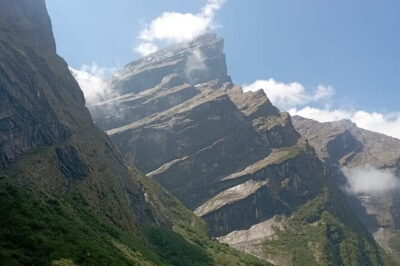
Day six is the high point of the trek, both literally and emotionally. You leave Deurali, pass Bagar, and climb toward Machhapuchhre Base Camp. The trail is steep in places, and the sparse vegetation makes the altitude more noticeable.
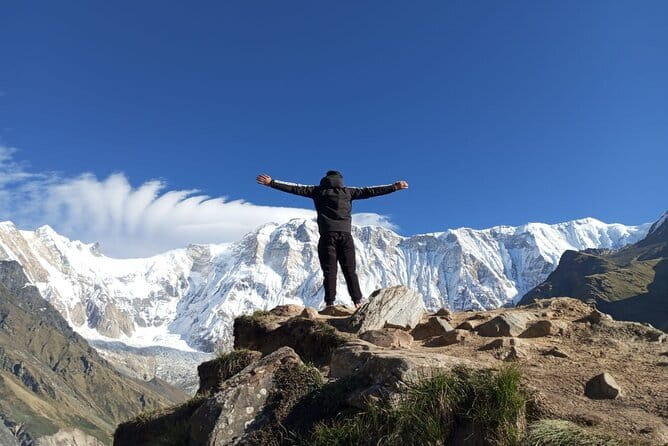
At Machhapuchhre Base Camp, you can look toward the distinctive Fishtail Mountain, along with Hiunchuli, Annapurna South, Annapurna I, Annapurna III, and Gangapurna. The mountain views are the reward, but the air is thinner and the pace must slow.
From there, the route turns toward Annapurna Base Camp. You leave the Modi River, cross broader rocky ground, and enter the high sanctuary. At 4,130 meters, Annapurna Base Camp sits in a huge bowl surrounded by peaks. There is no need for a complicated sightseeing plan here. The setting does the work.
You spend the night near base camp, which means you can see the area in changing light rather than arriving, taking a few pictures, and immediately leaving. The early morning view is especially important. The schedule specifically points to sunrise over the Himalayas, so keep warm clothing close and expect cold conditions.
The ascent is the section where your guide’s judgment matters most. If you feel unwell, say so early. The included first aid kit is useful, but it is not a substitute for travel insurance or rescue cover. Those costs are excluded.
Returning through Bamboo and Jhinu Danda
The return begins with a long descent through the same mountain corridor. You pass avalanche-prone ground, Deurali, Dovan, bridges, and the bamboo and rhododendron forest. The route is easier in terms of altitude loss, but downhill stone steps can be hard on knees.
Bamboo is the overnight target, giving you a shorter break before the next long day. The return does not offer a completely new route, so if you need constant novelty, that may feel repetitive. The advantage is that you now know the trail and can notice details you missed while climbing.
The following day returns to Jhinu Danda. You climb toward Khuldighar, pass a helipad, follow the twisting trail to Sinuwa, and continue through Tilche, Chhomrong, and Taulung. The route includes steep steps and another bridge crossing.
The hot springs appear again as a practical finish to the day. You may not feel like walking farther after the approach, so plan enough time to use the pools without turning the evening into a rush.
Back to Pokhara, then Kathmandu
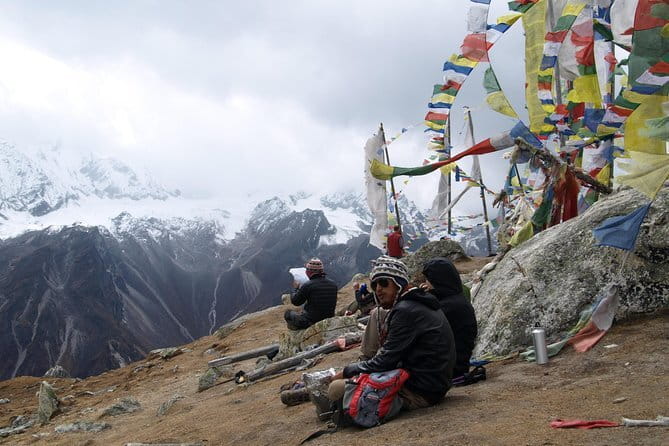
The final walking day follows the Modi Khola valley toward New Bridge and Naya Pul. You descend through farmland, traditional houses, suspension and wooden bridges, and wider sections of the valley.
This is a pleasant way to finish because the route shifts back toward greener country and larger fields. The mountain views remain present, but the character changes from high alpine terrain to settled valley life. At Naya Pul, the physical trek ends and transport takes you to Pokhara.
Pokhara gives you a night to rest before returning to Kathmandu. Food there is not included, so budget separately for meals. The next scheduled transfer to Kathmandu is described as a five to six hour scenic drive, with views of hills, terraces, valleys, rivers, and the wider country. Again, confirm transport details because the earlier Pokhara transfer is described inconsistently.
Back in Kathmandu, the plan includes time around Kathmandu Durbar Square and Thamel. The square offers stone-paved courtyards and former royal architecture, while Thamel is the place for souvenirs and a final meal. Keep expectations practical: the schedule allows only about two hours for the sightseeing portion.
What is included, and what you still need to arrange
The strongest value comes from the number of essentials bundled into one booking:
- Airport pickup and drop-off
- Three Kathmandu hotel nights and two Pokhara hotel nights
- Trekking lodging and meals
- Transport connected with the route
- English-speaking guide and assistant guide
- One porter for every two people
- TIMS and Annapurna Conservation Area permits
- First aid medical box
- Sleeping bag and down jacket rental
- Farewell dinner
- VAT and company service charge
You need to arrange international flights, your Nepal visa, insurance, personal costs, food in Kathmandu and Pokhara, tips, and any rescue expenses. Insurance deserves special attention because high-altitude trekking can involve costly changes if you cannot continue.
The meal counts are listed as nine breakfasts, eight dinners, and seven lunches. That generally matches the nights and trekking schedule, but ask the company to clarify any meal not covered during transfers or city stays.
Who should book this trek?
I would choose this trek if you want a guided route to Annapurna Base Camp and prefer to have transport, permits, food, lodging, and porters organized in advance. It suits an active person with moderate fitness who is comfortable with steep steps, long days, simple lodges, and changing weather.
It is also a good fit if you want more than a mountain postcard. The Gurung villages, farm terraces, river crossings, forest sections, and hot springs give the route a human and physical rhythm.
I would pause before booking if you dislike repeated trails, basic accommodation, or days that can stretch toward twelve hours. You should also confirm the flight versus road transfer, ask what happens if weather changes the schedule, and check exactly what gear is available for rent.
The company has a 5.0 rating from 13 published ratings, with 100 percent recommending the experience. That is a small sample, so I would treat it as encouraging rather than decisive. The personal details provided about Shiva, Bishal, and Suman suggest a team that handles the trip from airport arrival to mountain support, but staff assignments can change.
Should you book the Annapurna Base Camp trek?
Book it if reaching a major Himalayan base camp is your main goal and you want practical help along the way. The package removes many chores, and the combination of forest, villages, hot springs, and high peaks gives you more than a single viewpoint.
Before paying, get written confirmation of the Pokhara transport, the exact hotel names, the gear available for rent, and the plan for weather or altitude problems. If you are prepared for long walking days and a basic mountain routine, the $906.67 price offers solid value for an organized 11-day experience.
FAQ
How long is the Annapurna Base Camp trek?
The experience lasts approximately 11 days, including time in Kathmandu and Pokhara, the trek to Annapurna Base Camp, the return walk, and transfers.
How high is Annapurna Base Camp?
Annapurna Base Camp is at an altitude of 4,130 meters above sea level.
What fitness level do I need?
The tour states that you should have a moderate level of physical fitness. The route includes steep trails, stone steps, forest paths, rocky ground, and walking days of roughly six to twelve hours.
Is airport pickup included?
Yes. Airport pickup on arrival and airport drop-off at the end are included.
Are meals included?
Meals during the trek are included. The package lists nine breakfasts, eight dinners, and seven lunches. Food in Kathmandu and Pokhara is not included.
Are hotels included?
Yes. The package includes three nights in Kathmandu and two nights in Pokhara, plus lodging during the trek.
Is a porter provided?
Yes. One porter is provided for every two people, with a maximum load of 30 kilograms.
Are trekking permits included?
Yes. The package includes the TIMS card and Annapurna Conservation Area permits.
Can I cancel for a full refund?
You can cancel at least 24 hours before the experience start time for a full refund. Cancellations or changes made less than 24 hours before the start time are not accepted for a refund.
Just added around Kathmandu
- Traditional Momo Making Class★ 5.0 · 10 reviews
- Wildlife Adventure in Chitwan Nepal★ 4.0 · 4 reviews
- Walking tour of real Kathmandu through back streets.★ 5.0 · 3 reviews
- Kathmandu 2 Nights 3 Days Chitwan Jungle Safari Tour★ 5.0 · 9 reviews
- Kathmandu Street Food Walking Tour – Eat Like a Local★ 5.0 · 3 reviews
- Walking tour of Kathmandu with awesome local guides★ 5.0 · 4 reviews
- Private Manaslu Circuit Trek at Himalayas★ 5.0 · 3 reviews
- Visit Swayambhunath and Bauddhanath Stupa with Guide★ 5.0 · 5 reviews
Annapurna Treks from Kathmandu, compared.
Kathmandu to Annapurna Base Camp (ABC) 5-Day Trek
Read our review →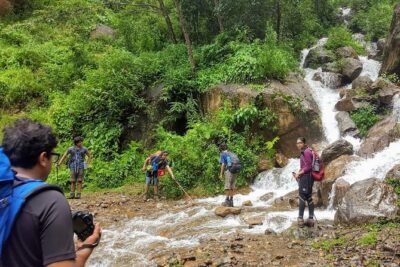
Browse the lists this tour appears in