
Reviewed · ANNAPURNA TREKS FROM KATHMANDU
Annapurna Circuit Trek in Nepal (9 Days)
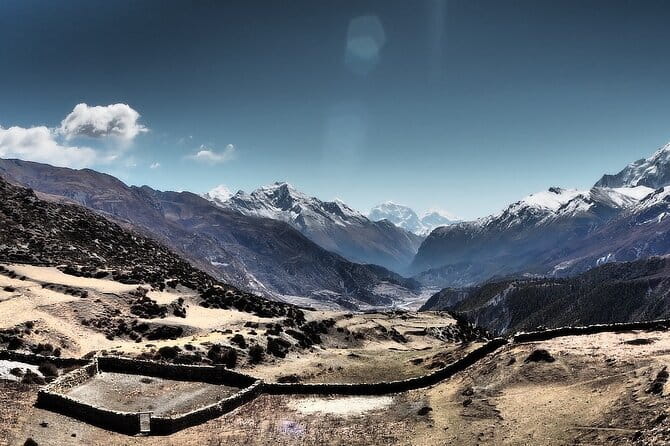
The big draw here is the chance to cross Thorong La Pass at 5,416 meters in only nine days, while still making room for a full acclimatization day in Manang. You move from busy Kathmandu to pine forests, Tibetan-style villages, high pastures, and the dry Mustang region.
I like the practical setup: tea house lodging, meals, permits, and local transport are bundled into the $880 price. I also like the human side of the trip, with guides focused on safety, local village life, and steady pacing. The tradeoff is clear: this is a demanding high-altitude trek with long days, an early 3 AM start, basic lodging, and little room for a bad-weather delay.
Key points before you book
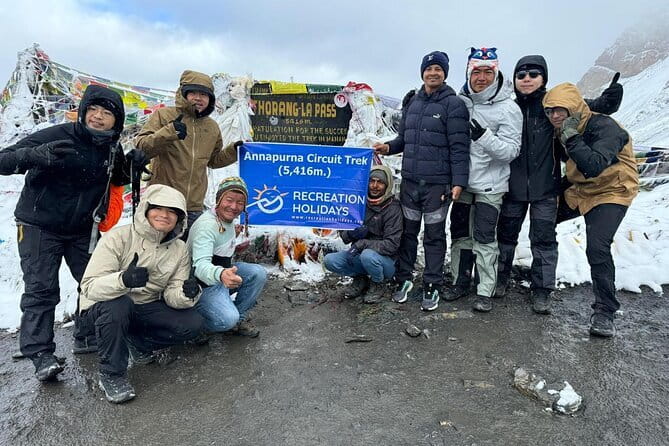
- Thorong La Pass reaches 5,416 meters, making altitude the main challenge.
- Manang includes a full acclimatization day, with options for a village walk, monastery visit, or hike toward Gangapurna.
- Eight nights in twin-sharing tea houses keep the price reasonable but do not promise hotel-style comfort.
- Transport is shared and local, including the journey from Kathmandu toward Dharapani and the ride from Muktinath to Pokhara.
- A licensed English-speaking guide is included, with an assistant guide for groups of eight or more.
- Porters cost an extra $240 per porter, and one porter is available for every two trekkers.
What the $880 Annapurna Circuit package really gives you
At $880 per person, this trek offers solid value if you want the main logistics handled for you. The package includes eight nights in twin-sharing tea houses, eight breakfasts, eight dinners, and nine lunches. It also covers trekking permits, a licensed English-speaking guide, local transport, taxes, a first-aid kit, luggage storage, and an achievement certificate if you request one.
That list matters because the Annapurna Circuit is not just a walking route. You need permits, mountain lodging, food, road transfers, and someone who understands the high passes. Having those pieces arranged reduces the amount of planning you must do before leaving Kathmandu.
Still, the price is not all-inclusive. You must pay for your Nepal entry visa, flights, accommodation in Kathmandu and Pokhara, insurance, extra baggage, and private transportation if you want something beyond the shared arrangements. Porter service costs $240 per porter, which is a meaningful extra for a pair traveling together.
The package says emergency evacuation support is covered by travel insurance, but your own travel and medical insurance is not included. I would treat insurance as essential, not optional, for a trek that reaches 5,416 meters.
More Annapurna treks:
- Annapurna Circuit Trek with Tilicho Lake
★ 5.0 · 368 reviews - Annapurna base camp trek 5 Days
★ 5.0 · 252 reviews - Annapurna Base Camp Trek
★ 5.0 · 111 reviews
Day 1: Kathmandu to the mountain road
Your day starts early, with pickup around 6 or 7 AM. The stated meeting time is 6:15 AM, and the meeting information names Tribhuvan Airport, while the itinerary says pickup from your hotel in Kathmandu. Confirm the exact pickup point before departure so you are not standing in the wrong place before sunrise.
The first ride takes you by bus toward Bhulbhule via Besisahar. From Bhulbhule, you transfer to a shared jeep for the onward mountain road toward Dharapani. This is a transport-heavy opening day, not a long walking day, but it gets you quickly from the capital to the trail area.
Shared road transport keeps the cost down. It also means you should expect less privacy and less control over departure timing than you would have with a private vehicle. The reward is a fast transition from city streets to steep Himalayan valleys.
The included meal plan begins during the trek, with nine lunches listed for the nine-day program. Since the first day involves a long road journey, ask your guide how meals are handled that day and carry water and simple snacks for the ride.
Day 2: Dharapani to Chame through Tibetan-style villages
The trek begins in earnest after leaving Dharapani. The route passes through Bagarchhap and Danakyu, where village architecture and Buddhist influence begin to shape the feel of the journey. Apple orchards add a welcome sign of farming in a setting that grows cooler and higher as you walk.
This is listed as a 12-hour day, so do not mistake the modest distance on a map for an easy outing. You will be walking for much of the day, with mountain views opening and closing as the trail moves through settlements and forest.
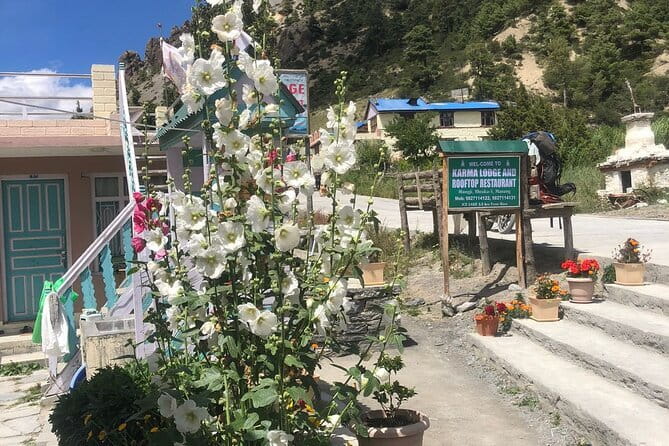
Chame is an important stop because it marks a shift toward higher alpine country. You should expect a basic tea house rather than a polished lodge. Twin sharing is included, and the guide helps keep the day moving, but you remain responsible for your own clothing, water bottle, and personal gear.
I like this portion because it gives you more than a quick race to the pass. The villages and orchards provide a human setting before the route becomes more exposed and severe.
Day 3: Forest, suspension bridges, and Paungda Danda
The third day brings dense rhododendron and pine forest, meadows, steep climbs, and several suspension bridges. These crossings add a little drama without needing any special technical skill, though anyone uneasy with heights should take a slow, steady approach.
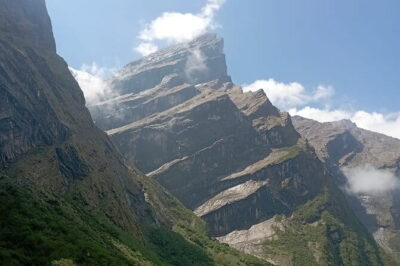
A major feature of the day is Paungda Danda, a huge curved rock face. It is one of those natural landmarks that gives the route a sense of scale. You are no longer simply walking between villages. The valley walls begin to dominate the experience.
This day is also listed at about 12 hours. That length is worth taking seriously. The itinerary uses the destination label Nepal, but the more useful detail is the route itself: forest, bridges, meadows, steep ground, and the Paungda Danda rock face.
Your guide’s role becomes especially useful here. A good guide can help set a pace that leaves you enough energy for the next day, rather than letting the excitement of the views push you too hard.
More day hikes and treks in Kathmandu:
- Everest Base Camp Trek – 14 Days
★ 5.0 · 1,499 reviews - Everest Base Camp Trekking
★ 5.0 · 485 reviews - Nagarkot Sunrise View and Day Hiking from Kathmandu
★ 5.0 · 471 reviews - Everest Base Camp Trekking – 13 Day
★ 5.0 · 365 reviews
Day 4: Reaching Manang and the Annapurna views
The route to Manang begins with flatter ground before climbing gradually toward Humde. The changing pace gives your legs a short break, but the altitude continues to rise. Views of Annapurna II, Annapurna III, and Annapurna IV add a strong visual reward to the day.
Manang is one of the most important stops on this shortened circuit. It is not just a place to sleep. It is the base for your acclimatization day, and it gives you time to adjust before the route climbs toward Yak Kharka and Thorong Phedi.
The itinerary lists this day as lasting up to a full day rather than giving a precise walking time. That flexibility is useful, since altitude affects people differently. You should not judge your progress by speed here. A slow, steady pace is the sensible choice.
Manang also offers cultural interest. You pass through local communities and see how mountain settlements support daily life at high elevation. The tour’s focus on local hospitality and village encounters is most useful in places like this, where the route is more than a string of mountain viewpoints.
Day 5: Use the Manang rest day properly
A full acclimatization day in Manang is one of the strongest parts of this itinerary. At altitude, a rest day is not wasted time. It gives your body a chance to adjust before the harder climb ahead.
You can explore Manang village, walk toward the glacial lakes at the base of Gangapurna, or visit local monasteries. The choices let you match the day to your energy level. If you feel tired, a gentle village visit is wiser than forcing a longer hike.
The Gangapurna area gives you a close look at the high mountain environment without committing to the full next stage. The monasteries offer a quieter cultural stop. You should ask your guide which option fits the day’s weather and your condition.
I would not treat this as a sightseeing day with a packed schedule. The main goal is to arrive at the next stage rested and healthy. Your guide’s attention to safety matters most here, especially if you develop a headache, nausea, unusual fatigue, or other altitude-related symptoms.
Day 6: Manang to Yak Kharka
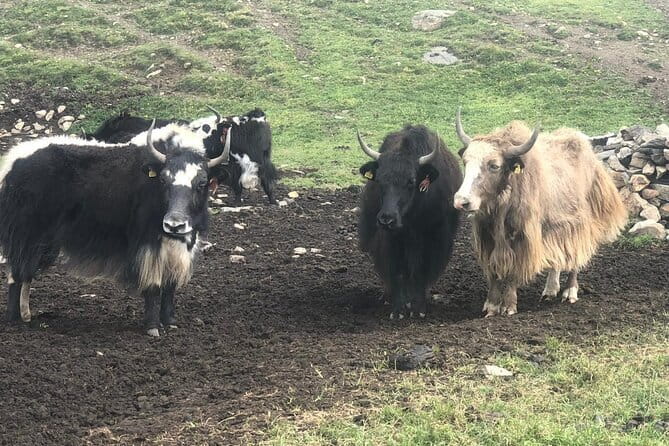
After breakfast, you continue toward Yak Kharka on a steady, moderate ascent. The trail passes cultivated farmland and local settlements before reaching higher grazing country. The setting becomes more open, and the feeling of altitude becomes harder to ignore.
Suspension bridges appear again, adding variety to the walk. The route is not described as technical, but the combination of altitude and climbing makes it physically demanding. You will want warm layers, gloves, and reliable footwear even if the lower part of the trip felt mild.
Yak Kharka is a functional overnight stop. It positions you for the approach to Thorong Phedi, but it is not a place to expect a long list of comforts. Tea house rooms are basic, and facilities at higher elevations can be limited.
This is a good day to keep your personal bag light and your water close. If you hire a porter, the $240 fee covers one porter for every two trekkers. Without a porter, be careful not to carry more than you can manage comfortably for a long uphill day.
Day 7: Yak Kharka to Thorong Phedi
The route toward Thorong Phedi takes about four to five hours, with a gradual incline. That may sound easier than the previous long days, but altitude changes the equation. At this height, even a moderate slope can feel slow.
The itinerary identifies this stage with Thorong La Pass, though the actual overnight approach is Thorong Phedi. This is the staging point for the pass crossing the next morning. The shorter walking time gives you a chance to rest, hydrate, eat, and prepare for the early start.
This is where practical discipline pays off. Organize your warm clothes, headlamp if you carry one, water, and snacks before going to sleep. You will not want to search through a full pack at 3 AM.
The pass day is listed as including the ticket, while the other trail stops have no admission charge. The bigger concern is not entry fees. It is weather, altitude, and your physical condition. Follow your guide’s advice closely if conditions change.
Day 8: Thorong La, 5,416 meters, then Muktinath
The hardest and most memorable day begins around 3 AM. You climb toward Thorong La before sunrise, when the early start helps you cross the pass and descend in good time. The pace will be slow, with plenty of breaks for water and breathing.
At 5,416 meters, Thorong La is the highest point of the Annapurna Circuit. The summit gives you broad mountain views and a clear sense of achievement, but it is not a casual photo stop. Cold, wind, thin air, and fatigue can all affect you.
After the pass, you descend toward Muktinath. That descent changes more than your elevation. You move from the high, stark pass country toward the dry Mustang region, with a different character in the villages and surrounding terrain.
Muktinath Temple is the day’s main cultural stop. The temple gives the trek a spiritual dimension after the physical challenge of the pass. You should expect this day to last about 12 hours, making rest at the end especially welcome.
Day 9: Muktinath to Pokhara by road
The final day uses a jeep or bus from Muktinath to Pokhara. The road follows the lower Mustang Valley as you descend, giving you one last look at the changing terrain from a vehicle rather than on foot.
This is not a quiet travel day. Mountain roads can be tiring, and the ride may take much of the day. The benefit is that the tour ends in Pokhara instead of requiring additional trekking days.
Pokhara is the stated endpoint, and accommodation there is not included. Plan your hotel before you finish the trek, especially if you want a particular location or room type. The tour includes transport to Pokhara, but not your night in the city.
Tea houses, meals, guides, and group size
Eight nights of twin-sharing tea house accommodation are included. That arrangement suits people who value location and price over privacy. If you want a private room, confirm whether one is possible and what extra charge applies.
The food package includes eight breakfasts, eight dinners, and nine lunches. This covers the listed trek meals, but you should still budget for drinks, snacks, and personal purchases. The information does not state that hot drinks, bottled water, or extra menu items are included.
A licensed English-speaking guide leads the trip. Groups of eight or more receive an assistant guide, with that guide’s food, lodging, salary, and insurance covered. The company also provides a first-aid kit, luggage storage during the trek, and emergency evacuation support through travel insurance.
The experience is described as a private activity for your group. That is useful if you want a more personal arrangement, though some transport is still shared. The private format does not turn the mountain roads or tea houses into private luxury travel.
The company’s founder, Hari, is associated with the operation, but no specific guide name is provided for this departure. Ask who will lead your group before booking if a particular guide is important to you.
Who should book this trek?
I would recommend it to a fit adult who wants the classic high point of the Annapurna Circuit but has only nine days. You need to be comfortable with long walking days, basic tea houses, shared road transport, and high altitude.
It suits you especially well if you want the main planning handled by a local company and appreciate having a guide on the route. It also works for people who want a mix of mountain scenery, village life, monasteries, and the Mustang region rather than a trek focused only on one viewpoint.
I would hesitate if you are new to strenuous walking, uneasy with a 3 AM start, or unwilling to buy travel and medical insurance. The schedule is tight, and a weather problem or health issue could have a real effect on the plan.
The trip is also less suitable if you expect private vehicles, hotel rooms, or a flexible luxury schedule. The $880 price reflects practical mountain travel, not comfort at every stage.
Booking details and cancellation terms
Confirmation is provided at booking, and free cancellation is available if you cancel at least 24 hours before the local start time. Changes or cancellations inside that 24-hour window are not accepted for a refund.
The start information needs one small clarification: pickup is offered from your Kathmandu hotel, while the meeting point is also shown as Tribhuvan Airport. Confirm the exact arrangement, along with the 6:15 AM start time, before the trip.
Should you book the 9-day Annapurna Circuit Trek?
Book it if you want a well-organized route to Thorong La with meals, tea houses, permits, guides, and transport included at a reasonable price. The Manang acclimatization day is a smart feature, and the combination of high mountains, local villages, Muktinath, and Mustang makes the nine days feel varied.
Skip it if you need more time for acclimatization, dislike basic lodging, or want private transport throughout. The route is demanding, and the 3 AM pass start is not a minor detail.
For the right person, this is a strong-value trek with real mountain substance. Pack lightly, arrange insurance, confirm the pickup point, and take the altitude seriously. The pass will reward patience more than speed.
FAQ
How long is the Annapurna Circuit Trek?
The trek lasts approximately nine days, beginning in Kathmandu and ending in Pokhara.
Where does the experience begin?
Pickup is offered from your hotel in Kathmandu. The meeting information also lists Tribhuvan Airport and a 6:15 AM start, so confirm the exact pickup point before departure.
Where does the tour end?
The tour ends in Pokhara after transport from Muktinath by jeep or bus.
Is accommodation included?
Yes. Eight nights of twin-sharing tea house accommodation are included during the trek.
Are meals included?
Yes. The package includes eight breakfasts, eight dinners, and nine lunches during the trek.
Is a guide included?
Yes. A licensed English-speaking guide is included. Groups of eight or more also receive an assistant guide.
Are trekking permits included?
Yes. All necessary trekking permits and fees and taxes are included.
Is porter service included?
No. Porter service is available for $240 per porter, with one porter available for every two trekkers.
What is the highest point of the trek?
The highest point is Thorong La Pass, at 5,416 meters.
Is travel insurance included?
No. Travel and medical insurance are not included. Emergency evacuation support is covered by travel insurance, so you need to arrange suitable insurance yourself.
Just added around Kathmandu
- Traditional Momo Making Class★ 5.0 · 10 reviews
- Wildlife Adventure in Chitwan Nepal★ 4.0 · 4 reviews
- Walking tour of real Kathmandu through back streets.★ 5.0 · 3 reviews
- Kathmandu 2 Nights 3 Days Chitwan Jungle Safari Tour★ 5.0 · 9 reviews
- Kathmandu Street Food Walking Tour – Eat Like a Local★ 5.0 · 3 reviews
- Private Manaslu Circuit Trek at Himalayas★ 5.0 · 3 reviews
- Walking tour of Kathmandu with awesome local guides★ 5.0 · 4 reviews
- Visit Swayambhunath and Bauddhanath Stupa with Guide★ 5.0 · 5 reviews
Annapurna Treks from Kathmandu, compared.
Kathmandu to Annapurna Base Camp (ABC) 5-Day Trek
Read our review →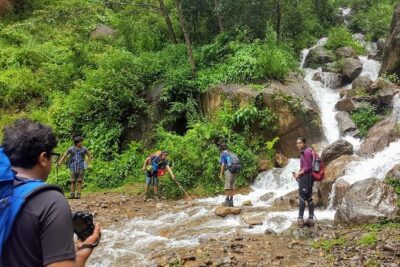
Browse the lists this tour appears in