
Reviewed · EVEREST BASE CAMP TREKS FROM KATHMANDU
Everest Base Camp trek- 11 days
The best part of this 11-day Everest Base Camp trek is that it gives you the full high-Himalaya story in a compact route: a thrilling flight to Lukla, Sherpa villages, Buddhist monasteries, glacier views, and the final walk to Base Camp. I like that meals, lodging, flights, permits, and porter support are built into the $1,699 price. I also like the private format, with only your group on the trek and guide Dipu, also referred to as Deepu, handling the daily details.
The main caution is the pace. Reaching Kala Patthar at 5,545 meters in 11 days requires solid fitness and careful acclimatization. This is not a sightseeing stroll, and the itinerary leaves little room for weather delays or extra recovery days.
Key points to know before booking
- Lukla flight included: Round-trip airfare from Kathmandu is part of the package, along with airport pickup and drop-off.
- High-altitude finish: The route reaches Everest Base Camp at about 5,380 meters and Kala Patthar at 5,545 meters.
- Private group format: Only your own group participates, rather than joining a large mixed party.
- Full-board trekking: Breakfast, lunch, dinner, accommodation, guide, porter, permits, and local taxes are included during the trek.
- Strong practical support: The package includes a licensed guide, first aid kit, TIMS card, and porter service, normally one porter for every two clients.
- A demanding 11-day schedule: You spend acclimatization time in Namche, but the short timetable still calls for sensible pacing and preparation.
Lukla gives the trek its dramatic opening
Your trip begins in Kathmandu at 7:15 a.m., with pickup from the Thamel area and transfer for the flight to Lukla. The flight itself is part of the adventure. You are not simply being transported to a trailhead. You are heading into the Khumbu by air, then setting off on foot almost immediately.
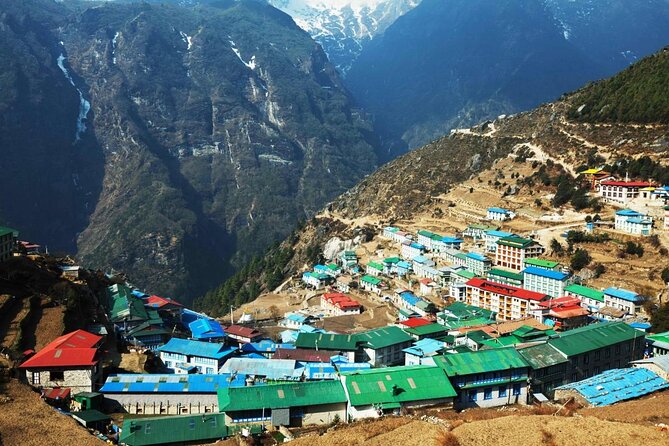
The first walk goes from Lukla, at about 2,850 meters, to Phakding, at roughly 2,660 meters. That makes the opening day a manageable introduction to the route, though you still need to account for the early start, flight, and change in altitude.
Phakding is your first overnight stop. The supplied plan calls this place Phadking in several spots, but it refers to the same village. You can expect a basic trekking accommodation rather than city comfort. The value here is practical: your bed, meals, and local support are already arranged, so you can focus on walking.
More Everest Base Camp treks:
- Everest Base Camp Trek – 14 Days
★ 5.0 · 1,499 reviews - Everest Base Camp Trekking
★ 5.0 · 485 reviews - Everest Base Camp Trekking – 13 Day
★ 5.0 · 365 reviews
Namche Bazaar is the first major test
Day two takes you from Phakding to Namche Bazaar at 3,435 meters. This is one of the most important days of the trek because the route gains height and Namche becomes your base for adjustment to the altitude.
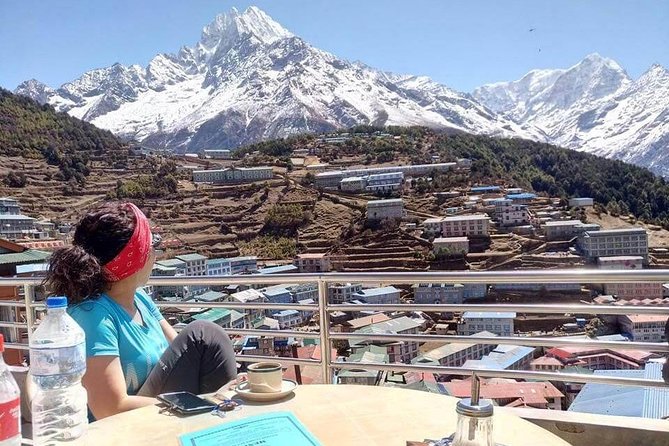
Namche is more than a stopping point. It is the gateway to Everest Base Camp and one of the best places to see how trade, tourism, and Sherpa life meet in the Khumbu. You may find monasteries, local homes, mountain shops, and a mix of ethnic communities along the route. The surroundings bring views of Everest, Lhotse, Nuptse, Ama Dablam, and Thamserku.
Day three is set aside for acclimatization in Namche. That rest day is essential, not wasted time. The itinerary uses it to let your body adjust before the trail climbs higher. I would treat this as a real recovery day, not an excuse to push yourself hard because you feel fine in the morning.
The package does not promise a specific acclimatization activity, so ask your guide what the day will involve. Guide Dipu has been praised for staying in touch, offering support during the walk, and handling problems so the group can concentrate on the route. That sort of steady communication matters most when you are tired, cold, or unsure how your body is handling the height.
Tengboche combines mountain views with Buddhist culture
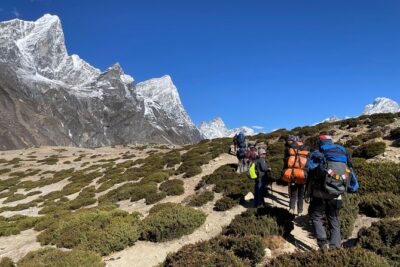
From Namche, you walk to Tengboche at about 3,890 meters. This is one of the most memorable stops because the route brings together mountain scenery and spiritual life. Tengboche Monastery is a central sight, and the setting offers views toward Ama Dablam and other high peaks.
I like this part of the itinerary because it slows the trek down mentally. You are not only counting hours and meters. You are passing through a place where monasteries and local culture give the journey a sense of purpose beyond reaching a famous endpoint.
The downside is that the scenery can make you underestimate the physical work. Tengboche is already high, and the next days climb much higher. Keep your pace easy. The goal is to arrive able to eat, sleep, and walk again the next morning.
Dingboche and Lobuche raise the stakes
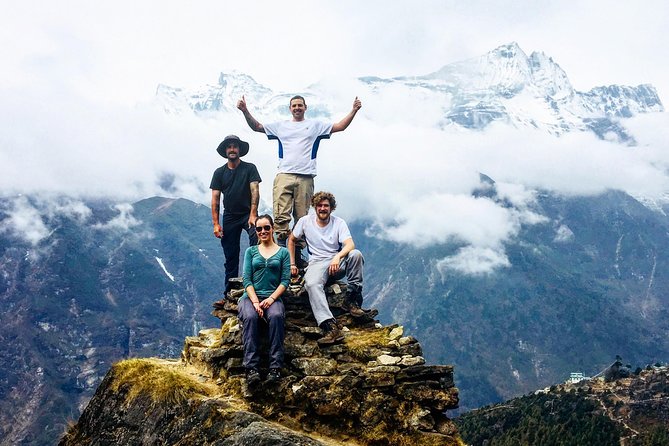
Day five takes you from Tengboche to Dingboche, at approximately 4,400 meters. By this point, the air is thinner and the cold may feel sharper. Your body has less room for mistakes, so regular meals, water, rest, and communication with your guide become important.
Dingboche is another key point for acclimatization, even though the supplied schedule does not list a separate rest day there. The route continues the next day to Lobuche at about 4,910 meters. That is a serious height gain over a short period, and you should judge the trek by how you feel, not by pride or schedule.
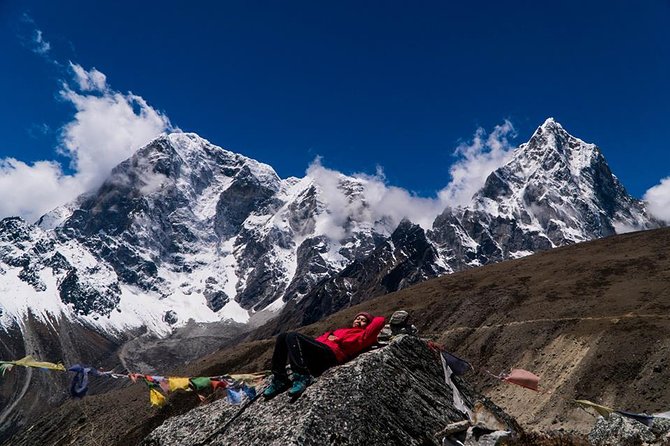
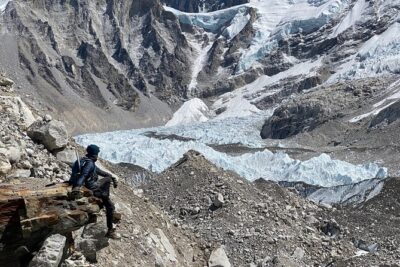
Lobuche is a staging point for the final push. The scenery here becomes more austere, with the route shaped by rock, snow, ice, and open mountain terrain. The famous Khumbu Icefall comes into view in the Everest region, although reaching Base Camp does not mean climbing through the icefall itself.
The lodging remains part of the package, but the phrase best available accommodation should be read realistically. At these heights, comfort is basic. You are paying for a bed, meals, and a managed route, not luxury facilities.
More day hikes and treks in Kathmandu:
- Nagarkot Sunrise View and Day Hiking from Kathmandu
★ 5.0 · 471 reviews - Annapurna Circuit Trek with Tilicho Lake
★ 5.0 · 368 reviews - Everest Base Camp Trek -14 Days
★ 5.0 · 321 reviews - Annapurna base camp trek 5 Days
★ 5.0 · 252 reviews
Base Camp day is long, tough, and memorable
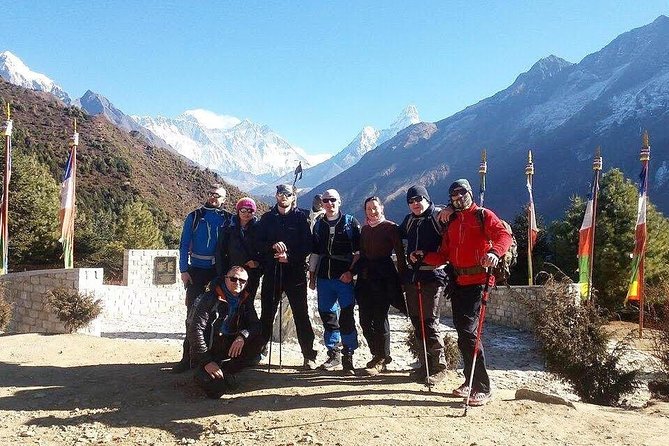
Day seven is the emotional center of the trek. You walk from Lobuche to Gorakshep, continue to Everest Base Camp at around 5,380 meters, then return to Gorakshep at about 5,180 meters for the night.
This is a demanding day because you gain height while walking a substantial distance, then retrace part of the route. Base Camp itself is a major milestone, but the surrounding Khumbu scenery is just as important. You may see the glacier area and the immense mountain walls that make this region famous.
The itinerary uses both Gorakshep and Gorekshep in its spelling. They refer to the same settlement. You should expect a basic overnight stop in a high-altitude setting, with limited comfort and a strong focus on rest.
The private arrangement helps here. Your guide can monitor the group’s pace rather than trying to keep a large party moving together. Still, no guide can remove the effects of altitude. Travel insurance is not included, and it is one of the costs you should arrange before departure.
Kala Patthar delivers the classic sunrise view
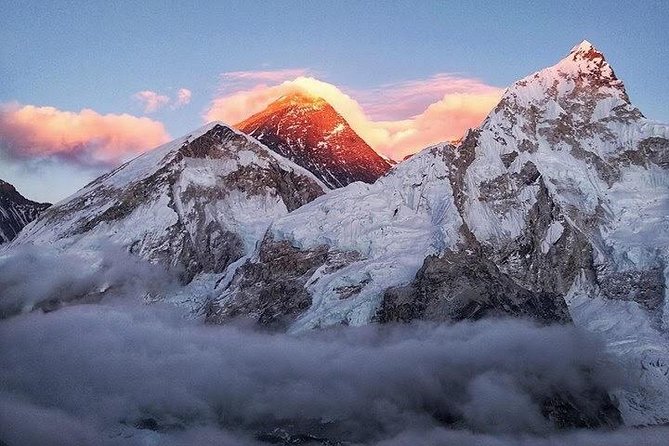
Day eight begins with the climb from Gorakshep to Kala Patthar, at approximately 5,545 meters. This is the highest point on the published route and the main viewpoint for seeing Everest. The plan specifically highlights an early morning sunrise view over the snowcapped peaks.
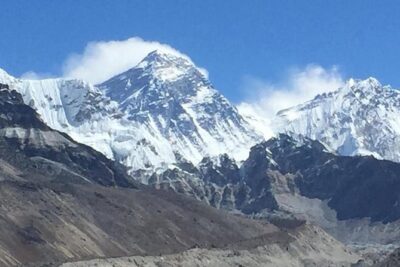
Kala Patthar is often the visual payoff of the trek. From the viewpoint, you can expect broad mountain views toward Everest, Lhotse, Nuptse, Ama Dablam, and nearby peaks. The climb is short in distance compared with some walking days, but the altitude makes it hard.
After Kala Patthar, you descend to Pheriche at around 4,320 meters. That descent is welcome because lower altitude usually feels easier, though your legs will already be tired. Pheriche is not simply a passing village. It gives you the first meaningful chance to recover after the high point of the route.
The return walk gives your body a break
Day nine runs from Pheriche back to Namche Bazaar. The route reverses much of the approach, but the experience changes once you are descending. You can breathe more easily, eat with more interest, and notice details that were easy to miss while climbing.
Day ten takes you from Namche to Phakding and then onward to Lukla. It is a long return day, so do not assume that descending makes everything easy. The mixed itinerary requires you to cover significant ground before the final overnight stop.
Day eleven is the flight from Lukla to Kathmandu. Airport transfer and ground transport back to Kathmandu are included, which is useful after an exhausting trek. Flights in mountain regions can be affected by conditions, and this 11-day plan leaves little spare time. If you have an international flight immediately after returning, allow as much buffer as you can.
What the $1,699 price really covers
At $1,699 per person, this package has good practical value if you want the major expenses handled in one booking. It includes:
- Round-trip Kathmandu to Lukla airfare
- Airport pickup and drop-off for the Lukla flight
- Full-board meals during the trek
- Trekking accommodation
- A government-licensed guide
- Porter service
- Trekking permits and TIMS card
- First aid kit
- Guide and porter food, accommodation, insurance, equipment, salaries, transport, and local taxes
- Ground transport back to Kathmandu
- A farewell dinner
The porter arrangement normally provides one porter for two clients. That reduces the load you carry, but you should confirm baggage limits and porter expectations before departure. Personal equipment remains your responsibility.
Several common costs are not covered. You pay for your Kathmandu hotel, Kathmandu lunches and dinners, travel insurance, Nepal entry visa, international airfare, drinks, laundry, shopping, tips, gifts, and personal trekking gear. Hot drinks, soft drinks, cold drinks, and alcohol are also extra during the trek.
The price can change if the number of trekking days changes. That point matters because delays or route changes may lead to a recalculated cost. Ask for the current terms before you pay, especially if your schedule is tight.
The guide and private format matter
The strongest practical feature is not only the scenery. It is the support structure. The package gives you a licensed guide, porter, first aid kit, permits, transport, and meals in one arrangement.
Guide Dipu is repeatedly named in the available feedback, with particular praise for communication, companionship, and help during difficult sections. One person who had done major hikes elsewhere described this route as physically and mentally demanding but especially rewarding. That is a fair warning: good organization cannot turn high-altitude walking into an easy holiday.
The private format suits people who want a personal pace and direct communication. It may also work well for friends or family who want to share the trek without being matched with strangers. The tradeoff is that a private group may have less built-in social variety than a large trekking party.
Who should choose this trek?
You should consider this trip if you want a focused route to Everest Base Camp with the main logistics included. It suits people with moderate physical fitness who are ready for long walking days, basic accommodation, cold conditions, and high altitude.
I would be cautious if you have no experience with sustained trekking or if you need a relaxed schedule. The 11-day format is efficient, but it is not generous. The acclimatization day in Namche helps, yet the itinerary continues quickly toward Dingboche, Lobuche, Base Camp, and Kala Patthar.
You should also be comfortable with cultural differences and simple mountain facilities. The route offers a chance to see Sherpa communities, monasteries, local homes, wildlife areas, and the daily life of the Khumbu. It is not only a mountain photo opportunity.
Small details to settle before departure
Confirmation is provided at booking, and passport name, number, expiry date, and country are required for every participant. Start and end point information places the activity in Thamel, Kathmandu, and the tour returns to the meeting point.
The cancellation policy allows a full refund if you cancel at least 24 hours before the scheduled start time. Changes or cancellations inside that 24-hour window are not accepted or refunded.
I would ask Mount Face Nepal to confirm the exact flight plan, accommodation standard, baggage arrangements, guide assignment, and what happens if the Lukla flight or trekking schedule changes. Those questions are especially important on a short Himalayan itinerary.
Should you book this Everest Base Camp trek?
I would book this trek if you want a private, well-supported route and value having flights, food, permits, porters, and transport bundled together. The price is reasonable for what it includes, and the route covers the essential sights: Namche, Tengboche, Base Camp, Kala Patthar, and the high mountain views.
I would not choose it without preparation. The 11-day schedule is demanding, travel insurance is extra, and weather or altitude problems can disrupt the plan. Arrive ready to walk, pack suitable personal gear, leave room in your schedule after the trek, and confirm the practical details with Dipu or Mount Face Nepal before departure.
FAQ
How long is the Everest Base Camp trek?
The trek lasts approximately 11 days, including flights between Kathmandu and Lukla.
Where does the trek start?
The meeting point is in Thamel, Kathmandu, Nepal. The listed start time is 7:15 a.m.
Is the Lukla flight included?
Yes. Round-trip airfare between Kathmandu and Lukla is included in the package.
Does the tour include airport pickup?
Yes. Pickup and drop-off for the local Lukla flight are included, along with ground transportation when returning to Kathmandu.
Is this a private tour?
Yes. Only your own group participates in the activity.
What meals are included?
Breakfast, lunch, and dinner are included during the trekking period. Lunch and dinner in Kathmandu are not included.
Is accommodation included?
Yes. Best available accommodation during the trek is included. A hotel in Kathmandu is not included.
What is the highest point on the route?
Kala Patthar is the highest listed point, at approximately 5,545 meters.
Is a guide and porter included?
Yes. The package includes a government-licensed guide and porter service. The usual arrangement is one porter for two clients.
Is travel insurance included?
No. You must arrange your own travel insurance. Tips, drinks, personal trekking equipment, laundry, shopping, and Nepal entry visa fees are also excluded.
Just added around Kathmandu
- Traditional Momo Making Class★ 5.0 · 10 reviews
- Wildlife Adventure in Chitwan Nepal★ 4.0 · 4 reviews
- Walking tour of real Kathmandu through back streets.★ 5.0 · 3 reviews
- Kathmandu 2 Nights 3 Days Chitwan Jungle Safari Tour★ 5.0 · 9 reviews
- Kathmandu Street Food Walking Tour – Eat Like a Local★ 5.0 · 3 reviews
- Walking tour of Kathmandu with awesome local guides★ 5.0 · 4 reviews
- Private Manaslu Circuit Trek at Himalayas★ 5.0 · 3 reviews
- Visit Swayambhunath and Bauddhanath Stupa with Guide★ 5.0 · 5 reviews
Everest Base Camp Treks from Kathmandu, compared.
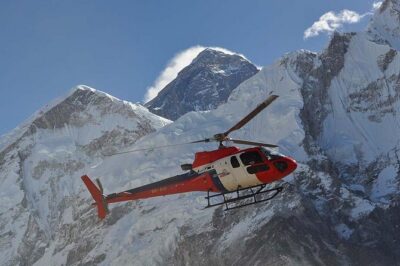
Everest Base Camp Trek with Helicopter Return from Gorakshep to Lukla
Read our review →Browse the lists this tour appears in