
Reviewed · EVEREST BASE CAMP TREKS FROM KATHMANDU
Everest Base Camp Trek
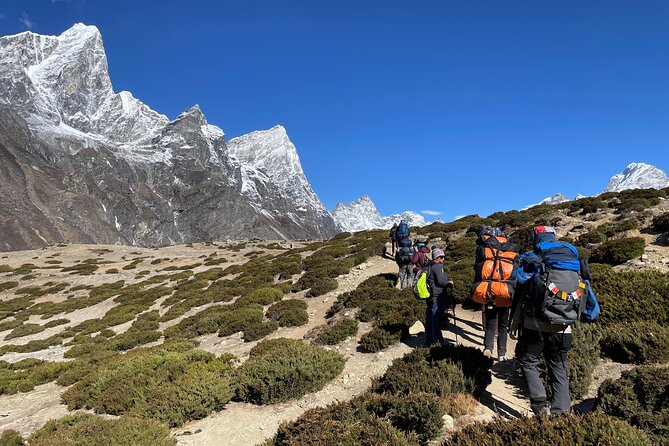
Everest Base Camp is the headline, but the real reward is the slow walk through the Khumbu: suspension bridges, Sherpa villages, Buddhist monasteries, and enormous peaks that grow closer each day. This 14-day trek takes you from Kathmandu to Lukla, Namche Bazaar, Tengboche, Dingboche, Gorak Shep, and finally Base Camp and Kala Patthar.
I like the small maximum group of eight, which should make walking pace and support more manageable. I also like the sensible acclimatization plan, with a rest day in Namche and another in Dingboche instead of racing uphill.
The main caution is the flight connection. Lukla flights can be delayed or canceled by weather, and in the busiest season flights may use Ramechhap instead of Kathmandu. You need patience, flexible plans, and a moderate level of fitness.
Key points to know before booking
- Kala Patthar reaches 5,550 meters: This early climb offers the trek’s best stated chance for sunrise views of Everest.
- Namche gets a proper acclimatization day: You visit an Everest viewpoint and the Sherpa Museum before going higher.
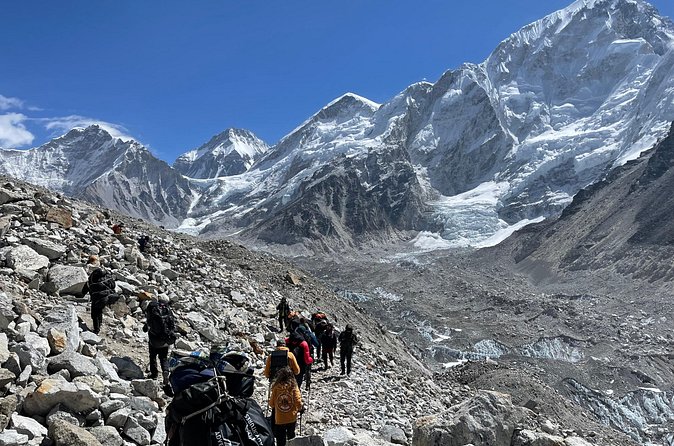
- The route includes the Khumbu Glacier and Icefall area: Base Camp is reached by a rough trail over stones, moraines, and streams.
- Flights are built into the $1,300 price: The package covers Kathmandu or Ramechhap to Lukla flights, plus return transport.
- The group is limited to eight people: That is a useful size for a demanding mountain walk.
- Meals and two Kathmandu hotel nights are included: Personal drinks, alcohol, tips, and other expenses are extra.
The $1,300 package and what it really covers
At $1,300, this trek offers a substantial package rather than just a guided walk. The price includes airport pickup and final drop-off, all listed fees and taxes, domestic flights for the client and guide, two nights in Kathmandu on a bed-and-breakfast basis, 13 breakfasts, 11 lunches, and 11 dinners.
That matters because the trek involves several costly moving parts. A flight to Lukla, ground transfers, accommodation in Kathmandu, and meals can quickly make a self-organized trip more complicated. Here, the major transport and food framework is set before you arrive.
Still, read the inclusions carefully. Personal expenses and drinks are not covered, and alcohol is extra for people over 18. Tips for the guide and driver are also outside the price. The supplied details do not clearly spell out every trekking lodge arrangement or porter cost, so I would ask for a full packing and payment breakdown before booking.
The package offers airport pickup and a mobile ticket, and the maximum group size is eight. Group discounts are also available. For a demanding route with a fixed day-by-day plan, the price looks strongest for someone who wants the main logistics handled rather than someone determined to arrange each part alone.
More Everest Base Camp treks:
- Everest Base Camp Trek – 14 Days
★ 5.0 · 1,499 reviews - Everest Base Camp Trekking
★ 5.0 · 485 reviews - Everest Base Camp Trekking – 13 Day
★ 5.0 · 365 reviews
Kathmandu arrival and the short flight to Lukla
Day one is deliberately easy. A staff member picks you up at the airport and takes you to a hotel near Thamel, followed by a pre-trip meeting and preparation for the next morning.
That first meeting is more important than it sounds. Use it to check your flight plan, ask how weather delays are handled, and make sure you understand what belongs in your day pack. You have only one stated hour for the arrival portion, so the day is mainly about settling in and getting ready.
On day two, you take an early flight of about 40 minutes from Kathmandu or Ramechhap to Lukla. The flight gives you striking aerial views of the Himalayas, but do not treat the schedule as exact. Weather and local operating conditions can delay or cancel the flight.
During the busy season, flights may operate through Ramechhap because of air traffic at Kathmandu airport. The package includes the flight, but the Ramechhap option adds a drive, so ask before departure how your transfer will work.
From Lukla, you walk for about three hours toward Phakding. This is a useful first day on foot because it is short compared with later stages. You spend the night near the village and have time to look around the local community rather than rushing straight into a long mountain day.
Namche Bazaar and the first acclimatization test
Day three is longer, about six hours, and follows the Dudh Koshi. You cross small suspension bridges and pass through Monjo before continuing toward Namche Bazaar, the main entrance to the Everest region and a major Sherpa cultural center.
Namche is more than a stopping point. It is where the trek begins to feel high and serious. The trail climbs, the air gets thinner, and the town’s position makes it a natural place to pause. Your body needs time to adjust, and this plan gives you that time.
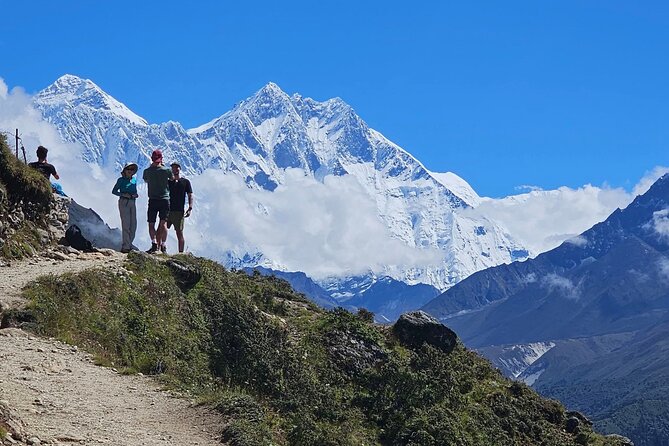
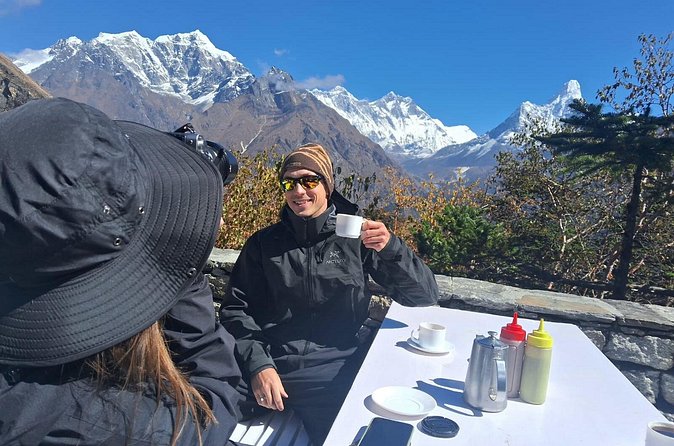
Day four is an acclimatization day at about 3,440 meters. You visit an Everest viewpoint and may walk to the highest-placed hotel in the area, Hotel Everest View, for mountain panoramas. The stated walking time is about two hours, followed by a visit to the Sherpa Museum.
I like this combination because it gives you something worthwhile to do without turning the rest day into another hard push. The museum adds context about Sherpa culture and mountaineering, while the viewpoint lets you see Everest, Ama Dablam, Lhotse, Nuptse, Thamserku, and other peaks from a high position.
You should still treat this as a work day for your body. Keep the pace easy, drink regularly, and do not use the free time as an excuse for a strenuous side trip.
Tengboche Monastery and the walk through the high valleys
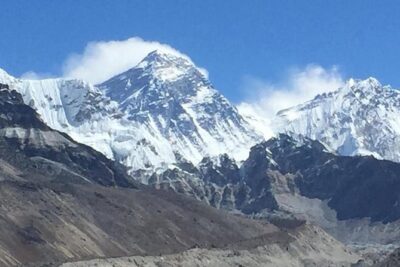
On day five, the route climbs toward Tengboche in about five hours. The trail follows a high path above the Dudh Koshi, with views toward Everest, Nuptse, Lhotse, Thamserku, and Kwangde.
Tengboche is one of the emotional high points of the trek. Its monastery gives the route a clear spiritual character, and the quiet setting feels very different from the busy approach to Namche. The attraction is not only the building itself, but also the sense that the trail has entered a more remote mountain world.
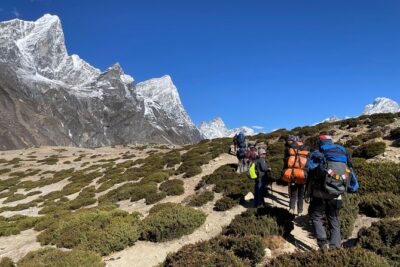
Day six takes you toward Dingboche in about five hours. You pass through rhododendron forest and open meadows, then go by the Buddhist nunnery at Deboche before reaching the Imja Khola. The route offers views toward Island Peak and Amphu Laptsa Peak.
Dingboche is at a higher elevation, so the second rest day on day seven is well placed. You can stay put and recover, or take a short walk before returning for the night. The schedule allows about three hours for the optional activity, but you should keep it gentle. At this altitude, conserving energy is more useful than collecting extra mileage.
More day hikes and treks in Kathmandu:
- Nagarkot Sunrise View and Day Hiking from Kathmandu
★ 5.0 · 471 reviews - Annapurna Circuit Trek with Tilicho Lake
★ 5.0 · 368 reviews - Everest Base Camp Trek -14 Days
★ 5.0 · 321 reviews - Annapurna base camp trek 5 Days
★ 5.0 · 252 reviews
Memorials, glaciers, and the final approach
Day eight takes about six hours to reach Lobuche. You pass through Dughla and climb a hill marked by memorials to Sherpas who died on Everest expeditions. This is a sobering section of the route. It reminds you that the mountains ahead are not just scenic backdrops, but difficult and dangerous places.
From there, the route continues along the Khumbu Glacier moraine with views toward Kala Patthar and Pumori. The surface becomes more stony and uneven, so good footwear matters. The walk is not technical climbing, but the altitude and rough ground make ordinary distances feel longer.
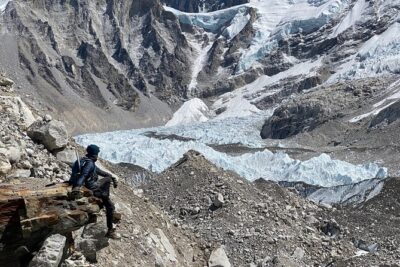
Day nine is the big objective day. You walk for about six hours toward Everest Base Camp, passing over stony dunes, moraines, and streams. The trail leads to the Khumbu Glacier and Icefall area, then back to Gorak Shep for the night.
Base Camp is a major milestone, but keep your expectations realistic. You do not climb Everest, and the view of the summit from Base Camp itself is not necessarily the classic one people picture. The value is standing near the starting point of expeditions and seeing the glacier terrain up close.
The return to Gorak Shep includes about three hours of walking after the Base Camp visit. That makes day nine a demanding day at high elevation. You need to save enough strength for the walk back, not just the outward trip.
Kala Patthar at 5,550 meters
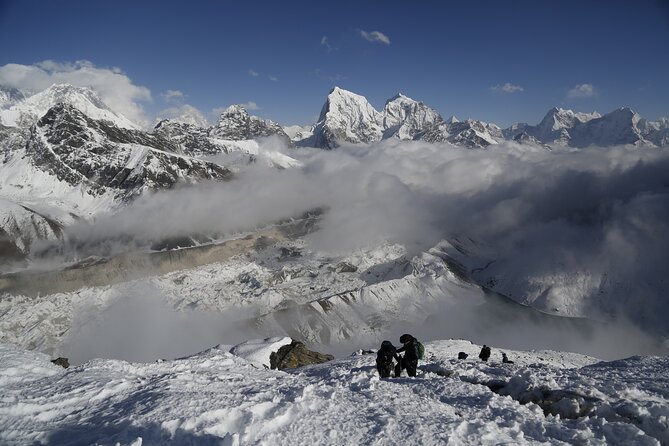
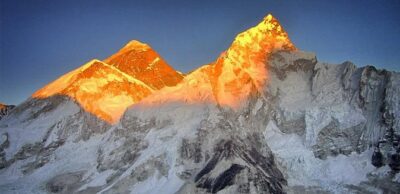
Day ten begins with the trek’s highest point, Kala Patthar at about 5,550 meters. The climb takes roughly two hours and is timed for dawn, giving you the stated chance to see Everest in early light along with the surrounding peaks.
For many people, this is the best mountain view of the entire route. Kala Patthar is a viewpoint, not a base camp, and its height gives you a stronger visual relationship with Everest. The climb is short on paper but serious in practice because of the altitude and early start.
After returning to Gorak Shep for breakfast, you descend toward Pheriche in about six hours. That descent is welcome, but it is still a long day. Trekking poles may be useful for the downhill sections, although the supplied details do not specify equipment.
The schedule makes sense: you reach the high point early, then lose elevation rather than sleeping at the maximum altitude. The day remains physically tough, but the direction is now favorable.
The long return through Namche and Lukla
Day eleven takes about six hours to Namche Bazaar. The route passes Pangboche, where you can visit the area’s oldest monastery, then continues through Tengboche and toward Kyanj.
This return walk gives you a second look at places that may have passed in a blur on the way up. You may notice more village life, mountain farms, and changing views now that you are no longer focused only on altitude.
Day twelve continues for about six hours to Lukla. The route passes local Sherpa hamlets and the Hillary suspension bridge before reaching town. After the quiet of the higher valleys, Lukla feels like a busy transition point, and your guide confirms the next day’s flight details.
Day thirteen is reserved for flying from Lukla to Kathmandu or Ramechhap. The flight itself is listed at about 30 minutes, while the Ramechhap transfer portion can take about four hours. An extra note allows for an early flight to Kathmandu or Ramechhap if weather permits, followed by transport to your accommodation and time to share the experience with the group.
This is where your flexibility matters again. The trek includes the return flight, but a delayed flight can affect your onward plans. Do not book a same-day international departure unless you have carefully considered that risk.
Day fourteen provides airport transport for your departure from Tribhuvan International Airport. You may also have time for another activity if your travel plans allow.
Guides, porters, and the human side of the trek
The strongest personal detail attached to this experience is the repeated focus on guide support. Names connected with the trip include Ram, Amer, Bishnu, Rajesh, Prakash, Tilak, Binode, Sanjay, and Gore.
You should not assume one particular person will lead your departure, but you can ask at booking. Ram is described as calm and encouraging on difficult days, while Amer is identified as a porter who helped with gear and support. Prakash is associated with a 12-day version of the trek, and Gore is described as helping with shoes, sharing gear, and making careful decisions during a snowstorm.
Those details point to what matters most on the route: steady judgment, attention to health, and help when small equipment problems become big ones. One family group also appreciated Ram’s ability to keep a younger member entertained with a card game, a small touch that can matter during a long, tiring trek.
The company name is Nepal Hiking Adventure Company, operating private day tours. The maximum group is eight, which should allow more direct contact with your guide than a large commercial group.
Who will enjoy this trek most
This route suits you if you want the classic Everest region experience in a fixed 14-day plan, with flights and major meals arranged. You should have moderate physical fitness and be comfortable walking for roughly five to six hours on several days at increasing altitude.
It also suits families and first-time high-altitude trekkers who want close support. The plan includes two acclimatization periods, a small group limit, and a guide-led structure.
It is less suitable if you need guaranteed flight times, dislike basic mountain conditions, or want a relaxed sightseeing holiday. The days are long, the terrain is rough, and the highest sections reach extreme elevation. June can bring rain, although the trip has operated in monsoon conditions with only some afternoon rain according to the supplied account. Weather remains unpredictable in every season.
The cancellation policy allows a full refund if you cancel at least three full days before the start time. Poor weather or failure to meet the minimum number of participants can lead to a new date or a full refund, but you should still protect your international flights with a sensible buffer.
Should you book the Everest Base Camp Trek?
I would choose this trek if you want the complete classic route rather than a short Everest viewpoint trip. The combination of Namche, Tengboche, Dingboche, Base Camp, and Kala Patthar gives you cultural stops, mountain views, and a real sense of progression.
The $1,300 price is attractive because it includes the Lukla flights, airport transfers, two Kathmandu nights, and a substantial set of meals. Before paying, confirm porter arrangements, lodge details, guide assignment, and how the Ramechhap transfer works during peak season.
Book it if you can handle long walking days, altitude, and uncertain flight schedules. Skip it if you need a tightly timed holiday or prefer comfort over the challenge. For the right walker, this is a serious but well-structured way to reach the foot of Everest.
FAQ
How long is the Everest Base Camp Trek?
The trip lasts approximately 14 days, including arrival and departure days, the trek from Lukla, acclimatization stops, and the return flight.
Where does the experience begin?
The trip begins in Kathmandu, Nepal. Airport pickup is provided, and you stay near Thamel before preparing for the trek.
Is the Lukla flight included?
Yes. The package includes the client’s flight from Kathmandu to Lukla and back, or flights between Ramechhap and Lukla when that route is used.
Why might I fly through Ramechhap?
During the busy season, air traffic at Kathmandu airport can lead to flights operating through Ramechhap. The stated plan includes a drive to Ramechhap in that situation.
What meals are included?
The package includes 13 breakfasts, 11 lunches, and 11 dinners. Personal expenses, beverages, and alcoholic drinks are not included.
Is airport pickup available?
Yes. Pickup on arrival and transport to the airport for final departure are included.
How large is the group?
The experience has a maximum of eight travelers.
What fitness level do I need?
You should have a moderate level of physical fitness. The route includes walking days of about five to six hours, with high-altitude sections and a climb to Kala Patthar at approximately 5,550 meters.
What happens if bad weather cancels the trip or flight?
If the experience is canceled because of poor weather, you are offered a different date or a full refund. The Lukla flights themselves can also face delays or cancellations because of weather and local operating conditions.
Just added around Kathmandu
- Traditional Momo Making Class★ 5.0 · 10 reviews
- Wildlife Adventure in Chitwan Nepal★ 4.0 · 4 reviews
- Walking tour of real Kathmandu through back streets.★ 5.0 · 3 reviews
- Kathmandu 2 Nights 3 Days Chitwan Jungle Safari Tour★ 5.0 · 9 reviews
- Kathmandu Street Food Walking Tour – Eat Like a Local★ 5.0 · 3 reviews
- Private Manaslu Circuit Trek at Himalayas★ 5.0 · 3 reviews
- Walking tour of Kathmandu with awesome local guides★ 5.0 · 4 reviews
- Visit Swayambhunath and Bauddhanath Stupa with Guide★ 5.0 · 5 reviews
Everest Base Camp Treks from Kathmandu, compared.
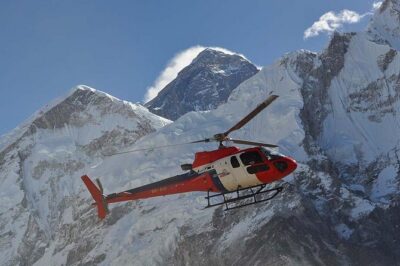
Everest Base Camp Trek with Helicopter Return from Gorakshep to Lukla
Read our review →Browse the lists this tour appears in