
Reviewed · EVEREST BASE CAMP TREKS FROM KATHMANDU
Everest Base Camp Trek Via Gokyo Lake and Cho La Pass
The best thing about this trek is the route itself. You get the classic Everest Base Camp experience, then add the quieter Gokyo Valley and the demanding Cho La Pass. It is a big Himalayan journey with glacier views, high lakes, Sherpa villages, monasteries, and plenty of uphill work. Everest Base Camp is only half the story here.
I like the thoughtful acclimatization stop in Namche Bazaar, where you can hike to the Everest View Hotel at 3,880 meters before going higher. I also like the practical support: round-trip flights, permits, meals, a guide, porter coverage at a 1:2 ratio, and emergency oxygen are built into the package.
The catch is simple: this is a serious high-altitude trek, not a gentle walking holiday. The route includes long days, cold conditions, a glacier pass, and very basic teahouse comforts. Flight delays between Kathmandu and Lukla can also affect your plans and may create extra costs.
Key points to know before booking
- Three major Himalayan goals: You reach Everest Base Camp, watch sunrise from Kala Patthar, and visit the Gokyo Lakes.
- Cho La adds the hard part: The early crossing is an icy, demanding day between Dzongla and Gokyo.
- Namche is your main rest stop: You have time for the Everest View Hotel, the market, and the Sherpa museum.
- Practical costs are covered: Flights, teahouse lodging, meals, permits, guide service, porter support, and airport transfers are included.
- Private group format: Only your own group takes part, with group discounts available.
- Fourteen days means a full commitment: You need moderate physical fitness, suitable gear, travel insurance, and patience for mountain logistics.
Why this route earns its place on your Nepal shortlist
Many people know the standard Everest Base Camp route: fly to Lukla, walk through Namche and Tengboche, reach Gorak Shep, and return the same way. This trip takes a more ambitious approach. You first reach Base Camp, then continue toward Cho La Pass and Gokyo rather than simply retracing your steps.
That gives you more variety. The Everest section brings famous viewpoints, busy trail sections, memorials, monasteries, and the excitement of reaching Base Camp. The Gokyo section feels quieter, with a chain of high lakes and wide mountain views. The pass is the physical test that connects the two areas.
I especially like that the route includes a proper Namche acclimatization day. You are not simply pushed higher every morning. The optional hike to the Everest View Hotel gives you a useful first look at Everest while helping your body adjust to altitude. You also have time to explore the market and Sherpa museum instead of treating Namche as just a sleeping stop.
The package is listed at $1,000 per person. For a 14-day private trek, that is best judged by what is included rather than by the headline price alone. Domestic flights, 12 nights of teahouse lodging, all meals during the trek, permits, airport transfers, guide service, porter support, and a duffel bag are covered. You still pay for international flights, your Nepal visa, Kathmandu meals, gear, insurance, tips, extra nights, showers, Wi-Fi, and charging.
That distinction matters. The price handles the main structure of the trek, but it is not an all-inclusive holiday. Set aside money for personal costs and possible delays. A group discount may improve the value if you are booking with companions.
More Everest Base Camp treks:
- Everest Base Camp Trek – 14 Days
★ 5.0 · 1,499 reviews - Everest Base Camp Trekking
★ 5.0 · 485 reviews - Everest Base Camp Trekking – 13 Day
★ 5.0 · 365 reviews
Kathmandu arrival and the flight to Lukla
Your trip begins at Tribhuvan International Airport in Kathmandu, where a guide meets you with a sign bearing your name. You receive a trek briefing and gear check before heading into the mountains. That first meeting is useful because it gives you a chance to confirm the walking plan, ask about equipment, and make sure your bags are ready.
The next morning brings the scenic flight to Lukla. From there, you start walking toward Phakding through Sherpa villages. This opening day is relatively short compared with what follows, but it introduces the rhythm of the trek: breakfast, a morning on the trail, a teahouse stop, and a night at altitude.
Do not treat the flight as a minor transfer. The itinerary depends on it, and the experience requires good weather. If the trip is canceled for weather or because the minimum number of participants is not met, you are offered another date or a refund. The itinerary also warns that extra hotel nights caused by flight delays are not included, so keep some flexibility in both your schedule and budget.
Namche Bazaar gives you time to adjust
The walk toward Namche includes suspension bridges and the entrance to Sagarmatha National Park. You get an early glimpse of Everest, then climb toward Namche Bazaar, the main trading and resting center on this section of the route.
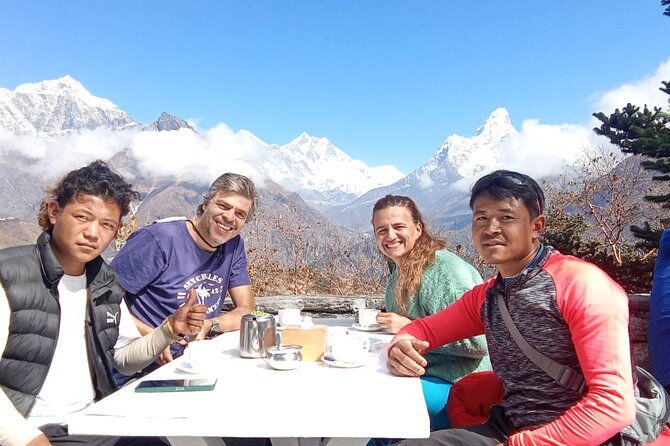
The schedule includes a full day in Namche. You can take the optional hike to the Everest View Hotel at 3,880 meters, visit the local market, and explore the Sherpa museum. I consider this one of the strongest parts of the plan because acclimatization is not just a medical concern. It also makes the trek more enjoyable. You have time to slow down, look around, and understand the communities that support life along the trail.
The hike is still a hike, so use the day sensibly. The aim is to move, not to exhaust yourself before the next stage. This is also a good point to check your boots, layers, poles, and daypack. Personal gear is not included, although equipment can be rented in Kathmandu.
Tengboche and Dingboche bring bigger views
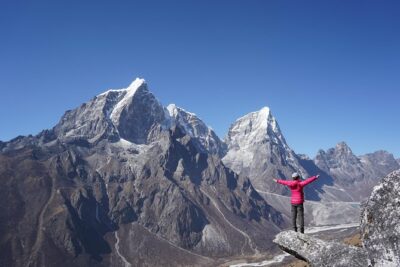
From Namche, the trail continues through pine forest toward Tengboche. You can expect views of Thamserku and Everest, along with a visit to Tengboche Monastery. The monastery gives the route a cultural center, not just another mountain stop. It is a place to pause and remember that this is a lived-in region, not merely a route designed for hikers.
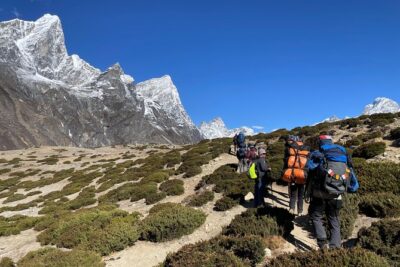
The next stage crosses the Imja Khola and passes through Pangboche before reaching Dingboche. Here, you begin to feel the altitude more clearly. The change from forested trail to open alpine terrain is part of the appeal, but it also means less shelter from wind and cold.
The itinerary does not list a separate acclimatization day in Dingboche. That makes your pace and the guide’s judgment important. You should expect the higher sections to feel harder even if the distance looks modest on paper. Keep your walking speed steady, drink regularly, and tell your guide early if you feel unwell.
More day hikes and treks in Kathmandu:
- Nagarkot Sunrise View and Day Hiking from Kathmandu
★ 5.0 · 471 reviews - Annapurna Circuit Trek with Tilicho Lake
★ 5.0 · 368 reviews - Everest Base Camp Trek -14 Days
★ 5.0 · 321 reviews - Annapurna base camp trek 5 Days
★ 5.0 · 252 reviews
Lobuche and the approach to Base Camp
The route from Dingboche leads toward Lobuche through increasingly spare mountain scenery. You pass memorials to climbers and walk on gradual climbs toward the settlement. These memorials add a sober note to the journey. Everest is famous, but it is also a place where skill, preparation, and weather can have serious consequences.
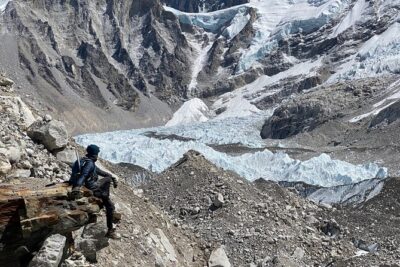
From Lobuche, you continue to Gorak Shep and follow the Khumbu Glacier to Everest Base Camp. The day is listed at about eight hours, and the combination of altitude, uneven trail, and the return to Gorak Shep makes it a demanding one.
Base Camp itself is an achievement, but do not expect a permanent expedition camp with a full set of facilities. The attraction is the setting and the meaning of reaching this point beneath the Khumbu peaks. You have time for photographs before returning to Gorak Shep for the night.
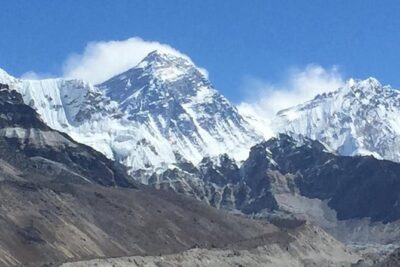
This is where good expectations help. You may not see the summit of Everest clearly from Base Camp itself. That is why the next morning at Kala Patthar matters so much.
Kala Patthar at sunrise, then Dzongla
You rise early for the climb to Kala Patthar and a sunrise view of Everest. The early start means cold conditions and tired legs, but this is one of the most important viewpoints on the whole route. From there, you descend to Lobuche and continue to Dzongla.
That sequence makes Day 9 a demanding transition day. You begin with a steep viewpoint, then cover ground toward the Cho La section. The reward is a change in scenery and a quieter overnight setting at Dzongla, but you should not expect a relaxed afternoon.
The plan places the Everest Base Camp goal before the pass. That order works well emotionally: you first reach the famous destination, then take on the more technical part of the trek. It also means you need to preserve energy after Base Camp rather than treating it as the end of the trip.
Cho La Pass is the route’s real test
The crossing from Dzongla to Gokyo starts early and passes over icy Cho La Pass. This is the most demanding part of the trip. The description does not provide an exact pass elevation, technical grade, or equipment list, so you should ask the operator what conditions and gear are expected before departure.
You can expect cold, uneven footing, and a long day. This is not a section to rush for photographs. Follow the guide’s instructions, use trekking poles if they are part of your personal kit, and keep your hands and feet warm. The trip includes safety support and emergency oxygen, but that does not remove the need for good fitness, travel insurance, and sensible pacing.
After the pass, you descend into the Gokyo Valley. The change is the payoff: the route turns from the Everest Base Camp corridor toward high lakes and a quieter mountain setting. If you are choosing between the ordinary return route and this version, Cho La is the deciding factor. It adds difficulty, but also gives the trek its special character.
Gokyo Lakes offer a different side of Everest
The Gokyo stop includes a morning climb for broad views of Everest, Cho Oyu, and Makalu. You also visit the third and fourth Gokyo Lakes. This is a fine counterpoint to Base Camp. Instead of focusing on one famous destination, the Gokyo days let you appreciate water, rock, ice, and enormous peaks together.
The route does not specify the exact height or length of the morning climb, so ask for a current estimate when you book. The same applies to the condition of the pass and lakeside trail. Weather can alter both the views and the walking surface.
I like having a dedicated morning here rather than passing through quickly. After Cho La, you need a place that feels rewarding, not just functional. Gokyo supplies that pause before the long descent.
The return through Dole and Khumjung
From Gokyo, you descend past Machhermo, Dole, and Khumjung before returning to Namche Bazaar. The day is listed at about seven hours. Compared with the higher sections, the lower route should feel more forgiving, though tired knees can make downhill walking surprisingly hard.
Namche gives you a chance for a hot shower and rest. Those comforts cost extra at teahouses, as do Wi-Fi and battery charging, but they can feel worth paying for after days in the cold. The return route also gives you a second look at villages and trail sections that passed quickly during the climb.
The final trekking day follows the Dudh Koshi River to Lukla. It is listed at about seven hours and provides a gradual return to the airstrip and the end of the walking portion. You then take an early morning flight back to Kathmandu, with free time for rest, shopping, or an optional massage. The trip ends at the airport meeting point, although a hotel night or transfer can be arranged as an option.
What is included, and what you still need
The inclusions are useful and clear:
- Round-trip Kathmandu to Lukla flights
- One Kathmandu hotel night with breakfast
- Twelve nights in twin-sharing teahouses
- Breakfast, lunch, and dinner during the trek
- Licensed English-speaking guide
- Porter support at a 1:2 ratio
- Sagarmatha National Park and TIMS permits
- Arrival and departure airport transfers
- Trekking duffel bag, returned after use
- Government taxes and trekking service charges
- Emergency oxygen and safety support
You need to arrange international airfare, the Nepal visa, travel insurance, personal gear, Kathmandu lunches and dinners, and tips. Boots, jackets, poles, and similar items can be rented in Kathmandu, which helps if you do not want to buy a full high-altitude kit.
Teahouse life is part of the experience, but comfort is limited. Hot showers, Wi-Fi, and charging are personal expenses. Twin-sharing rooms are included, so ask ahead if you need a different arrangement.
The guide-to-porter ratio is a practical plus. It means the load is shared rather than leaving you to carry every item yourself. Still, pack carefully and keep essential personal items in your daypack.
Who will get the most from this trek?
This trip suits you if you want more than the standard Base Camp route and have the fitness for a long, high-altitude itinerary. You should be comfortable with multi-day walking, cold mornings, basic lodging, and a demanding pass crossing.
It is especially good for someone who wants several kinds of scenery in one trip: forest trails near the lower villages, monastery visits, open alpine ground, glacier views, high lakes, and famous Himalayan viewpoints. It also suits a private group that wants its own trekking party rather than joining a large shared group.
You may want another route if your main goal is a relaxed holiday, if you dislike basic teahouses, or if a fixed 14-day schedule leaves no room for delays. The supplier requires moderate physical fitness, but the Cho La section means you should take that phrase seriously.
The company has also used guides named Udio and Shisir on other Nepal trips. Shisir was noted for reassuring hikers during difficult moments and even helping with a heavy backpack. Those details suggest the human side of the service can be valuable, but you should confirm the name and experience of your assigned guide before departure.
Should you book it?
Book this trek if you want Everest Base Camp with a stronger sense of variety and a real mountain challenge. The combination of Kala Patthar, Gokyo Lakes, and Cho La Pass gives you more memorable stages than a simple out-and-back route, while the included flights, meals, permits, lodging, and guide service make the $1,000 price worth close consideration.
Do not book it casually. Build in flexibility for Lukla flight problems, buy mandatory travel insurance, prepare for cold and altitude, and budget for personal expenses and possible extra nights. If you accept those conditions, this is a powerful 14-day route for fit hikers who want the famous Everest experience plus the quieter, more demanding side of the Khumbu.
FAQ
How long does the Everest Base Camp trek via Gokyo and Cho La Pass take?
The trek lasts approximately 14 days, including arrival and departure arrangements in Kathmandu, the Lukla flights, and the walking route.
Where does the trek begin and end?
It begins at Tribhuvan International Airport in Kathmandu, where airport pickup is provided. The activity ends back at the meeting point after the flight from Lukla to Kathmandu.
Are flights between Kathmandu and Lukla included?
Yes. Round-trip domestic flights between Kathmandu and Lukla are included.
Are meals included during the trek?
Breakfast, lunch, and dinner are included during the trekking portion. Lunch and dinner in Kathmandu are not included.
What accommodation is provided?
The package includes one night in a Kathmandu hotel with breakfast and 12 nights in twin-sharing teahouses during the trek.
Is a guide included?
Yes. A licensed English-speaking trekking guide is included, along with porter support at a ratio of one porter for every two participants.
Are permits included?
Yes. Sagarmatha National Park and TIMS permits are included in the price.
What personal items are not included?
Personal trekking gear such as boots, jackets, and poles is not included, though you can rent equipment in Kathmandu. Travel insurance, the Nepal visa, tips, extra hotel nights, hot showers, Wi-Fi, and battery charging also cost extra.
Can I cancel for a full refund?
You can cancel at least 24 hours before the experience start time for a full refund. Cancellations or changes made less than 24 hours in advance are not accepted for a refund.
Just added around Kathmandu
- Traditional Momo Making Class★ 5.0 · 10 reviews
- Wildlife Adventure in Chitwan Nepal★ 4.0 · 4 reviews
- Walking tour of real Kathmandu through back streets.★ 5.0 · 3 reviews
- Kathmandu 2 Nights 3 Days Chitwan Jungle Safari Tour★ 5.0 · 9 reviews
- Kathmandu Street Food Walking Tour – Eat Like a Local★ 5.0 · 3 reviews
- Private Manaslu Circuit Trek at Himalayas★ 5.0 · 3 reviews
- Walking tour of Kathmandu with awesome local guides★ 5.0 · 4 reviews
- Visit Swayambhunath and Bauddhanath Stupa with Guide★ 5.0 · 5 reviews
Everest Base Camp Treks from Kathmandu, compared.
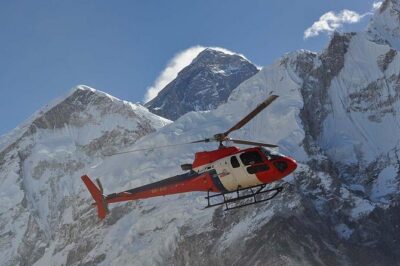
Everest Base Camp Trek with Helicopter Return from Gorakshep to Lukla
Read our review →Browse the lists this tour appears in