
Reviewed · EVEREST BASE CAMP TREKS FROM KATHMANDU
From Kathmandu: Guided Everest Base Camp Trek
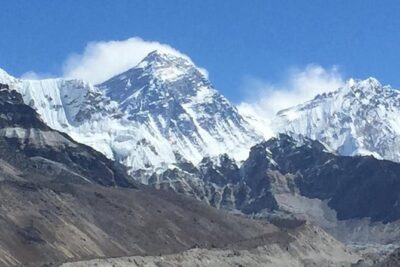
The reward here is clear: you walk through the Khumbu region to Everest Base Camp, with Mount Everest, Lhotse, Nuptse, and Ama Dablam appearing along the route. The trip also gives you real time in Sherpa villages, Buddhist monasteries, and Sagarmatha National Park, not just a quick mountain photo stop.
I like the careful acclimatization days in Namche and Dingboche, and I like that the guides have proved highly attentive. Saran has helped tired trekkers with heavy packs, photos, and steady encouragement, while Prayas has assisted trekkers in good English. The catch is that this is a hard high-altitude trek, and the $408 price depends on the option you choose, especially for flights and full-board food.
Key points at a glance
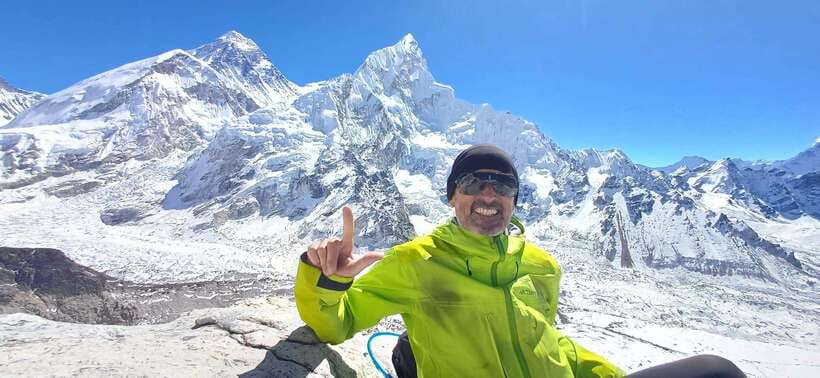
- Kala Patthar at 5,545 meters: The highest point on the route gives you a close view of Everest and the surrounding peaks.
- Two acclimatization stops: Namche Bazaar and Dingboche break up the climb and give your body time to adjust.
- Tengboche Monastery: You can visit one of the region’s most important Buddhist sites at about 3,867 meters.
- Helpful named guides: Saran and Prayas have been praised for communication, practical help, and calm support.
- Sagarmatha National Park: The route passes through a UNESCO World Heritage site with Himalayan wildlife and varied scenery.
- A serious mountain trek: Expect rocky trails, steep climbs, suspension bridges, cold conditions, and thin air.
What the 12-day Everest Base Camp trek is really like
This is not a sightseeing tour with a short walk at the end. You spend nearly two weeks moving through the Khumbu, gaining altitude day by day, sleeping in mountain settlements, and adjusting to a much harder environment than Kathmandu.
The route covers roughly the classic approach to Everest Base Camp. You begin with a flight to Lukla, walk to Phakding, gain height through Namche Bazaar and Tengboche, then continue to Dingboche, Lobuche, Gorak Shep, and Base Camp. The return is quicker, but still demanding.
The altitude is the main challenge. The itinerary reaches 5,365 meters at Everest Base Camp and 5,545 meters at Kala Patthar. Even a fit person can feel tired, short of breath, or unwell at those heights. The two rest and acclimatization days are not spare time. They are a key part of making the trek possible.
The exact balance of support depends on the package you select. Domestic flights, food and drinks, and other inclusions are option-specific. Check those details before paying, since a low headline price may not represent the same package as a full-board option with flights.
More Everest Base Camp treks:
- Everest Base Camp Trek – 14 Days
★ 5.0 · 1,499 reviews - Everest Base Camp Trekking
★ 5.0 · 485 reviews - Everest Base Camp Trekking – 13 Day
★ 5.0 · 365 reviews
Day 1: Lukla to Phakding at 2,610 meters
The trek begins with a flight from Kathmandu to Lukla if that option is selected. The flight is important because Lukla is the usual starting point for this route, and the first walking day begins from there.
From Lukla, you walk to Phakding. This is a useful opening day because the route introduces you to the pace of the trek without immediately taking you to extreme altitude. You will already be walking on mountain paths, but the main height gain comes later.
Phakding is more than a place to sleep. It marks the shift from urban Nepal to the Khumbu trekking corridor. You begin to see the type of villages, bridges, and mountain trails that define the rest of the journey.
Day 2: The climb to Namche Bazaar at 3,440 meters
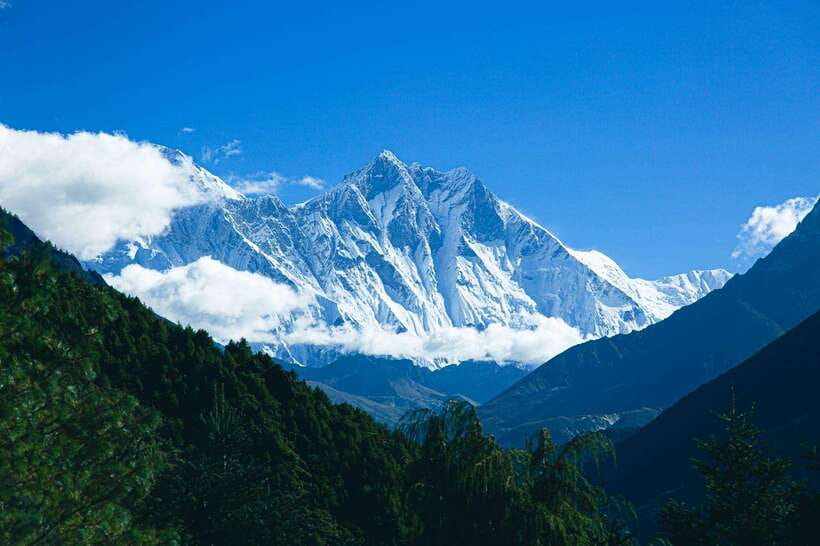
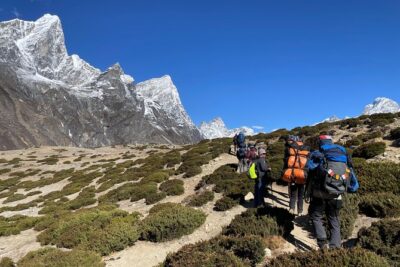
The walk to Namche is one of the first major tests. The trail climbs through Sagarmatha National Park, crossing suspension bridges and passing through Himalayan scenery that changes as you gain height.
Namche Bazaar is the social and practical center of the Everest region. It is known for local crafts, Sherpa culture, and its role as a supply point for trekkers and mountain expeditions. You also get your first proper acclimatization stop here.
I would use this day to slow down. Namche is not a place to rush through with a camera and a snack. Look at the buildings, notice the mountain economy, and take time to understand that this is a working Sherpa town, not simply a trekking backdrop.
Day 3: Acclimatization in Namche
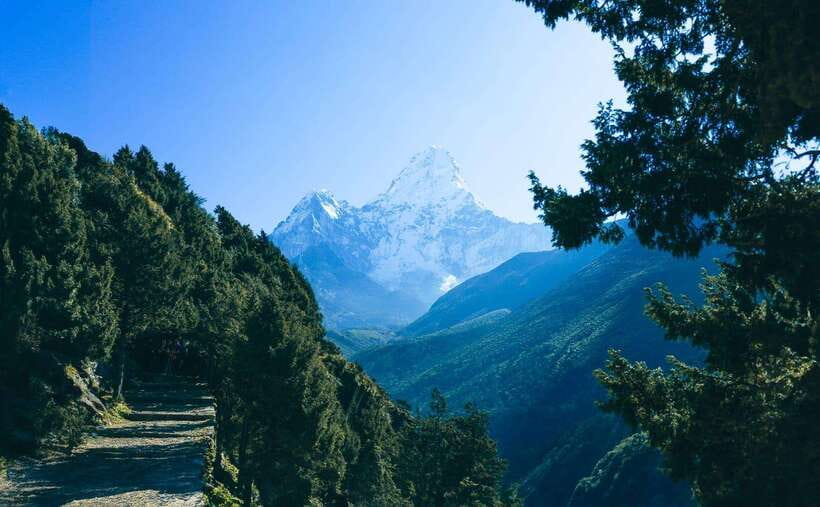
The Namche rest day helps your body adjust before the route climbs higher. You are not necessarily doing nothing. The point is to remain active without pushing too hard, allowing the altitude to become more manageable.
You can shop for local crafts, spend time around town, and learn more about Sherpa life. The trip description also points to traditional dress and a museum visit, giving this stop a cultural purpose as well as a physical one.
This is one of the strongest parts of the plan. A rushed itinerary can turn the upper section into a struggle. Two dedicated adjustment days, one in Namche and one in Dingboche, make this schedule more sensible than a simple race to Base Camp.
More day hikes and treks in Kathmandu:
- Nagarkot Sunrise View and Day Hiking from Kathmandu
★ 5.0 · 471 reviews - Annapurna Circuit Trek with Tilicho Lake
★ 5.0 · 368 reviews - Everest Base Camp Trek -14 Days
★ 5.0 · 321 reviews - Annapurna base camp trek 5 Days
★ 5.0 · 252 reviews
Day 4: Tengboche and its Buddhist monastery
The route continues to Tyangboche, also written as Tengboche, at about 3,800 meters. The village is known for its Buddhist monastery and broad views toward the Everest range.
Tengboche offers a welcome change in pace. Mountain trails can become repetitive when every day is measured in walking hours and elevation. A monastery gives the journey a spiritual and cultural center. You may witness daily rituals and ceremonies, depending on timing.
The monastery visit is valuable because it connects the scenery with the beliefs of the communities who live here. You are not simply walking toward a famous mountain. You are passing through a Buddhist region where monasteries, prayer, and local customs remain part of everyday life.
Day 5: Dingboche at 4,400 meters
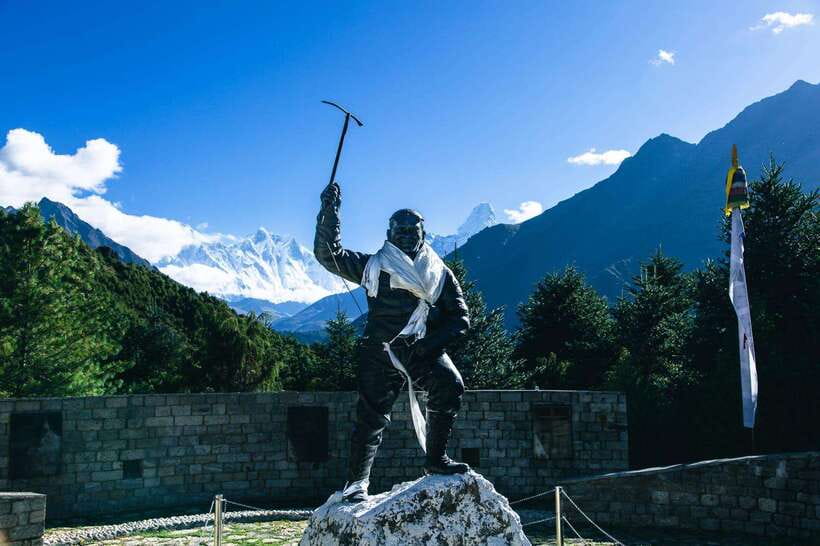
The trail reaches Dingboche, a village at about 4,400 meters. The increase in altitude becomes much more noticeable here. Walking can feel slower, and even routine climbs require patience.
Dingboche is an important overnight stop because it prepares you for the higher settlements ahead. The village also offers a closer look at life in the upper Khumbu, where the terrain is more open and rugged than the lower approach.
You should expect the conditions to become less comfortable. The itinerary does not promise luxury, and accommodation is mountain accommodation rather than a city hotel. The package includes lodging during the trek, but the supplied details do not specify room standards or private bathrooms, so confirm those points if they matter to you.
Day 6: A second acclimatization day in Dingboche
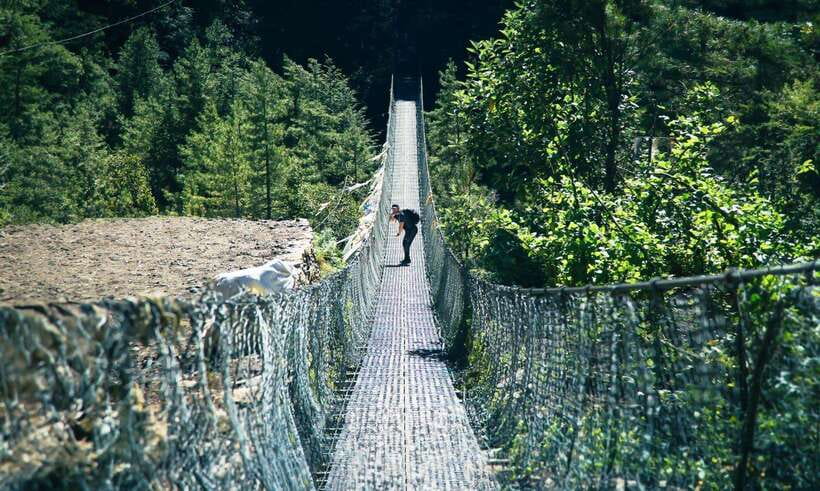
The rest day in Dingboche is another good design choice. At 4,400 meters, the body needs time to adjust before you move toward Lobuche and Gorak Shep.
This is where your guide matters. Saran has been praised for checking on physical condition closely and helping when a trekker became too tired to carry a heavy pack. Prayas has also provided practical help and clear English communication. That sort of attention is useful at altitude, where a small problem can become a serious one if ignored.
The pace should be steady, not heroic. You want to arrive at the upper villages with enough energy for Base Camp and Kala Patthar, not spend everything before the final section.
Day 7: Lobuche at 4,900 meters
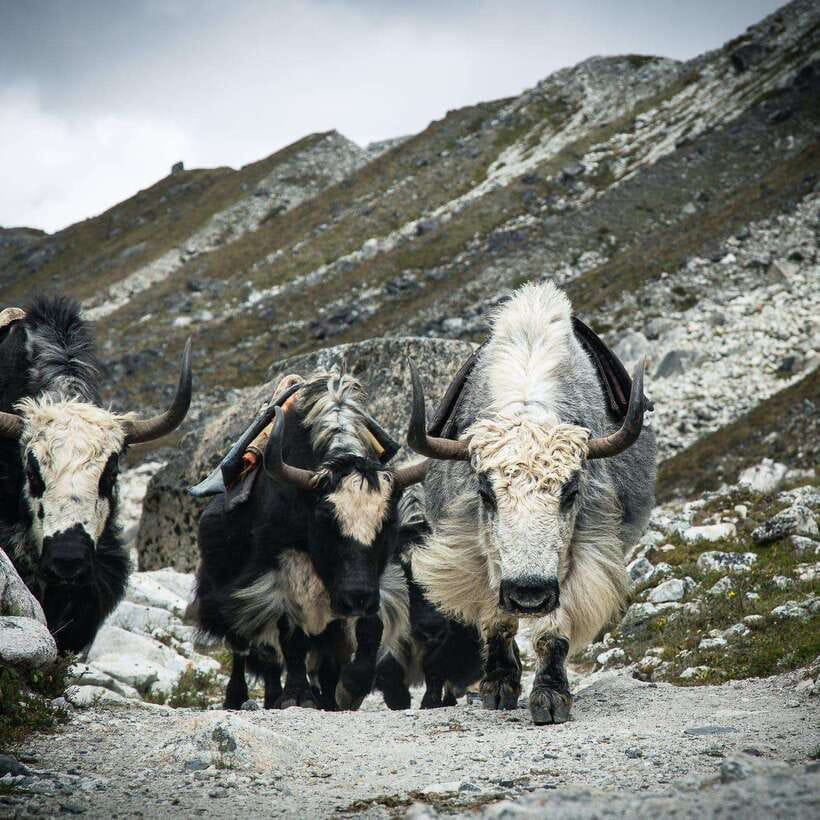
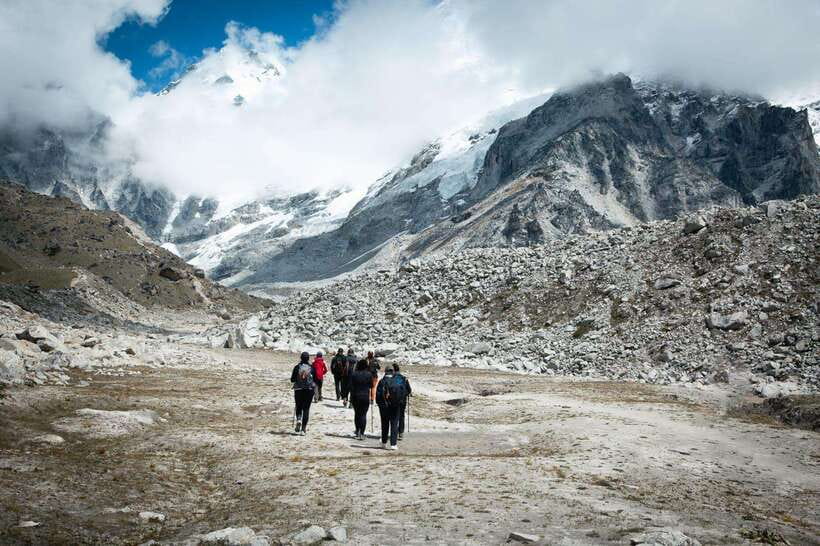
The walk to Lobuche takes you farther into the high mountain zone. At 4,900 meters, the air is thin and the route feels more exposed. The trail includes rocky ground and glacial terrain, so sturdy footwear and a careful pace are important.
Lobuche is a staging point for the final push. It is not a sightseeing town in the usual sense. Its value is practical: you sleep at high altitude before continuing to Gorak Shep and Base Camp.
The scenery here becomes increasingly dramatic, with rugged ridges, glaciers, and high peaks filling the view. The famous names are still present, but the physical experience becomes just as memorable as the photographs.
Day 8: Gorak Shep and Everest Base Camp
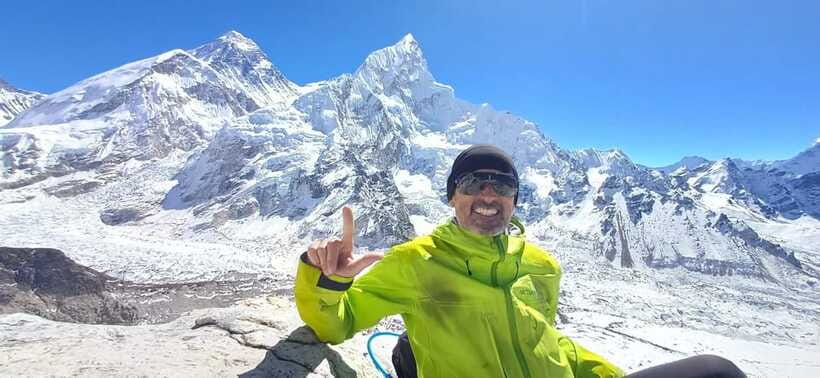
You continue to Gorak Shep at about 5,150 meters, the last settlement before Base Camp. From there, the route goes to Everest Base Camp at approximately 5,365 meters.
This is the emotional center of the trip. You stand at the foot of the Everest climbing route, with the Khumbu Icefall and surrounding glaciers nearby. Base Camp itself is not a permanent city or a polished attraction. It is a high, rough mountain site whose meaning comes from the expeditions and dangers associated with Everest.
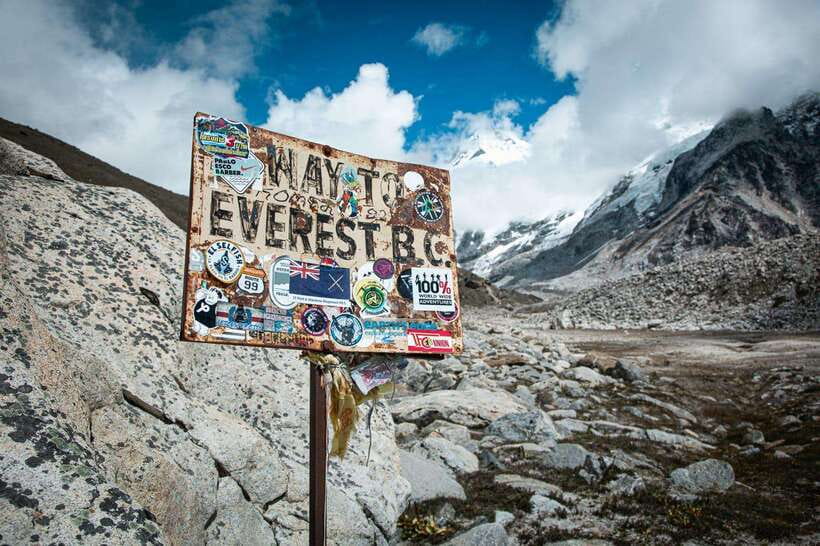
The walk is demanding because you are already high and tired. Progress may feel slow. The reward is not only reaching the sign or taking a photograph. It is knowing that you have crossed suspension bridges, steep paths, high passes of effort, and several days of altitude to reach this point.
Day 9: Kala Patthar and the walk to Pheriche
The day begins with Kala Patthar, at 5,545 meters, followed by a descent to Pheriche at about 4,200 meters. Kala Patthar is the highest point on the itinerary and is often the best place for a close view of Mount Everest.
The view is especially important because Everest is not always seen in the most direct or dramatic way from Base Camp itself. From Kala Patthar, you can look toward Everest and the surrounding peaks, including Lhotse and Nuptse, in a broad high mountain panorama.
This is a demanding day, even with the descent. The height of Kala Patthar makes the climb serious, and the early timing can be tiring. Still, it is the part of the route I would protect most carefully. If you have come this far, the extra effort gives you one of the clearest mountain viewpoints of the trek.
Days 10 and 11: Returning through Namche to Lukla
The return takes you from Pheriche to Namche, then from Namche to Lukla. The route is familiar in reverse, but the experience is different because you are descending and carrying the memory of the high country with you.
The lower altitude usually makes walking feel easier, though the trail still includes climbs and descents. Do not assume the return is effortless. Tired legs, rocky paths, and long walking days can still take a toll.
The trek ends in Lukla before the flight back to Kathmandu. The supplied itinerary allows the full journey to fit into 12 days, but mountain flights can be affected by conditions. The tour information confirms round-trip domestic flights only when that option is selected, so check exactly what you are buying.
Sherpa culture, monasteries, and Sagarmatha National Park
The cultural side of this trek deserves equal billing with the mountains. You pass through Sherpa settlements, visit Tengboche Monastery, and have time in Namche Bazaar. The route also includes the chance to see local dress, learn about customs, and visit a museum.
Sagarmatha National Park is a UNESCO World Heritage site. The park protects a striking range of environments, from rhododendron forests and village paths to rocky high-altitude ground and glacial areas. Possible wildlife includes Himalayan tahrs, musk deer, and the much rarer snow leopard, though wildlife sightings are never guaranteed.
The best cultural moments are built into the walking route. You do not need a separate excursion to find them. The guide can help explain what you are seeing, though the information provided only confirms English-language guiding, not a detailed specialist cultural program.
Guides, group size, and personal support
The experience is offered with a live English-speaking guide, and a small group is available. Group size matters on a trek like this. A smaller group can make the pace easier to manage and may allow the guide to notice fatigue sooner.
Saran is a particularly important name to know. He has been praised for carrying a heavy pack when a trekker was exhausted, checking physical condition, taking photographs, and helping with communication. One solo Japanese woman also found that she could communicate comfortably with him despite limited English.
Prayas has also provided strong support, including help when a solo trekker became ill near the end of the route. The company arranged medical assistance and a porter for the final day in that case. That does not mean every medical issue will be handled in the same way, but it shows why direct communication with the organizer matters.
Rajesh handles pre-trip communication and has been quick to answer questions through WhatsApp. You should use that contact before departure to confirm the meeting point, flight inclusion, food plan, equipment needs, and the exact support included in your chosen option.
Is $408 good value?
At $408 per person, this can be a strong price for a guided 12-day Everest Base Camp trek, particularly if the package includes the domestic flights, accommodation, national park permit, guide, guide’s food and lodging, trekking map, first-aid kit, and full-board meals.
But the wording matters. Flights are included only if the selected option includes them, and food and drinks are included if you choose the full-board option. The basic price should not be compared directly with a package that includes every meal and transport item.
The price also excludes the Nepal visa fee and travel insurance. Travel insurance is especially important for a high-altitude trek, since the tour price does not cover it. Before booking, ask for a clear list of inclusions rather than relying only on the starting figure.
The package includes hotel pickup and drop-off, welcome and farewell coffee, and accommodation during the trek. These are useful touches, but the real value is the guide support and the structure of the route. Two acclimatization days, a permit, and assistance through the upper section can make the difference between a rewarding trek and an unnecessarily rough one.
Who should book this trek?
I would recommend it to you if you want the classic Everest route but prefer a guided trip with a clear schedule. It suits people who want mountain views, Sherpa culture, Buddhist sites, and a genuine physical challenge in one journey.
It may also suit solo participants. The available feedback includes positive experiences from solo women, including support with communication, illness, and porter help. A small group option can make a solo booking feel less isolated.
I would be cautious if you want a relaxed holiday, dislike basic mountain accommodation, or have not prepared for high altitude. The route reaches more than 5,500 meters, and the trek includes steep climbs, rocky trails, suspension bridges, and long walking days.
The tour has a five-star rating from six published bookings, with repeated praise for organization, guide support, communication, and the views. That is encouraging, but the sample is small. Treat the rating as a useful signal, not a guarantee that the altitude or weather will be easy.
Should you book the Everest Base Camp trek?
Book this trek if the chance to reach Everest Base Camp matters more to you than comfort, flexibility, or a gentle pace. The itinerary gives you the key stops, allows time to adjust to altitude, and adds genuine cultural value through Namche, Sherpa villages, Tengboche Monastery, and Sagarmatha National Park.
Before booking, confirm four things: if your price includes the Lukla flights, if full-board meals are included, what accommodation standard to expect, and what assistance is available if you become ill. If those details match your needs, $408 can offer very good value for a guided route to Base Camp.
FAQ
How long is the Everest Base Camp trek?
The activity lasts 12 days, beginning with travel from Kathmandu to Lukla and ending with the flight back to Kathmandu.
Is the flight from Kathmandu to Lukla included?
Round-trip domestic flights are included if you select the option that includes them. Check the chosen package before booking.
What language does the guide speak?
The live tour guide speaks English.
Are meals included during the trek?
Food and drinks are included if you select the full-board option. The provided details do not say that meals are included in every package.
What is the highest point of the trek?
Kala Patthar is the highest point, at approximately 5,545 meters. Everest Base Camp is listed at about 5,365 meters.
What is not included in the tour price?
The Nepal visa fee and travel insurance are not included.
Just added around Kathmandu
- Traditional Momo Making Class★ 5.0 · 10 reviews
- Wildlife Adventure in Chitwan Nepal★ 4.0 · 4 reviews
- Walking tour of real Kathmandu through back streets.★ 5.0 · 3 reviews
- Kathmandu 2 Nights 3 Days Chitwan Jungle Safari Tour★ 5.0 · 9 reviews
- Kathmandu Street Food Walking Tour – Eat Like a Local★ 5.0 · 3 reviews
- Private Manaslu Circuit Trek at Himalayas★ 5.0 · 3 reviews
- Walking tour of Kathmandu with awesome local guides★ 5.0 · 4 reviews
- Visit Swayambhunath and Bauddhanath Stupa with Guide★ 5.0 · 5 reviews
Everest Base Camp Treks from Kathmandu, compared.
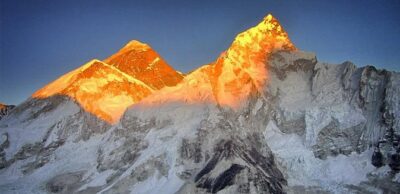
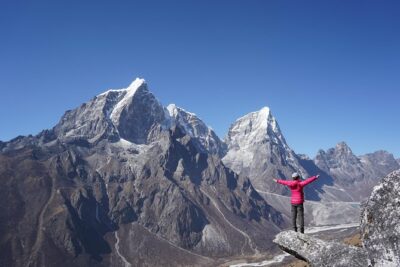
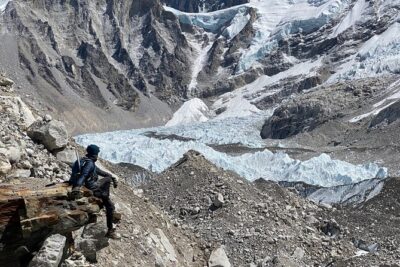
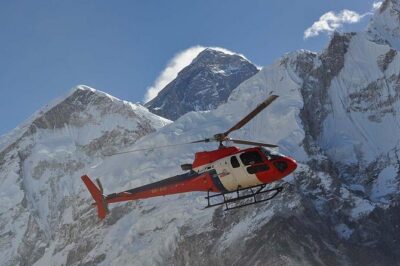
Everest Base Camp Trek with Helicopter Return from Gorakshep to Lukla
Read our review →Browse the lists this tour appears in