
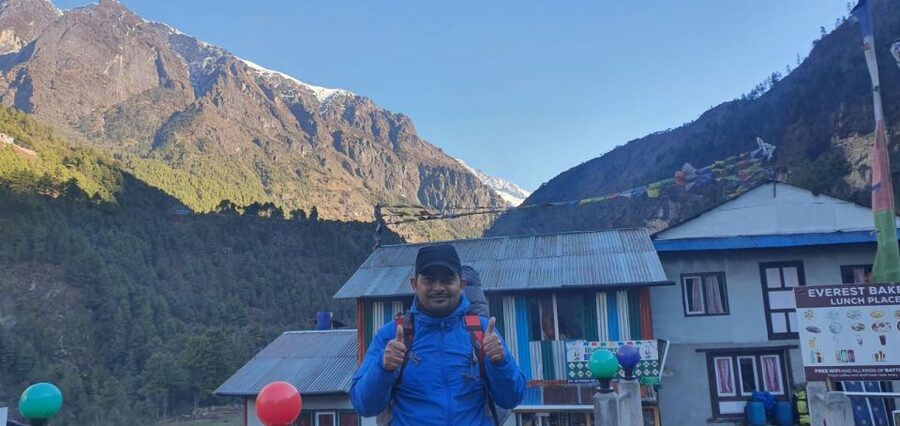
Reviewed · EVEREST BASE CAMP TREKS FROM KATHMANDU
Kathmandu: 14-Day Everest Base Camp with Kala Patthar Trek
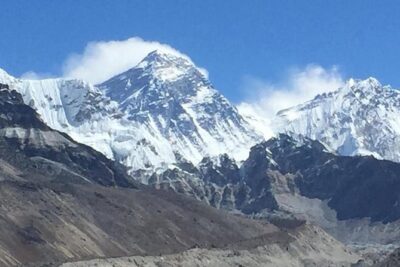
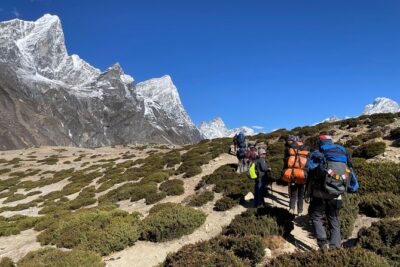
The real prize here is not just reaching Everest Base Camp. It is the slow climb through Sherpa country, where Namche Bazaar, Tengboche, stone villages, prayer flags, and giant peaks become part of your daily view. The final climb to Kala Patthar gives you the clearest high-point panorama of Everest, Lhotse, Nuptse, and Ama Dablam.
I like the careful acclimatization days at Namche and Dingboche, and I like that the package handles permits, domestic flights, airport transfers, lodging, and guide costs. The main catch is altitude, plus the fact that Lukla flights can be cancelled by bad weather. You need patience, fitness, and travel insurance that covers emergency medical evacuation.
Key points to know before booking
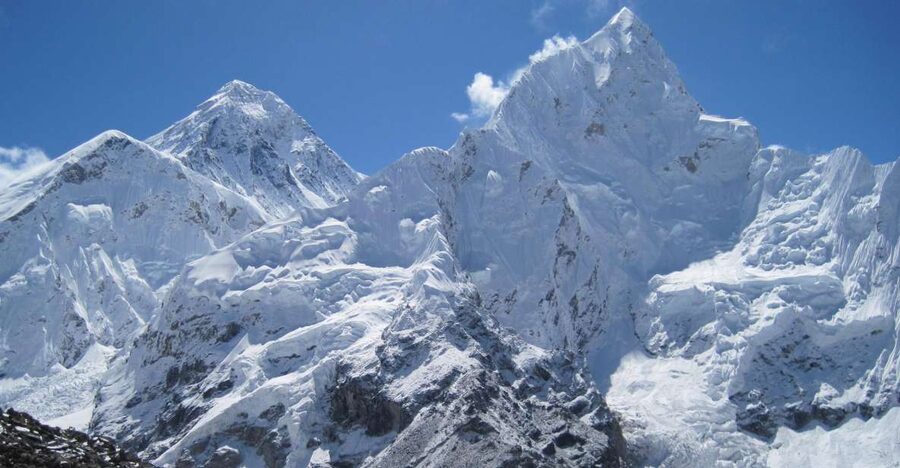
- Kala Patthar is the visual high point: At 5,545 meters, this sunrise hike gives you a powerful view toward Everest and its neighboring peaks.
- Lukla begins the adventure: The flight from Kathmandu to Lukla is short but weather-sensitive, so build flexibility into your plans.
- Namche is more than a stopover: The two to three hour acclimatization walk lets you experience the Sherpa heartland without rushing higher.
- Two acclimatization days help: Rest periods at Namche Bazaar and Dingboche are important parts of the trek, not wasted time.
- The guide support has been a strong point: Anjan and Padam are among the named guides from recent trips, with Hari handling tour arrangements on some departures.
- Meals cost extra: Breakfast, lunch, dinner, drinks, and hot showers during the trek are not included in the $1,296 price.
What the 14-day Everest trek really involves
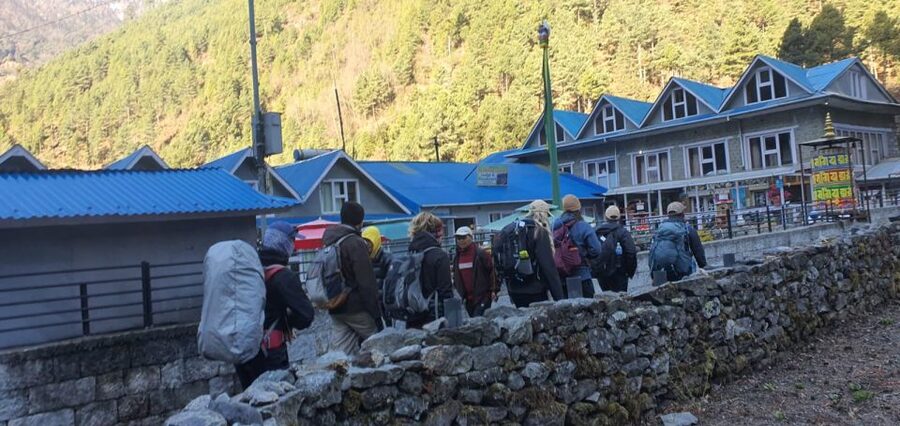
This is a serious high-altitude walk, not a sightseeing tour with a few mountain views added. You will spend several days above 3,000 meters, reach 5,364 meters at Everest Base Camp, and climb to 5,545 meters at Kala Patthar.
The route is paced to allow your body time to adjust. That matters. The rest day at Namche and the acclimatization day at Dingboche reduce the risk of pushing too hard too quickly, though no itinerary can remove altitude illness completely.
You will sleep in lodges and tea houses rather than standard hotels once you leave Kathmandu. The package provides a guide, permits, domestic flights, and trek accommodation. It also includes a jacket, sleeping bag, and duffle bag if required, which can save you money and luggage space.
The cost is $1,296 per person. That is a useful price when you count the Kathmandu hotel nights, Kathmandu to Lukla flight ticket, national park fees, guide expenses, airport transfers, and lodge accommodation. You still need to budget for three daily meals, drinks, showers, personal gear, insurance, and possibly porter costs.
There is an important detail to clarify before paying: the information says guide and porter expenses are covered, but also says porters are not included and that one porter is assigned for two people. Ask exactly what porter service your booking includes. That single question can prevent an awkward surprise in Kathmandu.
More Everest Base Camp treks:
- Everest Base Camp Trek – 14 Days
★ 5.0 · 1,499 reviews - Everest Base Camp Trekking
★ 5.0 · 485 reviews - Everest Base Camp Trekking – 13 Day
★ 5.0 · 365 reviews
Kathmandu arrival and the flight to Lukla
Your first day is simple. A representative meets you at Tribhuwan International Airport and transfers you to your Kathmandu hotel. Two nights of standard accommodation with breakfast are included, with the second Kathmandu night coming after the trek.
The first day is useful for settling in, checking equipment, and meeting the English-speaking guide. Do not treat it as spare time to fill with a demanding city tour. You want to begin the mountain section rested and ready.
On day two, you fly from Kathmandu to Lukla at 2,850 meters. Lukla is widely known for its extreme mountain airport setting, and the flight is part of the experience. It is also the trip’s biggest logistical weak spot. Poor weather can stop flights for several days.
A July departure showed why flexibility matters. When flights could not operate, the planned trek was cancelled and an alternative base camp route was arranged after several attempts to depart. The guide still provided strong support, but the original Everest route could not go ahead.
For that reason, I would avoid placing an important international connection immediately after the trek. The itinerary returns you to Kathmandu on day 13 and gives you a final evening there, which is helpful. Still, a little extra breathing room is wise if your onward flight is fixed.
Phakding gives you a gentle first walking day
After landing in Lukla, you walk to Phakding at 2,640 meters. The stated walking time is four to five hours, making this a manageable introduction to the trail.
The first day is less about dramatic altitude gain and more about finding your walking rhythm. Your guide will help set the pace, and you will stay in a tea house. Since meals are not included, you can choose and pay for food along the route.
Remember that even a short mountain day can feel tiring after an early flight. Keep your daypack light, drink regularly, and do not race ahead simply because the distance looks modest.
Namche Bazaar is the social heart of the trek
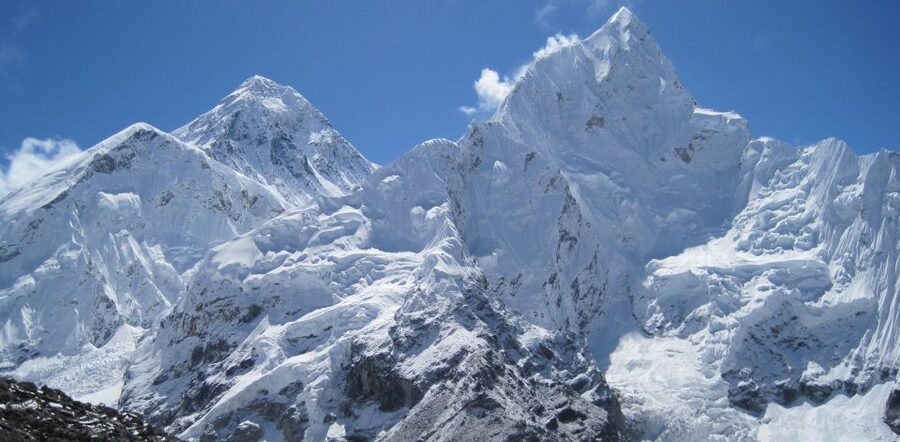
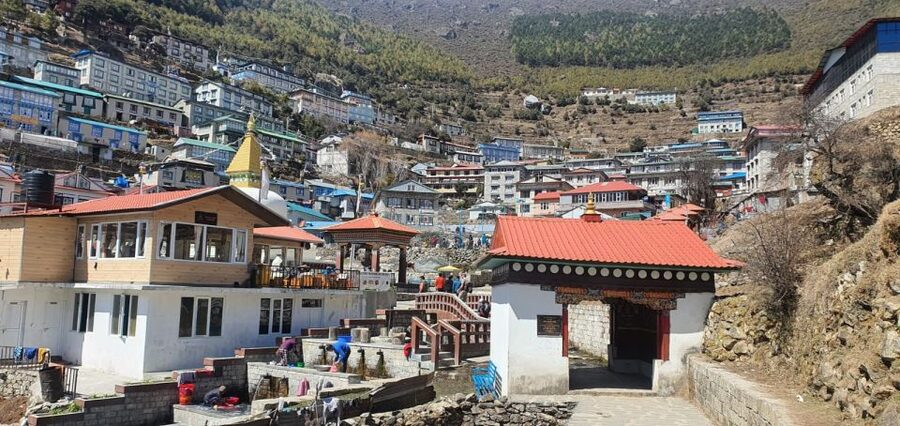
The walk from Phakding to Namche Bazaar takes six to seven hours and brings you to 3,440 meters. This is one of the more demanding early days because the route gains height and Namche becomes your first major high-altitude base.
Namche Bazaar is the Sherpa center of this trek. It is the place to pause, look around, and understand that this is a lived-in mountain region, not just a route to Everest. You will have time to experience the town during the following acclimatization day.
The planned excursion lasts two to three hours. That short walk is valuable because it lets you gain some height without moving your sleeping altitude. The basic rule on a trek like this is simple: climb gradually, rest properly, and pay attention to how you feel.
Your guide matters most here. Clear English, steady pacing, and calm decisions make a difference when the group is tired. Recent trips have named Anjan and Padam as guides, while Hari has been praised for staying reachable and sorting out requests. The operator has also received strong marks for helpful guide service and trip organization.
More day hikes and treks in Kathmandu:
- Nagarkot Sunrise View and Day Hiking from Kathmandu
★ 5.0 · 471 reviews - Annapurna Circuit Trek with Tilicho Lake
★ 5.0 · 368 reviews - Everest Base Camp Trek -14 Days
★ 5.0 · 321 reviews - Annapurna base camp trek 5 Days
★ 5.0 · 252 reviews
Tengboche adds monasteries and big mountain views
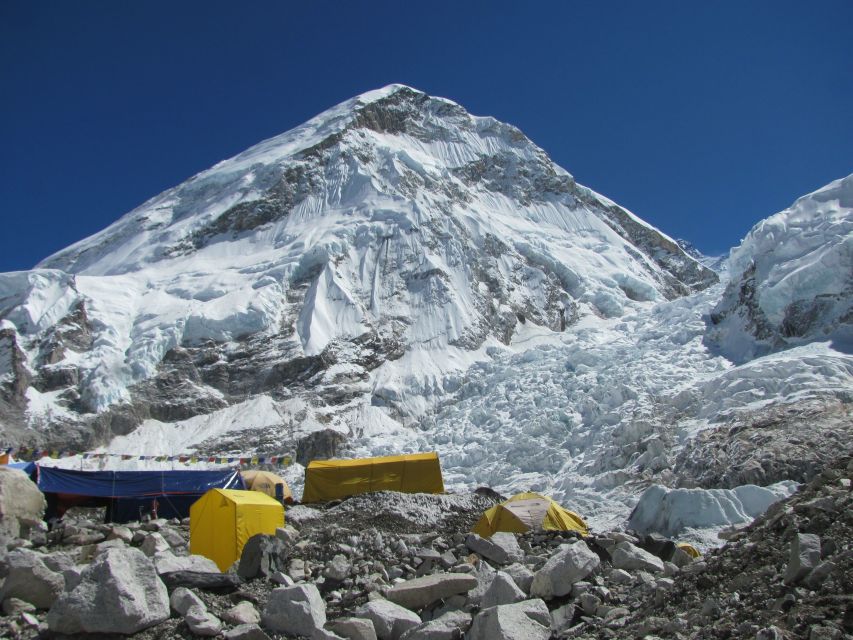
Day five takes you from Namche to Tengboche at 3,870 meters. The walk is listed at five to six hours.
Tengboche is special because the setting combines Sherpa religious culture with an impressive mountain backdrop. The route is no longer simply a mountain walk. It becomes a cultural journey through the Khumbu, with Buddhist influence visible in the villages and monastery area.
This is also a day when you may notice the altitude more clearly. Your legs have already worked for several days, and the air is thinner. Walk slowly, keep warm, and let the guide know about headaches, nausea, unusual tiredness, or breathing trouble.
The tea house nights are practical rather than luxurious. Some recent trips included showers described as lukewarm, which is a fair picture of mountain comfort. Hot showers are specifically excluded from the price, so treat them as an optional extra rather than an expected service.
Dingboche is where acclimatization becomes serious
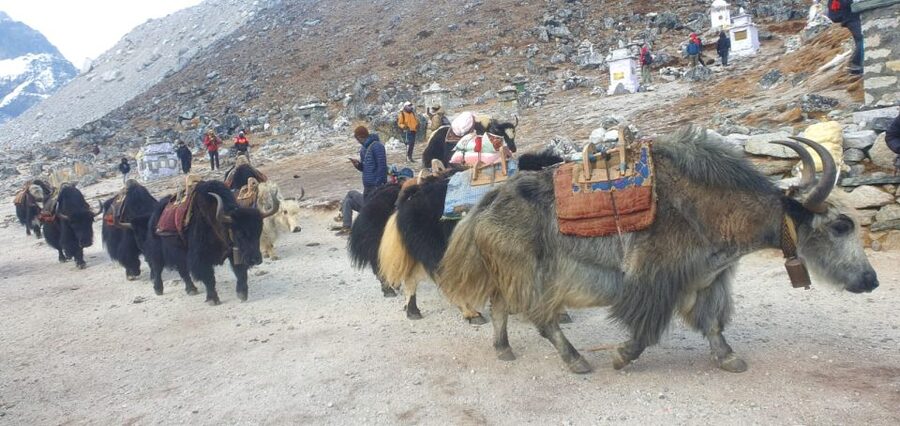
The next walk goes from Tengboche to Dingboche at 4,410 meters, again taking five to six hours. Dingboche feels like a major stage in the trek because you are now well above the usual altitude of a low mountain holiday.
Day seven is set aside for further acclimatization. This is one of the best features of the schedule. You have time to rest and take a short outing rather than gaining height every day without pause.
You should use this day sensibly. It is not the time to prove how strong you are. Eat, drink, keep your clothing dry, and follow the guide’s advice. Altitude affects people differently, including those who are fit and experienced.
The route is demanding enough that this trek is not suitable for people with mobility impairments, serious heart problems, or pregnancy. You should also carry valid travel insurance that includes emergency medical evacuation. It is not included, and at these heights it is a basic safeguard, not a luxury.
Lobuche and Gorak Shep bring Everest within reach
On day eight, you walk from Dingboche to Lobuche at 4,940 meters. The schedule gives five to six hours for the day.
At Lobuche, the altitude is high enough that the simple tasks of eating, sleeping, and walking may take more effort. You will want warm layers, good socks, and a sleeping bag suited to cold conditions. A sleeping bag is available to use through the tour if required, but confirm the arrangement before departure.
Day nine takes you from Lobuche to Gorak Shep at 5,170 meters. From there, you continue to Everest Base Camp at 5,364 meters before returning to Gorak Shep for the night.
This is the day many people picture when they book the trek, but it is not a quick photo stop. You first need to reach Gorak Shep, then walk to Base Camp, then return. The route is demanding because of both distance and altitude.
The view from Base Camp is tied to the climbing season and conditions, so do not expect a single fixed scene. The larger reward is being in the Everest climbing region, surrounded by the peaks that have shaped the history of Himalayan mountaineering.
Food becomes especially important at this stage. Breakfast, lunch, and dinner are extra, and drinks are extra as well. You should budget for meals each day and keep snacks available. A past trek participant described the mountain food as a welcome surprise, but tastes and menus will still be simple compared with city dining.
Kala Patthar is the high point of the route
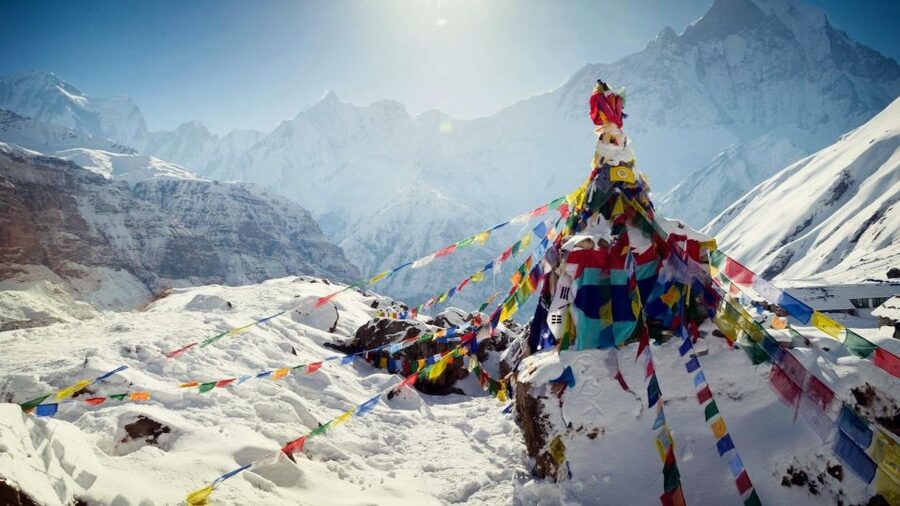
Day ten starts with the climb from Gorak Shep to Kala Patthar at 5,545 meters. You then descend to Pheriche at 4,371 meters.
Kala Patthar is not Everest’s summit, and it is not Everest Base Camp. It is the viewpoint that often gives you the clearest broad view toward Everest, Lhotse, Nuptse, and Ama Dablam. The route’s greatest visual payoff comes from this high ridge.
The climb is short in distance compared with a full trekking day, but the altitude makes it hard. You will need to move slowly and stay close to the guide’s instructions. Once you reach the high point, the descent to Pheriche is a welcome change.
This day also shows why the itinerary is designed as a loop through different overnight stops rather than a series of rushed out-and-back walks. You gain altitude carefully, reach the high points, then lose it steadily.
Three days of descent return you to Kathmandu
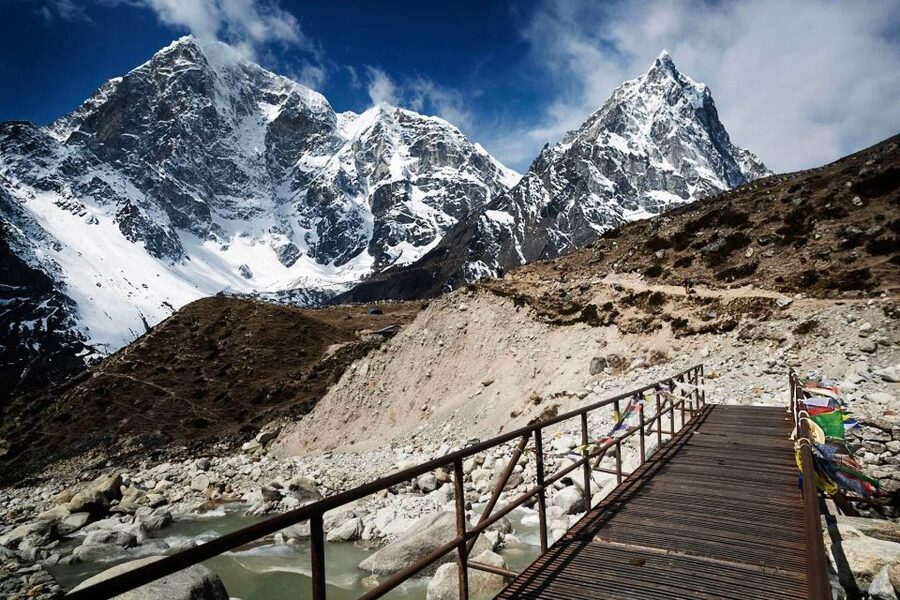
After Pheriche, you descend for the next three days. The supplied schedule does not give the precise overnight villages for each day, so your guide will confirm the day-by-day route.
The descent is easier on your lungs but not always easy on your knees. Trekking poles can help, and good footwear matters even more when the trail is tired underfoot. Keep some energy in reserve rather than assuming the hard work is finished after Kala Patthar.
You return to Kathmandu on day 13 and spend the final evening there before departure on day 14. Airport pickup and drop-off are included in Kathmandu, along with the initial transfer from Tribhuwan International Airport.
What is included, and what you still pay for
The package covers several large costs:
- Private airport transfers in Kathmandu
- Domestic airport transfers
- Two Kathmandu hotel nights with breakfast
- Kathmandu to Lukla and return flights
- Trekking lodges and tea houses
- Guide salary, food, accommodation, transport, and insurance
- Sagarmatha National Park entry fees and permits
- Jacket, sleeping bag, and duffle bag when required
You pay separately for breakfast, lunch, and dinner during the trek, plus lunch and dinner in Kathmandu. Alcoholic and non-alcoholic drinks are not included, and neither are hot showers.
The biggest point to settle is porter coverage. The information says one porter serves two people but also lists porters as not included. Ask for the exact porter policy, baggage weight limit, and any extra charge.
Free cancellation is available up to 24 hours before departure, and you can reserve while paying later. Those terms help if your plans are still moving, but they do not solve the weather problem at Lukla. Your flights and insurance remain the serious practical concerns.
Who should book this trek?
You should consider this trip if you want a structured first Everest Base Camp experience and prefer having a guide organize the difficult parts. It suits people who can walk for five to seven hours on several days and handle basic tea house accommodation.
You will probably like it if Sherpa culture matters as much to you as the mountain views. Namche Bazaar and Tengboche give the route a human and religious dimension, while the acclimatization days create time to adjust rather than simply rush upward.
You should think twice if you need comfortable hotels, fixed transport times, included meals, or guaranteed flights. You also need to be comfortable with cold conditions, limited shower access, altitude, and possible changes caused by weather.
Should you book it?
I would book this trek if you want a guided, value-focused route with the major Everest milestones built in: Lukla, Namche, Tengboche, Everest Base Camp, and Kala Patthar. The strongest points are the sensible acclimatization schedule, the range of included logistics, and the guide support associated with names such as Anjan, Padam, and Hari.
Before booking, get written answers about porter costs, meal budgets, flight delays, and the exact emergency plan. If you can allow schedule flexibility and arrive prepared for a demanding high-altitude walk, this is a solid way to experience the Khumbu without arranging every permit, transfer, and lodge yourself.
FAQ
How long is the Everest Base Camp and Kala Patthar trek?
The experience lasts 14 days, including arrival and departure arrangements in Kathmandu, the trek, domestic flights, and a final evening in Kathmandu.
What altitude does the trek reach?
Everest Base Camp is at 5,364 meters, while Kala Patthar reaches 5,545 meters. The route also includes Namche Bazaar at 3,440 meters, Tengboche at 3,870 meters, Dingboche at 4,410 meters, Lobuche at 4,940 meters, and Gorak Shep at 5,170 meters.
Are meals included during the trek?
No. Breakfast, lunch, dinner, and alcoholic and non-alcoholic drinks during the trek are not included. Lunch and dinner in Kathmandu are also not included.
Are domestic flights included?
Yes. The Kathmandu to Lukla and Lukla to Kathmandu flight ticket is included, along with domestic airport transfers by car.
Is a guide provided?
Yes. The tour includes an experienced, English-speaking guide. Guides named on recent trips include Anjan and Padam, with Hari handling arrangements on some departures.
Is travel insurance included?
No. You need valid travel insurance with medical evacuation coverage for emergencies. This is especially important because the trek reaches more than 5,500 meters.
Just added around Kathmandu
- Traditional Momo Making Class★ 5.0 · 10 reviews
- Wildlife Adventure in Chitwan Nepal★ 4.0 · 4 reviews
- Walking tour of real Kathmandu through back streets.★ 5.0 · 3 reviews
- Kathmandu 2 Nights 3 Days Chitwan Jungle Safari Tour★ 5.0 · 9 reviews
- Kathmandu Street Food Walking Tour – Eat Like a Local★ 5.0 · 3 reviews
- Private Manaslu Circuit Trek at Himalayas★ 5.0 · 3 reviews
- Walking tour of Kathmandu with awesome local guides★ 5.0 · 4 reviews
- Visit Swayambhunath and Bauddhanath Stupa with Guide★ 5.0 · 5 reviews
Everest Base Camp Treks from Kathmandu, compared.
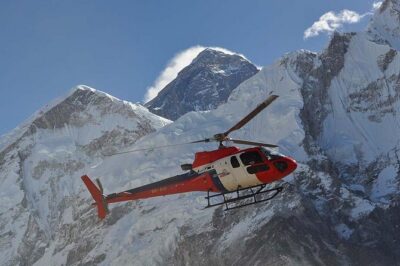
Everest Base Camp Trek with Helicopter Return from Gorakshep to Lukla
Read our review →Browse the lists this tour appears in