
Reviewed · KATHMANDU COOKING CLASSES
Kathmandu: 3-Hours of Cooking Class with Meals
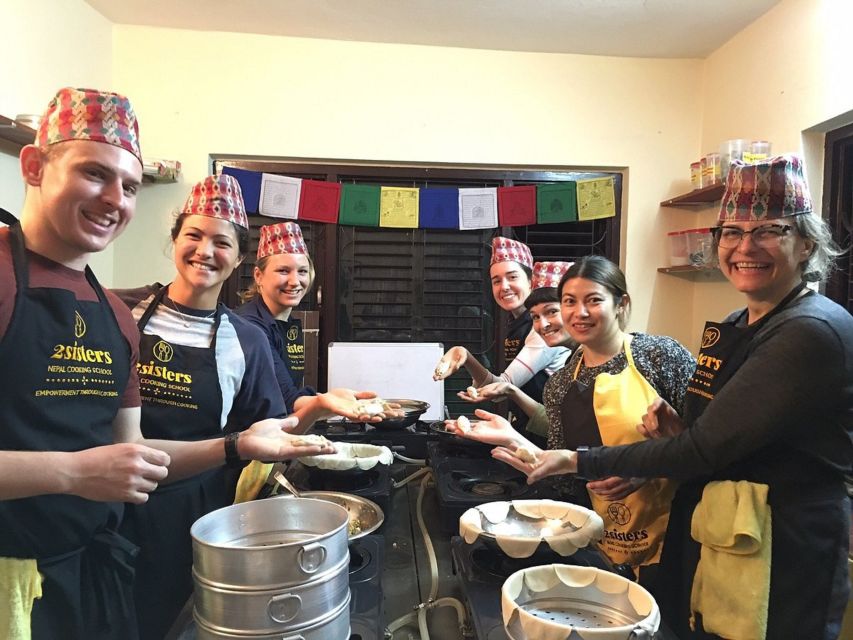
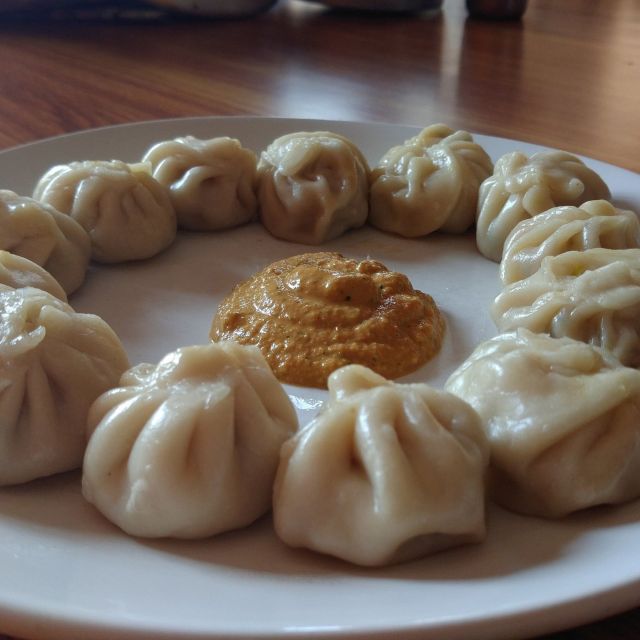
Kathmandu’s best food lesson may be the one that ends with a plate of momos you made yourself. This hands-on class takes you from ingredients to finished meal, with an instructor guiding each step in English or Hindi. You may also visit nearby shops to see and choose fresh ingredients before cooking.
I like the chance to pick from three menus, and I like that you can adjust the chili and seasoning to suit your taste. Hotel pickup, lunch, ingredients, equipment, and masala tea are included. The one catch is timing: the activity is advertised as three to four hours, but one participant found the actual cooking time shorter than four hours, and a market visit may not happen during festival periods.
Key points to know before you book
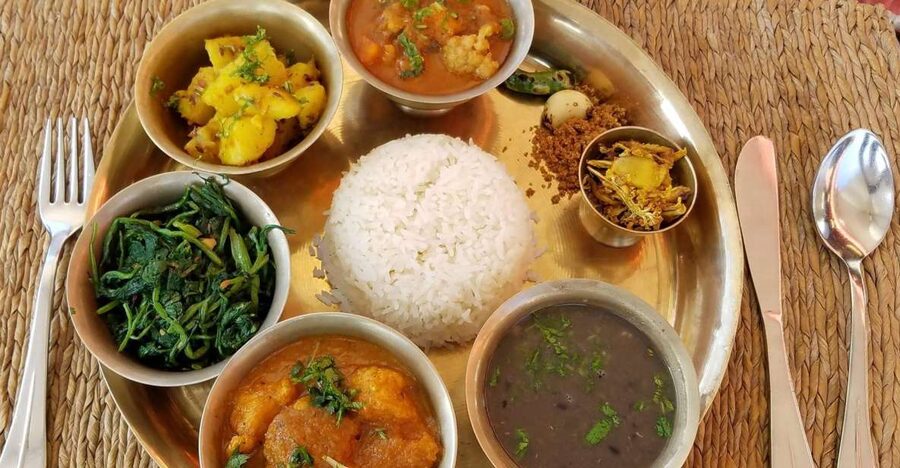
- Momos are included: You will prepare Nepal’s famous filled dumplings as part of the meal.
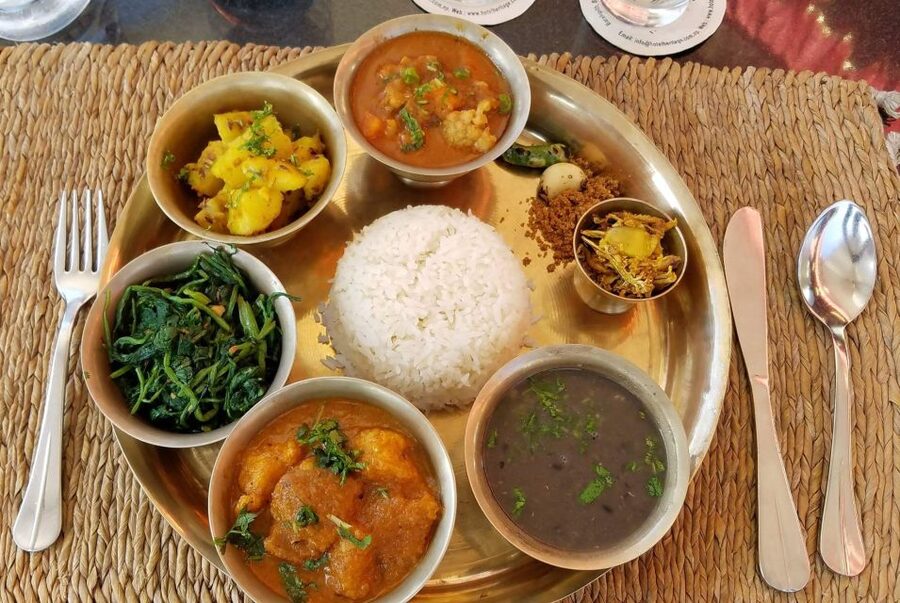
- Three menus offer choice: Each menu includes four traditional Nepali dishes, giving you a useful range of flavors and cooking methods.
- The class is genuinely hands-on: You do the preparation and cooking rather than simply watching a demonstration.
- Fresh ingredients may come from local shops: A market or shop visit is part of the intended experience, though festival schedules can affect it.
- Pickup makes the class simple: Hotel pickup and drop-off are included, and you should wait in your lobby five minutes before collection.
- The price is unusually low: At the listed $2.15 per person, the value looks excellent, though you should confirm the current price and availability before paying.
Starting with fresh ingredients in Kathmandu
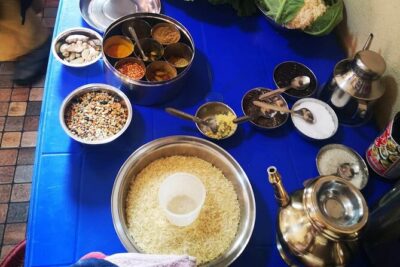
The class begins with more than a kitchen lesson. Depending on the day, you may go with the cooking team to local shops to see the ingredients used in Nepali food and help choose what goes into your meal.
I like this part because it connects the finished dish with everyday food shopping. You are not simply handed a bowl of anonymous ingredients. You get a better sense of what Nepali cooking depends on, and you can ask questions before the chopping begins.
The market visit is not guaranteed in every situation. One participant attended during festival season and could not go to the market, though the cooking class itself still went ahead. If seeing ingredient shopping is important to you, ask about the plan when you book.
Do not expect a long food tour. The main purpose is cooking, and the shopping stop is a useful introduction rather than a separate market excursion. Still, it gives the meal a local setting and helps you understand the food before you sit down to eat it.
More cooking classes in Kathmandu:
- Half day cooking class in Thamel kathmandu
★ 5.0 · 607 reviews - Kathmandu: Local Women-Led Nepali Cooking & Momo Class
★ 4.9 · 360 reviews - Kathmandu: Local Lead Nepali Cooking & Momo-Making Class
★ 5.0 · 212 reviews
Choosing one of three four-dish menus
You will have three menu choices, with four traditional Nepali dishes in each. The information provided does not name every dish in each menu, so you should check the current options if you have allergies, dietary restrictions, or a strong preference for a certain type of food.
The menu format is a good idea. Four dishes give you more than one taste without turning the class into a rushed cooking marathon. You can compare different flavors and textures, then see how the dishes fit together as a meal.
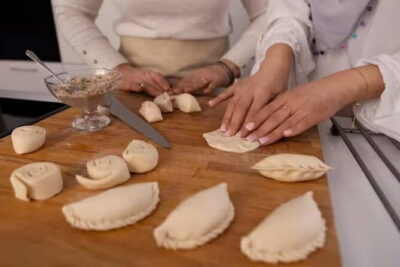
Momos are included, which is especially useful if this is your first cooking activity in Nepal. These filled dumplings are among the country’s best-known foods, and making them gives the class a clear practical focus. You learn more when you shape and cook the food yourself than when you simply order a plate at a restaurant.
The class also lets you adjust the seasoning. If you enjoy heat, you can add more chili. If you prefer gentler flavors, you can keep the spice level low. That small choice matters. Nepali food is not one fixed flavor, and cooking your own meal lets you make it comfortable for your palate.
Cooking step by step with an English or Hindi instructor
The instructor leads you through each dish in order, with the necessary ingredients and equipment supplied. No previous cooking skill is required, so you do not need to arrive knowing how to fold a perfect momo or balance a spice mix.
I would expect the session to combine demonstration, preparation, and cooking. You learn one stage, complete it, and move on to the next. This approach works well for beginners because you can follow the process without having to remember an entire recipe at once.
The language choice is practical. Instruction is available in English or Hindi, and you can select the language that makes cooking directions easiest to follow. Clear communication matters here, since timing, heat, texture, and seasoning are difficult to understand from gestures alone.
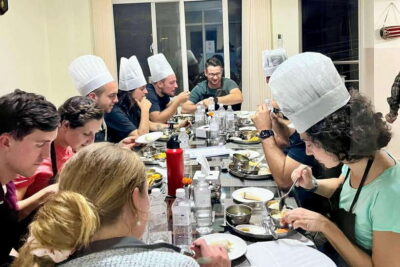
The cooking team has received especially warm praise for being kind, funny, and helpful. That is worth noting because a food class depends as much on the teaching style as on the menu. You will get more from the session if you feel comfortable asking questions and trying the work yourself.
The class appears to suit couples, families with older children, and small groups of friends. Children under five are not accepted, and the activity is not suitable for people with mobility impairments. Comfortable clothes are a sensible choice because you will be working with food for several hours.
Eating the meal while it is fresh
A major advantage is that lunch is part of the class. You cook the dishes, then eat what you have prepared while it is fresh and hot. Masala tea is included as well, giving the meal a simple Nepali finish.
This makes the experience more satisfying than a short demonstration. You are not left with a recipe and a polite goodbye. The food becomes the reward for the work, and you can taste how the seasoning changes from dish to dish.
I also like the chance to discuss the food while it is still in front of you. If a dish is hotter than expected or needs more seasoning, you can understand that through your own cooking rather than guessing from a menu description.
Cold drinks and alcoholic beverages are not included. Personal expenses are also your responsibility, so bring some cash if you want to buy anything extra. The listed inclusion is lunch and hot masala tea, not a full range of drinks.
Same city, a completely different sort of day:
- Everest Base Camp Trek – 14 Days
★ 5.0 · 1,499 reviews - Private Kathmandu Sightseeing Tour | UNESCO World Heritage sites
★ 5.0 · 756 reviews - Everest Base Camp Helicopter Tour landing at Everest View Hotel
★ 5.0 · 668 reviews - Everest Base Camp Trekking
★ 5.0 · 485 reviews
How the four-hour schedule really works
The activity is listed with a duration of four hours, while the description also calls it a three to four-hour class. That suggests some flexibility in the day, perhaps depending on the menu, shopping stop, or pace of the group.
One participant specifically noted that it did not feel like a full four hours of cooking. That is a useful warning if you are booking this because you want an extended professional-style workshop. The total activity may include pickup, ingredient shopping, preparation, eating, and return transfer, rather than four uninterrupted hours at the stove.
For most people, this is not a serious drawback. A class lasting roughly three to four hours is long enough to learn several dishes without consuming your whole day in Kathmandu. Still, keep your afternoon or morning flexible, especially since pickup and drop-off are included.
You should be ready in your hotel lobby five minutes before the scheduled pickup. The provider asks you not to bring luggage or large bags. Take a camera if you like, but keep your belongings light and manageable.
Starting times depend on availability. Check the offered time before booking, especially if you are arranging this around sightseeing, a flight, or a trekking transfer.
What the $2.15 price means for value
At the listed price of $2.15 per person, this is exceptionally inexpensive for a meal, an instructor, ingredients, equipment, hotel transport, and a multi-hour activity. If that price is available for your date, it is hard to find a cheaper way to turn lunch into a cultural experience.
I would still treat the price as something to verify during booking. Activity prices can change by date, currency, availability, or booking platform. The value remains strong even if the current price is higher than the figure shown here, provided the main inclusions stay the same.
The key question is what you want from a cooking class. If you want a polished culinary school with a long lesson focused only on technique, this may feel informal and shorter than expected. If you want an accessible introduction to Nepali food, a prepared meal, and a chance to cook with local guidance, the price is very attractive.
The included pickup adds value in Kathmandu, where getting across town can take more planning than the map suggests. You do not have to arrange a separate taxi for the class, and you can return to your hotel afterward.
The market visit, and when it may not happen
The ingredient-shopping portion is one of the most distinctive parts of the activity, but it needs a small qualification. Festival season can change local schedules, and one participant was unable to visit the market for that reason.
I would not book this solely as a market tour. Think of the shopping visit as a welcome extra connected to the cooking lesson. If it is available, you get to see the ingredients before they become lunch. If it is not, the main class still offers hands-on preparation and eating.
This is also a good reason to keep your expectations flexible. Kathmandu’s food traditions do not need a formal performance to be interesting. Choosing ingredients, learning how they are used, and sitting down to eat your own cooking can teach you plenty even without a separate market walk.
Who will enjoy this Kathmandu food class
I recommend it most to people who want a relaxed, practical introduction to Nepali cuisine. You do not need cooking experience, and the step-by-step format should suit beginners who would rather participate than watch.
It is also a good choice if you want a family-friendly activity, provided every child is at least five and can manage the physical demands of the class. The activity is not suitable for children under five or people with mobility impairments.
Food lovers will get the most from the variety. Four dishes per menu give you more to taste and compare, while the momos provide a familiar and memorable centerpiece. You can also tailor the spice level rather than accepting a fixed recipe.
I would choose another activity if you dislike group cooking, have serious dietary needs that have not been confirmed in advance, or want a detailed lesson lasting a guaranteed four hours. The supplied information does not identify the dishes in each menu or promise specific dietary substitutions, so ask before booking if that matters to you.
Practical details that make the day easier
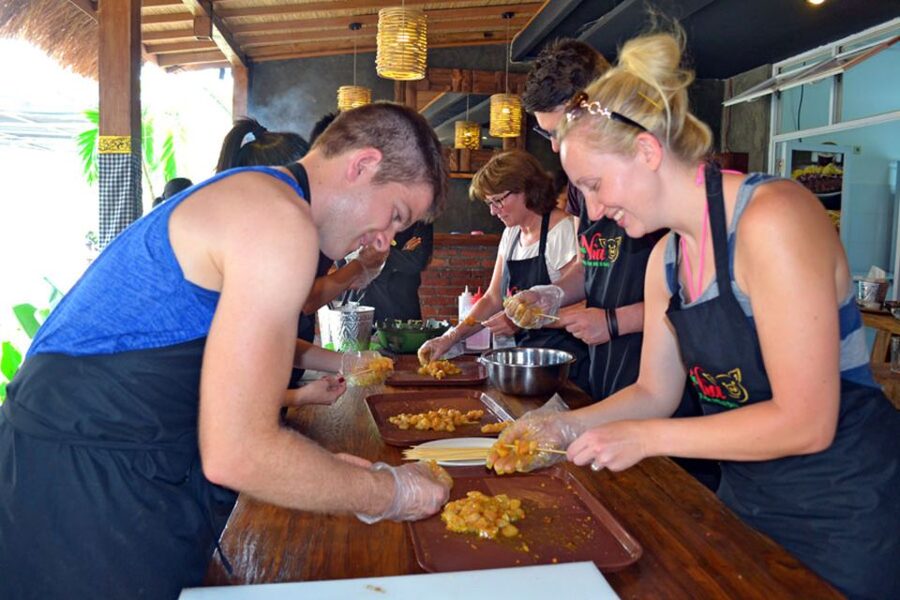
The provider is Cordial Trek Pvt. Ltd. Pickup and drop-off are included, and you should wait in your hotel lobby five minutes before the agreed pickup time for the representative.
Bring comfortable clothes, a camera, and cash. Leave large bags and luggage at your hotel. Cold and alcoholic beverages are not part of the package, while lunch and masala tea are included.
The class is offered in English and Hindi. Free cancellation is available up to 24 hours before the start time for a full refund, and the reserve-now, pay-later option lets you hold a place without paying immediately.
The activity has a listed score of 5 from 10 ratings. The strongest themes are the friendly cooking team, clear teaching, tasty food, and the pleasure of working together before eating together. The one practical concern is the variable length and the possibility that the market stop will be unavailable during festivals.
Should you book this cooking class?
Book it if you want to make and eat a Nepali meal, especially momos, without needing prior skill. The included transport, ingredients, equipment, lunch, and tea make the listed price remarkable, and the menu choice lets you shape the meal to your taste.
Skip it if your priority is a guaranteed four-hour kitchen session, a fixed market tour, or a highly technical cooking course. For most visitors, though, the combination of local ingredients, friendly instruction, hands-on work, and a fresh meal makes this a smart half-day addition to a Kathmandu itinerary.
FAQ
How long does the cooking class last?
The activity lasts about four hours in total, while the class is also described as taking three to four hours. The full time may include pickup, ingredient shopping, preparation, cooking, eating, and drop-off.
Are momos included in the cooking class?
Yes. Nepal’s famous momos are included among the dishes prepared during the class.
Is lunch included?
Yes. You eat the meal you prepare, and lunch is included. Masala tea is also provided.
Can I choose the food menu?
Yes. You can choose from three menus, and each menu includes four traditional Nepali dishes. The specific dishes in each menu are not provided here.
Is hotel transportation included?
Yes. Hotel pickup and drop-off are included. You should be ready in your hotel lobby five minutes before the scheduled pickup time.
What language is the class taught in?
The instructor can teach in English or Hindi.
Just added around Kathmandu
- Traditional Momo Making Class★ 5.0 · 10 reviews
- Wildlife Adventure in Chitwan Nepal★ 4.0 · 4 reviews
- Walking tour of real Kathmandu through back streets.★ 5.0 · 3 reviews
- Kathmandu 2 Nights 3 Days Chitwan Jungle Safari Tour★ 5.0 · 9 reviews
- Kathmandu Street Food Walking Tour – Eat Like a Local★ 5.0 · 3 reviews
- Private Manaslu Circuit Trek at Himalayas★ 5.0 · 3 reviews
- Walking tour of Kathmandu with awesome local guides★ 5.0 · 4 reviews
- Visit Swayambhunath and Bauddhanath Stupa with Guide★ 5.0 · 5 reviews
Kathmandu Cooking Classes, compared.
The best Private Nepali Cooking Class in Kathmandu
Read our review →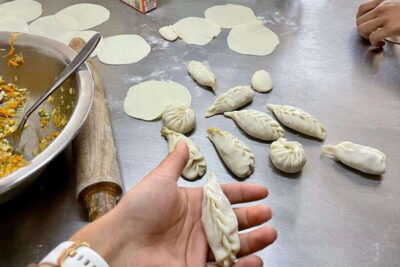
Browse the lists this tour appears in