
Reviewed · ANNAPURNA TREKS FROM KATHMANDU
Mardi Himal Trek Nepal
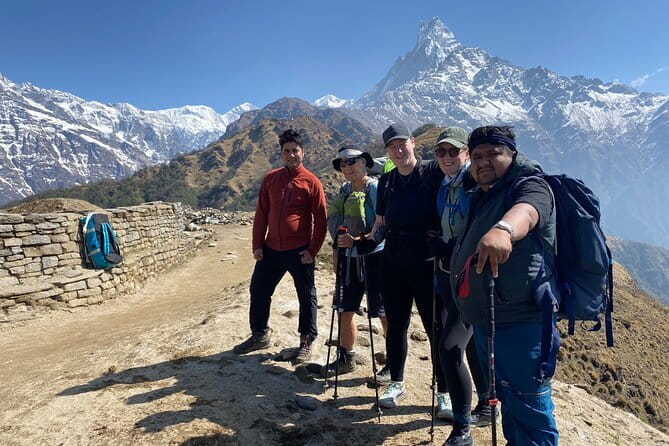
Mardi Himal gives you a taste of high Himalayan trekking without the crowds and long schedule of the Annapurna Circuit. The route moves from forest trails and alpine meadows to steep, open ridges facing Machapuchare, also called Fishtail, Annapurna South, and Hiunchuli.
I like the quieter route and the practical tea-house setup. I also like the package value: at $750 per person, it includes transport, guide and porter support, permits, accommodation, most trek meals, medical supplies, and airport transfers. The main caution is the altitude and the long 10-hour day to the upper viewpoint, so this is not a casual walk.
Key points before you book
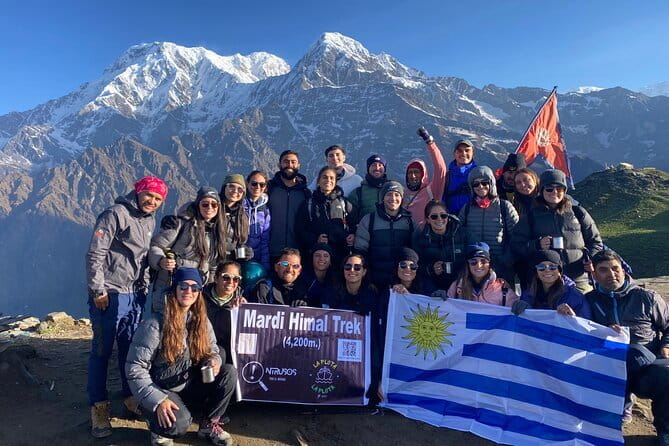
- A quieter Annapurna route: Mardi Himal offers mountain scenery with fewer people than the better-known Annapurna Circuit and Annapurna Base Camp trails.
- High point near 4,500 meters: The upper viewpoint brings the finest views, but the altitude and steep, narrow sections make Day 6 demanding.
- Tea houses replace camping: Lodges now line much of the route, giving you a bed and prepared meals instead of a full camping setup.
- Transport is part of the package: Tourist buses link Kathmandu and Pokhara, with private road transfers at the trailhead and after the trek.
- Small-group format: The maximum group size is 16 people, with guide and porter support included.
- Strong service focus: Nabin and the Magic Himalaya team receive repeated praise for attentive care, smooth arrangements, and adapting the route to group needs.
Why Mardi Himal feels different from the big Annapurna treks
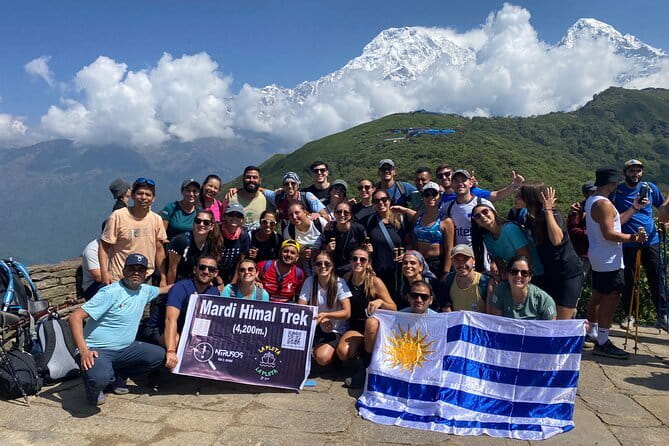
Mardi Himal is a short trek with a surprisingly sharp change in scenery. You begin among Nepal’s busy city streets, pass through Pokhara, and then walk into forest before reaching open mountain country. The route is still developing, but the old camping trail has changed into a tea-house trek with lodges along the way.
That change matters. You can carry a lighter daypack while porters handle the company duffel bags. You also have a bed, meals, and a basic place to rest each night. This makes the trek more approachable than a fully supported camping trip, though tea-house standards can vary and the mountain days remain physically serious.
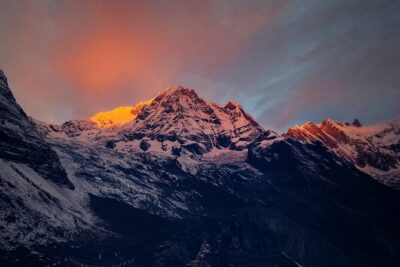
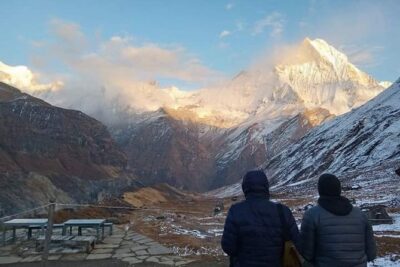
The reward is the view. Machapuchare dominates the route, while Annapurna South and Hiunchuli add a broad Himalayan backdrop. The upper ridge gives you a more exposed mountain setting than the early forest days, with open views in several directions.
I would choose this trek if you want a compact introduction to Nepal’s high country and prefer a quieter trail. I would not choose it if you want a leisurely holiday with short walks every day. The schedule includes steep climbs, uneven ground, altitude, and one especially long day.
More Annapurna treks:
- Annapurna Circuit Trek with Tilicho Lake
★ 5.0 · 368 reviews - Annapurna base camp trek 5 Days
★ 5.0 · 252 reviews - Annapurna Base Camp Trek
★ 5.0 · 111 reviews
Day 1: Kathmandu arrival and a Thamel briefing
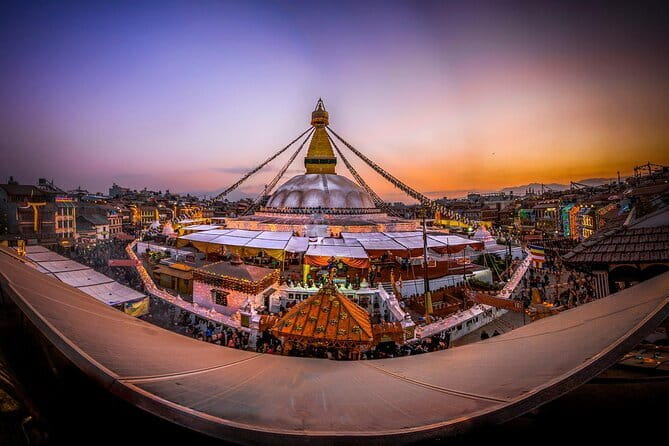
Magic Himalaya picks you up at Kathmandu airport and transfers you to your hotel in Thamel. The first day is mainly about getting settled, meeting the team, and learning how the trek will run.
An evening visit to the Magic Himalaya office gives you time to discuss the route and ask practical questions. Use it to confirm the departure time, meal arrangements, porter luggage, and the equipment you still need to supply yourself.
Kathmandu meals are not included, apart from the farewell dinner and company celebration. You will need to budget separately for lunch and dinner in both Kathmandu and Pokhara, along with drinks and personal purchases.
The stated meeting time is 1:15 am, which deserves clarification before you go. It may relate to an airport transfer or a specific departure arrangement, so ask Magic Himalaya to confirm the exact time and place for your own booking.
Day 2: The long road from Kathmandu to Pokhara
After breakfast, your guide takes you to the tourist bus station for the journey to Pokhara. The drive is listed at about six to seven hours, though road conditions can affect the timing.
This is not a glamorous transfer, but it is part of the Nepal experience and keeps the package price down. You avoid the cost of a separate domestic flight and travel with the group by tourist bus. The vehicle is described as air-conditioned, which is useful on a long road day.
You spend the night in Pokhara with breakfast included. Pokhara is a sensible stop before the trek because it breaks up the long journey from Kathmandu and places you close to the Annapurna trailhead.
Day 3: Kande to Deurali through Australian Camp
A car or private vehicle takes you from Pokhara to Kande, where the walking begins. The first section leads toward Deurali, with lunch likely at Australian Camp.
Australian Camp is more than a meal stop. It is a viewpoint and an early chance to see the mountain range before the trail becomes more remote. It helps you understand the route’s rhythm: short road transfer, steady walking, a scenic rest, then a night at a mountain lodge.
The day is listed at about one hour for the Australian Camp stop, but the full walking time is not clearly stated. Ask for the expected total trek time, since the description combines several parts of the day.
You sleep at Deurali Villa. Accommodation and breakfast are included, while the package also specifies five included lunches and five included dinners during the trek. The exact meal allocation should be confirmed at the briefing.
More day hikes and treks in Kathmandu:
- Everest Base Camp Trek – 14 Days
★ 5.0 · 1,499 reviews - Everest Base Camp Trekking
★ 5.0 · 485 reviews - Nagarkot Sunrise View and Day Hiking from Kathmandu
★ 5.0 · 471 reviews - Everest Base Camp Trekking – 13 Day
★ 5.0 · 365 reviews
Day 4: Forest walking and the views from Low Camp
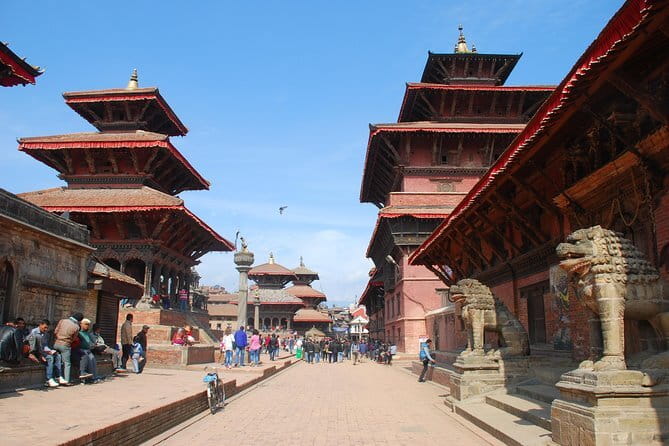
The trail continues through forest toward Low Camp. This section gives Mardi Himal its changing character. Instead of walking through open rock all day, you pass beneath trees before reaching wider Himalayan views.
Low Camp is important because the mountains begin to feel much closer and the vegetation starts to thin. You can expect views of the Himalayan range from camp, though cloud and weather will always affect what you see.
The day lasts about six hours. That is a solid mountain walk, but it is more manageable than the following push to High Camp. Your guide and porter support are included, as are accommodation, breakfast, lunch, and dinner for this night.
The included porter service is a real benefit here. You still need a daypack with water, warm layers, rain protection, and personal items, but you do not need to carry all your clothing and equipment uphill.
Day 5: The climb to High Camp
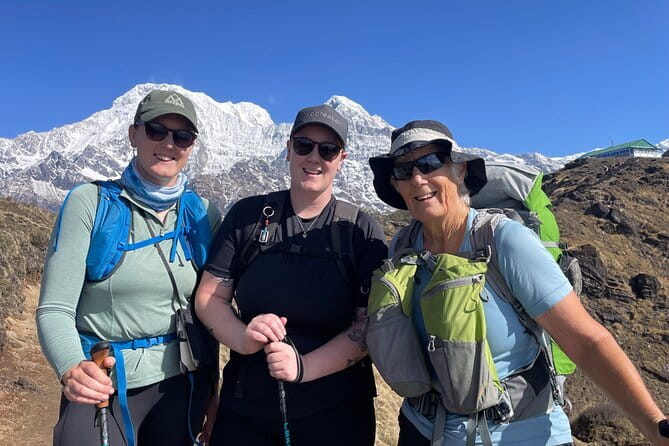
Today you walk upward to High Camp. The trees become thinner as you gain height, and the route begins to feel more exposed and alpine. The day is listed at about five hours, making it shorter than Day 4 but more demanding because of the climb and altitude.
Danphe, Nepal’s colorful pheasant, may be seen along the way. Wildlife sightings are never guaranteed, but the possibility adds interest to a route that is already changing from forest to open mountain terrain.
High Camp is the final overnight point before the upper viewpoint. It is also the place where altitude becomes a serious concern. The tour information describes the upper viewpoint as reaching about 4,500 meters, so you should pay attention to headaches, unusual fatigue, dizziness, or nausea and tell your guide promptly if you feel unwell.
The package includes medical supplies and a medical kit, but that does not replace travel insurance. Insurance covering trekking and rescue operations is specifically your responsibility. Rescue costs are not included.
Day 6: The upper viewpoint and the hardest walk
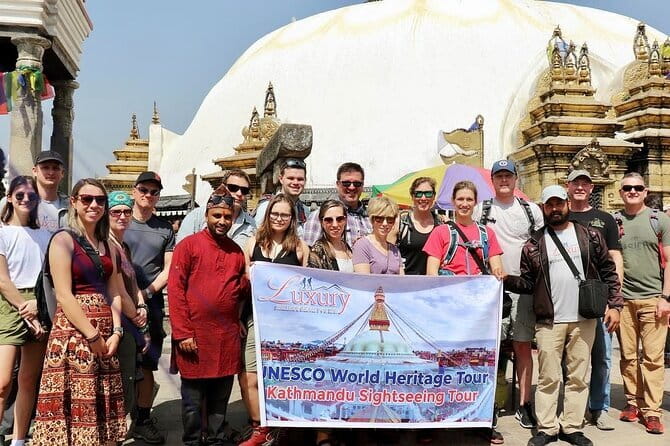
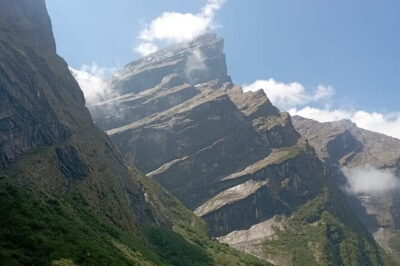
This is the headline day. From High Camp, you walk toward the upper viewpoint on a trail that includes climbs, descents, steep ground, and narrow sections. The path crosses pastures and follows a narrow ridge in places.
The total day is listed at about 10 hours. That is the key planning fact for this trek. You need a good breakfast, enough water, warm clothing, sturdy footwear, and patience. The route is not simply an uphill walk to a viewpoint, since you also descend and climb again along the ridge.
The reward is the broadest mountain scenery of the trip. From the high route, you can look toward Machapuchare, Annapurna South, and Hiunchuli. At roughly 4,500 meters, the view comes with a physical cost, and cold, wind, cloud, or snow can change the experience.
Your guide matters most on this day. The company’s service is repeatedly praised for close attention, and Nabin is described as checking on the group and helping make arrangements run smoothly. That kind of support is valuable when the trail becomes steep and the altitude affects your pace.
Do not treat the 10-hour estimate as a small detail. If you have limited mountain experience, ask how the guide handles a slower pace or a turnaround. The route can be adapted to group needs, but you should discuss your own limits before starting.
Day 7: A different route to Shiding Village
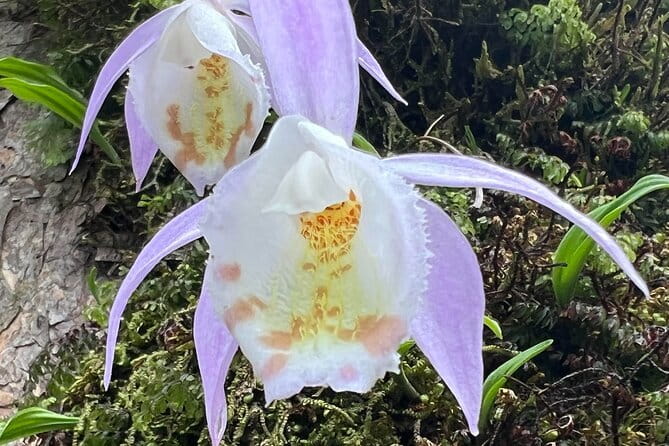
Rather than retracing the Mardi Himal trail, the group takes another route to Shiding Village. This gives the return journey some variety and lets you see a different side of the area.
From Shiding, a private jeep takes you back to Pokhara. The walking portion is listed at about five hours, followed by the road transfer. After several nights at altitude, returning to the city brings a welcome change: more space, easier access to food, and a comfortable base for the night.
Pokhara accommodation and breakfast are included, but lunch and dinner there are not. This is a good evening to plan your own meal and keep the schedule light after the descent.
Day 8: Returning to Kathmandu by tourist bus
After breakfast, you walk or take a short drive to the tourist bus park for the return journey to Kathmandu. The trip is expected to take six to seven hours.
Like the outward journey, this is a practical rather than luxurious part of the package. The bus keeps the cost below what a private vehicle or flight might require, but road delays are possible. Keep valuables and essential medication with you rather than in stored luggage.
You spend the final night in Kathmandu. The package includes a farewell dinner and company celebration, giving the group a chance to end the trek together. Kathmandu accommodation is not fully detailed in the supplied information, so confirm the hotel arrangements before booking.
Day 9: Airport transfer and departure
On the final day, Magic Himalaya picks you up from your hotel and takes you to the airport. The airport transfer is included, which is helpful after a trek when you may have extra luggage and little spare time.
International flights, departure taxes, Nepal’s entry visa, and personal spending are not included. You should also arrange suitable travel insurance before arrival, with trekking and emergency evacuation protection.
What the $750 price really covers
At $750, this package offers good value if you want a guided trek with the major costs bundled together. You receive Kathmandu to Pokhara and return transport by tourist bus, private transport to Kande, a jeep from Shiding to Pokhara, airport transfers, guide and porter salaries, accommodation, permits, required documents, a trekking map, and a company duffel bag for porter use.
The package also includes government tax, a medical kit with required trek medicine, and the company farewell dinner. Breakfast is listed for eight days, with five lunches and five dinners included. The meal count suggests that meals in Kathmandu and Pokhara are mostly outside the package, so confirm the exact schedule.
You must supply clothing and personal trekking gear. Drinks, alcoholic and non-alcoholic bar purchases, personal expenses, Kathmandu and Pokhara lunches and dinners, international flights, visa fees, departure tax, insurance, and rescue operations are extra.
For a nine-day Nepal trip, the price is strongest for people who value organization and porter support. It is less attractive if you already have local transport, permits, and accommodation arranged. The maximum group size of 16 keeps the experience from being fully private, but it is still far smaller than a large coach tour.
Who will enjoy this trek most
This route suits you if you have moderate physical fitness and want a high-altitude trek without committing to a much longer Annapurna route. The nine-day structure works well for a first Himalayan experience, especially if you want tea houses rather than tents.
You should be comfortable with long walking days and basic mountain accommodation. The 10-hour upper-viewpoint day, narrow trail sections, and altitude near 4,500 meters are the main tests.
The trek also suits people who like a mix of scenery. You get city time in Kathmandu, a road journey to Pokhara, forest, pasture, alpine terrain, mountain viewpoints, and a different descent route through Shiding.
It is less suitable if you need guaranteed comfort, short daily walks, or a fully private schedule. It is also not the right choice if you plan to rely on standard travel insurance that excludes trekking or high-altitude rescue.
Service, group size, and practical preparation
Magic Himalaya’s strongest feature is its hands-on service. Nabin, the owner, is described as staying involved and checking on the group, while the wider team is praised for friendly, attentive help. That matters on a route where transport, lodge stops, weather, and pace all need regular attention.
The company accepts a maximum of 16 people. That size gives you the social feel of a group trek without the scale of a large mass tour, though the pace will still need to suit several people.
Pack for changing conditions. You need all clothing and personal gear yourself, while the company supplies a duffel bag for the porter to carry. A daypack should hold your essentials, and your footwear should be suitable for steep, narrow, and uneven trails.
Book with the cancellation rule in mind. You can receive a full refund if you cancel at least 24 hours before the start time. Cancellations or changes made less than 24 hours before departure are not accepted for a refund.
Should you book the Mardi Himal Trek?
I would book this trek if you want impressive Annapurna views, a quieter trail, tea-house nights, and a company that handles the main logistics. The cost is reasonable for the included transport, permits, porter, guide, accommodation, meals during the trek, and airport service.
I would pause if you are not ready for altitude or a 10-hour mountain day. Before paying, confirm the 1:15 am meeting time, the exact hotels, the daily walking hours, the meal schedule, and how the guide manages a slow or unwell trekker.
For a fit visitor with nine days and a taste for mountain scenery, Mardi Himal offers a strong balance of challenge and comfort. You get a real Himalayan route, not just a viewpoint visit, with enough support to keep the logistics from taking over your trip.
FAQ
How long is the Mardi Himal Trek Nepal experience?
The experience lasts approximately nine days, including arrival in Kathmandu, transport to Pokhara, the trek, the return to Kathmandu, and airport departure transfer.
What is the price per person?
The listed price is $750 per person.
What mountain views can I expect?
The route offers views of Mount Machapuchare, also called Fishtail, along with Annapurna South and Hiunchuli. The clearest high views are expected around High Camp and the upper viewpoint.
How high does the trek reach?
The upper viewpoint is described as reaching about 4,500 meters.
Are guides and porters included?
Yes. Guide and porter salaries are included, along with a company duffel bag for the porter to carry.
Are meals included?
Breakfast is included for eight days. Five lunches and five dinners are also included, mainly during the trek. Lunch and dinner in Kathmandu and Pokhara are not included.
Is transportation included?
Yes. The package includes tourist bus transport between Kathmandu and Pokhara, private transport to Kande, a jeep from Shiding to Pokhara, and private airport pickup and drop-off.
Can I cancel for a full refund?
Yes. You can cancel at least 24 hours before the experience start time for a full refund. Cancellations or changes made less than 24 hours before the start time are not eligible for a refund.
Just added around Kathmandu
- Traditional Momo Making Class★ 5.0 · 10 reviews
- Wildlife Adventure in Chitwan Nepal★ 4.0 · 4 reviews
- Walking tour of real Kathmandu through back streets.★ 5.0 · 3 reviews
- Kathmandu 2 Nights 3 Days Chitwan Jungle Safari Tour★ 5.0 · 9 reviews
- Kathmandu Street Food Walking Tour – Eat Like a Local★ 5.0 · 3 reviews
- Walking tour of Kathmandu with awesome local guides★ 5.0 · 4 reviews
- Private Manaslu Circuit Trek at Himalayas★ 5.0 · 3 reviews
- Visit Swayambhunath and Bauddhanath Stupa with Guide★ 5.0 · 5 reviews
Annapurna Treks from Kathmandu, compared.
Kathmandu to Annapurna Base Camp (ABC) 5-Day Trek
Read our review →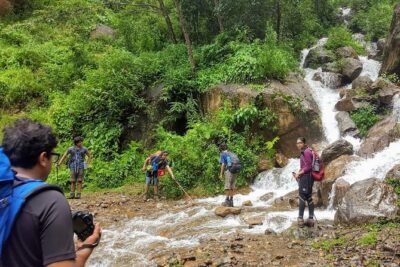
Browse the lists this tour appears in