
Reviewed · ANNAPURNA TREKS FROM KATHMANDU
Mardi Himal Trek
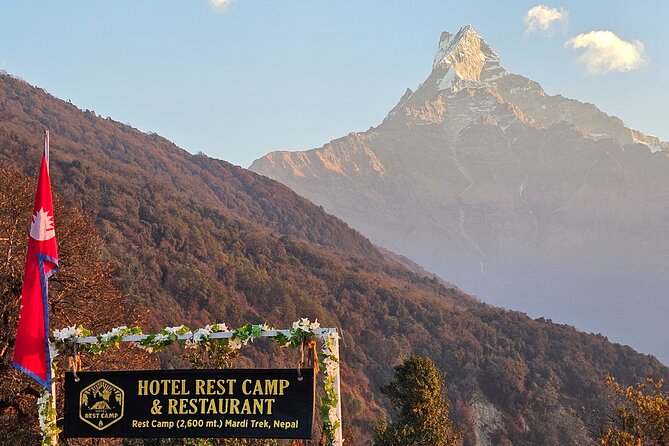
Mardi Himal earns its reputation on the climb to Mardi Base Camp at about 4,500 meters, where the views open toward the Annapurna Massif, Machhapuchhre, and Mardi Himal. The route mixes rhododendron woods, simple mountain lodges, high ridges, and a real sense of achievement without the length of the Annapurna Circuit.
I like the practical design: domestic flights connect Kathmandu and Pokhara, while permits, a guide, porter, sleeping bag, down jacket, and most meals are covered. I also like the private format, which gives your group more room to set a steady pace and adjust the route when weather or tired legs get in the way.
The catch is altitude. This is often described as a good first Himalayan trek, but moderate fitness is required, and the final climb can be hard on your knees and lungs. Cold weather, basic facilities, and a few long walking days are part of the deal.
Key points to know before booking
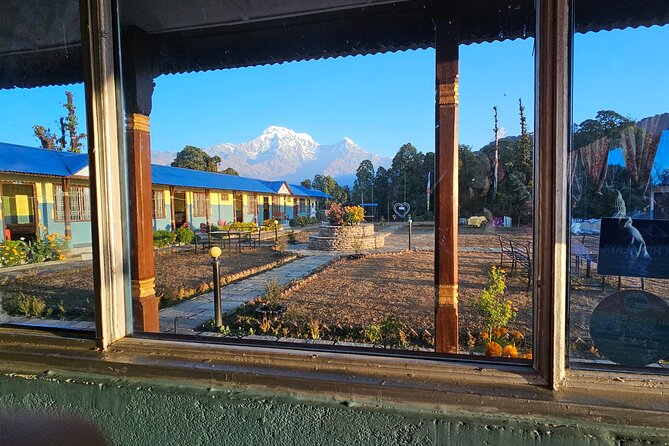
- Mardi Base Camp reaches about 4,500 meters, with the trek’s finest views near the upper viewpoint.
- The route passes through Deurali, Forest Camp, Low Camp, High Camp, Sidding, and Lwangghale.
- A private guide and porter are included, with Birendra named in several tour accounts as a guide on this route.
- Kathmandu and Pokhara flights, hotels, permits, and most meals are included in the $1,058 price.
- Spring brings rhododendron color, while higher sections become colder, more exposed, and more demanding.
- The 11-day plan includes Pokhara sightseeing and Kathmandu touring, not just time on the trail.
Why the Mardi Himal route works for a first Himalayan trek
Mardi Himal gives you a proper high-mountain experience without committing to a long expedition. The walking begins among forest and village paths, then rises through rhododendron and pine to open ridges near High Camp and Mardi Base Camp.
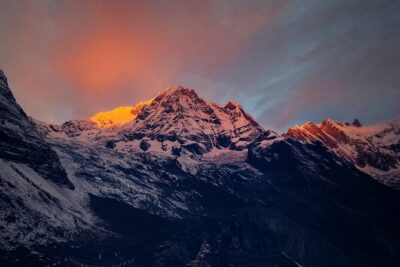
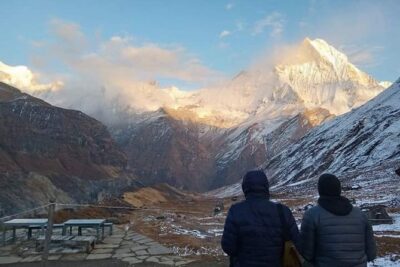
That change in scenery is the route’s great strength. Early on, you walk under trees and pass small settlements. Higher up, the view becomes the main event. The Annapurna Massif, Machhapuchhre, and Mardi Himal come into sight from the viewpoint and upper trail.
I would not call the trek easy. The company itself asks for moderate fitness, and the schedule includes walking days of roughly five to seven hours. The height is the bigger issue than technical difficulty. At over 3,000 meters, the itinerary shortens some walking days to help with adjustment, and you are urged to drink plenty of water.
This route suits you if you want mountain scenery, local lodges, and a guided experience, but do not want to carry every item yourself. It is also a sensible choice if you value a private group instead of joining a large shared departure.
More Annapurna treks:
- Annapurna Circuit Trek with Tilicho Lake
★ 5.0 · 368 reviews - Annapurna base camp trek 5 Days
★ 5.0 · 252 reviews - Annapurna Base Camp Trek
★ 5.0 · 111 reviews
Day 1: A soft landing in Kathmandu
You arrive at Kathmandu airport, complete your entry authorization, and meet a company employee or tour leader for the drive to Thamel. The first day is short, with about 30 minutes of listed activity, so it is mainly about checking in and getting settled.
That slower start matters. You may be tired from an international flight, and the next morning begins early with a flight to Pokhara. Use the evening to check your clothing, sort your daypack, and confirm that your cold-weather gear is ready.
Kathmandu accommodation is in a three-star hotel with breakfast included. Meals in the city are not generally included, so budget separately for lunch and dinner.
Day 2: From Pokhara to Kande and Deurali
The group takes an early domestic flight from Kathmandu to Pokhara, then drives to Kande. From there, the walk begins on a relatively gentle route toward Deurali, with about five hours of activity listed for the day.
This opening walk gives you a useful introduction to the pace. The trail gradually rises rather than throwing you straight into a hard mountain day. Deurali is also the point where the route begins to feel properly remote, even though the first section is not yet the most demanding.
Pokhara is more than a transport stop. It is the base for the trek and returns later in the itinerary for sightseeing. On the way back, you have time for lakeside meals and a guided tour of nearby sights.
Day 3: Deurali to Forest Camp through woodland
After a mountain meal in Deurali, you walk for roughly six hours toward Forest Camp. The route starts fairly level, then continues through woodland, with rhododendron trees providing color in spring.
This is one of the more appealing sections for people who enjoy walking rather than simply chasing a summit. The forest changes the mood of the trek. You have shade, birdsong, and a narrower trail before the wide mountain views appear higher up.
The accommodation is in the best available lodge, generally on a twin-sharing basis. Facilities on the trail are more basic than in Kathmandu and Pokhara. Drinks, WiFi, hot showers, and personal purchases cost extra, so keep some cash available and do not expect city comforts.
More day hikes and treks in Kathmandu:
- Everest Base Camp Trek – 14 Days
★ 5.0 · 1,499 reviews - Everest Base Camp Trekking
★ 5.0 · 485 reviews - Nagarkot Sunrise View and Day Hiking from Kathmandu
★ 5.0 · 471 reviews - Everest Base Camp Trekking – 13 Day
★ 5.0 · 365 reviews
Day 4: Forest Camp toward Low Camp
At more than 3,000 meters, the program reduces the distance to help your body adjust. After breakfast, the trail continues through mixed woodland, with lunch planned at Low Camp. The day is listed at about five hours.
This shorter schedule is a useful part of the design. Altitude is not something you can solve by fitness alone, and rushing upward can spoil the best part of the trek. A patient pace gives you time to notice how you are feeling before the trail becomes more exposed.
Low Camp marks a change in the character of the walk. The route is moving out of the thick forest and toward the open high-country sections. You should have warm layers ready even if the lower villages felt mild.
Day 5: A careful acclimatization day above 3,000 meters
The fifth day also runs for about five hours and is kept shorter because you are now above 3,000 meters. The stated aim is altitude adjustment, with regular hydration strongly encouraged.
This is not a throwaway day. You may feel fine at breakfast and sluggish a few hours later. Keep your pace steady, drink often, and tell your guide if you feel unwell. The value of a private tour is that the guide can pay closer attention to your group rather than managing a large crowd.
The trail leads toward the high camp area, where cold and wind become more serious concerns. A warm sleeping bag and down jacket are available from the company on request, but confirm before departure that you want them supplied.
Day 6: The main goal, Mardi Himal Base Camp
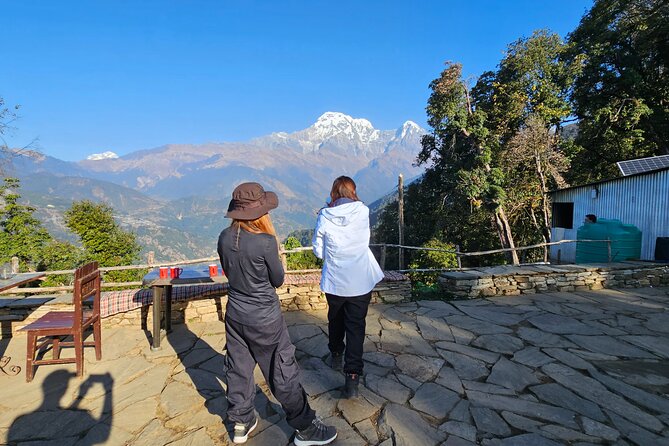
The longest and most rewarding day is the walk toward Mardi Himal Base Camp, with about seven hours listed. You start after breakfast and pass a viewpoint with broad views of the Annapurna peaks, Machhapuchhre, and Mardi Himal.
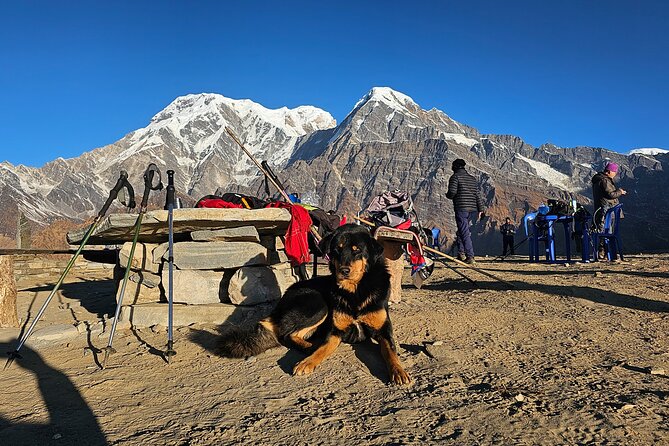
This is the day most people picture when they book the trek. The trail climbs higher, the air gets thinner, and the scenery becomes less sheltered. The effort feels worthwhile because the views are no longer framed by trees. You are walking into a high mountain setting with the major peaks spread before you.
The upper section can be tiring, especially around 4,500 meters. One account of the trek points out that the knees may feel worn by the final days, while another advises carrying enough warm clothing. Take both warnings seriously. Gloves, a hat, warm socks, and a properly insulated sleeping setup matter more here than an extra snack.
The company describes the final push as the emotional high point of the trek. That is understandable. Reaching the base camp is a clear physical goal, and the combination of altitude, cold, and mountain views gives the moment weight.
Day 7: Descending to Sidding
After breakfast at higher altitude, you descend toward Sidding for about six hours. The first part of the walk passes through rhododendron and pine, and lunch may take place at Low Camp depending on timing.
Downhill walking sounds easier than climbing, but it can be tough on your knees. Use trekking poles if you have them, keep your steps controlled, and avoid racing ahead. The descent is also a good chance to notice details you missed while climbing, especially the tree line and changes in vegetation.
Sidding brings the trip back toward village life and lower elevations. You are still walking for much of the day, but the direction is psychologically easier after the summit section.
Day 8: Village life and the route to Lwangghale
The walk to Lwangghale takes about six hours and is described as one of the most enjoyable days, with mostly flatter terrain. The destination has old-style ancestral houses and a more settled village feel than the high camps.
This is the kind of day that gives the trek balance. Mardi Base Camp provides the grand mountain goal, but villages such as Lwangghale show how people live along the route. You are not just moving between viewpoints. You are also passing through working communities and staying in locally run lodges.
Food is part of that experience. The tour includes eight lunches, eight dinners, and ten breakfasts, but drinks and personal snacks are extra. Carry a few small treats for the upper trail. At the same time, you do not need to panic about feeding yourself for the whole trek, since meals are arranged at the lodges.
Day 9: Tea gardens and the return to Pokhara
You rise early for a walk through the tea gardens around Lwangghale, timed for sunrise. After returning to the guesthouse for a final meal, the route continues toward Pokhara, with about five hours of activity listed.
The morning tea garden walk offers a gentler final look at the countryside. Sunrise timing means an early start, but the light can make this a memorable contrast to the stark high-altitude views from the day before.
Back in Pokhara, you return to a three-star hotel with breakfast included. The change from lodge life to a city hotel may feel luxurious, especially after several nights at altitude. Meals in Pokhara are mostly your own responsibility, except for the items specifically included.
Day 10: Pokhara sights after the trek
The itinerary gives you a full day in Pokhara, beginning with breakfast at a lakeside spot and continuing with a guided city tour. Listed sights include Davis Waterfall and Gupteswor Mahadev Cave.
This day is well placed. It gives your legs a break from the main ascent and descent while still making the most of Pokhara. The city portion also helps the trip feel like a Nepal holiday rather than a trek with airport transfers attached.
You should expect a change of pace here. The mountains remain visible around Pokhara, but the day is about local sights, food, and recovery. Since the tour is private, you can ask your guide about the timing of the included visits and leave some room for rest.
Day 11: Kathmandu and a final city tour
The final day returns you to Kathmandu, where a town guide takes you to popular cultural sites. The program allows about five hours for city touring before the activity ends back at the Mission Himalaya Treks and Expeditions meeting point in Thamel.
The supplied schedule does not list every Kathmandu sight by name, so do not book this expecting a fixed list beyond the general guided city tour. It does give you one last chance to see Nepal beyond the trail before your trip ends.
What the $1,058 price really covers
At $1,058 per person, the cost is easier to judge when you look at the package rather than the headline figure. It includes:
- Private ground transfers for airports, city movements, and sightseeing
- Kathmandu to Pokhara and return domestic flights, including the guide’s ticket
- Three-star hotels in Kathmandu and Pokhara with breakfast
- Trekking permits, including ACAP and TIMS
- A licensed, ministry-trained guide
- A porter with meals, accommodation, salary, and insurance
- Twin-sharing lodge accommodation during the trek
- Eight lunches, eight dinners, and ten breakfasts
- Taxes, GST, and company service charges
- A down jacket, sleeping bag, and duffel bag on request
That is a solid package for a guided private trek. The porter is especially useful because you can keep your personal daypack lighter while still carrying water and warm layers.
You still need to pay for international flights, a Nepal visa, travel and rescue insurance, city meals not listed as included, drinks, WiFi, hot showers, tips, and personal expenses. Insurance deserves special attention. It is not included, and you should check that your policy covers trekking at the planned altitude.
Guides, porters, and the value of a private group
Birendra is the guide most often named in the supplied tour comments. He is described as careful, friendly, professional, and good at taking photographs. The company also provides trained porters, and personal porter support can be arranged as part of larger groups.
You should confirm your assigned guide before departure, since staffing can vary. The important point is the structure: a licensed guide, porter support, meals and accommodation for the trekking team, and insurance for the guide and porter are included.
The private format is useful when weather changes or someone needs a slower pace. It does not make the mountain easy, but it can make the day more manageable. You are not tied to strangers with different fitness levels.
Best season, clothing, and practical preparation
Spring is especially appealing if you want rhododendron woods in flower. The route is attractive at other times too, but the upper camps remain cold, and the weather can affect the walking plan.
Pack for changing conditions rather than one fixed temperature. You need breathable walking clothes for lower sections and proper cold-weather layers for High Camp and Mardi Base Camp. A down jacket and sleeping bag can be requested from the company, but you should not assume that every item will appear automatically without confirmation.
The most useful habits are simple:
- Drink water throughout the day.
- Keep warm clothing in your daypack.
- Carry small snacks for high sections.
- Tell the guide early if altitude symptoms appear.
- Allow extra patience for flights and mountain weather.
- Budget for hot showers, WiFi, drinks, and tips.
Free cancellation is available up to 24 hours before the experience start time. Cancellations inside that period are not refundable, and changes made within 24 hours are not accepted.
Who should book the Mardi Himal Trek?
Book it if you want a private, guided introduction to high-altitude trekking, with domestic flights and city stays handled for you. It is a strong match for first-time Himalayan hikers who are fit enough for five to seven hours of walking and willing to accept basic lodge conditions.
You may want a different trip if you dislike cold, shared lodge rooms, long descents, or uncertain mountain weather. You should also think twice if you want a fully flexible holiday, since the trek has a clear 11-day structure and the cost is not refunded if you leave the trek early.
For the right person, the value is clear: the route is scenic, the logistics are largely bundled, and the climb to Mardi Base Camp gives you a real Himalayan goal without requiring a much longer expedition. If you prepare for altitude and bring enough warm clothing, this is a practical and memorable way to see Nepal on foot.
FAQ
How long is the Mardi Himal Trek experience?
The complete experience lasts approximately 11 days. It includes Kathmandu and Pokhara stays, the mountain trek, Pokhara sightseeing, and a final Kathmandu city tour.
What is the price per person?
The listed price is $1,058 per person.
What altitude does Mardi Base Camp reach?
Mardi Base Camp is listed in the tour information at about 4,500 meters.
Is the trek suitable for beginners?
The route is described as suitable for novice hikers, but you should have moderate physical fitness. The trek includes walking days of roughly five to seven hours and reaches high altitude.
Are domestic flights included?
Yes. Return domestic flights between Kathmandu and Pokhara are included, including the guide’s flight ticket.
Are permits included?
Yes. The package includes the required ACAP and TIMS permits.
Is accommodation included?
Yes. Kathmandu and Pokhara use three-star hotels with breakfast included. During the trek, accommodation is in the best available lodges, generally in twin-sharing rooms.
Are meals included?
The package includes ten breakfasts, eight lunches, and eight dinners. Meals in Kathmandu and Pokhara are not included unless specifically listed, and drinks and personal snacks cost extra.
Can I cancel for a full refund?
You can cancel for a full refund up to 24 hours before the experience start time. Cancellations made less than 24 hours before the start are not refunded, and late changes are not accepted.
Just added around Kathmandu
- Traditional Momo Making Class★ 5.0 · 10 reviews
- Wildlife Adventure in Chitwan Nepal★ 4.0 · 4 reviews
- Walking tour of real Kathmandu through back streets.★ 5.0 · 3 reviews
- Kathmandu 2 Nights 3 Days Chitwan Jungle Safari Tour★ 5.0 · 9 reviews
- Kathmandu Street Food Walking Tour – Eat Like a Local★ 5.0 · 3 reviews
- Private Manaslu Circuit Trek at Himalayas★ 5.0 · 3 reviews
- Walking tour of Kathmandu with awesome local guides★ 5.0 · 4 reviews
- Visit Swayambhunath and Bauddhanath Stupa with Guide★ 5.0 · 5 reviews
Annapurna Treks from Kathmandu, compared.
Kathmandu to Annapurna Base Camp (ABC) 5-Day Trek
Read our review →
Browse the lists this tour appears in