
Reviewed · EVEREST BASE CAMP TREKS FROM KATHMANDU
Everest Base Camp Trek with Helicopter Return to Lukla – 10 Days
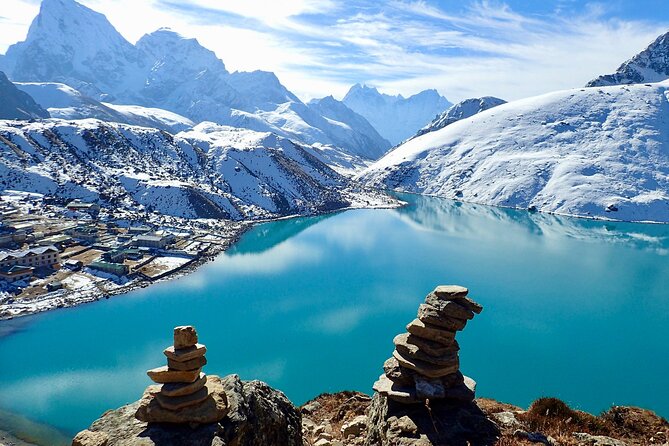
The clever part of this 10-day Everest Base Camp trek is the helicopter return from Gorakshep to Lukla. You still earn the walk through Sherpa country, but you skip the long descent and get a bird’s-eye view of the valleys, trails, and peaks you crossed on foot. I like the built-in acclimatization stop at Dingboche, and I like that permits, domestic flights, a guide, guesthouses, and basic trekking gear are already arranged.
The main catch is the altitude. Everest Base Camp and Kala Patthar are serious high-mountain objectives, and this fast schedule leaves little room for delays or illness. You must be ready for long walking days, cold conditions, basic lodging, and weather that can affect both the Lukla flight and helicopter ride.
Key points to know before booking
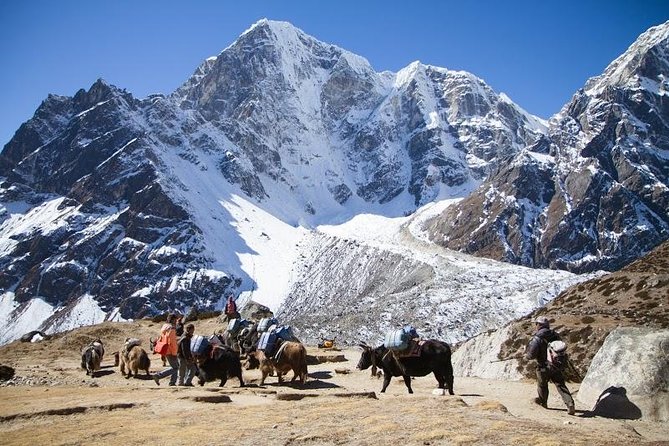
- Helicopter return from Gorakshep: You fly back to Lukla after reaching Everest Base Camp and Kala Patthar, saving the long walk downhill.
- Kala Patthar sunrise: The viewpoint provides one of the route’s most prized mountain panoramas, especially around sunrise.
- Dingboche acclimatization stop: This planned pause gives your body time to adjust before the highest part of the trek.
- Small group size: The maximum group size is 15 people, large enough for company but small enough for a guide to monitor the group.
- Useful inclusions: Permits, domestic flights, standard guesthouses, a licensed English-speaking guide, a duffel bag, sleeping bag, map, and first-aid kit are included.
- Kathmandu farewell: A Nepali dinner with traditional dance gives the trip a cultural finish after the mountain section.
Why the helicopter return changes the Everest Base Camp trek
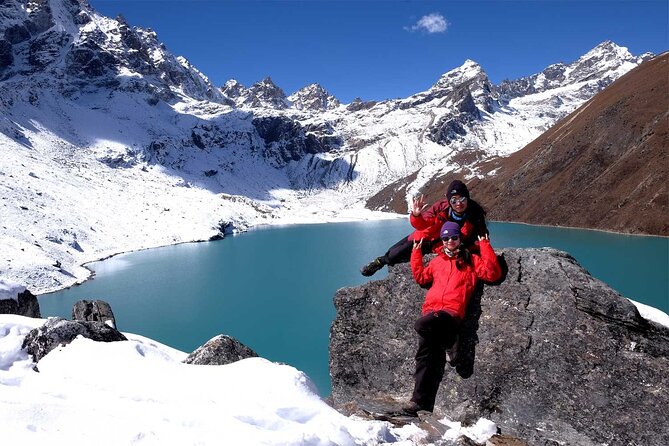
Most Everest Base Camp routes require you to walk back down the same valley after reaching the high point. This tour takes a different approach. You hike upward through the Khumbu region, reach Everest Base Camp and Kala Patthar, then board a helicopter at Gorakshep for the flight to Lukla.
That saves time and removes several days of downhill walking. For many people, this is the biggest reason to choose the package. Descending is easier on the lungs, but it can be hard on tired knees and ankles. The helicopter also gives you a fresh view of the route, from high ridges and glacier country down toward the greener river valleys.
There is a tradeoff. The helicopter is subject to mountain weather, and the return flight is not just another bus transfer. The package notes that poor weather can lead to cancellation, a different date, or a full refund. Keep some flexibility in your wider Nepal plans, especially if you have an international flight soon after the trek.
More Everest Base Camp treks:
- Everest Base Camp Trek – 14 Days
★ 5.0 · 1,499 reviews - Everest Base Camp Trekking
★ 5.0 · 485 reviews - Everest Base Camp Trekking – 13 Day
★ 5.0 · 365 reviews
Kathmandu, Lukla, and the first taste of the Khumbu
Your experience begins with pickup at Tribhuvan Airport in Kathmandu. A private vehicle takes you to a three-star hotel, where breakfast is included. Kathmandu gives you a short introduction to Nepal before the mountain section, and the final farewell dinner returns you to the city’s food and culture after the trek.
The route then heads toward Lukla by domestic flight. Depending on operating arrangements, the flight may be listed from Kathmandu or from Manthali to Lukla. This detail matters because road and airport plans can change, so check the departure airport with the operator before you set your schedule.
Lukla is the practical gateway to the Everest region. The flight is short, but it places you directly in the mountain setting, with the trail beginning close to town. From here, the walking route follows the Dudh Koshi River through forests and Sherpa settlements.
You should expect simple logistics at this point. A guide handles the route and permits, but you still need to carry a daypack with water, warm layers, medication, and personal essentials. Your larger bag can be handled through the included luggage support arrangement, though porter service itself is not included.
Sherpa villages, forests, and the Dudh Koshi River
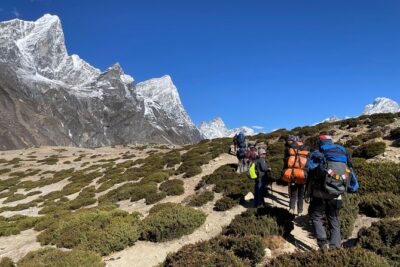
The early walking section is lower and greener than the country around Base Camp. Forest paths, river crossings, and villages help you adjust to the rhythm of walking several hours a day. The trail is not simply a march toward a famous sign. It also passes through the everyday world of the Khumbu, where monasteries, prayer traditions, and Sherpa settlements shape the route.
This is one of my favorite features of the package. You get time to see the region change gradually. The trees thin as you climb, the air becomes colder, and the peaks become more imposing. Moving on foot makes that change easy to understand in a way a quick scenic flight cannot.
The cost is effort. Even the lower sections can feel demanding if you arrive in Kathmandu after a long international flight. A moderate level of physical fitness is required, and the 10-day schedule does not leave much spare time. Walk steadily, drink regularly, and do not treat the first days as a race.
Namche Bazaar, the route’s essential mountain stop
Namche Bazaar is one of the most important stops on the route. It is a well-known Sherpa trading center and a natural place to slow down before the trail climbs higher. The town’s position in a bowl of mountain terrain makes it a memorable pause, though the altitude may already be noticeable.
The value of Namche is practical as much as scenic. It gives you a chance to rest, organize your pack, and let your body begin adjusting. Your guide can help set the pace and watch for signs that someone is struggling.
The town is also where the trek feels more remote and more social. You are no longer simply making your way through a valley. You are part of a steady stream of hikers, porters, and local mountain life moving toward the high country.
More Everest helicopter tours:
- Everest Base Camp Helicopter Tour landing at Everest View Hotel
★ 5.0 · 668 reviews - Everest Base Camp Helicopter Tour landing at Hotel Everest View
★ 5.0 · 218 reviews - Everest Base Camp Trek with Helicopter Return from Gorakshep to Lukla
★ 5.0 · 161 reviews - Everest Base Camp helicopter tour with landing
★ 5.0 · 61 reviews
Tengboche monastery and the shift to high country
The route continues toward Tengboche, known for its monastery and mountain setting. The monastery adds a strong cultural element to the trek. Even if your main goal is Everest Base Camp, places like Tengboche give the walk more meaning than a list of viewpoints alone.
After Tengboche, the scenery becomes more open and severe. Forest gives way to high-altitude terrain, and the air feels thinner. This is the point where pacing becomes especially important. You may want to walk faster when the views open up, but a slow, even rhythm is the better choice.
I like that the itinerary includes both cultural sites and major mountain viewpoints. You are not being rushed from one photo stop to the next. At the same time, the short schedule means you should not expect long side trips or many unscheduled rest days.
Dingboche and the importance of acclimatization
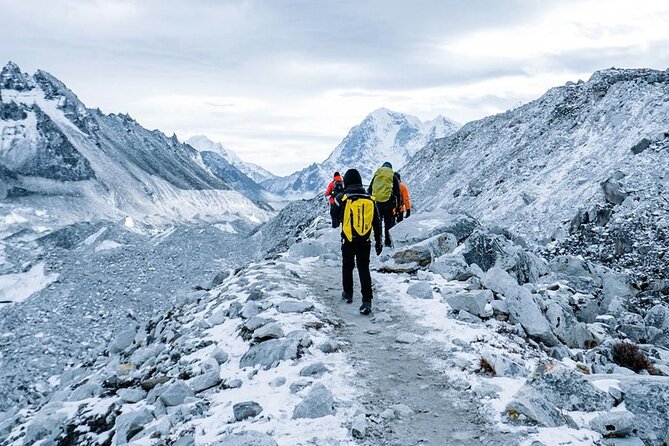
Dingboche is the key acclimatization stop listed in the route. At this height, the pause is not a luxury. It is part of the safety plan. Your body needs time to adapt before you continue toward Lobuche, Gorakshep, and Everest Base Camp.
Use this stop well. Rest, keep your daypack light, eat what you can, and listen to your guide’s advice. The package includes a licensed English-speaking guide and a first-aid kit, but no trek operator can remove the risk of altitude sickness. If you feel unwell, report it early rather than trying to prove toughness.
The itinerary is ambitious because it reaches Base Camp, includes Kala Patthar, and finishes with a helicopter flight within 10 days. That makes Dingboche especially important. If you want a slower pace with more spare days, a longer itinerary may suit you better, but this package is designed for people who want the classic route in a compact format.
Gorakshep, Everest Base Camp, and the high point of the trek
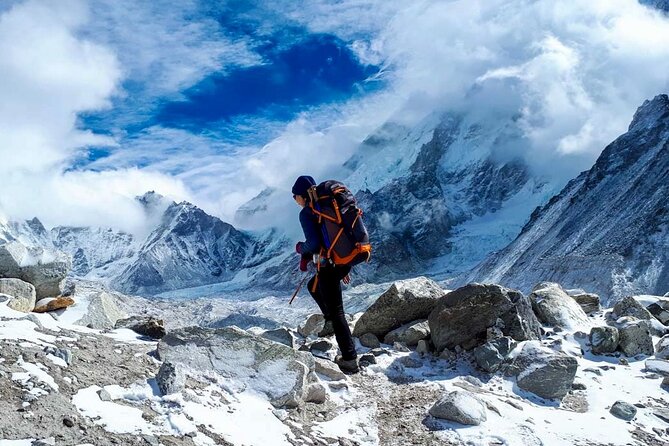
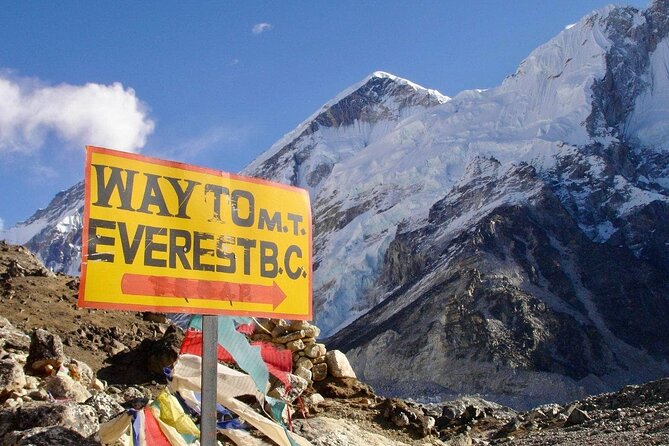
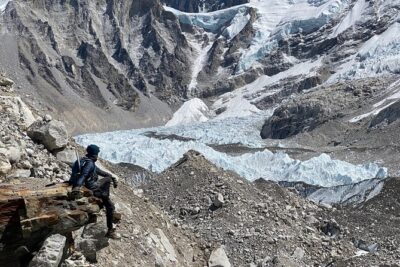
Gorakshep is the staging point for the final high-altitude section. From here, the trail reaches Everest Base Camp, where the reward is not a summit view from the top of Everest, but the experience of reaching the base of the world’s highest mountain.
Expect a demanding day. The altitude, cold, and uneven trail can make a distance feel much longer than it looks on a map. Your guide’s job is important here, especially in setting a sensible pace and checking how everyone is coping.
The base camp area is also seasonal in character. The provided information promises views of Everest and the surrounding peaks, but conditions can vary. Clouds, wind, and visibility are part of the mountain experience, not a service failure. Go for the sense of place and the achievement, while hoping for clear weather.
Kala Patthar sunrise and the best mountain views
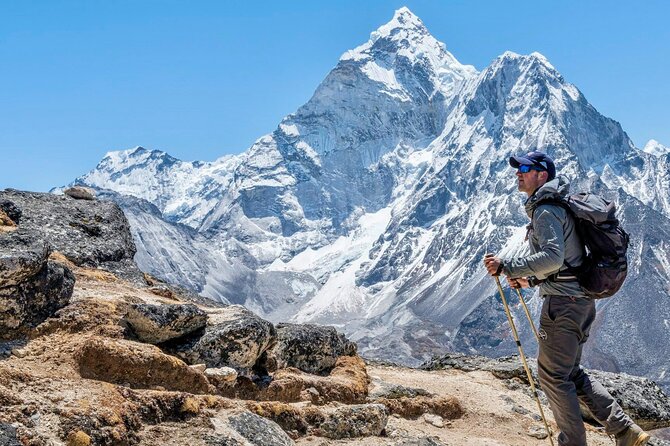
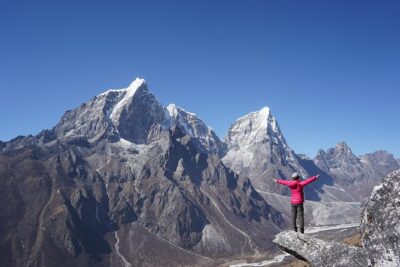
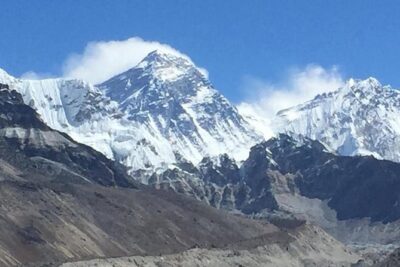
The climb to Kala Patthar is one of the strongest parts of the trip. The viewpoint is chosen for its broad view of Everest and the surrounding Himalayan peaks, and sunrise adds changing color to the scene.
This is another early and strenuous outing at high altitude. You will need warm clothing and enough patience to climb slowly. The effort pays off most on a clear morning, but weather cannot be promised.
I would treat Kala Patthar as a separate achievement from Base Camp. Base Camp is the famous destination, while Kala Patthar is the place most likely to provide the sweeping mountain view you imagined before booking. Having both included gives the itinerary a strong finish before the helicopter return.
The Gorakshep to Lukla helicopter flight
After the high-altitude walking, the helicopter flight is the tour’s signature feature. From Gorakshep, you return to Lukla by air rather than walking back through the valley. The flight offers a different perspective on the route, including the mountain valleys and sections of trail that took days to cross.
This is valuable for more than comfort. It lets you finish the trek with a sense of scale. From the ground, the route unfolds one bend at a time. From the air, you can see how the villages, rivers, ridges, and high peaks fit together.
Still, treat the helicopter as weather-dependent. A delay or cancellation is possible, and the stated policy offers another date or a full refund if poor weather cancels the experience. Ask the operator how the backup plan affects your domestic flight and Kathmandu hotel night before departure.
Lodging, meals, luggage, and what the price covers
At $799 per person, the package offers good value if you want the main logistics handled. The price includes arrival and departure transfers, a three-star Kathmandu hotel with breakfast, permits, domestic flights, standard guesthouses, a licensed guide, trekking gear, a medical kit, government fees, and the helicopter ride from Gorakshep to Lukla.
That is a substantial list for a high-altitude trip. You are paying for coordination as much as for the walking itself. Permits and flights can be tiring to arrange independently, and a local guide provides help with the route, language, pacing, and practical problems.
The price does not cover all food. Lunch and dinner in Kathmandu are extra, and all meals during the trek are also excluded. You should budget for food, drinks, snacks, laundry, tips, and personal purchases. International flights, the Nepal visa, travel insurance, and high-altitude evacuation insurance are also your responsibility.
Porter service is optional rather than included. One porter for two people is recommended, so add that cost if you do not want to carry your own larger bag. The included duffel bag and sleeping bag are useful, but confirm the size and condition of rented equipment before leaving Kathmandu.
Group size, guide support, and the human side of the trek
The group limit is 15 people. That is not a private trek, but it is more manageable than a very large departure. A smaller group also makes it easier for the guide to notice changes in pace, fatigue, or altitude symptoms.
The company’s trekking team has received especially strong praise for calm, caring support from guides including Ram, Rupak, Dambar, and others on related Himalayan routes. Ram is often singled out for patience, flexibility, and help with both trekking and Kathmandu arrangements. Your assigned guide may be different, so confirm the name and language skills before booking if that matters to you.
Good guiding is central here. The mountains are impressive, but the trip works best when someone handles guesthouse arrangements, permits, flight changes, and pacing while you focus on walking. The included first-aid kit is reassuring, but it does not replace proper insurance or a sensible decision to turn back if necessary.
Who should book this 10-day Everest trip?
This package suits you if you want the classic Everest Base Camp route but do not want to spend several additional days walking back down. It is also a good match if you value a guide, arranged permits, guesthouses, and flights more than complete independence.
You should be comfortable with basic lodging and high-altitude walking. The trip is not a sightseeing tour with short walks between hotels. It calls for moderate fitness, patience, warm clothing, and a willingness to adapt to weather.
I would hesitate to recommend it to someone with a fixed international departure immediately after the helicopter flight. The mountain schedule and aviation links can change, and the short itinerary offers little spare time. Build in flexibility if you can.
The package is booked an average of 127 days ahead, which suggests that advance planning is sensible. Its published rating is 4.9 from 34 ratings, with 100 percent recommending it, but you should still read the inclusions carefully. The low headline price becomes less low after meals, insurance, porter service, tips, and personal expenses are added.
Should you book it?
Book this trek if you want the achievement and scenery of Everest Base Camp, plus the comfort and spectacle of a helicopter return. The combination of Namche, Tengboche, Dingboche, Base Camp, Kala Patthar, and the aerial flight gives you a lot in 10 days.
Choose a longer trek instead if you prefer slower acclimatization, more spare days, or a stronger cushion against bad weather. For everyone else, this is a practical, high-value route, provided you understand that the helicopter is weather-dependent and the mountain section is physically demanding.
The final Nepali dinner and traditional dance are a pleasant way to close the trip, but the real reward comes earlier: standing at Base Camp, watching sunrise from Kala Patthar, and seeing the whole route from the air.
FAQ
How long is the Everest Base Camp trek with helicopter return?
The experience lasts approximately 10 days.
Where does the experience begin?
Pickup begins at Tribhuvan Airport in Kathmandu, Nepal. The listed start time is 9:00 am.
Is airport pickup included?
Yes. Arrival and departure transfers by private vehicle are included.
Is the helicopter ride included?
Yes. The package includes a helicopter ride from Gorakshep to Lukla.
Are domestic flights included?
Yes. Domestic flights between Kathmandu or Manthali and Lukla are included as listed in the package.
What accommodation is included?
You receive accommodation at a three-star hotel in Kathmandu with breakfast, plus standard guesthouse lodging during the trek.
Are meals included?
Breakfast at the Kathmandu hotel is included. Lunch and dinner in Kathmandu, along with all meals during the trek, are not included.
Is a porter included?
No. Porter service is optional. The package recommends one porter for two trekkers.
What insurance do I need?
You must arrange insurance that covers medical treatment and high-altitude evacuation.
What happens if bad weather cancels the experience?
The experience requires good weather. If poor weather causes cancellation, you will be offered a different date or a full refund.
More day hikes and treks in Kathmandu
- Nagarkot Sunrise View and Day Hiking from Kathmandu
★ 5.0 · 471 reviews - Annapurna Circuit Trek with Tilicho Lake
★ 5.0 · 368 reviews - Everest Base Camp Trek -14 Days
★ 5.0 · 321 reviews - Annapurna base camp trek 5 Days
★ 5.0 · 252 reviews
Just added around Kathmandu
- Traditional Momo Making Class★ 5.0 · 10 reviews
- Wildlife Adventure in Chitwan Nepal★ 4.0 · 4 reviews
- Walking tour of real Kathmandu through back streets.★ 5.0 · 3 reviews
- Kathmandu 2 Nights 3 Days Chitwan Jungle Safari Tour★ 5.0 · 9 reviews
- Kathmandu Street Food Walking Tour – Eat Like a Local★ 5.0 · 3 reviews
- Private Manaslu Circuit Trek at Himalayas★ 5.0 · 3 reviews
- Walking tour of Kathmandu with awesome local guides★ 5.0 · 4 reviews
- Visit Swayambhunath and Bauddhanath Stupa with Guide★ 5.0 · 5 reviews
Everest Base Camp Treks from Kathmandu, compared.
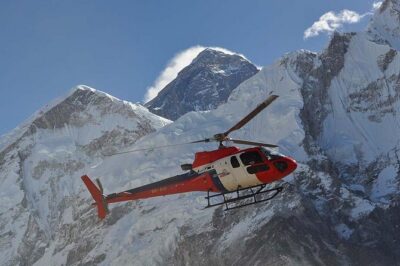
Everest Base Camp Trek with Helicopter Return from Gorakshep to Lukla
Read our review →Browse the lists this tour appears in