
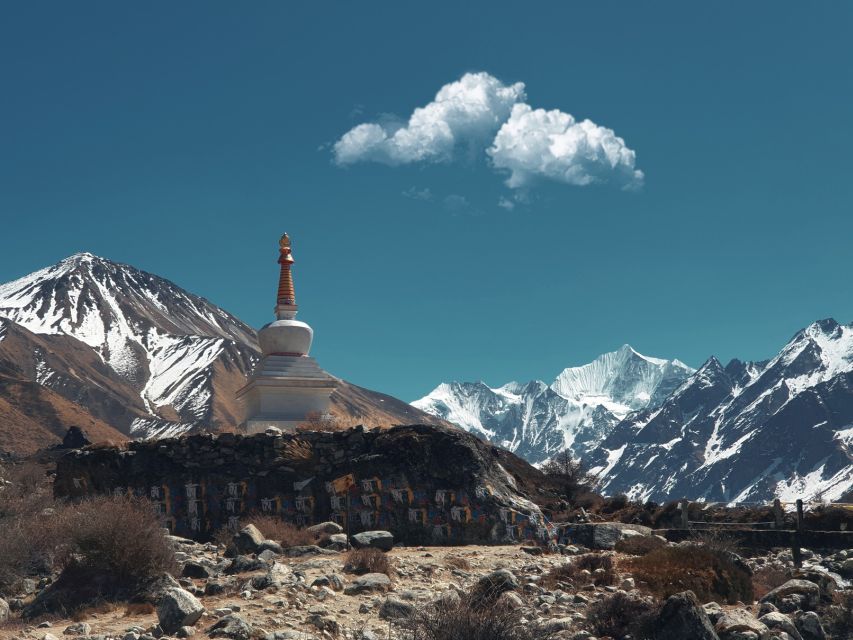
Reviewed · LANGTANG VALLEY TREKS FROM KATHMANDU
Kathmandu: 6-Day Limitless Langtang Trek
Langtang gives you a real Himalayan trek in just six days, with Tamang villages, monasteries, and high mountain views packed into a compact route from Kathmandu. The trail follows the Langtang River, climbs through forest, and reaches Kyanjin Gompa at 3,870 meters.
I like the close contact with local mountain life and the chance to add Kyanjin Ri, a demanding viewpoint at 4,770 meters. I also like the personal guiding: Niraj, Mahesh, Bipin, and Dipesh have all been praised for steady pacing, clear plans, and help when the trail gets tough. The main caution is simple: this is harder than the six-day label suggests, with long days, steep sections, cold nights, and a fast descent.
Key points to know before you book
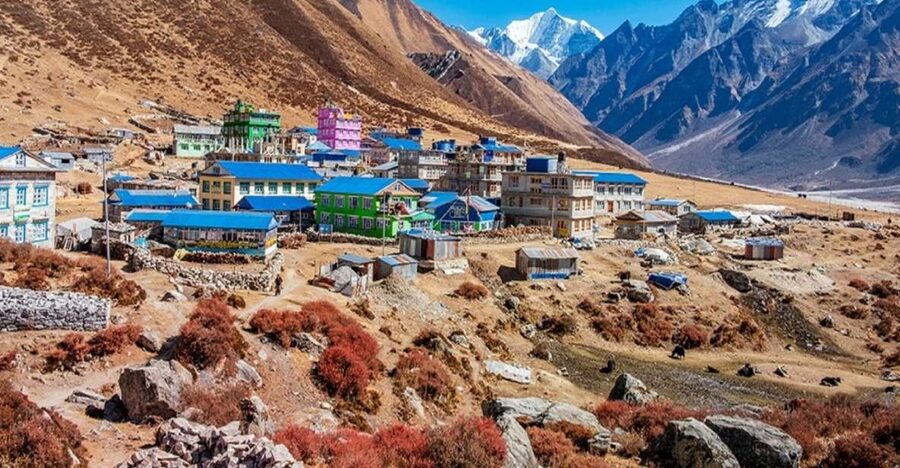
- A compact Himalayan route: Six days takes you from Kathmandu to Syabrubesi, Kyanjin Gompa, and back.
- Kyanjin Ri is optional: The climb to 4,770 meters adds the finest views but requires strong legs and sensible altitude judgment.
- Guiding is a major strength: Niraj, Mahesh Aryal, Bipin, Dipesh, and Ghanshyam are among the guides praised for care and good communication.
- Expect long walking days: One account describes days of up to eight hours on steep paths, so this is not a gentle village stroll.
- The price is attractive: At $181 per person, permits, transport, accommodation, guide costs, and taxes are covered, but meals depend on the package selected and a porter costs extra.
- You get a private group: That gives you more control over pace and rest stops than a large fixed group.
Why Langtang works for a six-day trek
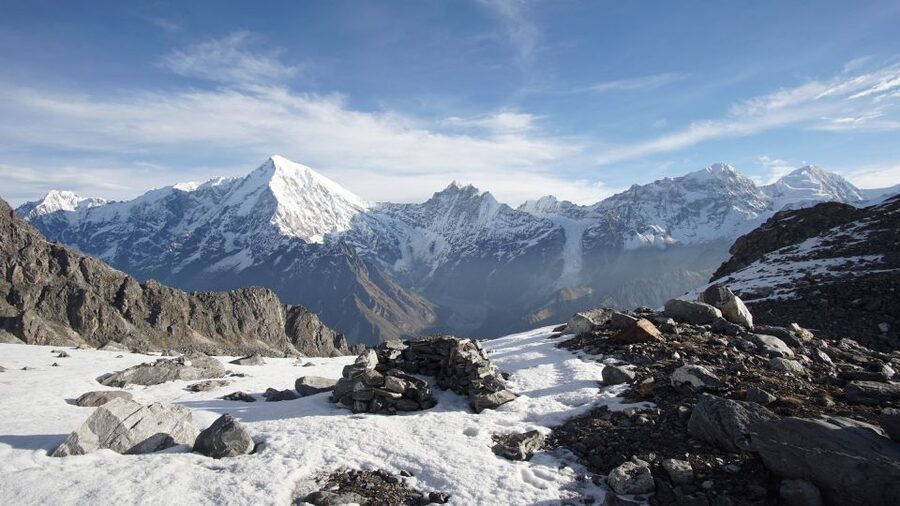
Langtang is a good choice when you want more than a short scenic walk but do not have time for a longer Himalayan route. The trek begins with a road journey from Kathmandu, then carries you into a valley shaped by river, forest, stone villages, and snow-covered peaks.
The route also has a strong cultural side. You pass through Tamang communities, see monasteries, and reach Kyanjin Gompa, where a cheese factory adds an unusual local detail to the mountain setting. The trip is not only about ticking off a viewpoint. It gives you several days to adjust to walking, altitude, simple accommodation, and the quiet rhythm of high-country life.
Still, do not read moderate as easy. The schedule climbs from about 1,550 meters at Pahiro to 3,870 meters at Kyanjin Gompa in two days. If you add Kyanjin Ri, you reach 4,770 meters. Good fitness helps, but pacing and listening to your guide matter just as much.
The private-group format is useful here. Your guide can adjust the speed and explain the next day’s plan without forcing you to match a large group. Guides such as Mahesh Aryal were praised for checking in often, helping with difficult backpack sections, and recapping the day before setting out again.
More Langtang Valley treks:
- Langtang Valley Trek
★ 5.0 · 140 reviews - Private 8 – Day Langtang Trekking
★ 5.0 · 29 reviews - Langtang Valley Trek
★ 5.0 · 20 reviews
Day 1: Kathmandu to Pahiro via Syabrubesi
The first day combines about six hours on the road with roughly two hours of walking. You leave Kathmandu by shared transport and follow winding mountain roads toward Syabrubesi, the usual gateway for the Langtang Valley.
The drive is part of the trip, not just a transfer. You see changing hills and river scenery as the road leaves the capital behind. It is also the least comfortable part for anyone sensitive to winding roads, and the long journey means you should keep water, snacks, and a light layer close at hand.
From Syabrubesi, the trail continues for about two hours toward Pahiro. You walk through forest and beside the Langtang River, with the sound of moving water replacing city noise. Pahiro sits at around 1,550 meters, so this first night is relatively low and gives your body an easier start before the bigger climb.
The included pickup and return transport make the trip simple to arrange, though the journey uses shared transportation rather than a dedicated private vehicle. That is worth noting if comfort and flexibility matter more to you than keeping the cost down.
Day 2: Pahiro to Ghoda Tabela
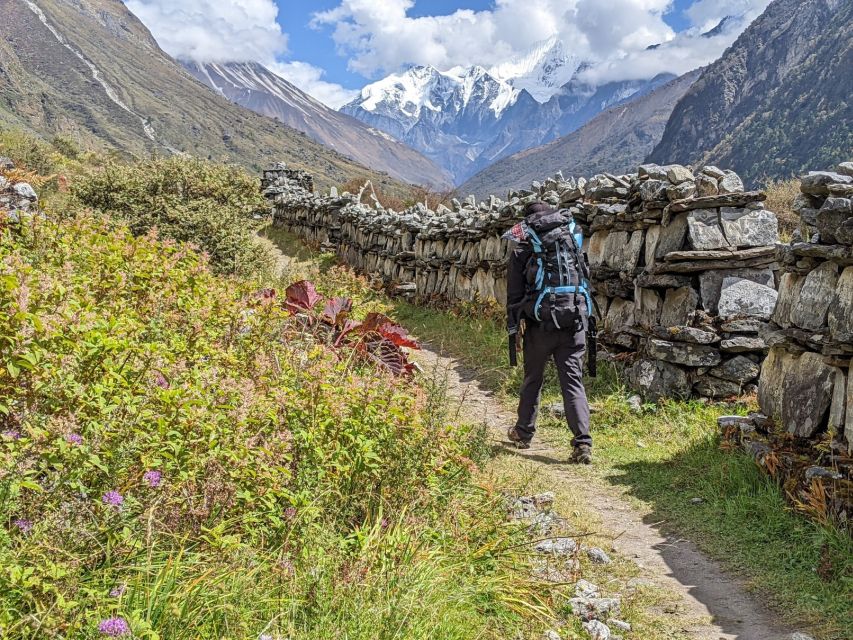
Day two is a serious walking day, listed at about six hours. The trail passes through green forest, small villages, and waterfalls before reaching Ghoda Tabela at approximately 2,900 meters.
This section is rewarding because the route changes gradually. You are no longer just walking beside the river at low altitude. The surroundings become more rugged, and the sense of entering the upper valley grows with each hour.
The climb also brings the first real test of your legs. You should keep a steady pace rather than trying to race ahead early in the morning. Your guide can help set a rhythm that leaves something in reserve for the following day.
Ghoda Tabela is a quiet overnight stop, but the accommodation is basic mountain lodging rather than a city hotel. Five nights of private accommodation are included, but the supplied details do not promise a particular lodge or room standard at every stop. Expect comfort to be practical, with conditions shaped by altitude and the remote setting.
Day 3: Ghoda Tabela to Kyanjin Gompa
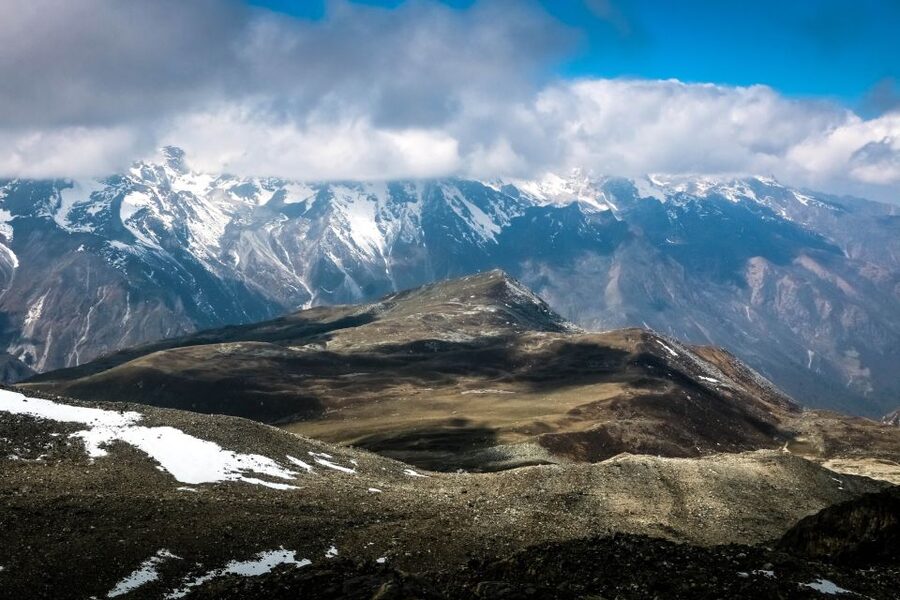
The third day takes you higher to Kyanjin Gompa at 3,870 meters. This is one of the most memorable sections because the valley opens toward high peaks and the villages show more of the local Tamang character.
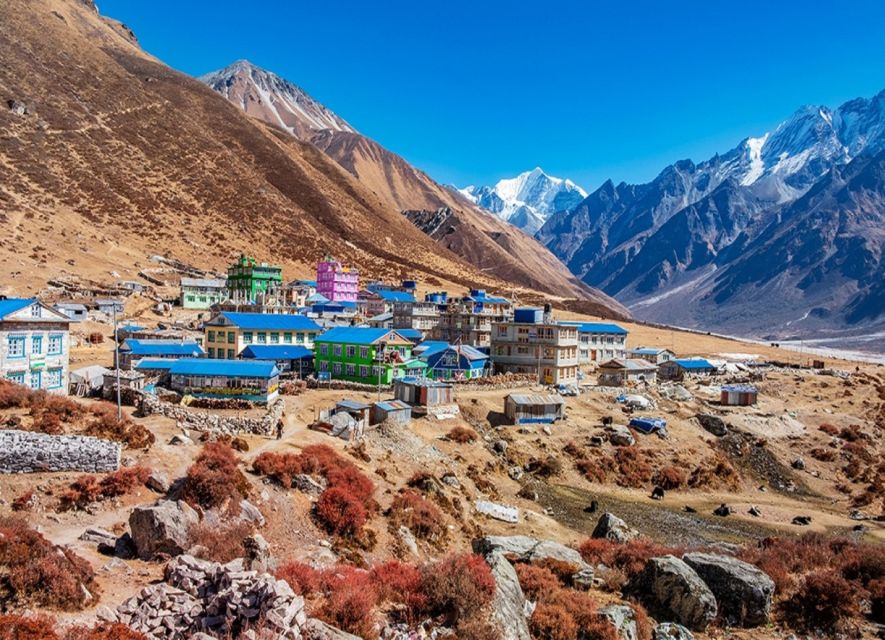
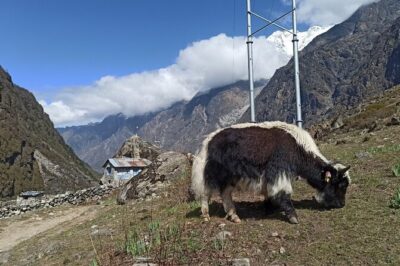
You have time to look around Kyanjin Gompa, visit monasteries, see the cheese factory, and speak with local people. These details give the trek its human side. A guide who explains local customs, yak keeping, mountain routes, and daily life can turn a walk through a village into a much more useful visit.
Altitude becomes the main concern here. The schedule gains nearly 1,000 meters from Ghoda Tabela, and some people will feel the change. Walk slowly, drink regularly, and tell your guide if you develop a headache or feel unwell. The itinerary is short, so there is not much spare time for a slow acclimatization program.
Kyanjin Gompa is also the high point for the overnight stays, aside from the optional viewpoint climb. You should expect cold evenings, especially outside the warmer seasons. A warm jacket, gloves, hat, sleeping bag, and suitable layers are not optional extras for most people.
More day hikes and treks in Kathmandu:
- Everest Base Camp Trek – 14 Days
★ 5.0 · 1,499 reviews - Everest Base Camp Trekking
★ 5.0 · 485 reviews - Nagarkot Sunrise View and Day Hiking from Kathmandu
★ 5.0 · 471 reviews - Annapurna Circuit Trek with Tilicho Lake
★ 5.0 · 368 reviews
Day 4: The optional Kyanjin Ri climb
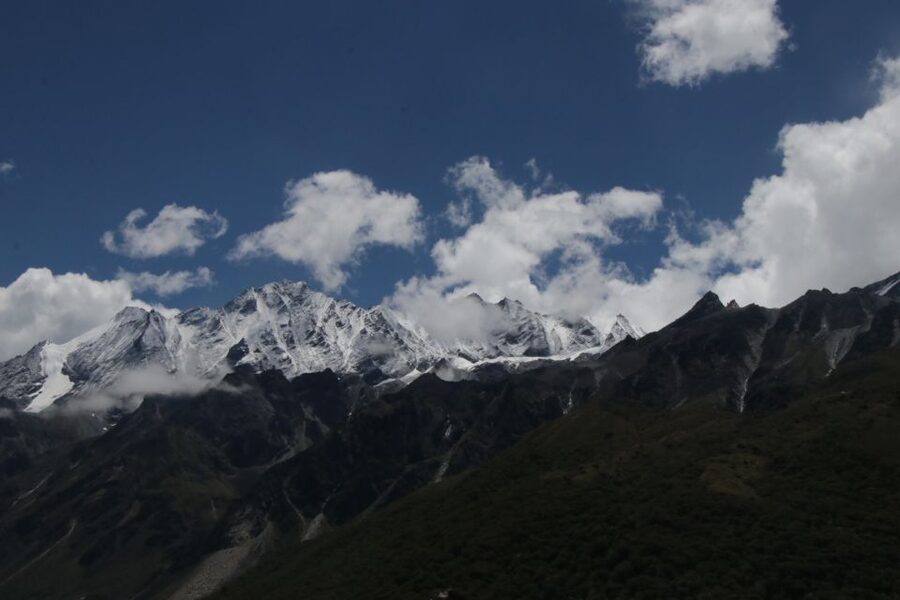
Day four is the day to plan carefully. The route goes toward Kyanjin Ri, listed at 4,770 meters, before returning along the same trail and descending toward Thangsyap at about 3,200 meters.
The climb is steep and optional. That matters because the summit adds the most demanding effort of the trek, but you do not need to take it to have a worthwhile trip. If you are tired, feeling altitude effects, or simply prefer a slower morning, staying lower is the sensible choice.
For those who continue, the reward is a broad view of snow-covered peaks and the glacial valley. One January trekker described reaching the black peak of Kyanjin Ri for sunrise as the highlight of the trip. Sunrise timing is not stated as a standard part of every departure, so ask your guide if you want to attempt it.
The return to Thangsyap creates a long day with both ascent and descent. Descending can be harder on knees than climbing, especially after a high viewpoint. Trekking poles would be useful, although they are not listed among the required items. At this altitude, a slow and controlled pace is more valuable than trying to keep up with a faster companion.
There is a small naming inconsistency in the schedule, which refers to the Kyanjin Ri section as starting from Langtang Village while the preceding night is at Kyanjin Gompa. Ask your operator to confirm the exact day-four route and sleeping stop before departure. The overall plan is clear, but the wording could be sharper.
Day 5: Thangsyap back to Syabrubesi
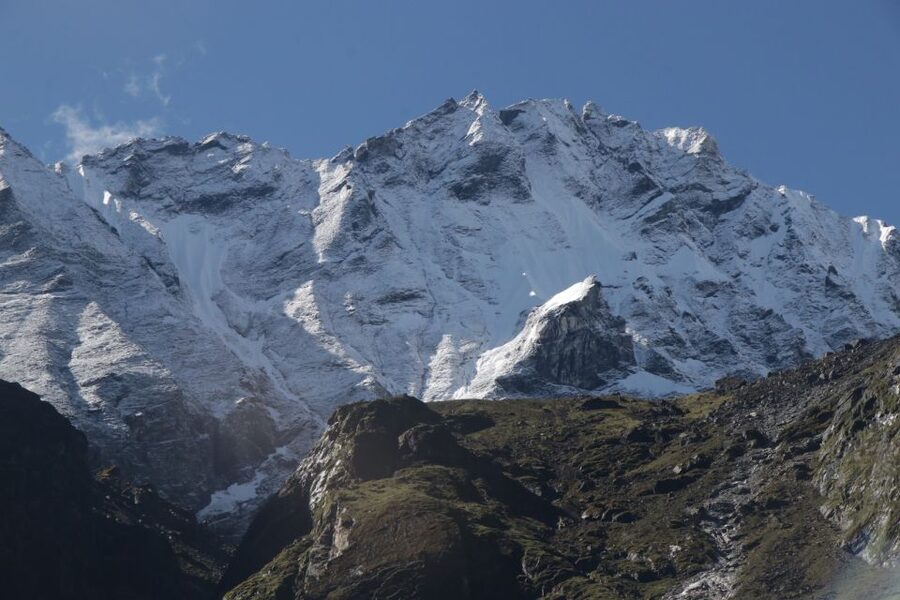
The fifth day descends to Syabrubesi at around 1,550 meters. You retrace the route beside the Langtang River and pass back through the scenery that looked different on the way up.
Descending gives you more time to notice village details, forest texture, and the river corridor. It can also feel surprisingly long after the high point of the trip. The trail may be easier on your lungs, but your knees and feet will know they have worked.
This is where a good guide earns the daily fee. Mahesh was praised for checking comfort, explaining the plan, and helping with backpacks when the trail became difficult. Porter service is available at extra cost, and I would consider it if you are carrying a large pack, particularly if you want to keep energy for Kyanjin Ri.
You spend the night in Syabrubesi before the return drive. That overnight stop is useful because it avoids combining a full descent with the long road journey to Kathmandu.
Day 6: The road back to Kathmandu
The final day is a shared bus journey from Syabrubesi to Kathmandu. You leave the Langtang region behind and return through the same winding mountain road system.
This day is not a sightseeing tour with planned stops. Think of it as the practical end of the trek. Keep your expectations realistic, especially after several days of walking. The value is that transport back to Kathmandu is arranged as part of the plan.
If you have a flight or another fixed booking after the trek, allow plenty of extra time. The provided information does not give a guaranteed journey duration for the return, and mountain roads can make timing less predictable than a city transfer.
What the $181 price really covers
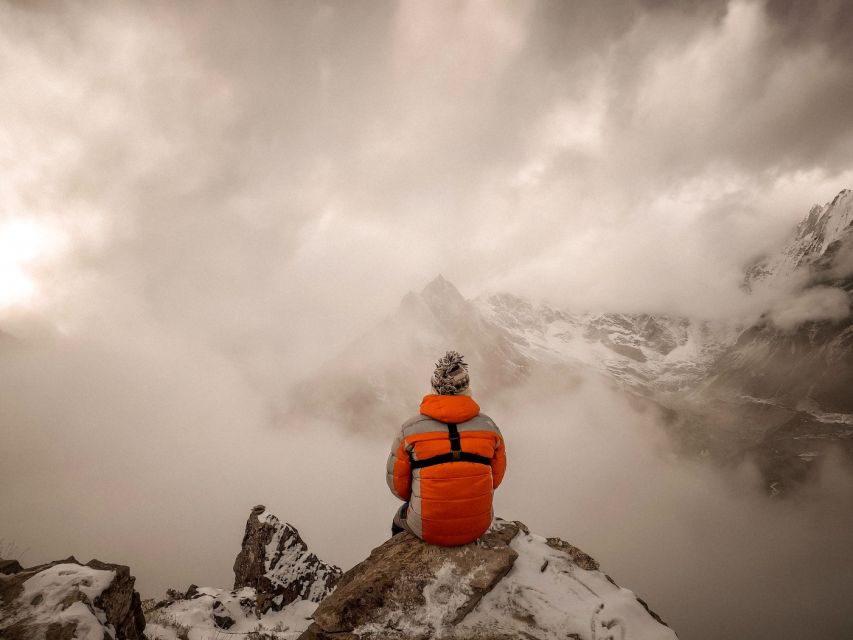
At $181 per person, the trip is priced aggressively for a six-day guided trek. The package includes hotel pickup and drop-off, shared transportation, permits, TIMS paperwork, government taxes, five nights of private accommodation, and the guide’s meals, accommodation, salary, equipment, insurance, and transport.
Meals are included during the trek for the full package option. You should confirm that you are selecting the full package if you want breakfast, lunch, and dinner covered. Drinks are not included, and you pay separately for bottled or boiled water, showers, phone calls, laundry, battery charging, bar bills, and personal items.
A porter costs extra. That is one of the most important budget details because a pack can feel much heavier after several hours on steep ground. You also need your own travel and rescue insurance, international flights, and Nepal visa fee.
The value is strongest for someone who wants the essential arrangements handled without paying for a luxury trek. It is not a high-end lodge holiday. The accommodation is described as private and comfortable, but mountain comfort remains basic, and the transport is shared.
Guides, pacing, and the human side of the trek
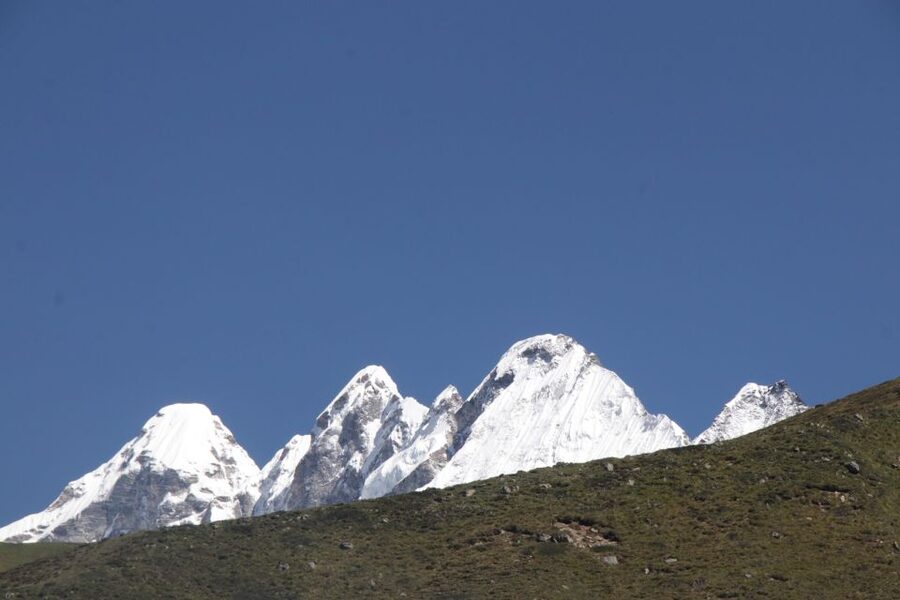
The guide can shape this trip more than any single viewpoint. The most praised guides include Niraj, Mahesh Aryal, Bipin, Dipesh, and Ghanshyam.
Niraj was praised for support on a climb to around 4,700 meters and for helping a group extend its trip from six to eight days. Mahesh was noted for regular comfort checks, clear briefings, route knowledge, and help with backpacks. Bipin helped with food orders, lodge arrangements, daily plans, and questions about Nepal and the Himalayas.
Dipesh was described as patient and reassuring for first-time trekkers. Ghanshyam was particularly valued by a solo woman who wanted to feel safe on the trail. These details suggest that the company’s strongest feature is attentive guiding, though your specific guide will depend on availability.
You should still explain your fitness, previous trekking experience, and interest in Kyanjin Ri before setting out. The route can suit a novice, but the guide needs honest information to set a safe pace.
What to pack for cold nights and steep trails
The required packing list is sensible. Bring hiking shoes, trekking gear, a jacket, gloves, hat, sunglasses, sunscreen, a towel, flashlight, sleeping bag, and passport or ID card.
Cold is the detail most easy to underestimate. January conditions can be especially chilly at night, and one trekker specifically advised bringing warm clothing and medication. The accommodation may have a fire in the dining area, but you should not count on a warm bedroom.
A sleeping bag is listed as essential. Keep your flashlight where you can reach it, and carry sunscreen even on cool days. At altitude, bright sun can be harsh, and sunglasses protect your eyes on exposed sections.
A porter is not included, so decide in advance how much weight you want to carry. If you are a first-time trekker, a lighter daypack can make the long days far more pleasant.
Who should choose this Langtang trek?
This trip suits you if you want a genuine Himalayan route with cultural stops but have only six days. Couples, solo walkers, families with suitable fitness, and first-time trekkers can all consider it, provided they understand the steep paths and altitude.
It is especially good for people who value personal guiding, village contact, monasteries, and mountain scenery more than polished facilities. The private-group setup also helps if you want a more flexible pace.
It is less suitable if you dislike winding road journeys, basic mountain accommodation, long walking days, or cold nights. Pregnant women should not book this activity, as stated in the safety information.
The six-day schedule is also tight for anyone who wants lots of rest. If you prefer a gentler pace, ask about extending it. One group turned its six-day plan into eight days and found the extra time worthwhile.
Should you book it?
I would book this trek if you want a short, reasonably priced route into the Himalayas and are ready for real walking. The best reasons are the Tamang villages, Kyanjin Gompa, the optional Kyanjin Ri climb, and the strong record of supportive guides.
Before paying, confirm three things: that your price includes the full meal package you want, that you understand the extra porter cost, and that the day-four route and overnight stop are clearly explained. If you can handle up to eight hours on steep paths and pack for cold nights, this is a practical way to see Langtang without committing to a much longer trek.
FAQ
How long is the Langtang trek?
The activity lasts six days, including travel from Kathmandu to Syabrubesi and the return journey.
Where does the trek start?
You travel from Kathmandu to Syabrubesi, which is the starting point for the walking section.
What is the highest point on the planned route?
Kyanjin Ri is listed at 4,770 meters and is an optional climb. The overnight stay at Kyanjin Gompa is at about 3,870 meters.
Is Kyanjin Ri included for everyone?
No. The climb is optional because it is steep and harder than the main walking route.
Is transportation included?
Yes. Hotel pickup and drop-off and transportation listed in the plan are included. The route uses shared transportation or a shared bus according to the number of people.
Are meals included?
Breakfast, lunch, and dinner during the trek are included with the full package option. Drinks and personal purchases are not included.
Is a porter included?
No. Porter service costs extra.
What languages can the guide speak?
Guides are available in English, Hindi, and Nepali.
Is this a private group activity?
Yes. The activity is described as a private-group trek.
What is the cancellation policy?
You can cancel up to 24 hours before the activity for a full refund. You can also reserve now and pay later.
More six-day trips in Kathmandu
- 6 Days Muktinath Tour Package in Nepal
★ 5.0 · 20 reviews - Kathmandu: 6 Days Langtang Valley Trek with Kyanjin Ri
★ 5.0 · 7 reviews - 6 Days Private Himalayan Dreams of Nepal
★ 5.0 · 6 reviews
Just added around Kathmandu
- Traditional Momo Making Class★ 5.0 · 10 reviews
- Wildlife Adventure in Chitwan Nepal★ 4.0 · 4 reviews
- Walking tour of real Kathmandu through back streets.★ 5.0 · 3 reviews
- Kathmandu 2 Nights 3 Days Chitwan Jungle Safari Tour★ 5.0 · 9 reviews
- Kathmandu Street Food Walking Tour – Eat Like a Local★ 5.0 · 3 reviews
- Private Manaslu Circuit Trek at Himalayas★ 5.0 · 3 reviews
- Walking tour of Kathmandu with awesome local guides★ 5.0 · 4 reviews
- Visit Swayambhunath and Bauddhanath Stupa with Guide★ 5.0 · 5 reviews
Langtang Valley Treks from Kathmandu, compared.
Browse the lists this tour appears in