
Reviewed · LANGTANG VALLEY TREKS FROM KATHMANDU
Langtang Trek from Kathmandu 7 Days
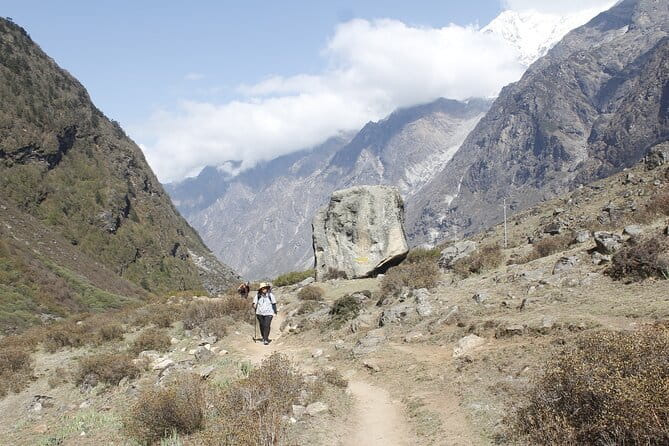
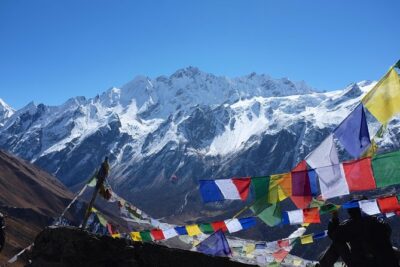
Langtang Valley gives you a genuine Himalayan trek without the long approach needed for some of Nepal’s better-known routes. In seven days, you move from Kathmandu to forests, river paths, Tamang villages, and high mountain country beneath Langtang Lirung, which rises to 7,227 meters.
I like the mix of local culture and mountain scenery, especially the chance to pass monasteries and stay in village lodges. I also like the straightforward price of $410, which includes the guide, permits, accommodation, and transport. The main caution is the altitude: the route reaches about 4,700 meters at Kyanjin Ri, so moderate fitness is necessary and the schedule may feel demanding.
Key things to know before booking
- Kyanjin Ri reaches about 4,700 meters: This is the trek’s toughest and highest point, with rocky ridges, narrow paths, and steep sections.
- The route passes Tamang and Sherpa communities: You get more than mountain views, with village life, monasteries, and local hospitality along the way.
- The price includes the important basics: A guide, lodge accommodation, trekking permit, TIMS card, hotel transfers, and round-trip shared bus transport are covered.
- You travel as a private group: Only your group participates in the trekking activity, although the road transfer uses a shared local bus.
- The long road journeys matter: The first and final drives take roughly seven to eight hours, so the trek begins and ends with substantial time on the road.
- You need to provide passport details and a photo: These are required to arrange the trekking permit before departure.
Why Langtang works well for a seven-day trek
Langtang is a sensible choice if you want a taste of high Himalayan trekking but do not have time for a much longer route. The trip begins in Kathmandu and quickly shifts to the hills around Syabrubesi, where the walking route follows the Langtang Khola through forests and villages.
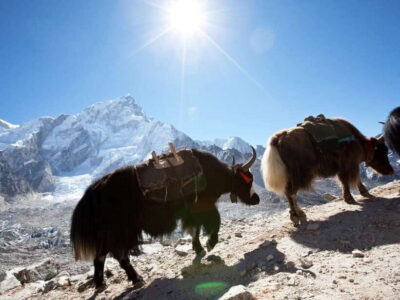
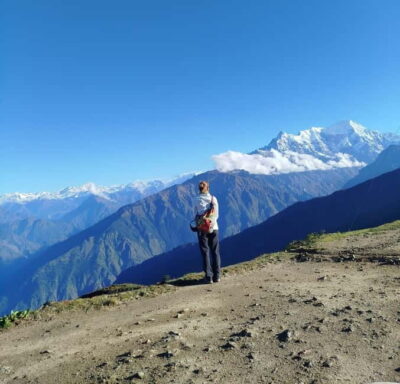
I like the way the scenery changes at a steady pace. You start among oak and rhododendron trees, then move through higher settlements and open mountain country. The path gives you rushing river views, snowy peaks, alpine meadows, and Buddhist religious sites without requiring an extreme expedition-style commitment.
You should still treat this as a real mountain trek. The schedule includes several days of about six hours on foot, and the climb to Kyanjin Ri is high enough to affect anyone who is not used to altitude. The tour is described as suitable for people with moderate fitness, not as an easy walk.
More Langtang Valley treks:
- Langtang Valley Trek
★ 5.0 · 140 reviews - Private 8 – Day Langtang Trekking
★ 5.0 · 29 reviews - Kathmandu: 6-Day Limitless Langtang Trek
★ 5.0 · 21 reviews
Day 1: Kathmandu to Syabrubesi by road
The first day starts early in Kathmandu with a drive of roughly seven hours toward Syabrubesi. You can arrange a private ride or use the included shared local bus transfer. The overnight stop is listed as Hotel Garden Inn in Shyfru Bensi, referring to the Syabrubesi area.
This is mainly a transport day, but it sets up the trek efficiently. You leave the city behind and reach the trailhead without spending an extra night on the road. The tradeoff is simple: a seven-hour bus ride can be tiring, especially before several days of walking.
Hotel pickup and drop-off are included, which makes the start easier if you are staying in Kathmandu. Since the transport is by shared local bus, do not expect the privacy or flexibility of a dedicated vehicle. The trekking itself is private to your group, but the road transfer is not presented that way.
Day 2: Following the Langtang Khola to Lama Hotel
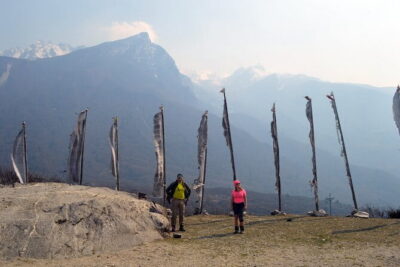
The second day puts you on the trail for about six hours, following the Langtang Khola toward Lama Hotel. The path runs beside the river, with forest, rushing water, and changing views of the wooded valley.
This is one of the more appealing parts of the trek for anyone who enjoys walking through woodland rather than crossing bare high-altitude ground. Oak and rhododendron forests provide shade, while moss-covered trees and bursts of color give the route a softer feel than the stark upper valley.
The route is clearly marked, which helps you focus on your pace and surroundings. Still, the six-hour walking time requires stamina. The combination of a steady climb, uneven ground, and the need to reach the lodge before evening means you should begin each walking day ready for a full outing.
Lama Hotel is useful as a stopping point because it breaks the climb into manageable stages. Accommodation is in a lodge, but the package information does not specify room type, bathroom arrangements, or meals. Ask the provider about those details before you pay if they matter to you.
Day 3: Forests and village life at Langtang Village
Day 3 takes about six hours and continues toward Langtang Village. The trail passes through dense forest, with moss-covered trees and rhododendrons before opening into higher settlements.
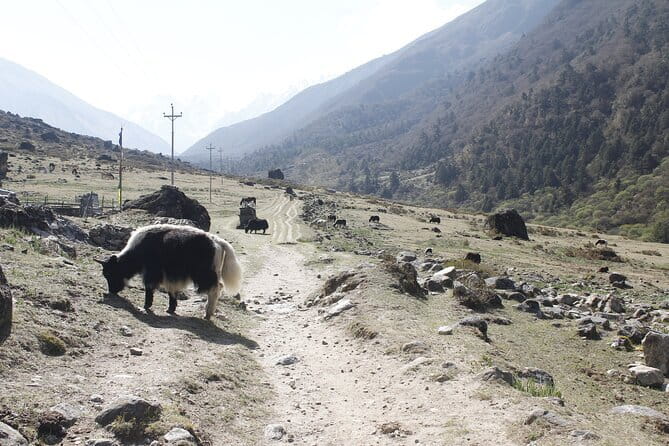
This is where the cultural side of the trek becomes more visible. The route passes through traditional Tamang and Sherpa villages, and the journey includes opportunities to see monasteries and meet local residents. I like this part because the villages give the walk a human scale. You are not simply counting peaks and elevation gains. You are moving through communities shaped by the mountains.
Langtang Village also gives you a sense of progress. Compared with the lower forest, the surroundings feel more open and alpine, with increasingly clear views toward the snow-covered peaks. The area is associated with the dramatic presence of Langtang Lirung, a 7,227-meter mountain that forms one of the trek’s most striking backdrops.
You should keep expectations practical. The package promises lodge accommodation, not a luxury hotel, and personal expenses are excluded. Carry money for anything not covered, and confirm what food and drinks cost locally before setting out each morning.
More day hikes and treks in Kathmandu:
- Everest Base Camp Trek – 14 Days
★ 5.0 · 1,499 reviews - Everest Base Camp Trekking
★ 5.0 · 485 reviews - Nagarkot Sunrise View and Day Hiking from Kathmandu
★ 5.0 · 471 reviews - Annapurna Circuit Trek with Tilicho Lake
★ 5.0 · 368 reviews
Day 4: Kyanjin Gompa and the high point toward Kyanjin Ri
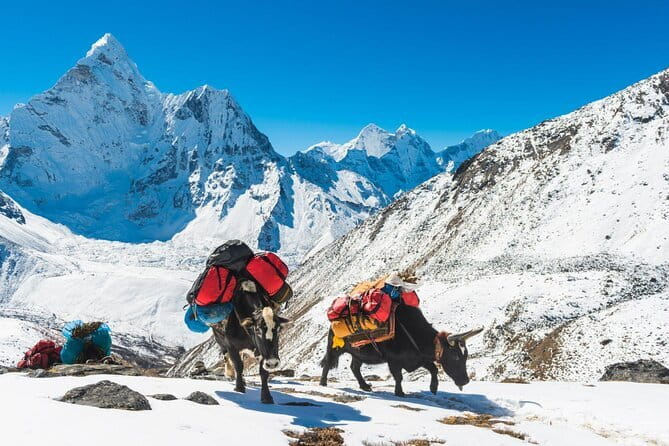
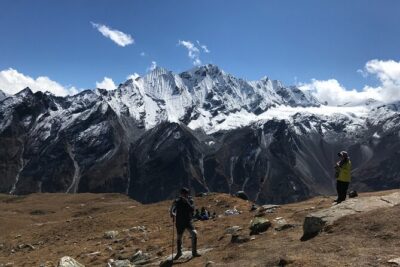
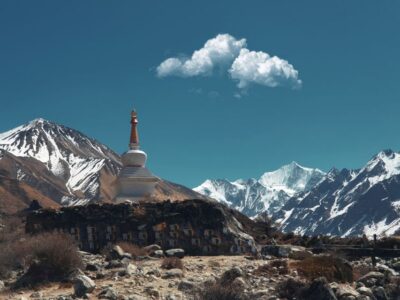
The fourth day is the physical centerpiece of the route. It takes about six hours and leads toward Kyanjin Ri, with Kyanjin Gompa at approximately 3,800 meters. The monastery sits in a stark mountain setting, a quiet contrast to the lower forests and villages.
The trail becomes more demanding as you climb. The air grows colder and thinner, and the route includes rocky ridges, narrow paths, and occasional steep sections. The itinerary places Kyanjin Ri at about 4,700 meters, or 15,420 feet. That elevation is the key reason this trek needs preparation, even though it is marketed for moderate fitness levels.
I would treat the climb as a test of pacing rather than speed. You need to allow yourself time, drink regularly, and tell your guide if you feel unwell. The guide is English-speaking and is included in the price, which is valuable on a route where conditions and energy levels can change quickly.
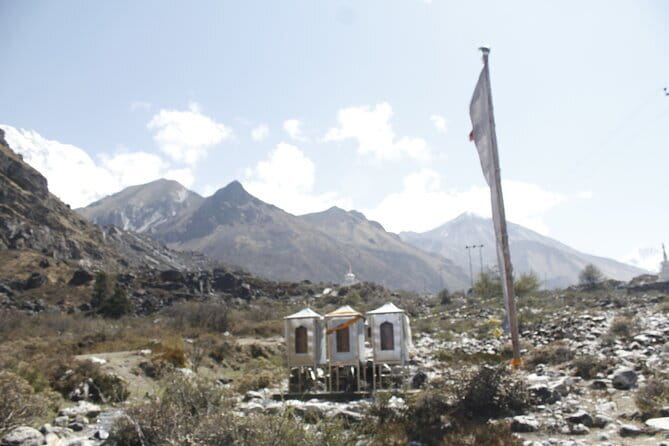
Kyanjin Gompa is a highlight for its setting as much as for the religious site itself. The monastery, high ridges, clear rivers, and surrounding peaks create the kind of mountain scene that makes the long road journey worthwhile. The views are a major reason to choose Langtang.
Day 5: Descending from the high country to Lama Hotel
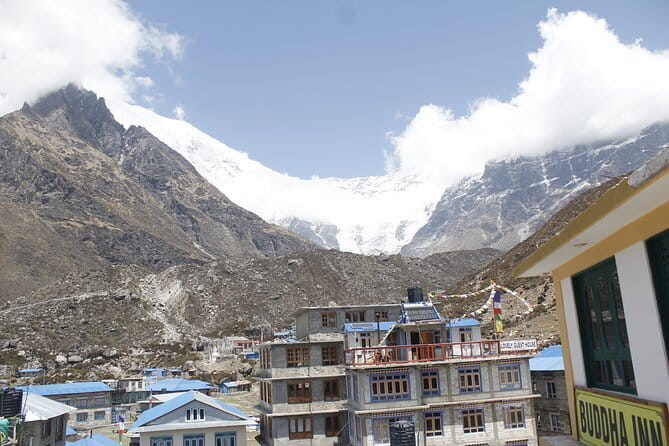
The fifth day brings you back toward Lama Hotel and takes about six hours. After the high point near Kyanjin Ri, the return route gives your legs a different challenge. Descending rocky paths can be hard on knees, even when the uphill effort is finished.
The lower route brings back thicker forest and a milder feel. You will notice the change in vegetation as you lose altitude, moving from open high mountain terrain toward the wooded valley. The descent also gives you another chance to notice villages and river views that may have passed quickly during the climb.
The schedule is efficient but not leisurely. Because the trip has only seven days, there is limited room for an extra rest day or a weather-related delay. If you want a slower pace, ask the provider if the itinerary can be adjusted before booking. The published plan does not include a spare day.
Day 6: Lama Hotel to Syabrubesi
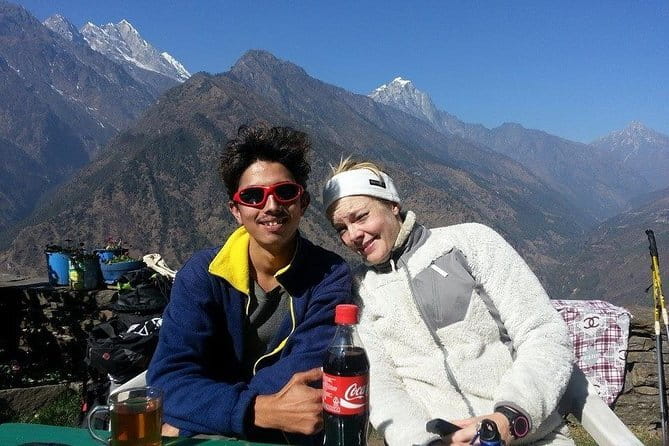
Day 6 continues downhill from Lama Hotel to Syabrubesi and takes about five to six hours. The route passes through forests, streams, villages, and broad views of the valley.
This is a satisfying final walking day because you can see how far you have come. The forest feels familiar after the higher sections, but the descent still has uneven stretches and enough walking to require good footwear. You should not plan a major Kathmandu activity for the same evening unless you are comfortable with a full day on the trail.
The overnight stop is again listed around Hotel Garden Inn in Shyfru Bensi. Having the final walking day end at the same general road hub used at the start makes the transport plan easy to understand.
Day 7: The long return to Kathmandu
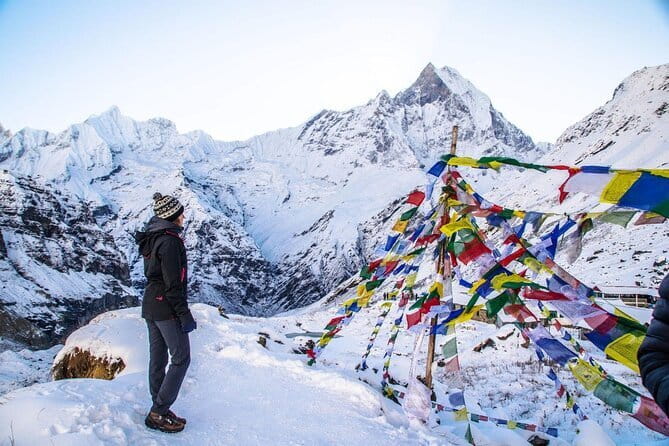
The last day is a seven to eight-hour drive from Syabrubesi back to Kathmandu, with breaks for stretching. The route gives you one final look at mountain scenery and rural Nepal before returning to the capital. The listed drop-off point is in Thamel.
This is not a sightseeing day in Kathmandu. It is a return transfer, and the length of the journey deserves attention when planning flights or other bookings. I would avoid scheduling an important international connection immediately after the trek.
The final drive does offer something useful: time to shift from high mountain walking back to city life. You can look back on the change from river forest to snowy peaks, then back to the road network and markets of Kathmandu.
What the $410 price really covers
At $410 per person, the price is reasonable if you want a guided trek with the core permits, accommodation, and transport arranged in advance. It includes:
- Hotel pickup and drop-off
- Round-trip shared local bus transport
- Trekking permit and TIMS card
- English-speaking trekking guide
- Lodge accommodation
- A private activity for your group
That list covers the pieces that are most difficult to arrange from abroad. The permit and TIMS card are especially useful because the provider handles the paperwork, though you must send passport details and a photo, including a selfie if needed.
The price does not include personal expenses. The supplied information does not state that meals, drinks, insurance, equipment rental, tips, or medical costs are included, so you should ask about each item before booking rather than assume. Your final cost will depend on what you buy along the route.
The private format is another point in the tour’s favor. You are not placed in a large trekking party, and only your own group participates in the activity. At the same time, the bus transfer is shared, so the package offers private trekking with more economical public road transport.
Who will enjoy this trek most
I would recommend this route to someone who wants a short Himalayan walking holiday with both culture and mountain views. It suits people who are comfortable walking for five to six hours a day and who can handle a high point near 4,700 meters.
It is also a good fit for families or friends who want to keep the trip private. One family-focused account praised the friendly, well-trained guide and the service provided throughout the trek. That is useful reassurance for groups who value support and clear organization.
You may prefer another route if you dislike long bus rides, want a luxury lodge experience, or have no interest in high-altitude walking. The first and last days are mostly transport, and the central walking days are full rather than casual.
You should also be honest about fitness. Moderate fitness is the stated requirement, but the Kyanjin Ri section includes steep and narrow stretches. A person who rarely walks uphill should not treat the six-hour estimates as a guarantee of an easy day.
Practical advice for a smoother trip
Send your passport details and photo early so the trekking permit can be issued without a last-minute rush. Keep a copy of your documents with you as well.
Use sturdy footwear, carry layers, and keep rain protection close at hand. The route moves from forest to high mountain terrain, so conditions can change as you gain altitude. The supplied details do not provide a packing list, so ask the provider what equipment you need to bring.
Plan your energy around the schedule rather than the distance alone. Six hours on a mountain path is not the same as six hours on a city sidewalk. Walk steadily, take breaks, and follow your guide’s advice near Kyanjin Ri.
Book with the cancellation rule in mind. You can cancel for a full refund up to 24 hours before the experience begins. Cancellations or changes made less than 24 hours before the start time are not accepted for a refund.
Should you book the Langtang Trek from Kathmandu?
I would book this trek if you want an affordable, private, seven-day route with strong mountain scenery, village contact, and a clear support structure. The best features are the changing terrain, Kyanjin Gompa, the high viewpoint near Kyanjin Ri, and the inclusion of the guide, permits, lodging, and transport.
I would pause before booking if you need more time for acclimatization, dislike shared buses, or want every meal and expense spelled out in advance. Ask the provider about lodge standards, meals, equipment, and the exact day-by-day overnight plan before paying.
For a reasonably fit walker who wants to see the Langtang Valley without committing to a long expedition, the $410 package offers a practical way into Nepal’s high country. Just respect the altitude, prepare for two long road days, and view the trek as a mountain journey rather than a quick sightseeing tour.
FAQ
How long does the Langtang Trek from Kathmandu last?
The experience lasts approximately seven days, including the road journeys between Kathmandu and the Langtang trekking area.
What fitness level do I need?
You should have a moderate level of physical fitness. The trek includes walking days of about five to six hours and reaches approximately 4,700 meters at Kyanjin Ri.
Is the trekking activity private?
Yes. Only your group participates in the trekking activity. The round-trip road transfer is by shared local bus.
What transportation is included?
Hotel pickup and drop-off are included, along with round-trip transfer by shared local bus.
Is a guide included?
Yes. An English-speaking trekking guide is included in the tour price.
What documents are needed for the trekking permit?
You must provide your passport details and a photo. A selfie can be used for the photo.
Can I cancel for a full refund?
Yes. You can cancel up to 24 hours before the experience begins for a full refund. Cancellations or changes made less than 24 hours before the start time are not accepted for a refund.
More week-long trips in Kathmandu
- 7 days Nepal Motorcycle tour
★ 5.0 · 12 reviews - Kathmandu to Langtang Valley 7-Day Trek
★ 5.0 · 11 reviews - 7 Day Kathmandu Pokhara Tour
★ 4.5 · 5 reviews - 7 Days Langtang Valley Trek from Kathmandu
★ 5.0 · 3 reviews
Just added around Kathmandu
- Traditional Momo Making Class★ 5.0 · 10 reviews
- Wildlife Adventure in Chitwan Nepal★ 4.0 · 4 reviews
- Walking tour of real Kathmandu through back streets.★ 5.0 · 3 reviews
- Kathmandu 2 Nights 3 Days Chitwan Jungle Safari Tour★ 5.0 · 9 reviews
- Kathmandu Street Food Walking Tour – Eat Like a Local★ 5.0 · 3 reviews
- Private Manaslu Circuit Trek at Himalayas★ 5.0 · 3 reviews
- Walking tour of Kathmandu with awesome local guides★ 5.0 · 4 reviews
- Visit Swayambhunath and Bauddhanath Stupa with Guide★ 5.0 · 5 reviews
Langtang Valley Treks from Kathmandu, compared.
Browse the lists this tour appears in