
Reviewed · LANGTANG VALLEY TREKS FROM KATHMANDU
Langtang Valley Trek from Kathmandu
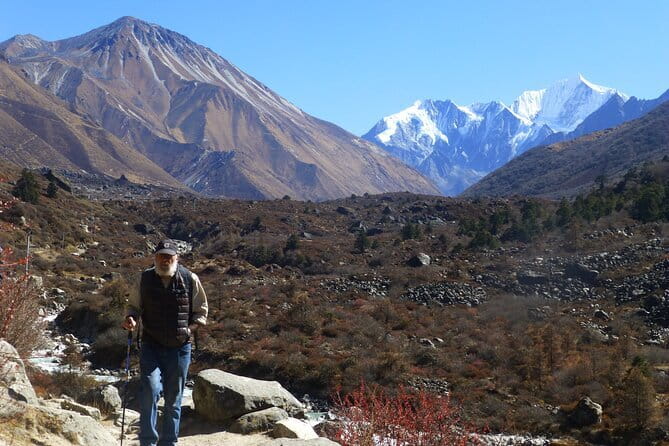
Langtang’s appeal is simple: in eight days, you trade Kathmandu’s noise for river valleys, stone villages, yak pastures, and huge Himalayan views without taking the busier Everest or Annapurna route. The cultural heart of the trip is the Tamang region, where Tibetan influence, local hospitality, and the old Kyanjin Gompa monastery shape the journey.
I especially like the steady change in scenery, from subtropical forest and bamboo to high mountain country, and the private format, since only your group takes part in the trek. The chance to visit Kyanjin Gompa, see the Kyanjin Cheese Factory, and add a climb toward Tserko Ri gives the trip more substance than a simple walk up and down a valley.
The main drawback is the transport and walking time. The road to Syabrubesi takes about six to seven hours, and several trekking days also last around six hours. You need moderate fitness, patience for basic guesthouse accommodation, and a clear understanding of what meals are covered before paying.
Key details to know before booking
- Kyanjin Gompa is the cultural and scenic high point: You get a monastery, cheese factory, mountain views, and access to optional high hikes in one area.
- The route runs for eight days from Kathmandu: The first and final days use a shared bus, while the middle six days are spent trekking.
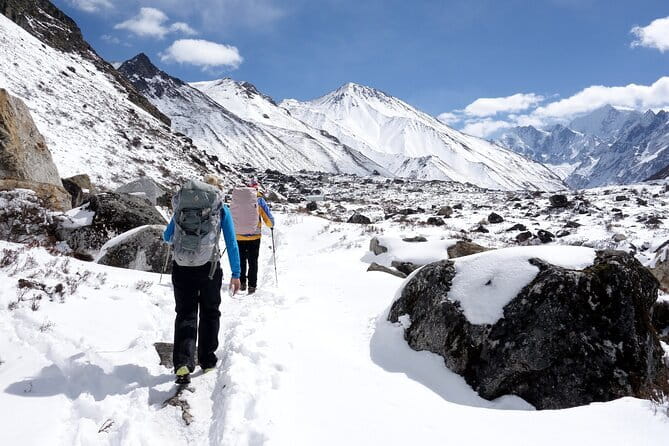
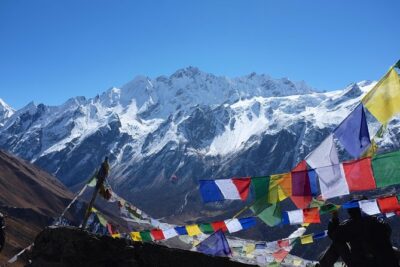
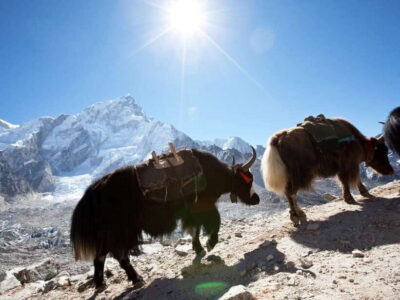
- The scenery changes dramatically: Expect rhododendron, oak, bamboo, suspension bridges, the Langtang River, stone homes, yak pastures, and views toward Langtang Lirung, Ganesh Himal, and Shishapangma.
- This is a private trekking experience: Your group travels together, with an English-speaking guide rather than joining a large mixed party on the trail.
- The package includes core trekking arrangements: Hotel pickup and drop-off, permits, a TIMS card, guide, guesthouse accommodation, first aid support, and listed meals are included.
- You should be ready for basic conditions: The tour calls for moderate physical fitness, and the written meal information needs clarification because it both lists meals as included and gives an approximate daily meal cost as excluded.
Why Langtang makes a strong short trek from Kathmandu
Langtang is a good choice if you want a Himalayan trek but do not have two or three weeks to spare. The route reaches mountain country quickly, yet it still gives you time to experience village life and the Tamang culture that defines the valley.
The setting also feels quieter than Nepal’s most famous trekking corridors. You are not signing up for a quick viewpoint visit. You are walking beside a river, crossing suspension bridges, passing through forests, and watching the valley open as you gain height.
The trip has a serious human side as well. Langtang Village and nearby communities continue to reflect the recovery and resilience that followed the 2015 earthquake. That history gives the route emotional weight, but the focus remains on ordinary life: stone houses, local lodges, monasteries, and the work of keeping a mountain valley going.
The advertised price is $1,110 per person. For an eight-day private trip, that can represent fair value if you want transport, permits, a guide, lodging, and food arranged in one booking. The value drops if you prefer to travel independently or if the meal charge is added separately, so ask the operator to explain the food line before departure.
More Langtang Valley treks:
- Langtang Valley Trek
★ 5.0 · 140 reviews - Private 8 – Day Langtang Trekking
★ 5.0 · 29 reviews - Kathmandu: 6-Day Limitless Langtang Trek
★ 5.0 · 21 reviews
Day 1: The long road from Kathmandu to Syabrubesi
The first day is mostly about reaching the trailhead. After breakfast, you travel by shared bus toward Syabrubesi, a journey of roughly six to seven hours with stops along the way.
The road follows the Trishuli area and passes green hills, rivers, and increasingly remote scenery. This is not a polished transfer on a smooth highway. The trip is part of the Nepal experience, but it can be tiring, especially after arriving in Kathmandu from a long international flight.
Hotel pickup is included, which removes one practical worry. You should still expect the day to feel full even though you are not yet trekking. Keep water, snacks, and anything needed during the ride in your day bag. The bus transfer is shared, while the trekking portion is private for your group.
Day 2: Forest, bridges, and the Langtang River
The first major walking day leads toward Lama Hotel and takes about six hours. This is where the trip begins to feel like a proper trek.
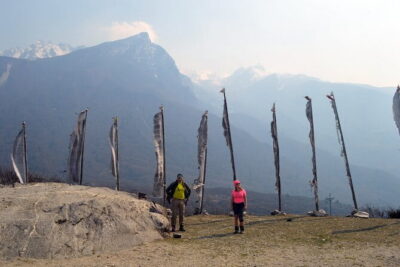
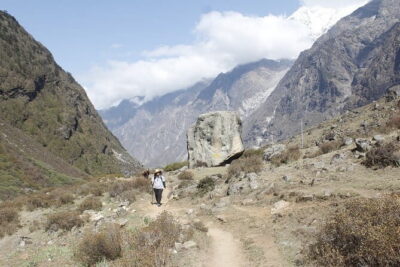
The trail passes through subtropical woodland filled with rhododendron, oak, and bamboo. The Langtang River provides a constant natural marker, often rushing below the trail as you move through the valley. Suspension bridges add a little drama without requiring technical climbing.
You may also have a chance to see langur monkeys in the forest. The important point is that the day is not just a climb from one lodge to another. The forest gives you a gradual introduction to the valley, and the changing vegetation helps you notice how altitude affects the route.
Six hours on foot is still a solid day. Your guide can help set a sensible pace, but you should not treat the word moderate as meaning easy. Good walking shoes and a light day pack will make a real difference.
Day 3: Stone homes and the recovering Langtang Valley
The route continues for about six hours toward Langtang Valley and Langtang Village. The forest begins to thin, and the mountain views become more open.
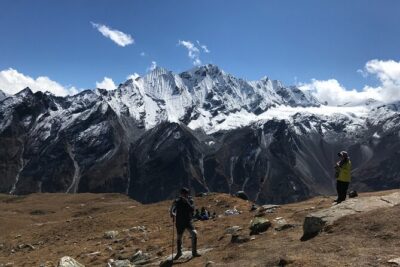
This section is known for traditional stone houses, wide mountain views, and yak pastures. Langtang Lirung becomes a major presence, and the valley begins to feel more exposed and alpine than the lower trail.
Langtang Village is also an important stop for understanding the area’s recent past. The settlement has been recovering since the 2015 earthquake, and the walk gives you a direct connection to that story rather than presenting the valley as scenery alone.
I like this part of the route because it joins culture and nature in a clear way. You are not simply looking at mountains from a distance. You are walking through a lived-in region, seeing how homes, pasture, trail, and monastery fit together.
More day hikes and treks in Kathmandu:
- Everest Base Camp Trek – 14 Days
★ 5.0 · 1,499 reviews - Everest Base Camp Trekking
★ 5.0 · 485 reviews - Nagarkot Sunrise View and Day Hiking from Kathmandu
★ 5.0 · 471 reviews - Annapurna Circuit Trek with Tilicho Lake
★ 5.0 · 368 reviews
Day 4: Reaching Kyanjin Gompa
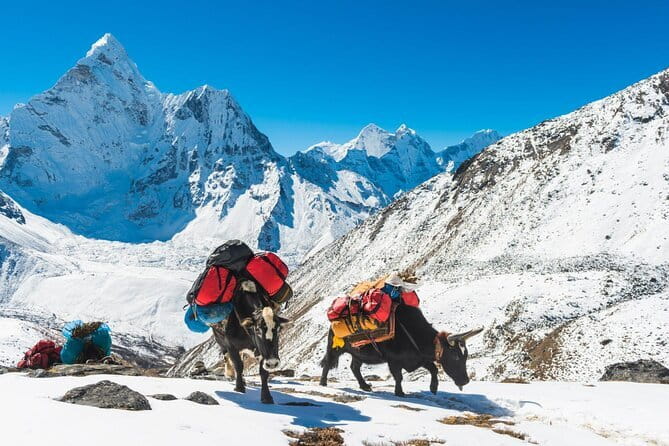
Day four is shorter, at about five hours, and takes you to Kyanjin Gompa. After the longer approach days, this lighter schedule is welcome.
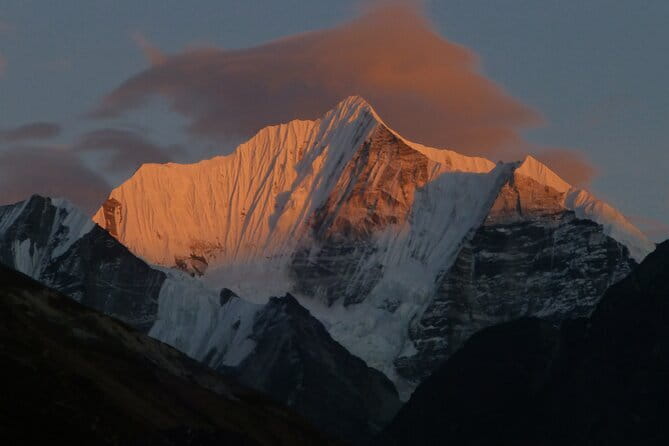
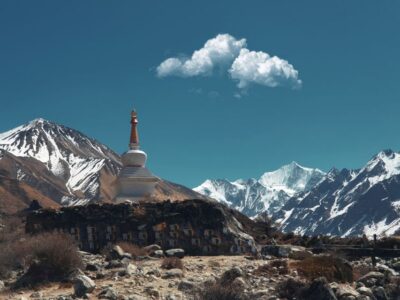
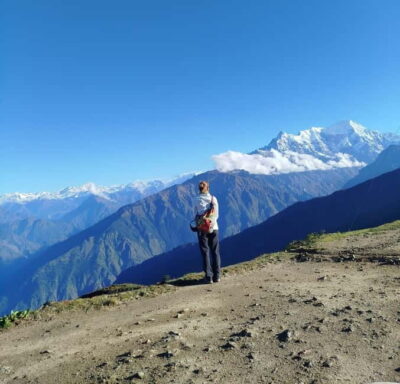
Kyanjin Gompa is the trip’s main base for high mountain scenery and cultural visits. The ancient monastery provides a spiritual focus, while the surrounding peaks create some of the best views on the route. Langtang Lirung is especially important here, with Ganesh Himal and Shishapangma in Tibet also part of the wider panorama when conditions allow.
The Kyanjin Cheese Factory adds a practical local detail. It gives the stop a connection to everyday mountain production, not just religious buildings and distant peaks.
This is a good day to slow down. Your guide can help you understand the order of the following day, when the trek may include a demanding climb toward Tserko Ri. Guesthouse accommodation keeps the overnight stay simple and close to the trail.
Day 5: The high point near Kyanjin
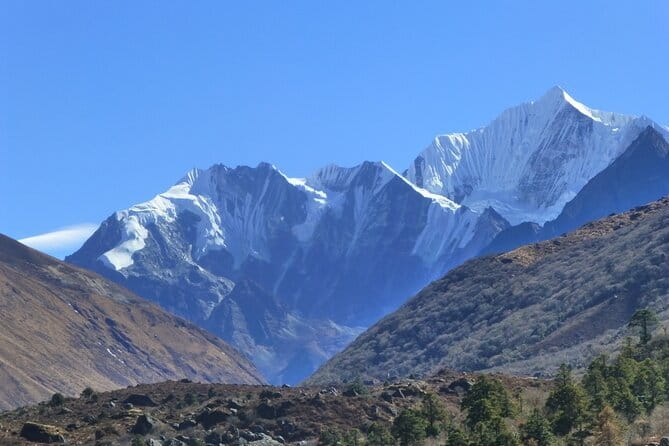
Day five is described as the most important trekking day. You leave after an early breakfast with packed snacks and cross a small wooden bridge over the Langtang River before climbing toward Cherko Ri, also written as Tserko Ri.
The day takes about six hours, but the effort depends on how high you climb and how your body responds. Tserko Ri offers some of the finest views in the valley, with wide Himalayan scenery rather than the narrower views found lower down.
This is where a moderate fitness level matters most. The trail may feel steep, and the altitude can make a six-hour day harder than the same distance at home. Follow your guide’s pace, take breaks, and do not feel pressured to treat the highest possible point as the only measure of success.
The itinerary describes the hike as an option, which is useful. If you are tired or the conditions are not suitable, remaining around Kyanjin Gompa still gives you monastery visits, mountain views, and the cheese factory. Confirm with the operator whether the day’s exact route is Tserko Ri, Kyanjin Ri, or a choice between them, since both are named as possible viewpoints in the tour description.
Day 6: A long descent to Lama Hotel
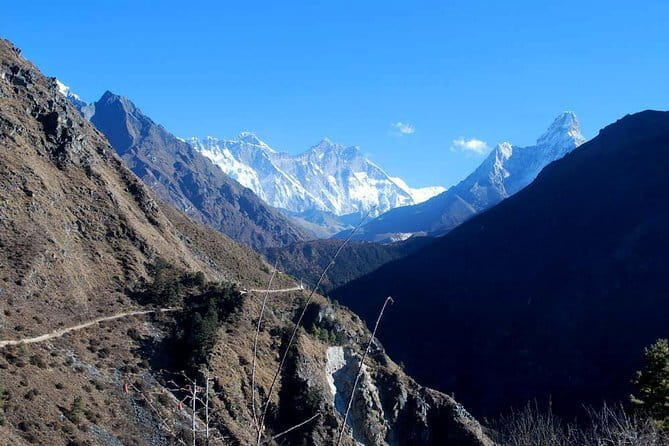
The return begins with about six hours of downhill walking to Lama Hotel. Descending is generally less demanding on your breathing as the altitude drops, but it can still test your knees and ankles.
The trail retraces much of the route through the valley. That repetition has a benefit: you see the same river, bridges, forest, and villages from a different angle, and the downhill direction often makes the route feel faster.
The description calls this an easier day, but I would still take it seriously. Long descents can create soreness, especially after the high point near Kyanjin. Trekking poles, if you use them, can help, though the supplied information does not confirm whether equipment is provided.
Day 7: Returning to Syabrubesi
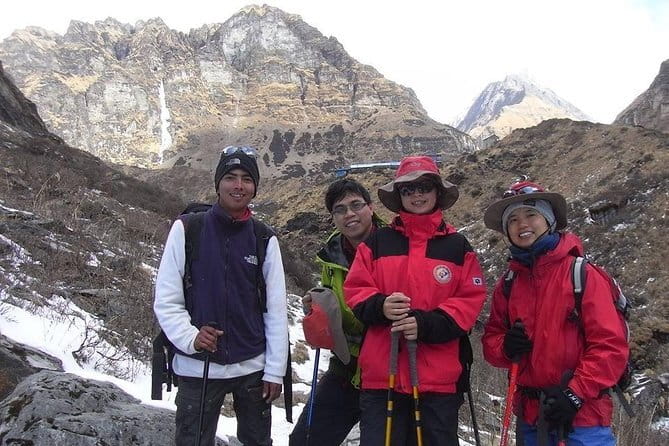
The final trekking day takes about seven hours and returns you to Syabrubesi. Most of the route is downhill, following the way you came up.
There is an optional route via Sherpagaun. The description presents it as a more scenic alternative with trekking appeal, but it does not give an extra duration or confirm that it is always available. Ask your guide about trail conditions and timing before choosing it.
This day is less about reaching a new landmark and more about finishing well. You have moved from river forest to high valley and back again. The sense of accomplishment comes from completing the full route, not from one final viewpoint.
The guide and porter support described by the operator matter here. The trip feedback places particular emphasis on experienced, reliable guides and kind care, including for a solo woman who felt safe and relaxed. No guide names are provided, so you will need to confirm your guide’s name before arrival.
Day 8: The bus ride back to Kathmandu
The last day starts with the journey to Kathmandu, again by shared bus. The ride takes about six hours and passes green hills, forests, riverside areas, and rural Nepal.
After the quiet of Langtang, Kathmandu may feel loud and crowded. Hotel transfer is included once you arrive, which is helpful after a long road journey.
Do not plan an important fixed appointment too close to the expected arrival. The stated duration is approximate, and road travel in the hills can take longer than the schedule suggests. The information provided does not promise an exact arrival time.
What the $1,110 price covers
The package includes hotel pickup and drop-off, round-trip shared bus transport, trekking permits, and a TIMS card. Those permits and transport arrangements are useful because they remove several chores that can be confusing on a first Nepal trek.
You also receive an English-speaking trekking guide, guesthouse accommodation during the trek, and a first aid box carried by the guide. The trip is private for your group, though the bus transfer is shared.
The listed meal inclusions are breakfast on seven days, lunch on eight days, and dinner on eight days. At the same time, the exclusions mention meals at about $25 per day. That is a direct inconsistency, and you should have it cleared up in writing before booking. Also budget for gratuities, which are optional and not included.
The accommodation is described as guesthouse lodging, not hotels with full facilities. You should choose this trip for the route, scenery, and local setting rather than for comfort at the end of every day.
Who will enjoy this trek most
I would recommend this experience to you if you want a moderate Himalayan trek from Kathmandu with a private guide and a strong mix of mountain scenery and Tamang culture.
It suits people who can walk for five to seven hours on several consecutive days. You do not need to be a technical climber based on the information provided, but you do need reasonable fitness and the ability to manage long uphill and downhill sections.
It is also a good fit if you prefer a less crowded route than Everest or Annapurna. The route still has famous mountain views, but its appeal comes from the quieter valley, village contact, monastery visit, and changing forest.
I would think twice if you want a luxury lodge experience, a short and easy walk, or a fully private vehicle throughout. The shared bus journeys are long, the guesthouses are basic, and the trek includes real physical effort.
Booking advice and cancellation terms
Pickup is offered, group discounts are available, and a mobile ticket is provided. Confirmation is received at booking, and the activity is private for your group.
You can cancel up to 24 hours before the experience starts for a full refund. Changes or cancellations made less than 24 hours before the local start time are not accepted for a refund.
Before paying, ask three practical questions: Are all listed breakfasts, lunches, and dinners included in the $1,110 price? Which high viewpoint is planned on day five? What is the name of the assigned guide? These answers will make the arrangement much clearer.
Should you book the Langtang Valley Trek?
Book it if you want a compact Nepal trek with strong scenery, local culture, and a private guide rather than a resort-style holiday. Kyanjin Gompa, the forest approach, the Tamang villages, and the possible Tserko Ri climb give the eight days a good rhythm.
Skip it if long bus rides, basic guesthouses, or six-hour walking days sound unpleasant. The food-cost wording also needs clarification.
For the right person, this is a well-shaped introduction to Langtang: demanding enough to feel earned, short enough to fit a larger Nepal trip, and personal enough to keep the valley from becoming just another mountain photo.
FAQ
How long is the Langtang Valley Trek from Kathmandu?
The experience lasts about eight days, including travel from Kathmandu to Syabrubesi and the return journey to Kathmandu.
Is hotel pickup and drop-off included?
Yes. Hotel pickup and drop-off are included in the package.
Is transportation private?
The trekking activity is private for your group, but the round-trip transfer is by shared bus.
What level of fitness do I need?
You should have a moderate level of physical fitness. Trekking days generally last about five to seven hours, with uphill and downhill walking.
Is a guide included?
Yes. An English-speaking, experienced trekking guide is included. A first aid box is also carried by the guide.
Are permits included?
Yes. The package includes a trekking permit and a TIMS card.
What is the cancellation policy?
You can cancel at least 24 hours before the experience starts for a full refund. Cancellations or changes made less than 24 hours before the local start time are not accepted for a refund.
Just added around Kathmandu
- Traditional Momo Making Class★ 5.0 · 10 reviews
- Wildlife Adventure in Chitwan Nepal★ 4.0 · 4 reviews
- Walking tour of real Kathmandu through back streets.★ 5.0 · 3 reviews
- Kathmandu 2 Nights 3 Days Chitwan Jungle Safari Tour★ 5.0 · 9 reviews
- Kathmandu Street Food Walking Tour – Eat Like a Local★ 5.0 · 3 reviews
- Private Manaslu Circuit Trek at Himalayas★ 5.0 · 3 reviews
- Walking tour of Kathmandu with awesome local guides★ 5.0 · 4 reviews
- Regular Yoga for all levels of practitioners in Kathmandu★ 5.0 · 4 reviews
Langtang Valley Treks from Kathmandu, compared.
Browse the lists this tour appears in